English
  日本語
日本語  한국어
한국어  français
  Deutsch
  Español
  italiano
  русский
  português
  العربية
  Indonesia
  tiếng việt
  हिंदी
हिंदी  Türkçe
Related GroupSmart News
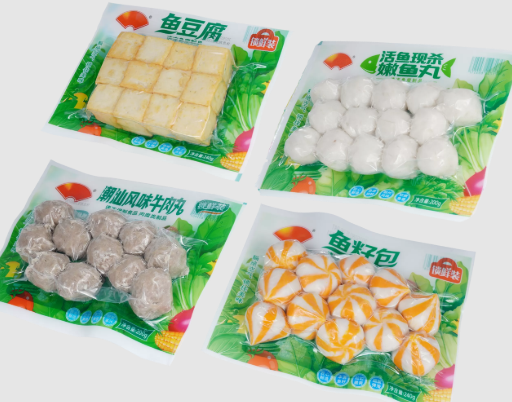
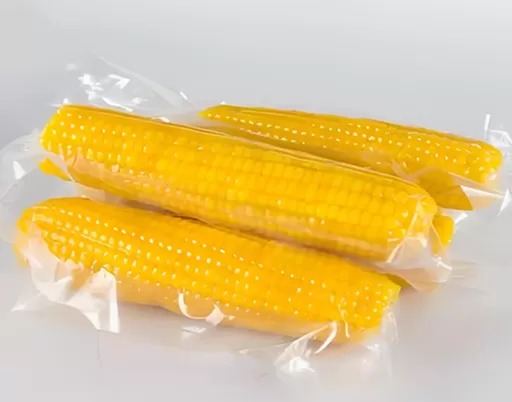
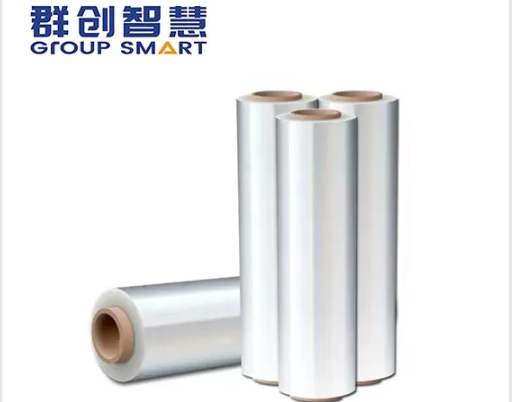

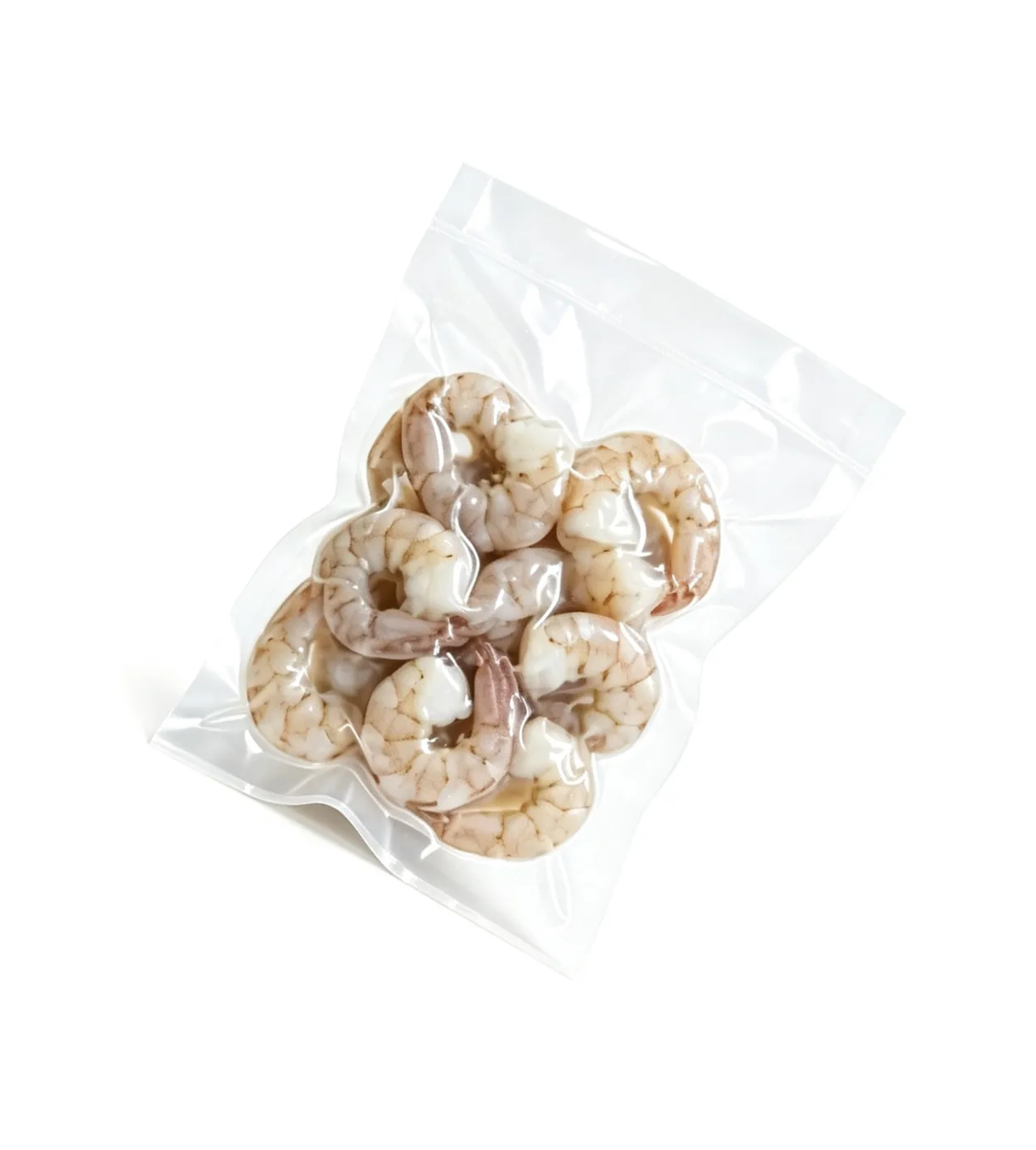
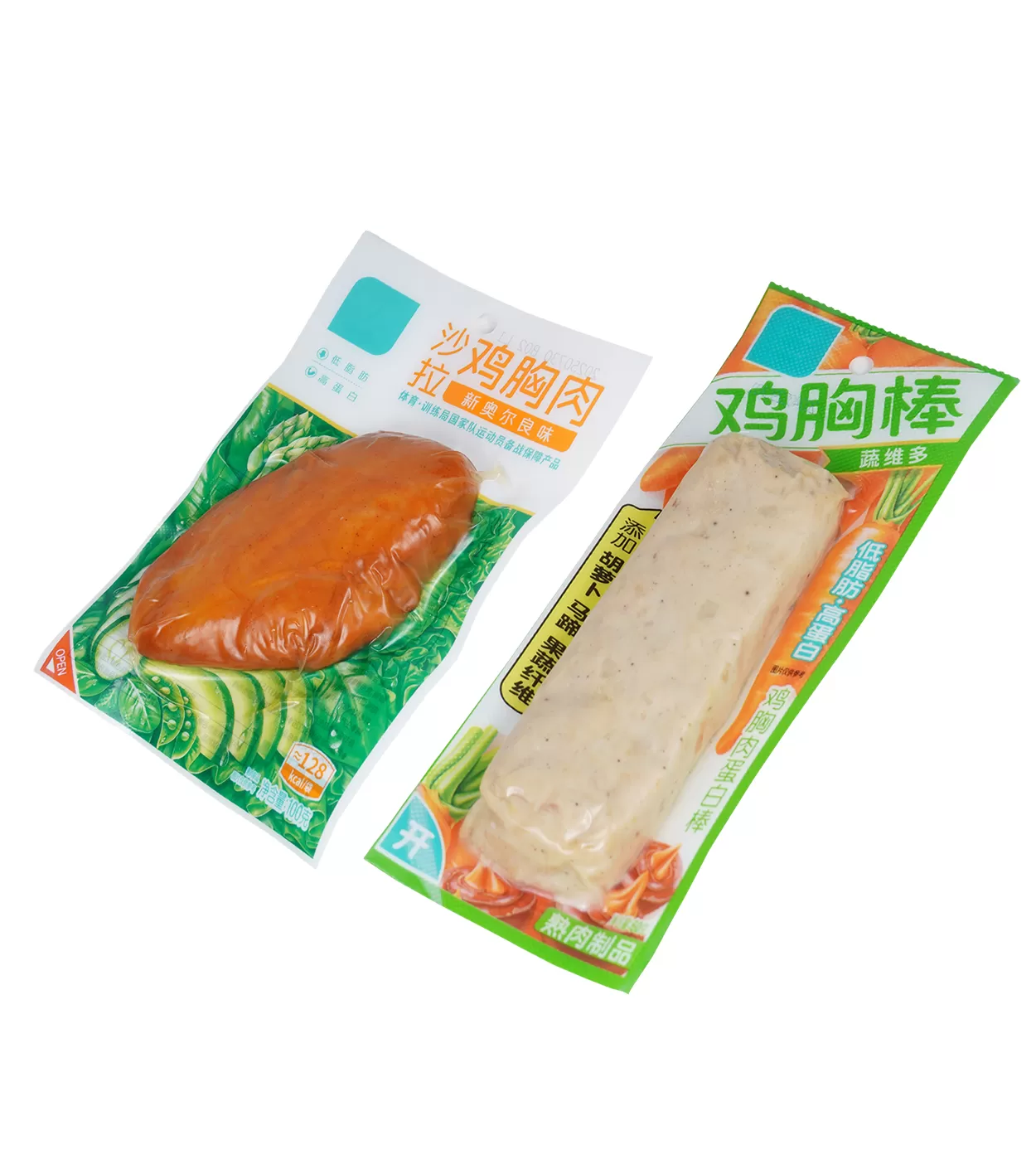
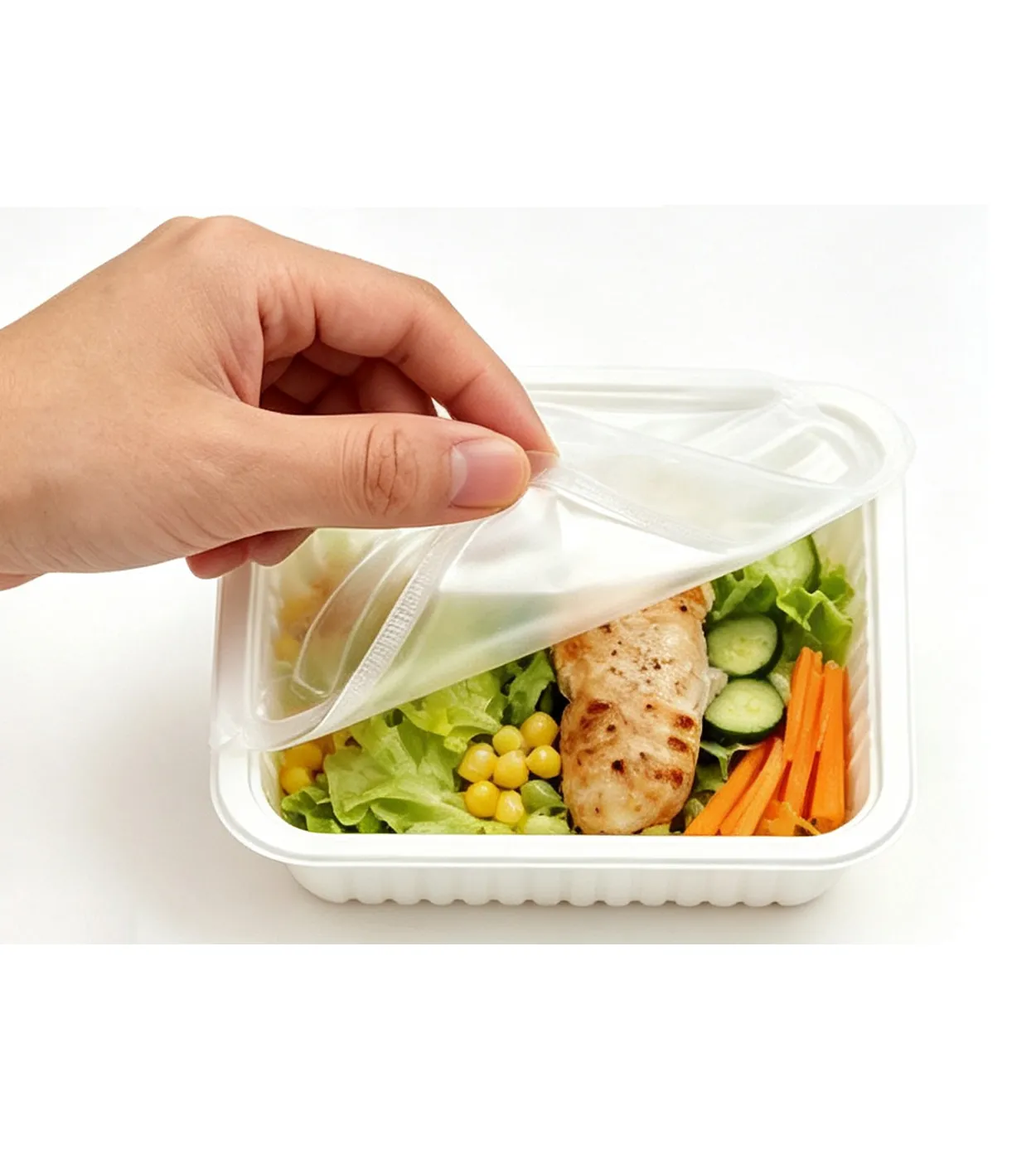
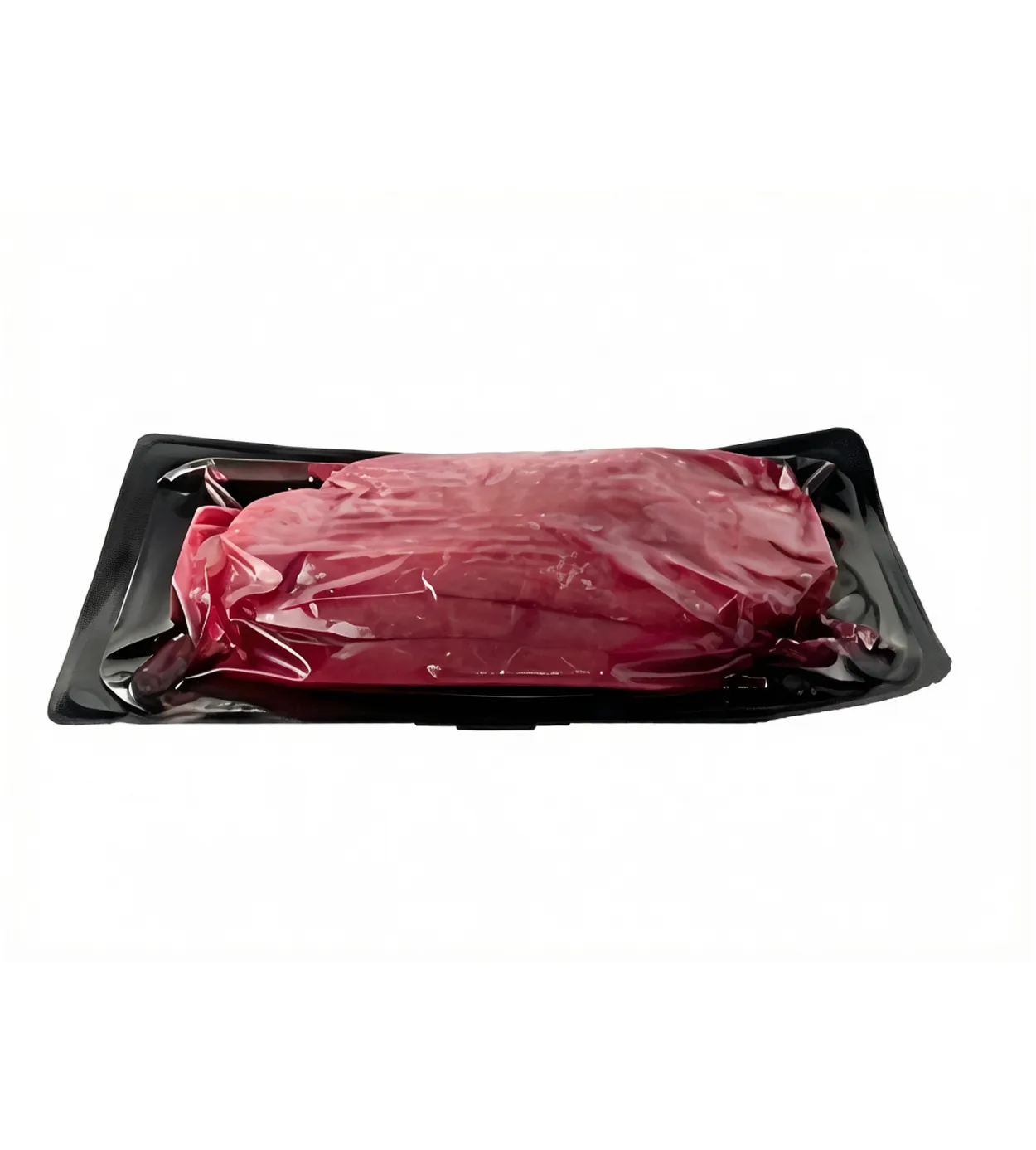
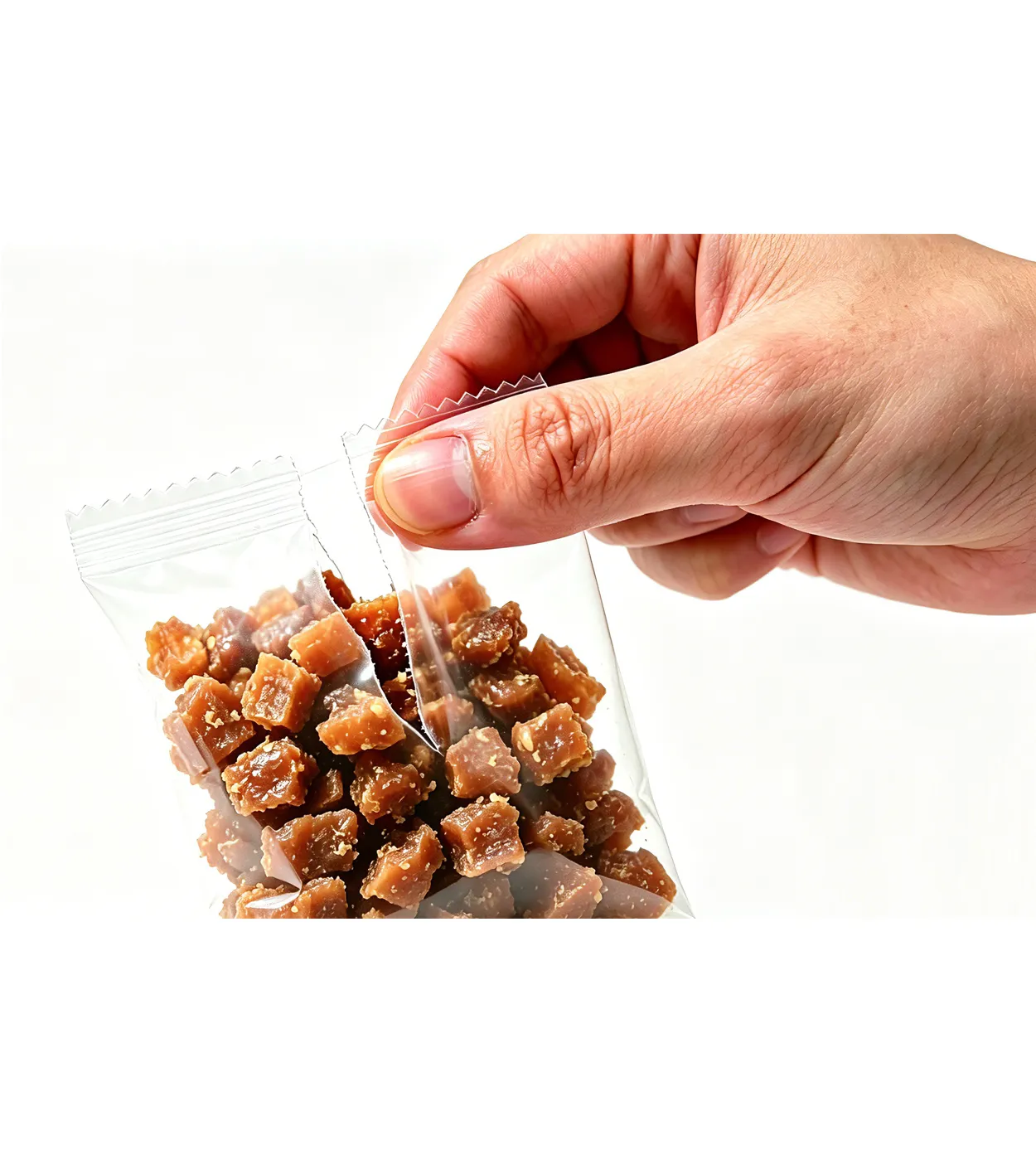
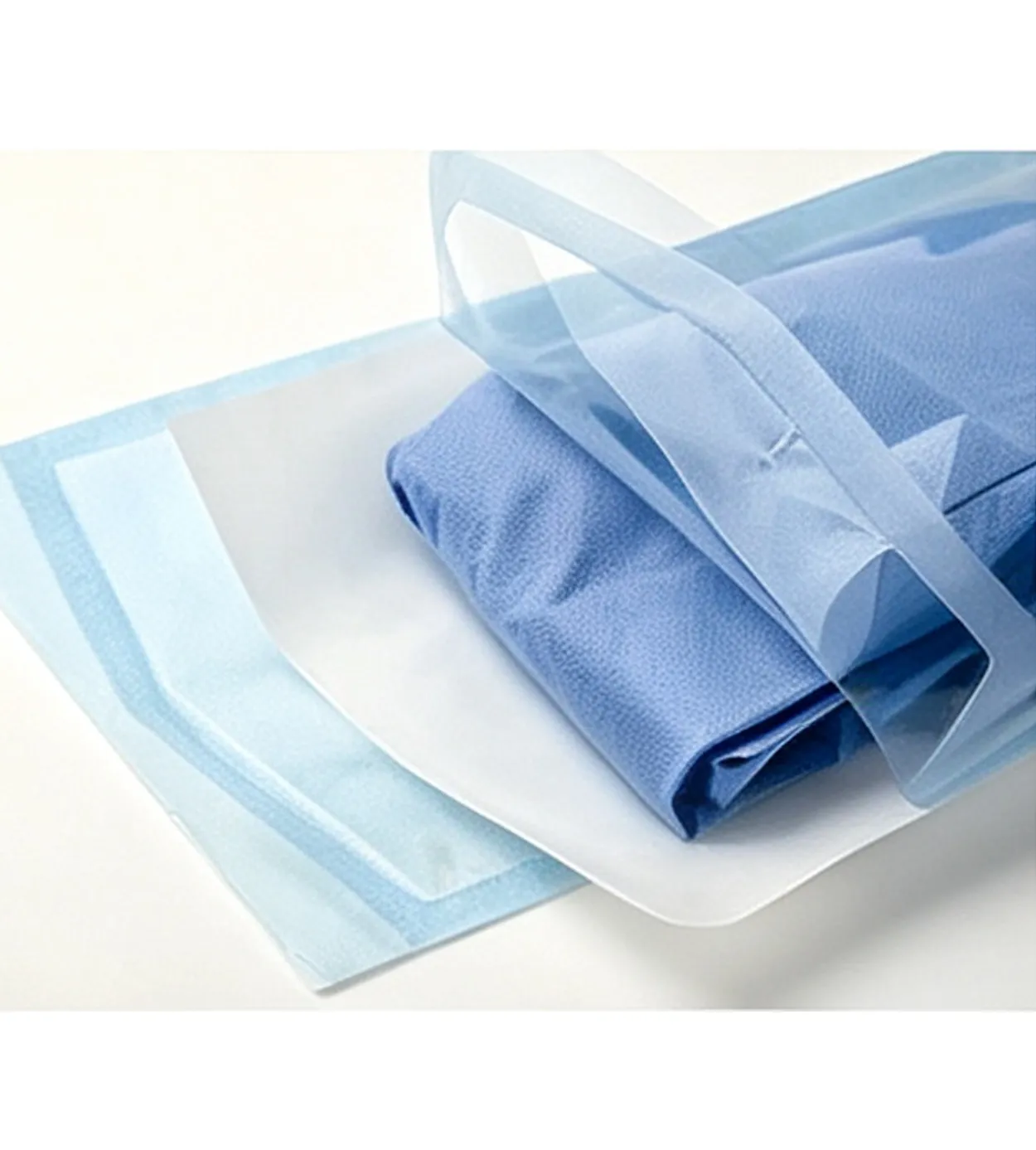
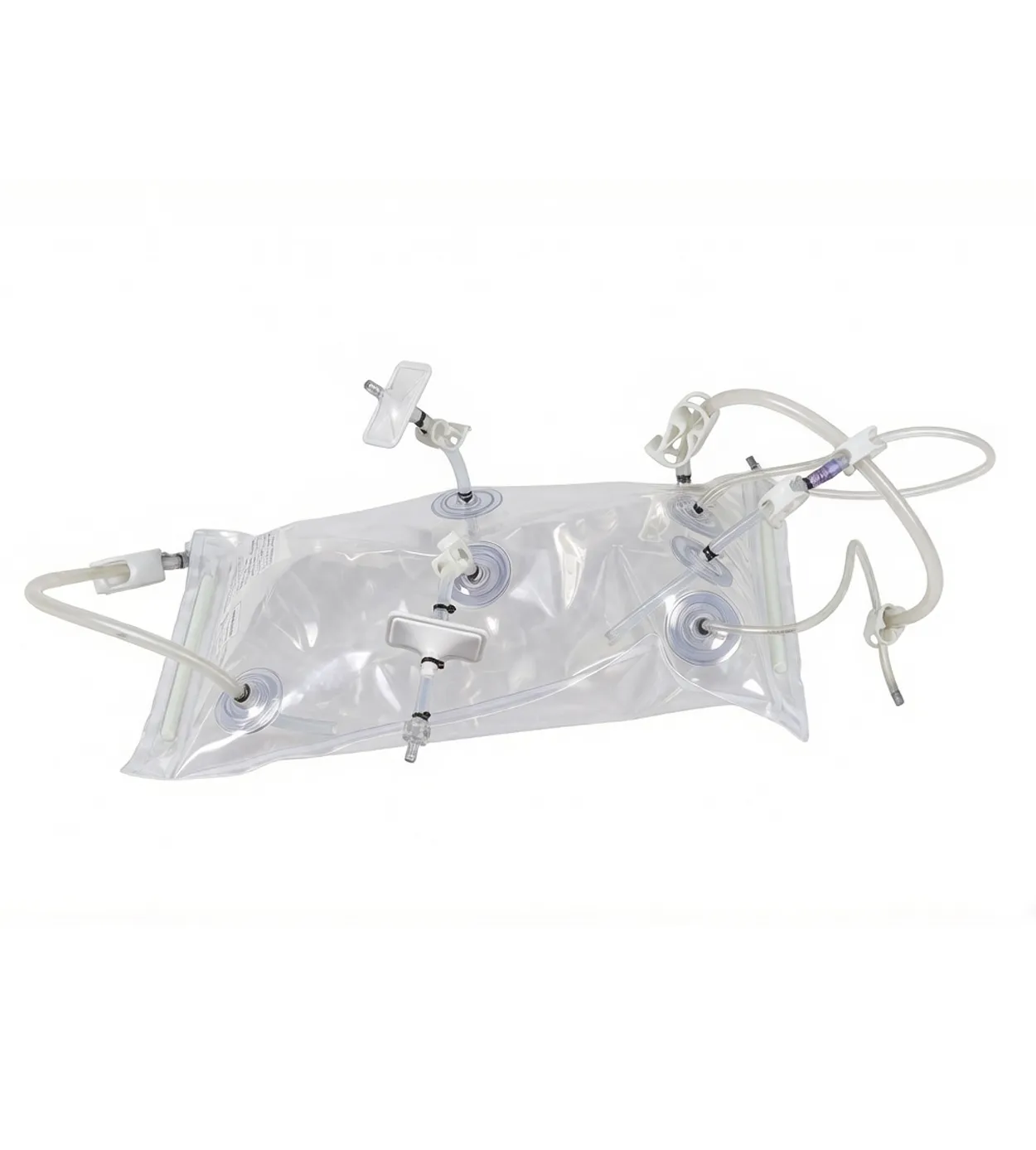
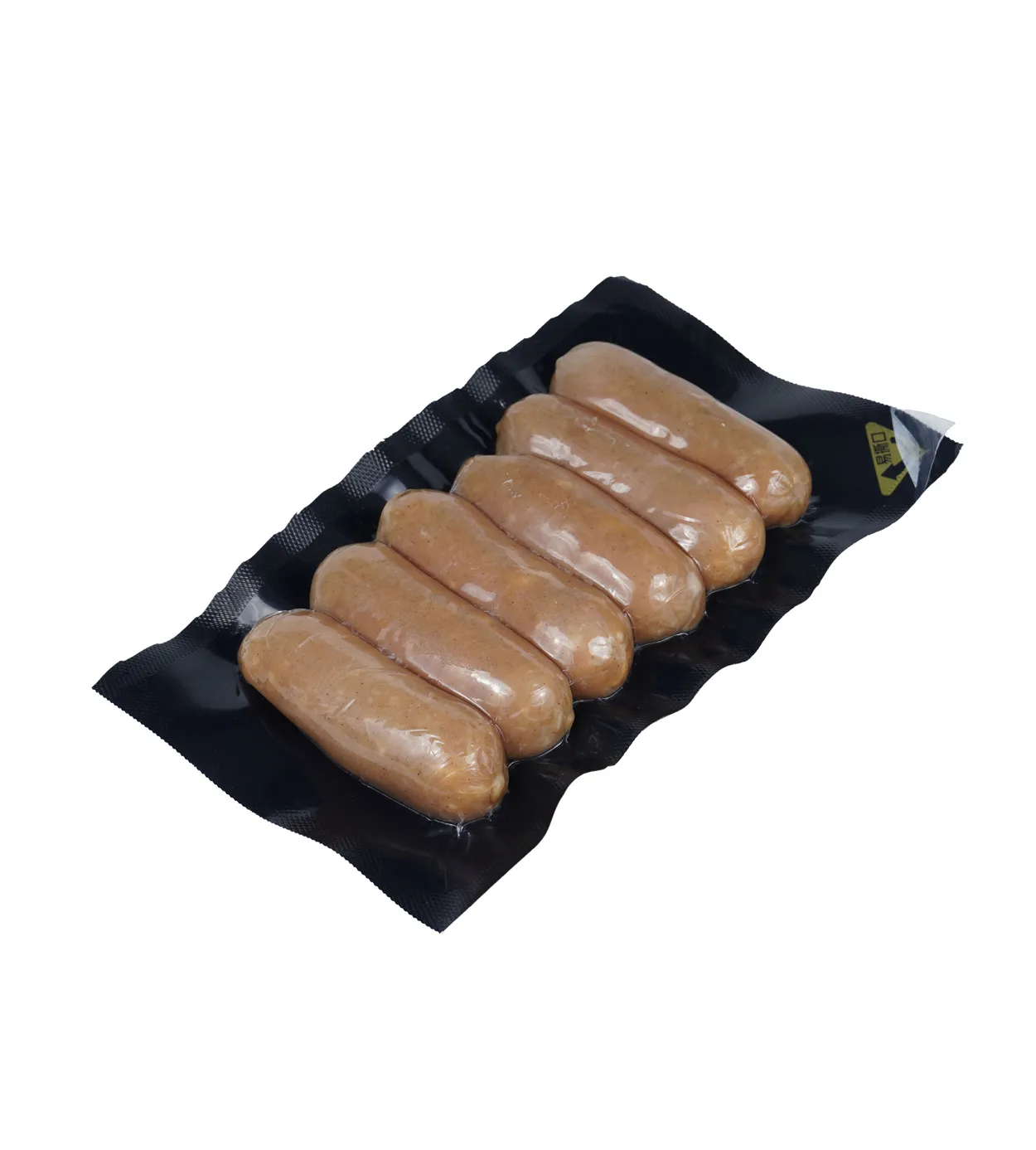
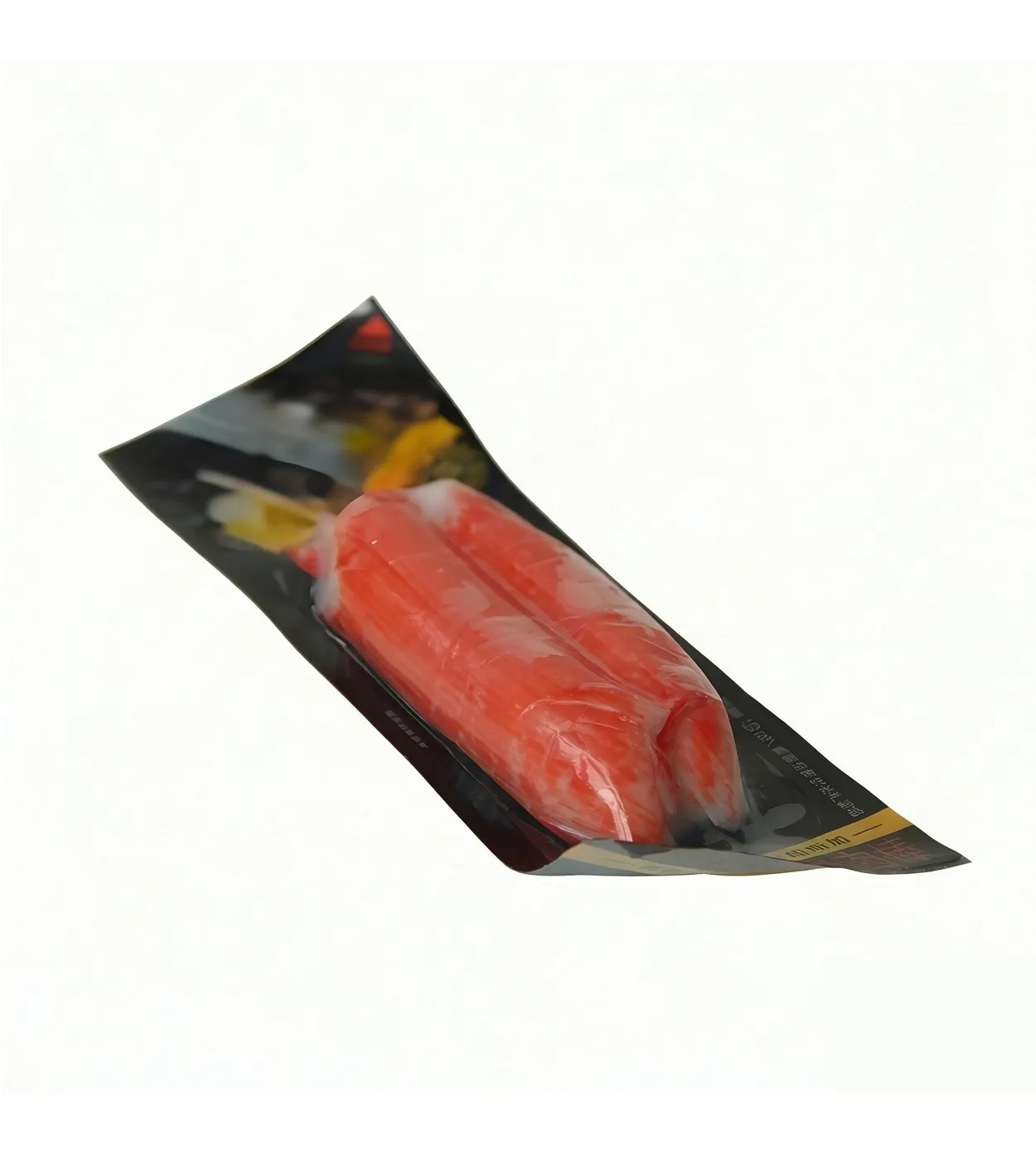
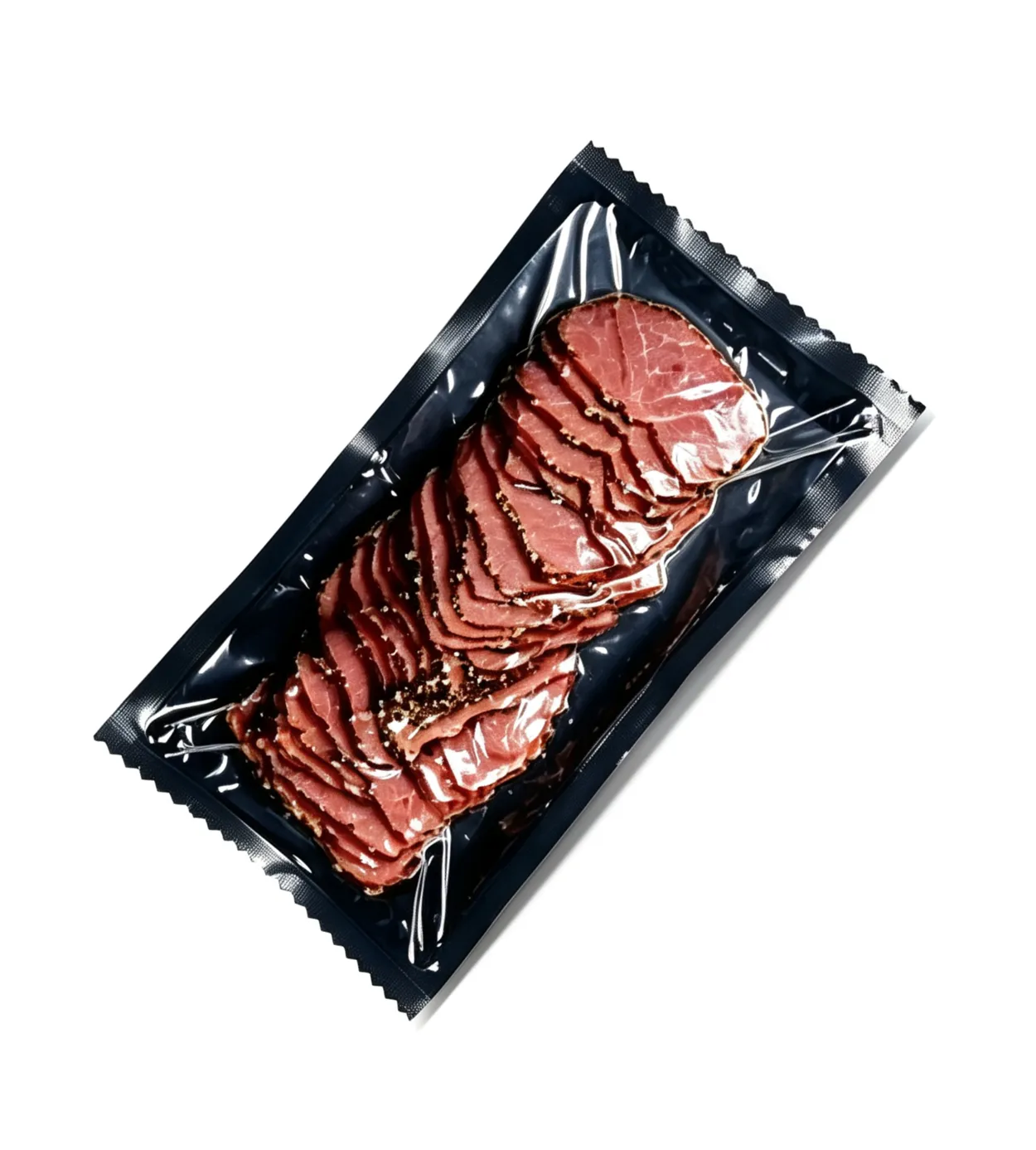
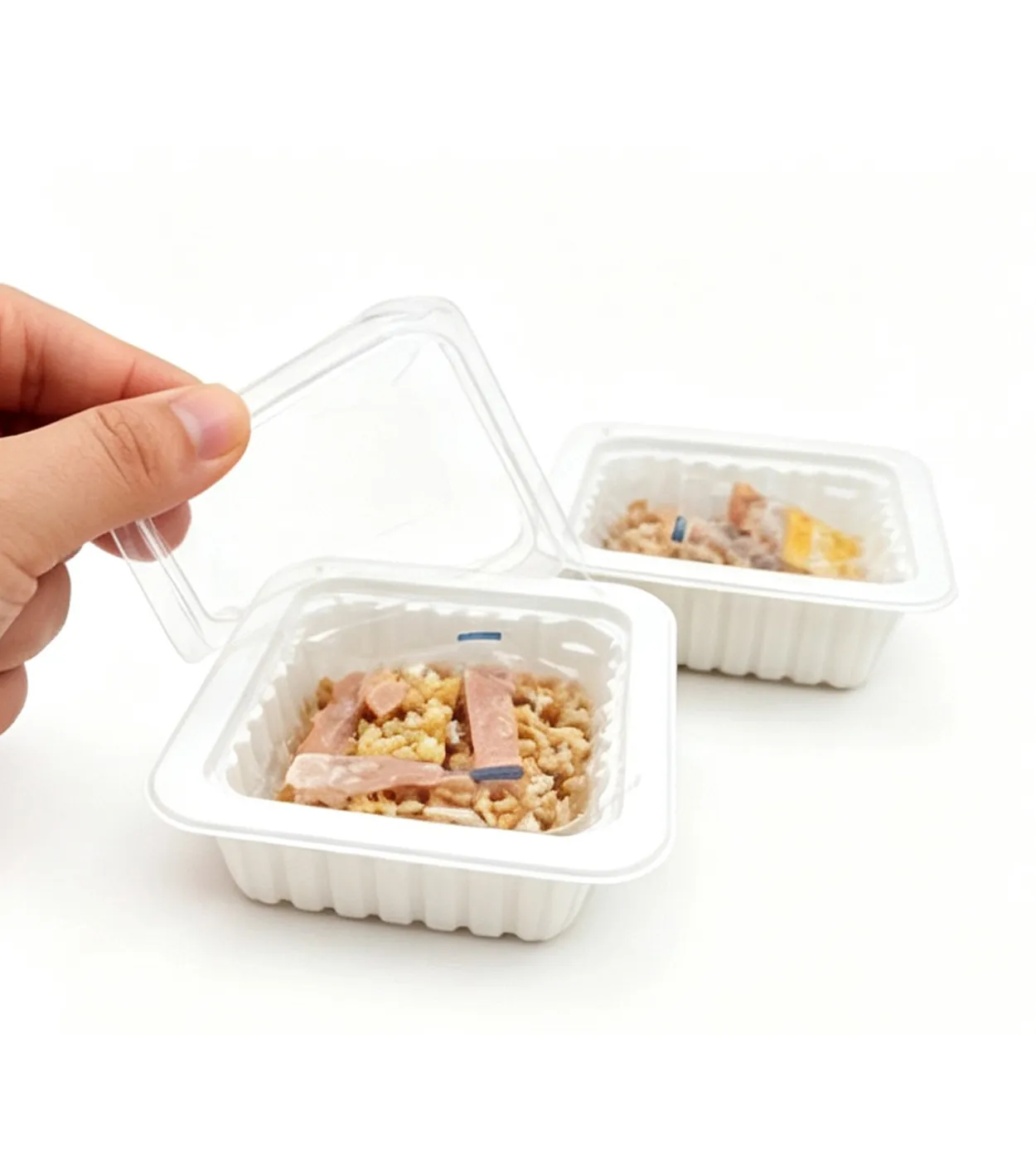
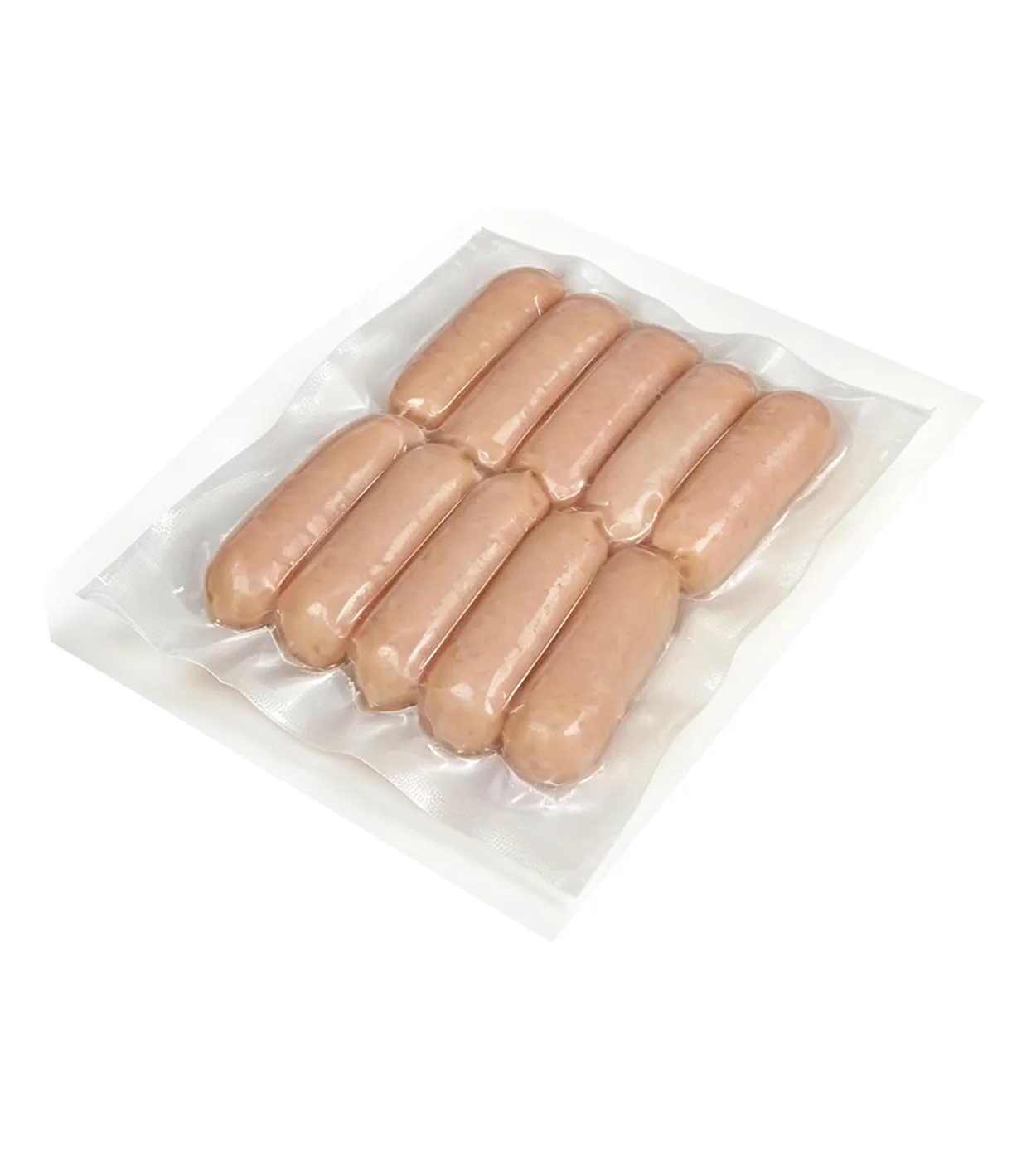
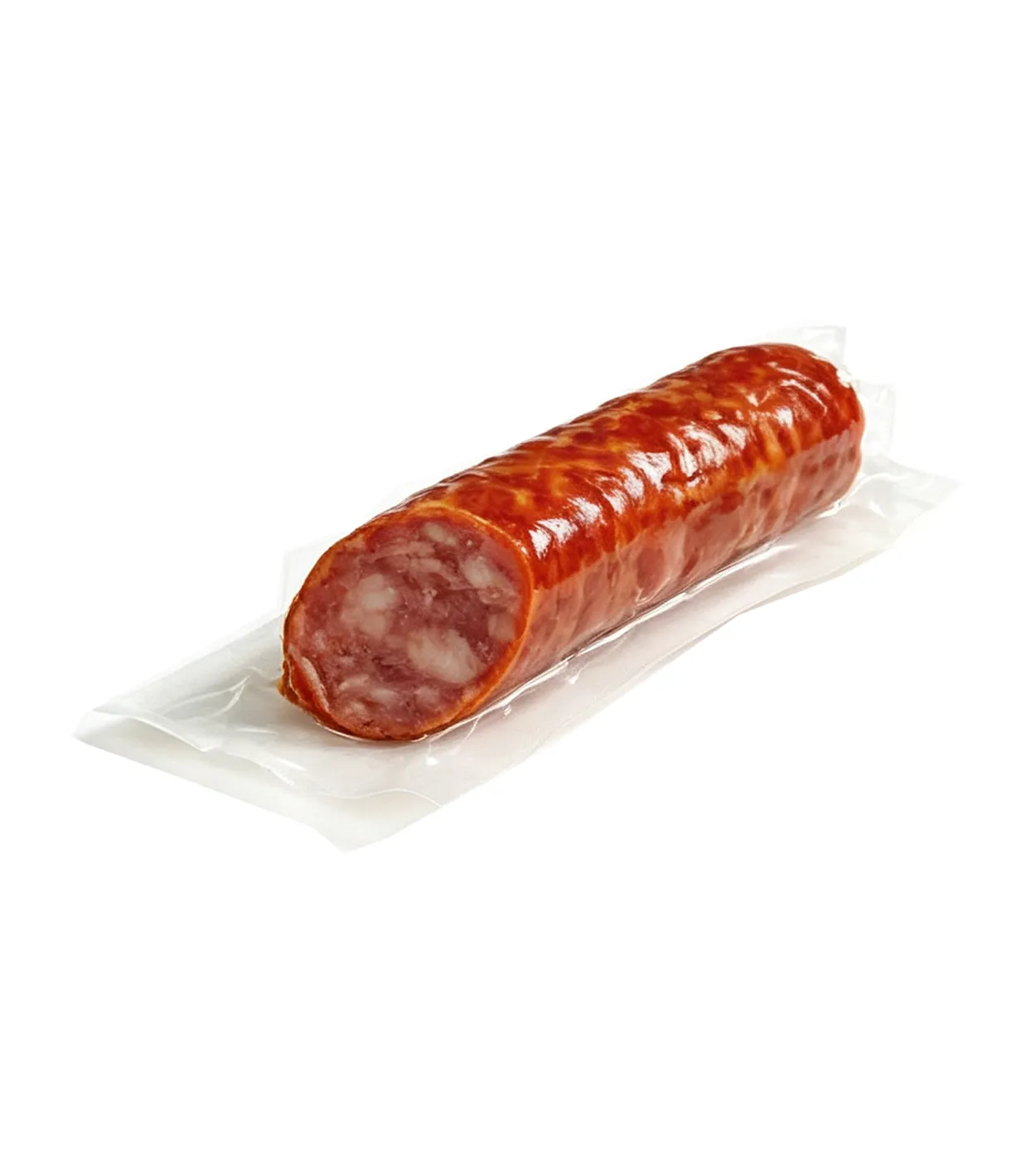
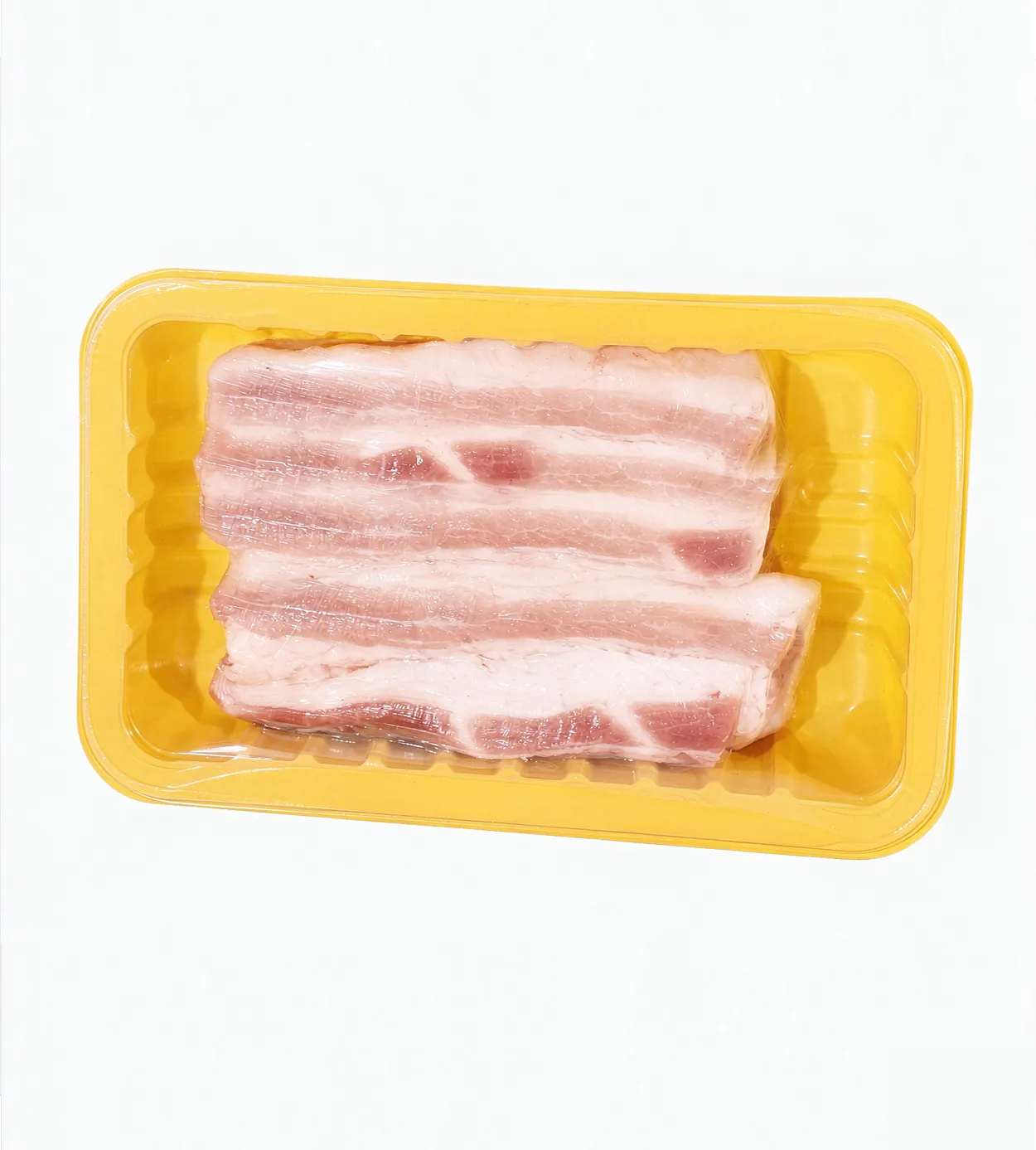
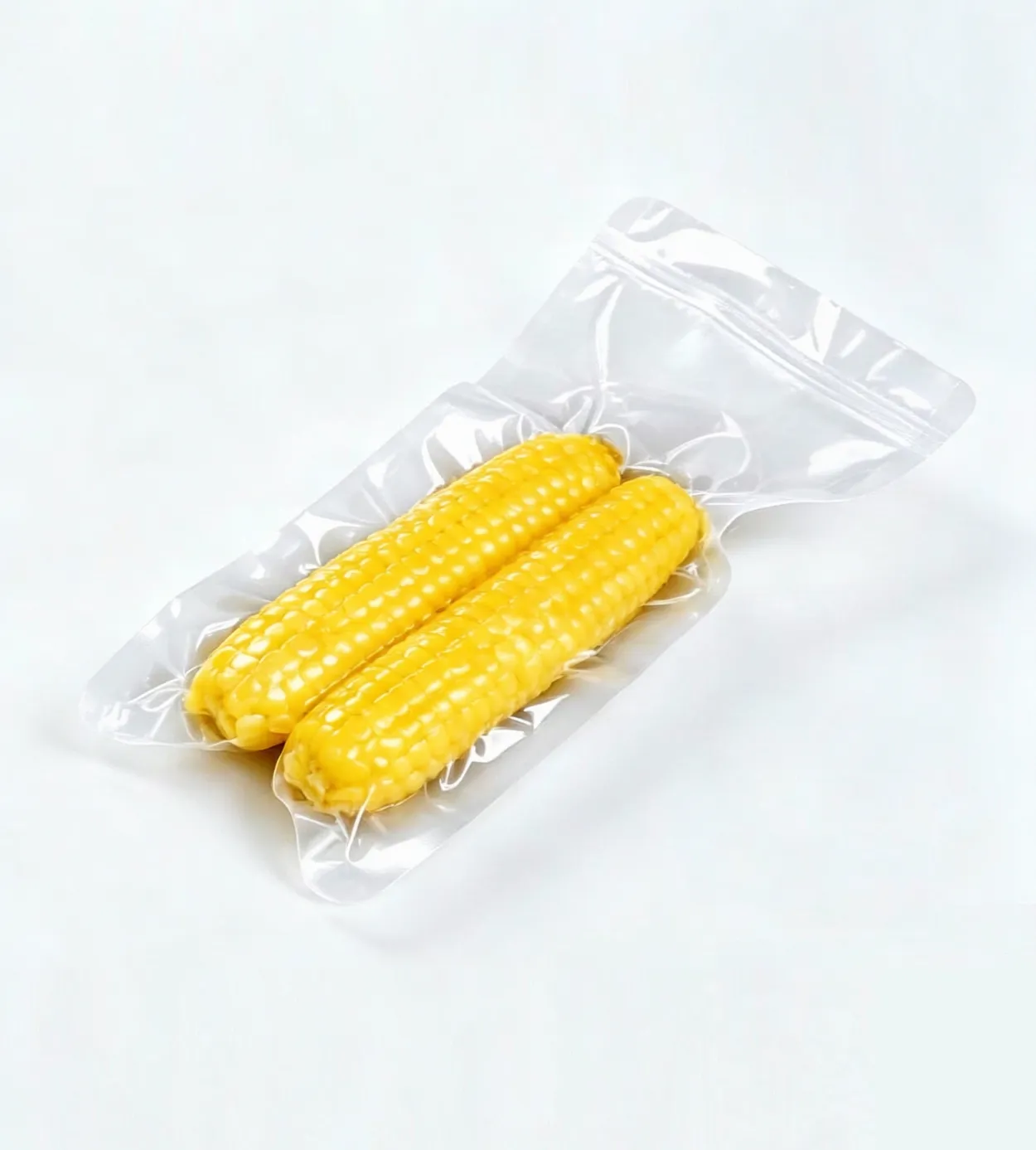
The healthcare industry is built on a foundation of precision, safety, and uncompromising quality. While the focus often remains on the revolutionary medical devices or life-saving pharmaceuticals themselves, medical packaging film is a silent hero that ensures these products reach the point of care in a pristine.
As global healthcare standards evolve and the demand for specialized medical equipment grows, the technology behind packaging films has undergone a significant transformation. Today, medical packaging has become a sophisticated engineered barrier system designed to protect against microbial contamination, physical damage, and environmental factors.
The primary objective of medical packaging is to maintain the sterility of a device from the moment it is manufactured until it is opened in a sterile environment. This requires the film to possess a unique set of physical and chemical properties.
First and foremost is the microbial barrier. The film must be completely impermeable to bacteria and viruses. Secondly, it must be compatible with various sterilization processes, such as Ethylene Oxide (EO), Gamma irradiation, Electron Beam (E-Beam), or steam autoclaving. Each of these methods places different stresses on the plastic material, requiring films that do not degrade, discolor, or become brittle under extreme conditions. Furthermore, mechanical strength is non-negotiable. Medical devices often have sharp edges or complex geometries. A high-performance film must offer excellent puncture resistance and tear strength to prevent accidental breaches during transport and handling.
In this high-stakes environment, selecting the right partner for material sourcing is vital. Companies like GroupSmart have positioned themselves at the forefront of this niche industry by providing advanced film solutions tailored to the rigorous needs of medical manufacturers.
For those seeking high-integrity materials, GroupSmart offers a comprehensive range of products. The expertise in medical packaging films ensures that manufacturers can find the exact specifications needed for diverse applications from simple wound care kits to complex surgical instruments. By leveraging multi-layer co-extrusion technology, GroupSmart’s films provide superior clarity, allowing for easy visual inspection of the contents while maintaining a robust barrier against moisture and oxygen.
Medical packaging films generally fall into several categories based on their construction and intended use:
Formable Films: These are used in thermoforming applications where the film is heated and shaped into a tray or pocket to hold a device. These films require excellent drawability to ensure uniform thickness even in deep-cavity molds.
Peelable Lidding Films: These serve as the top web that seals onto a thermoformed tray or a flexible bottom web. They are often engineered for clean peel functionality, ensuring that when the package is opened, it does not release fibers or particles that could contaminate the sterile field.
Breathable Films: These films allow sterilization gases to enter and exit the package while keeping microbes out.
High-Barrier Laminates: For pharmaceutical products or sensitive diagnostic reagents, films integrated with layers of EVO or aluminum foil provide a near-total barrier against oxygen and moisture vapor.
One of the most critical aspects of medical film design is the sealing layer. A medical package must stay sealed during the rigors of shipping but must also be easy for healthcare professionals to open. This is known as peelability.
If a seal is too strong, a nurse might struggle to open it, potentially leading to a jerk motion that contaminates the device. If the seal is too weak, the sterile barrier is compromised. GroupSmart’s medical films are engineered to provide a consistent, smooth peel every time, minimizing the risk of shredding or fiber tear, which is a key requirement for ISO 11607 compliance—the international standard for sterilization packaging.
Like every other sector, the medical industry is facing increasing pressure to adopt sustainable practices. Traditionally, medical waste has been difficult to recycle due to the multi-layer nature of high-performance films and the risks of biohazardous contamination.
However, the industry is moving toward monomaterial structures that are easier to recycle without sacrificing the protective qualities of the film. Leading manufacturers are also exploring bio-based polymers and thinner, high-strength films that reduce the overall volume of plastic used without compromising patient safety. By optimizing the thickness of the film through advanced extrusion techniques, companies can reduce their carbon footprint while maintaining the mechanical integrity required for medical-grade applications.
The evolution of medical packaging films is a testament to the intersection of material science and healthcare safety. As medical technology becomes more advanced, incorporating electronics, biologics, and delicate sensors, the packaging must evolve in tandem to provide the necessary protection.
Reliable suppliers like GroupSmart play an essential role in this ecosystem, bridging the gap between raw chemical engineering and the practical needs of the clinical environment. Industry professionals can explore how modern film technology is setting new benchmarks for durability, sterility, and ease of use.