English
  日本語
日本語  한국어
한국어  français
  Deutsch
  Español
  italiano
  русский
  português
  العربية
  Indonesia
  tiếng việt
  हिंदी
हिंदी  Türkçe
Related GroupSmart News
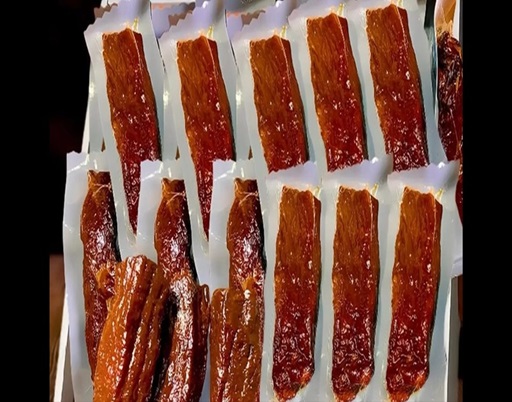
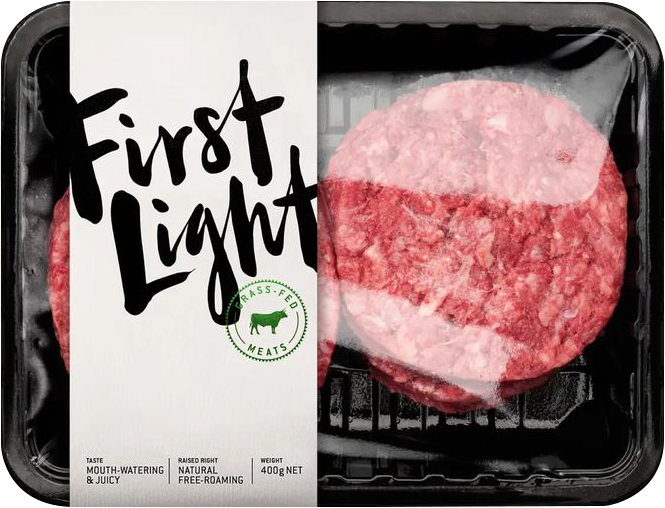

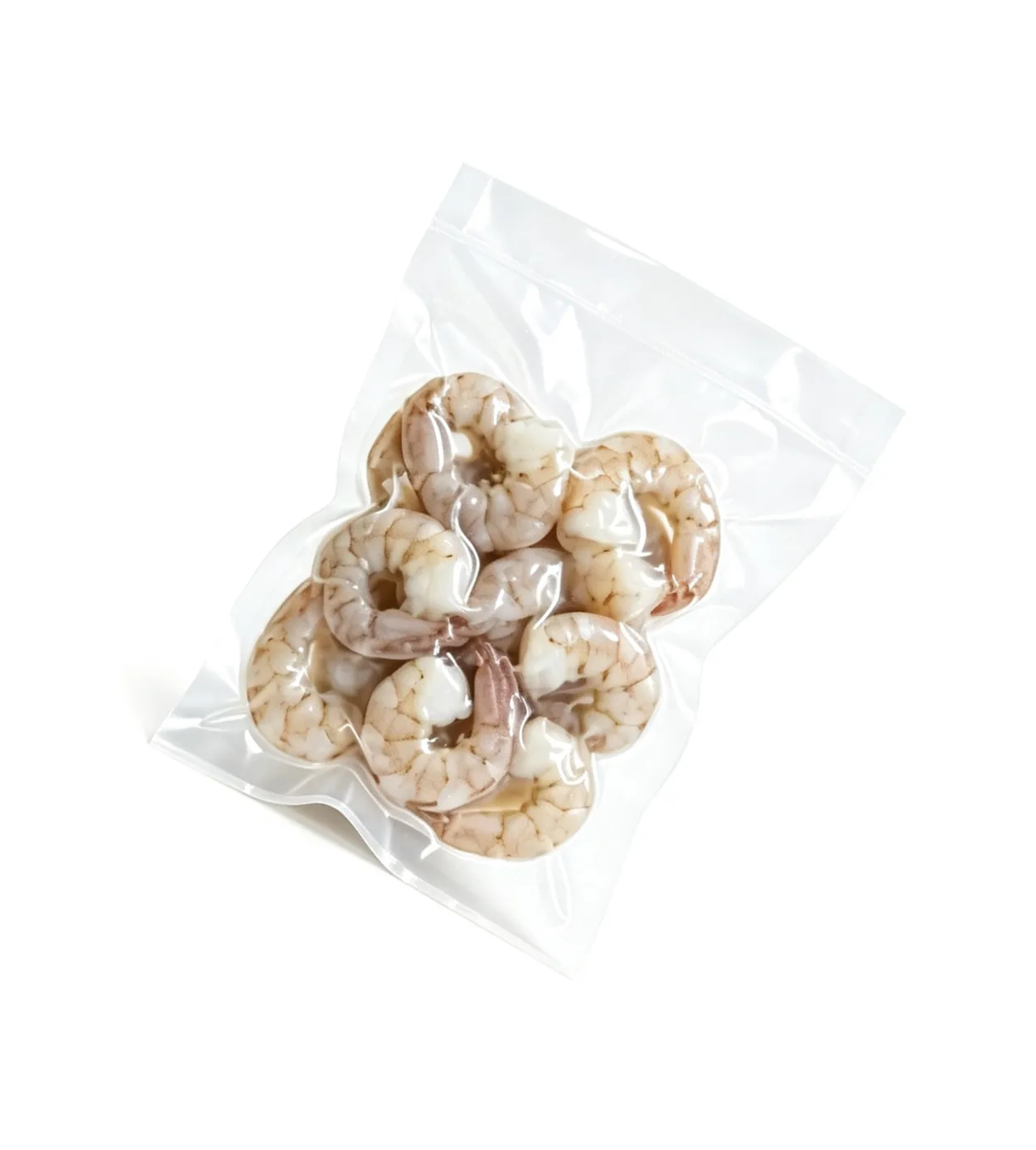
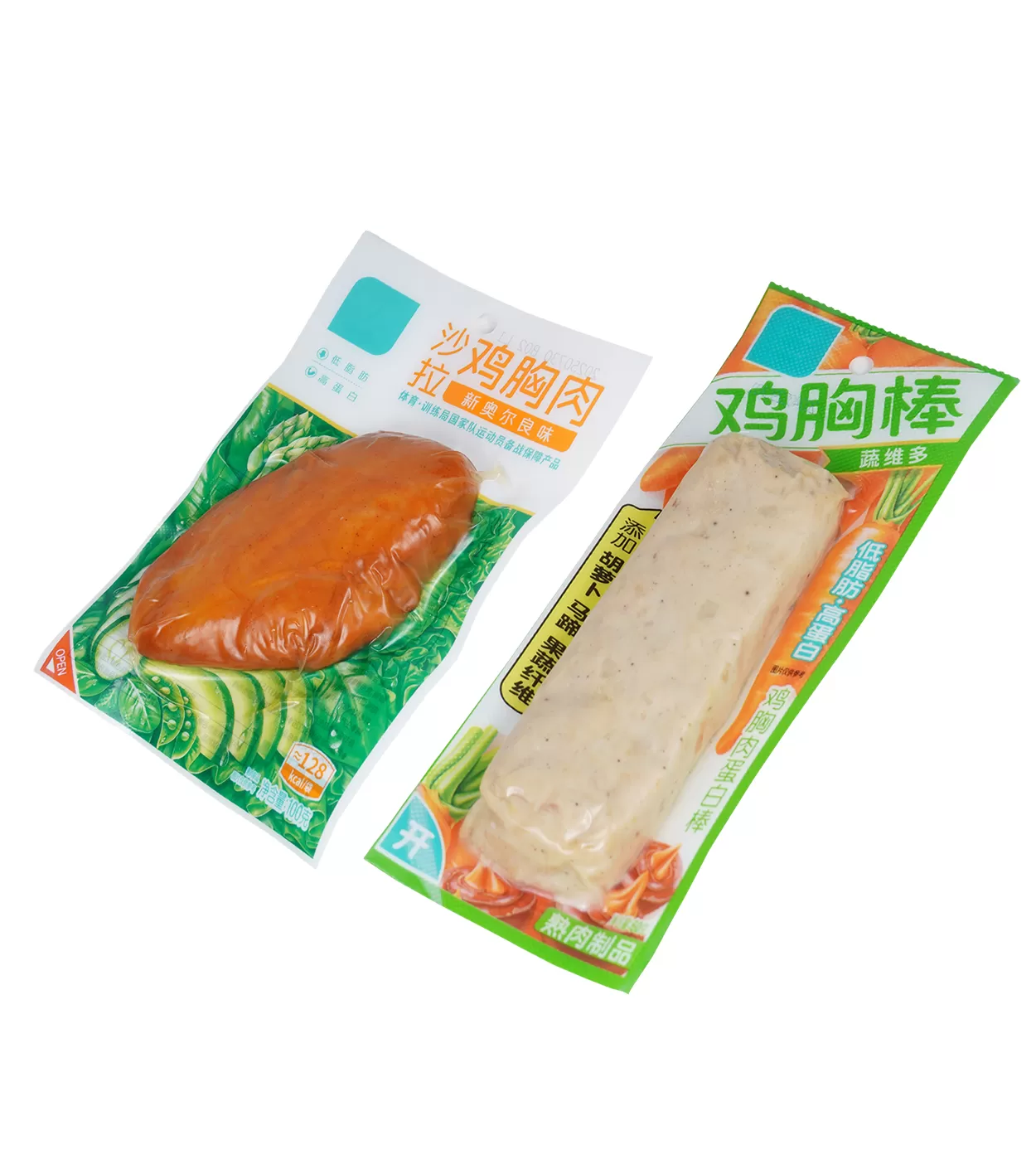
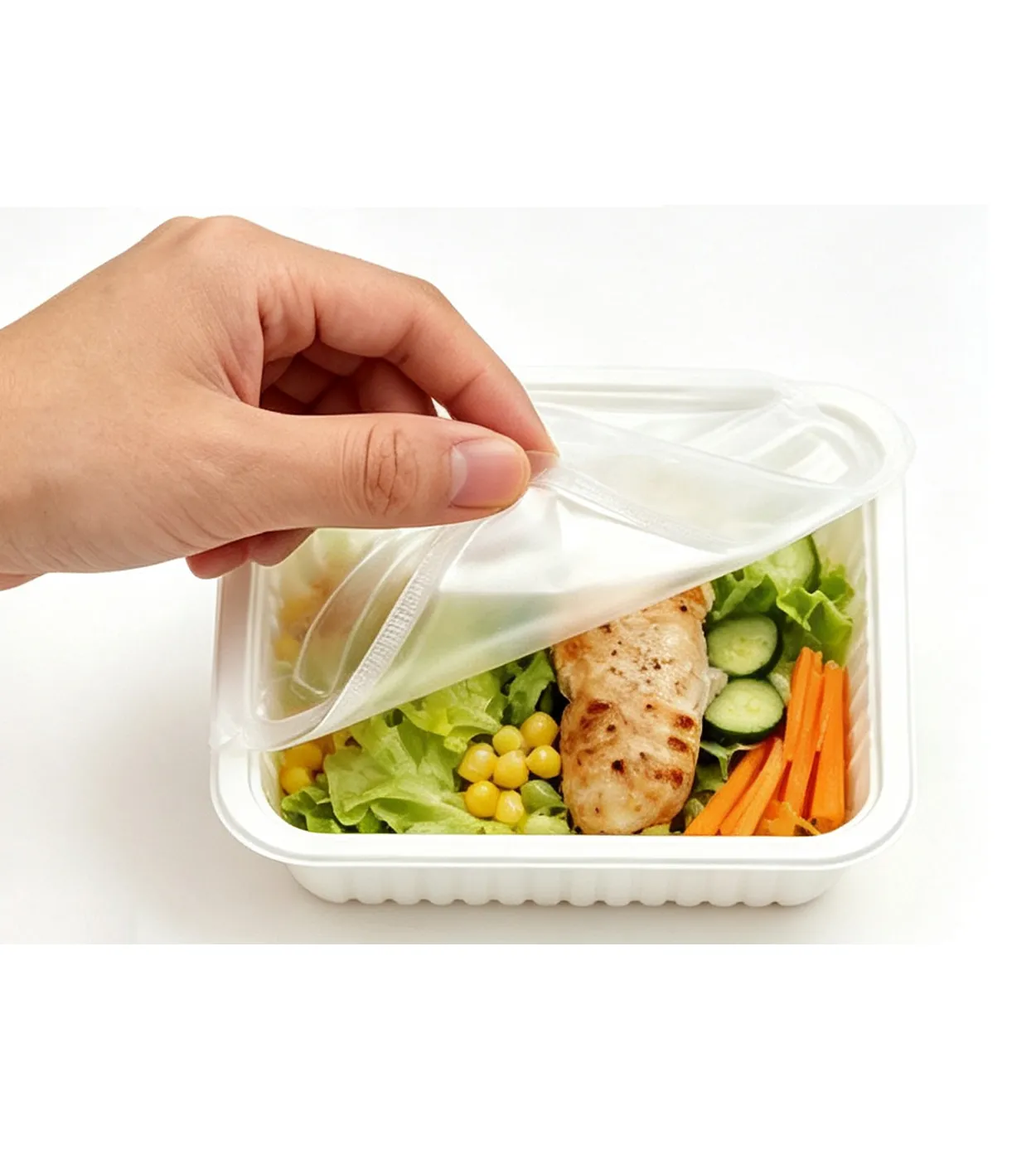
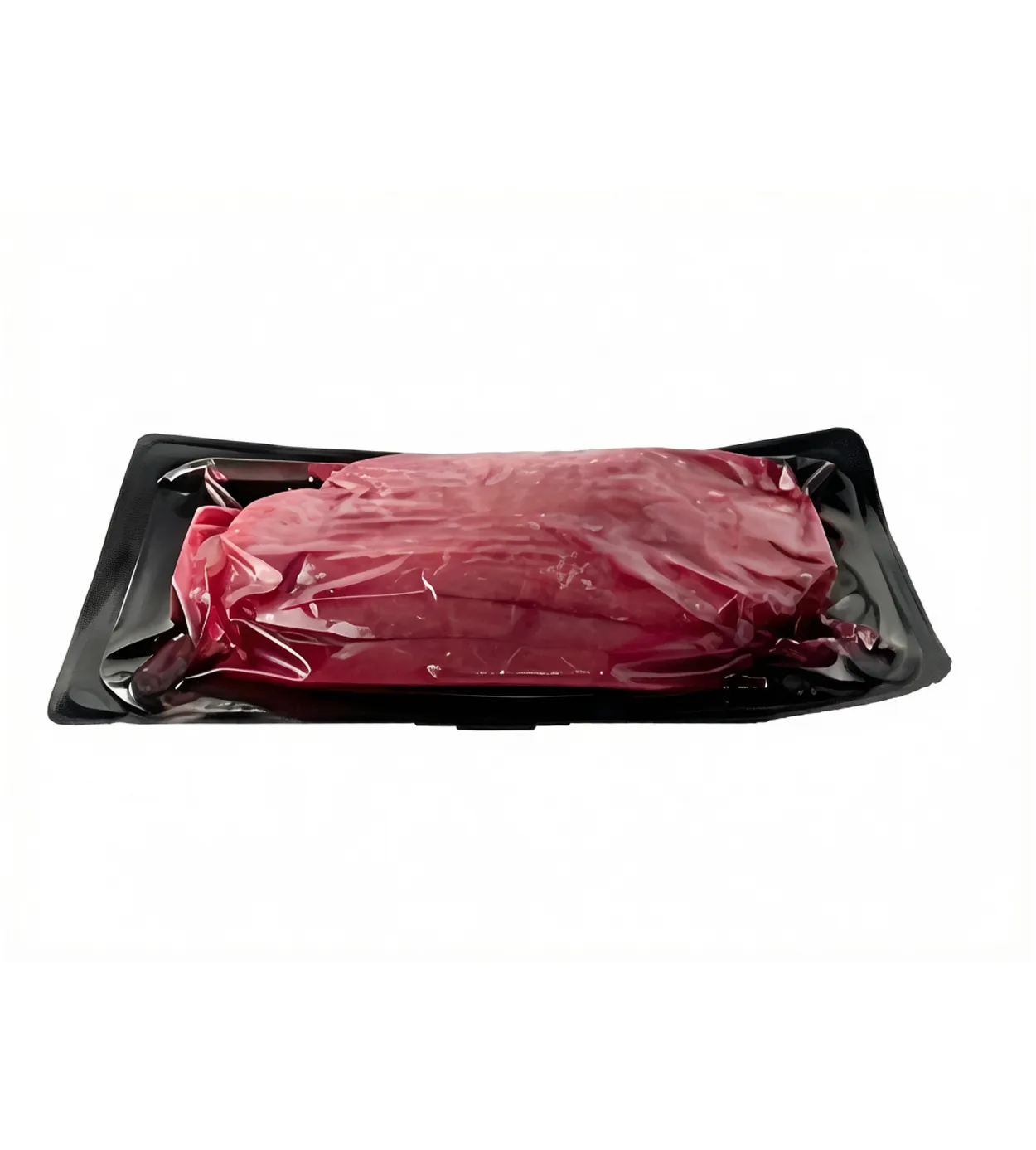
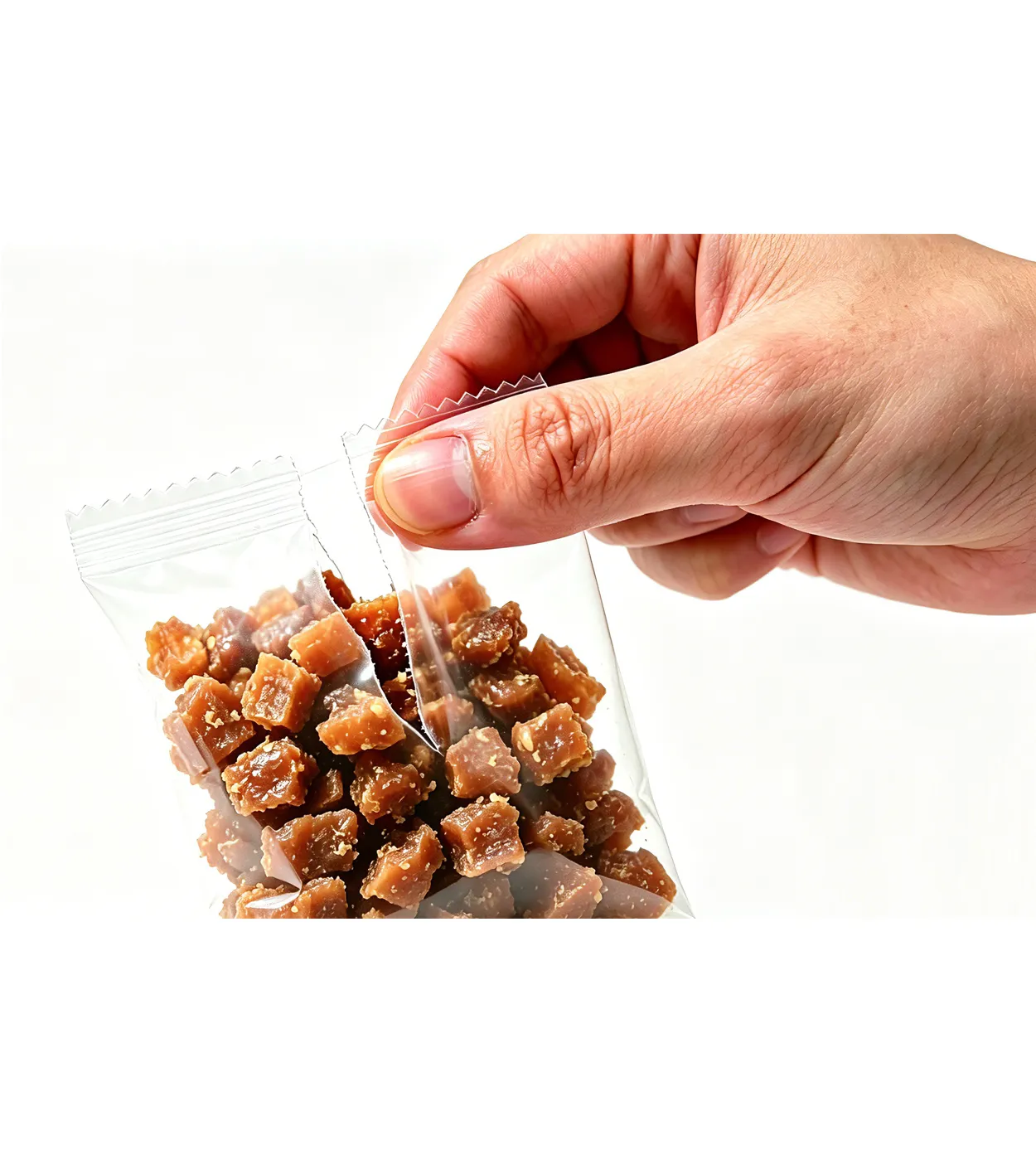
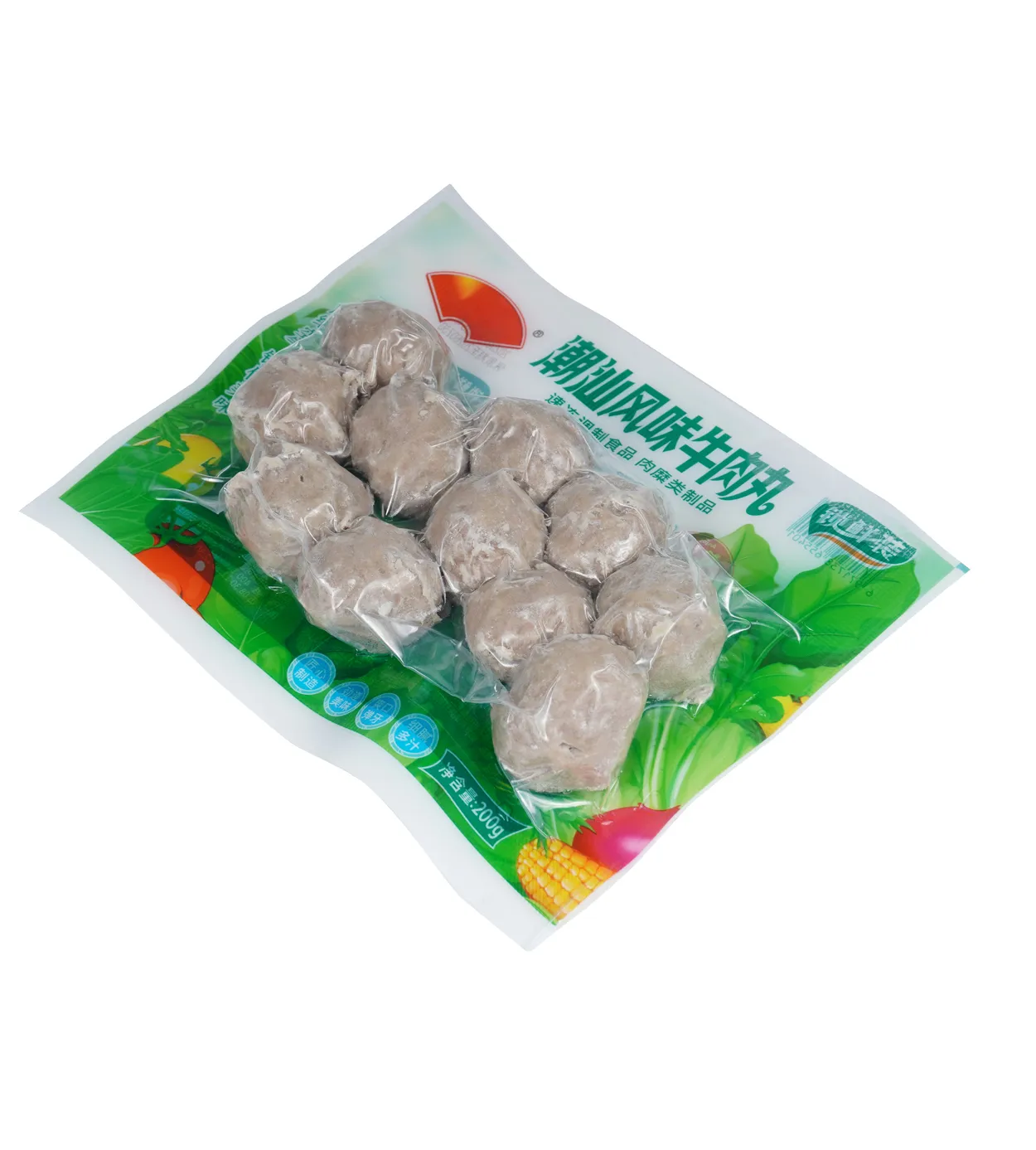
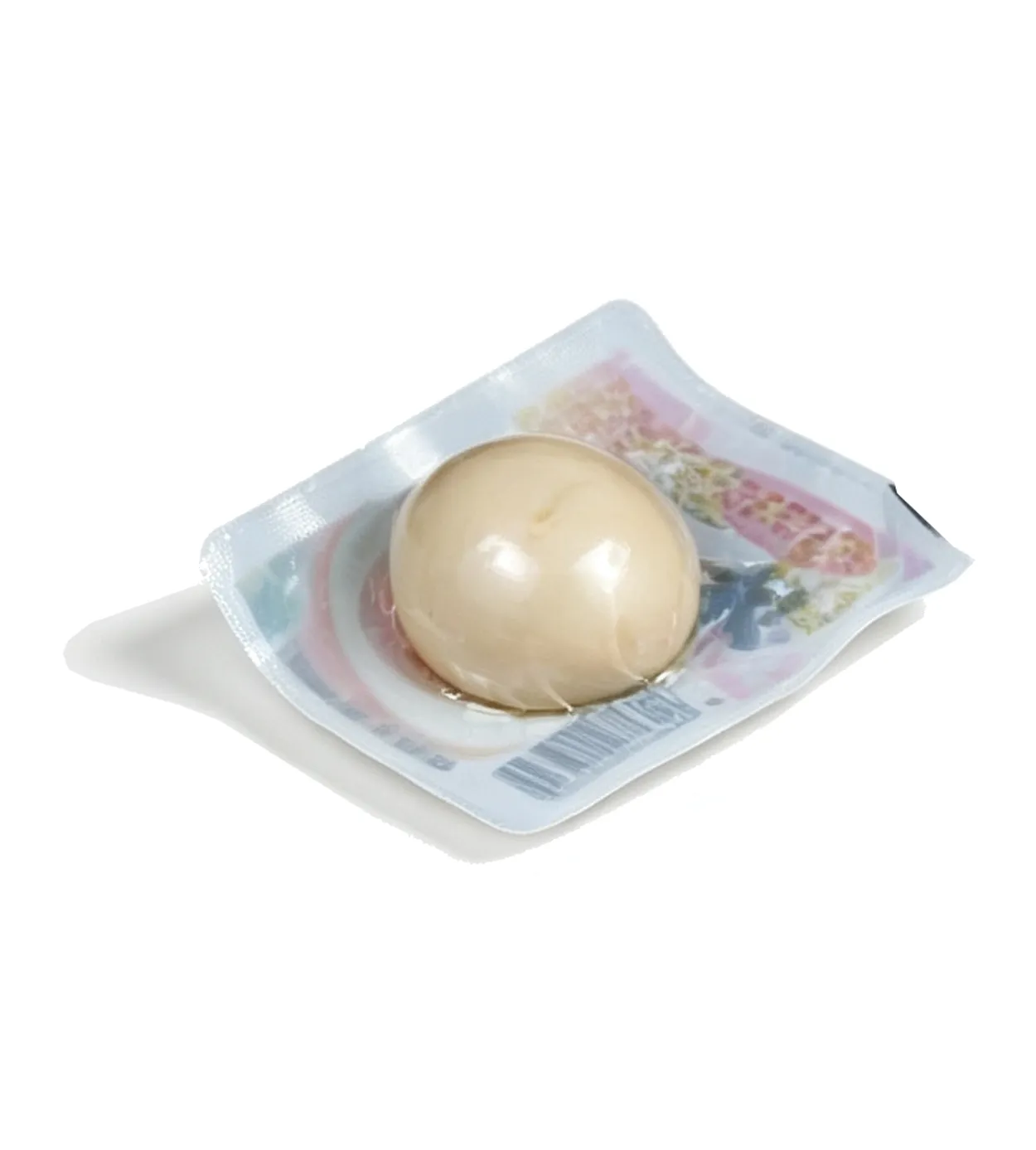
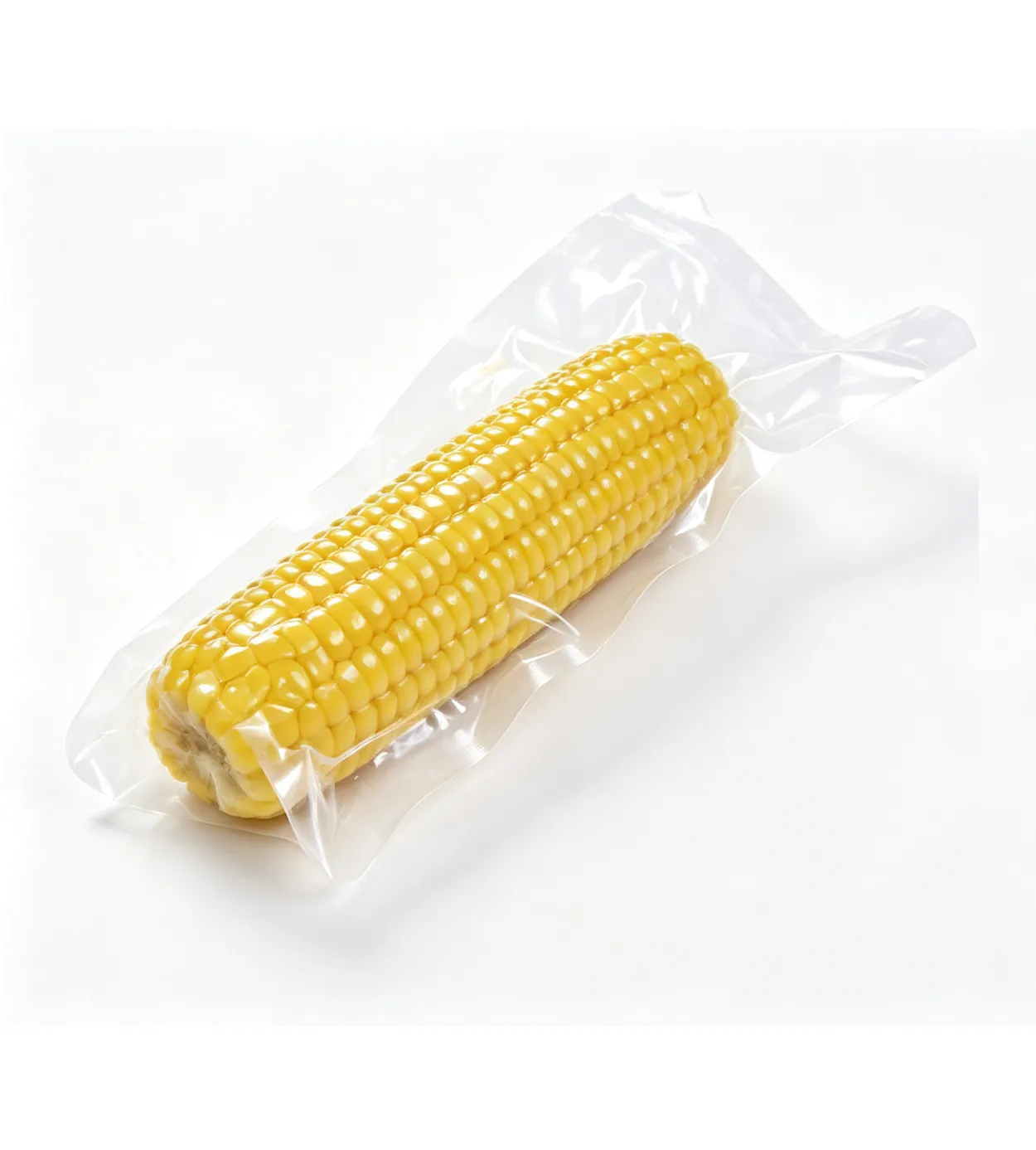
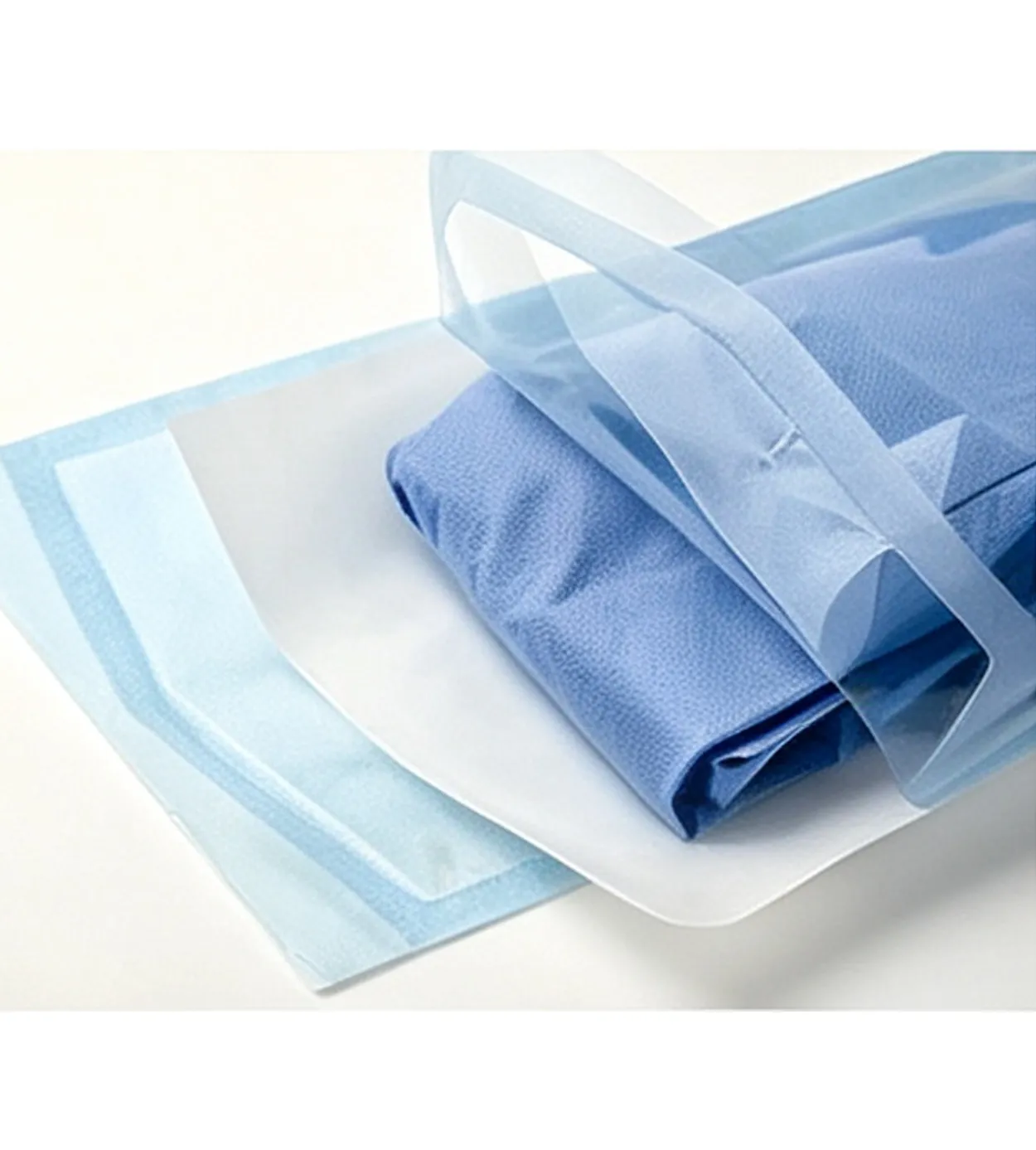
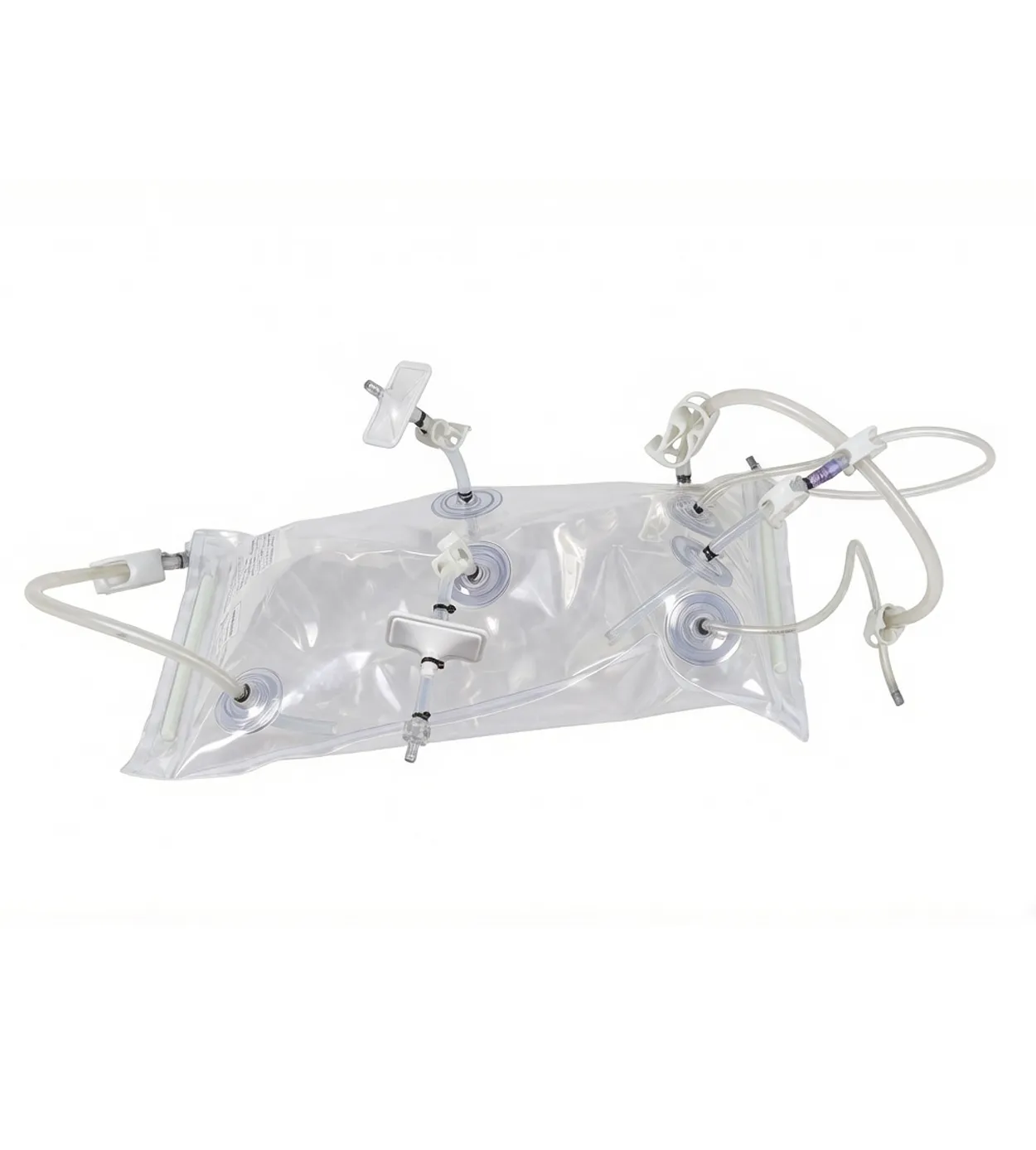
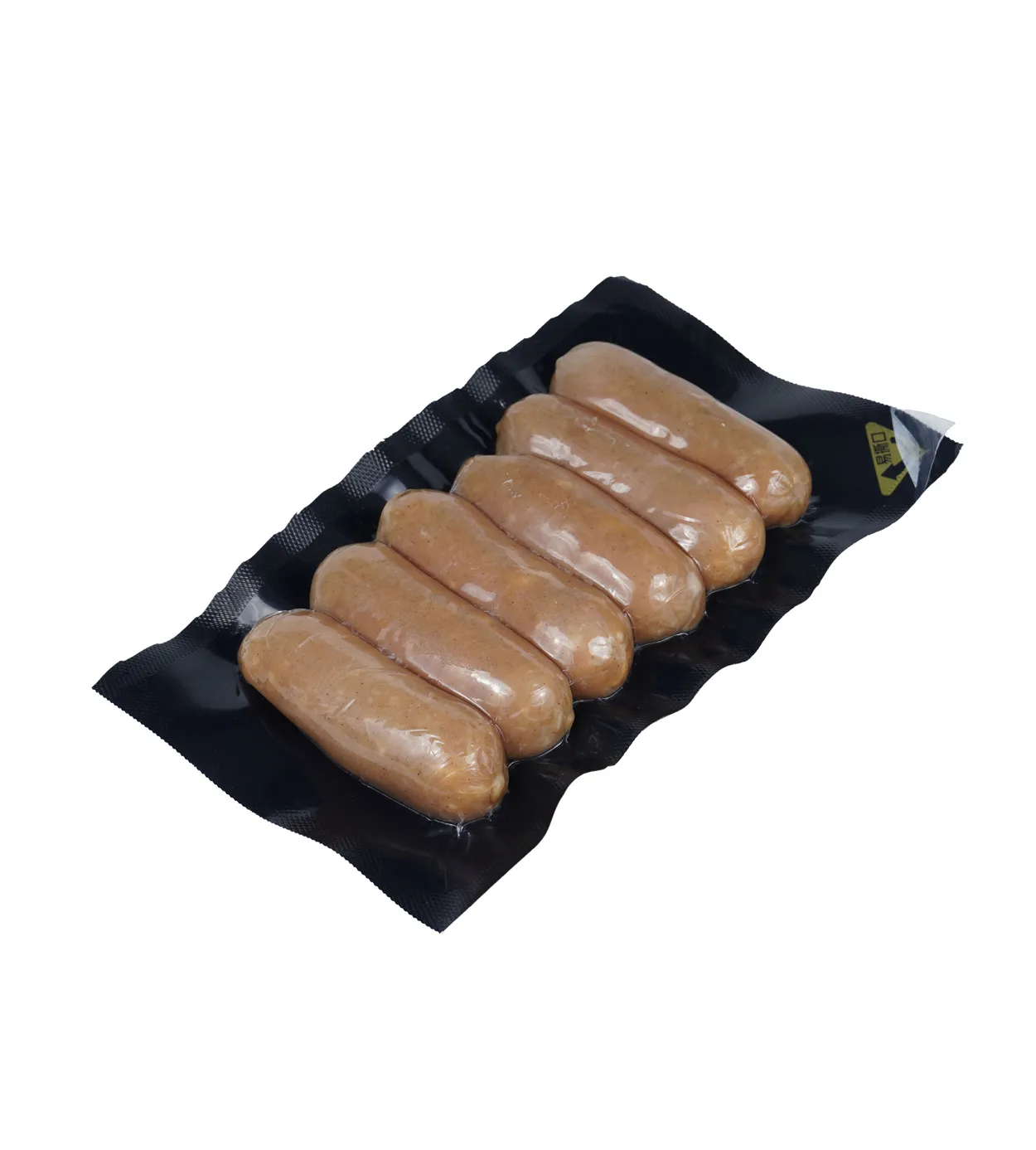
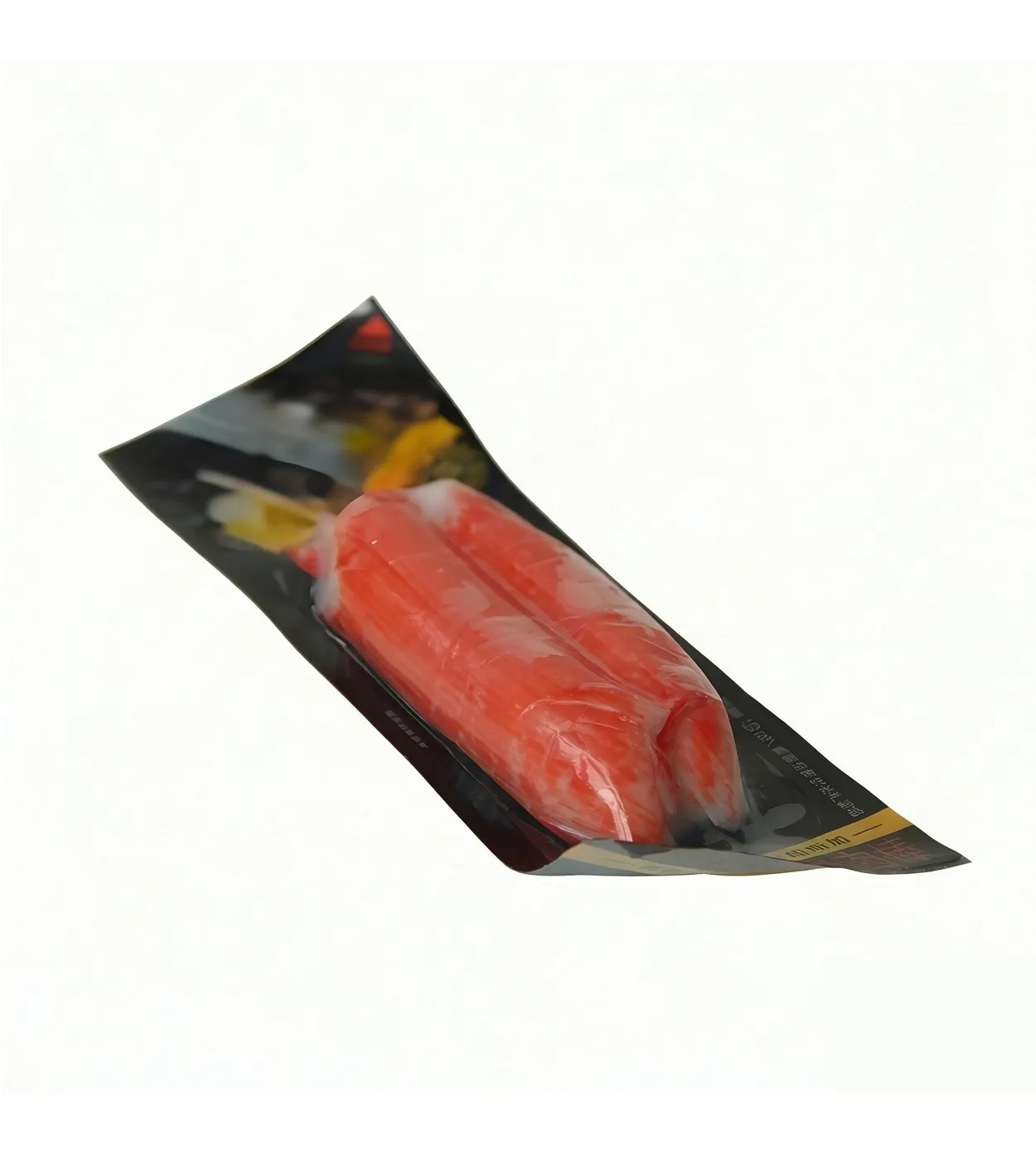
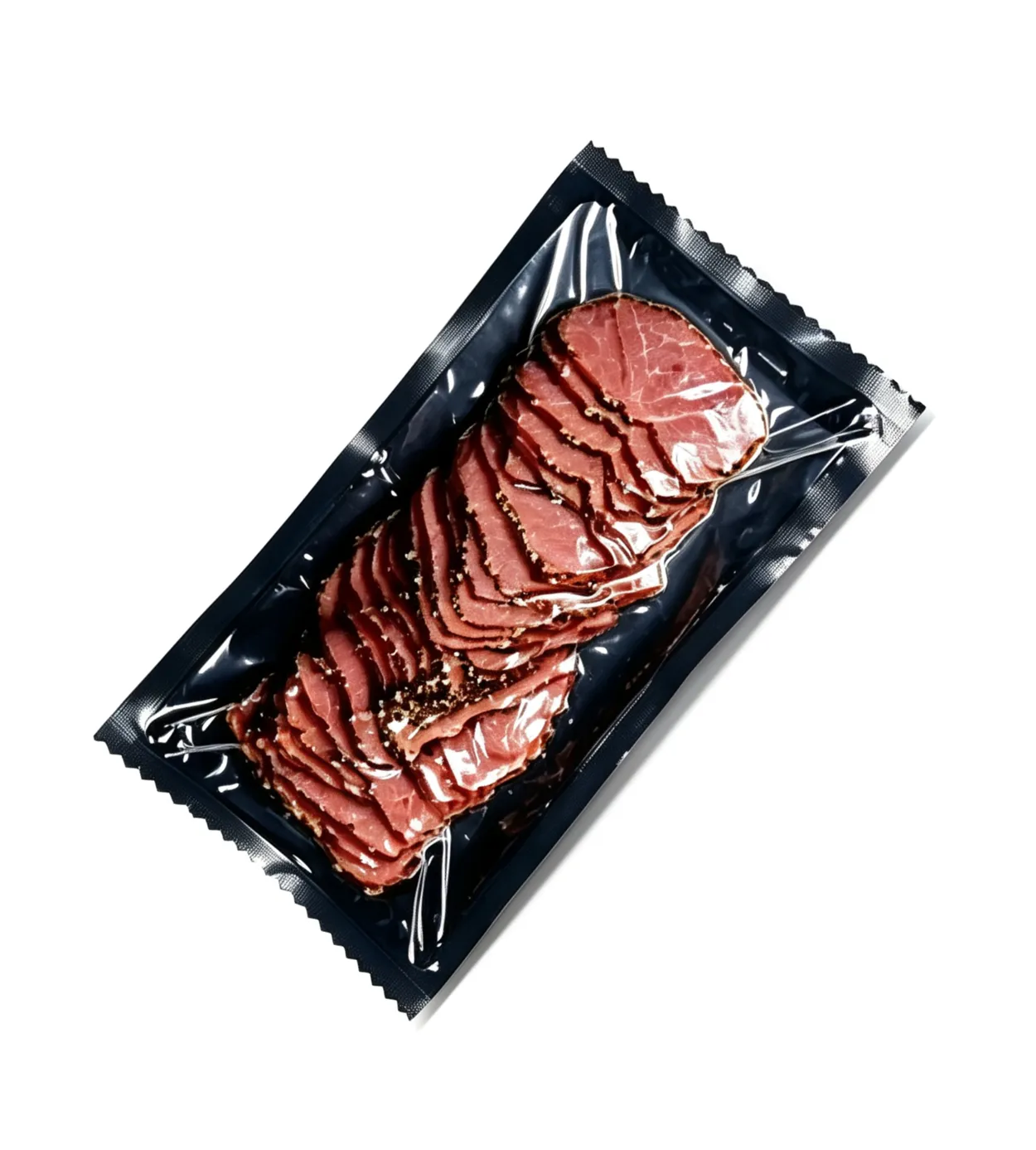
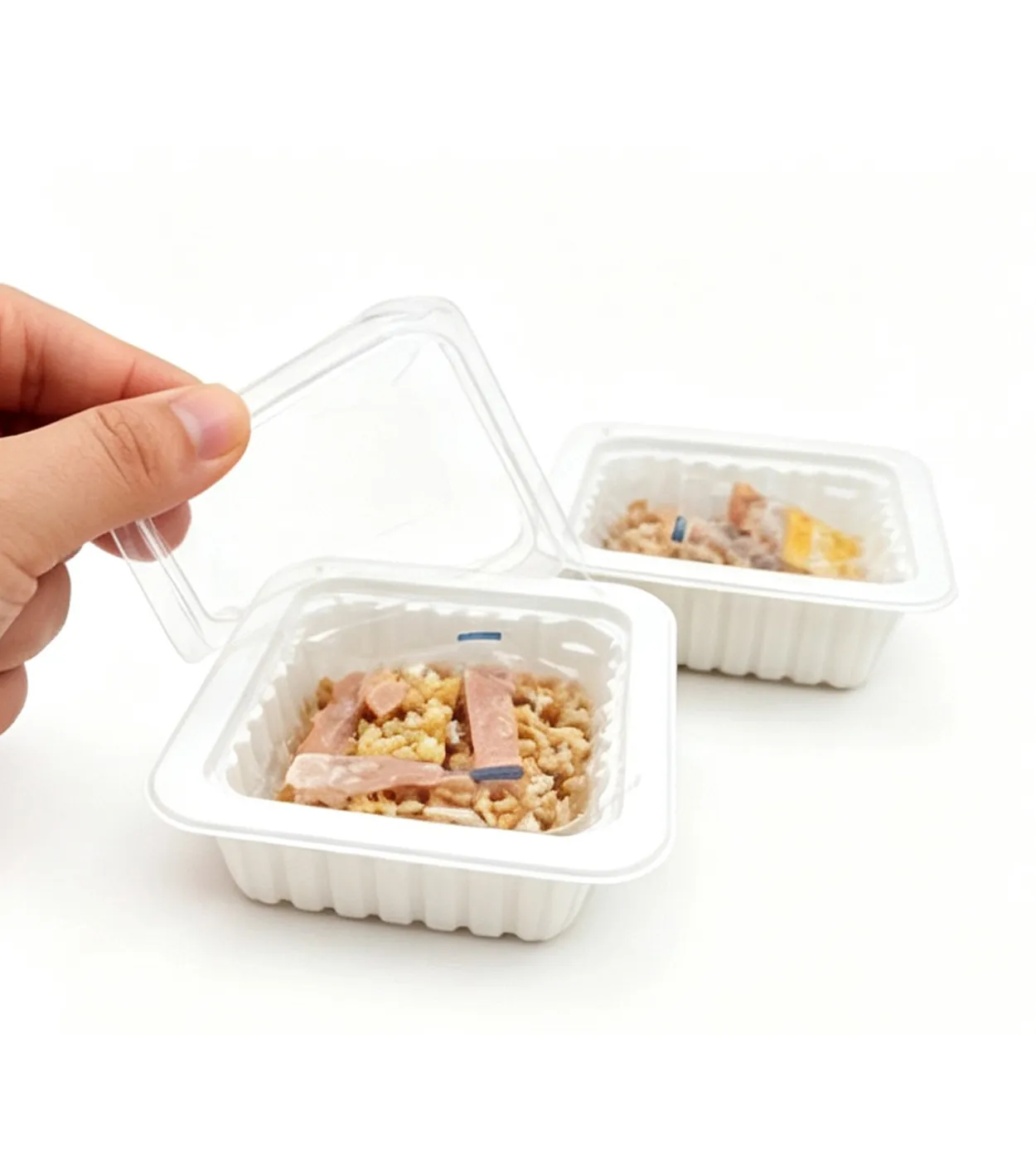
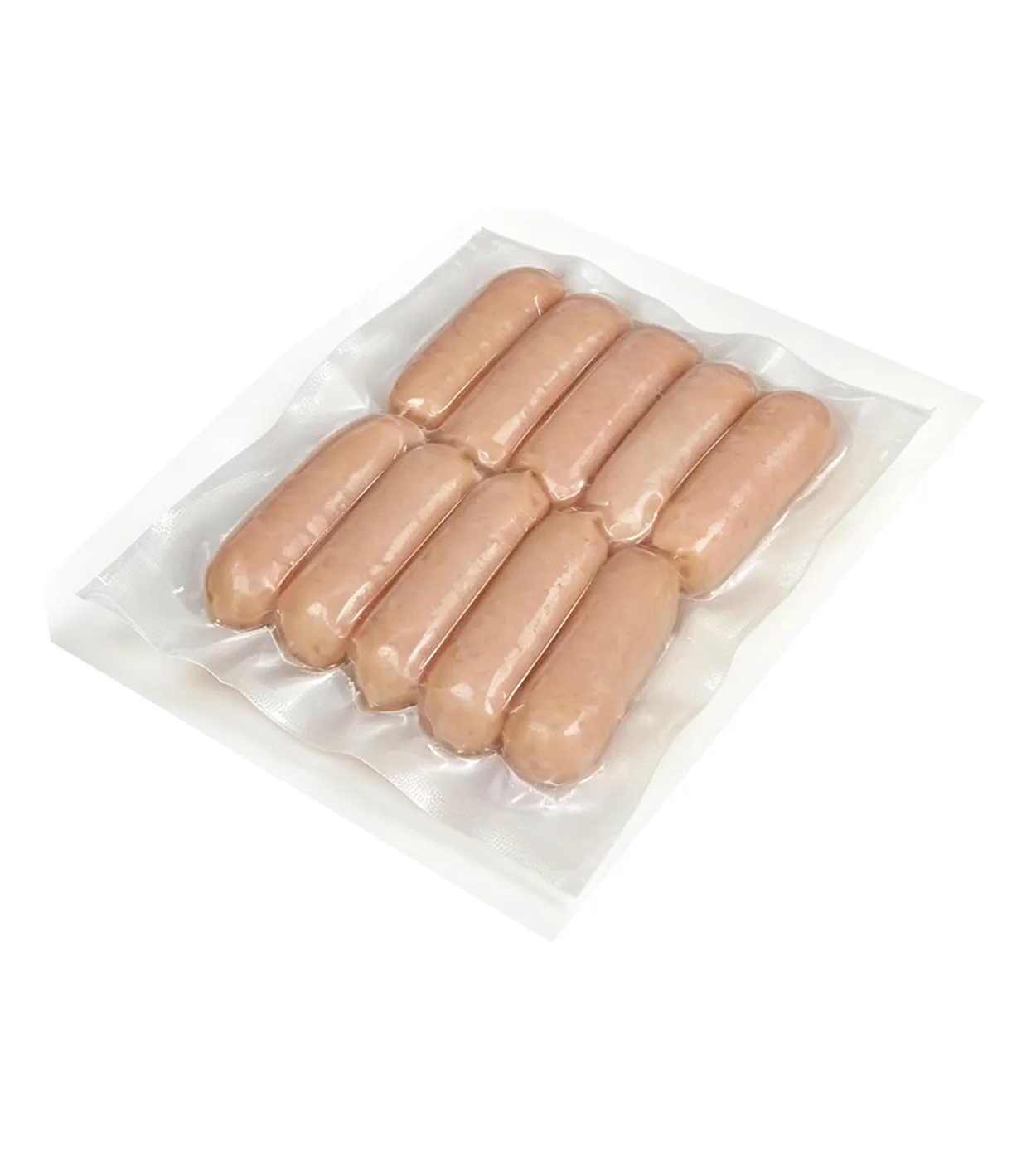
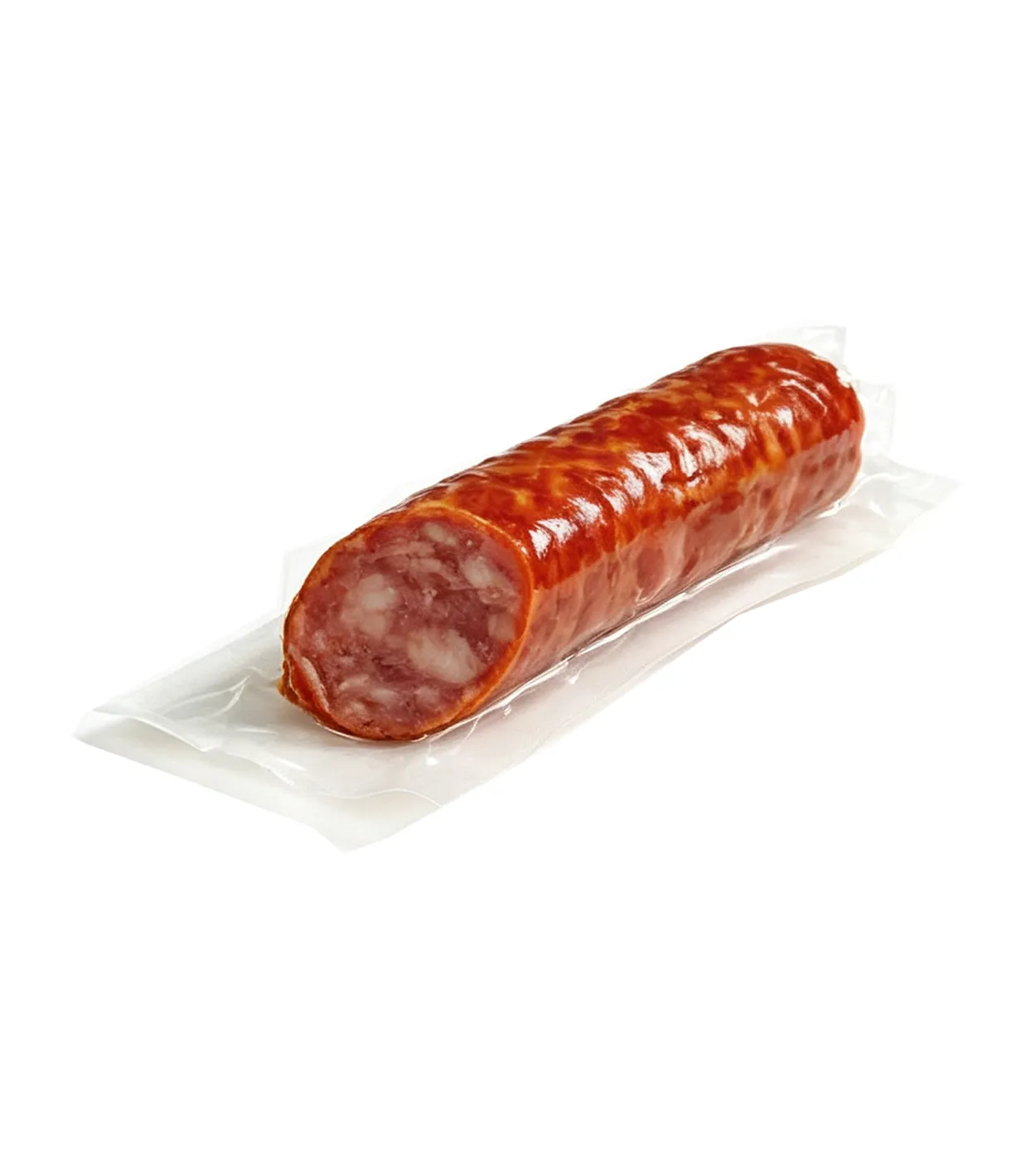
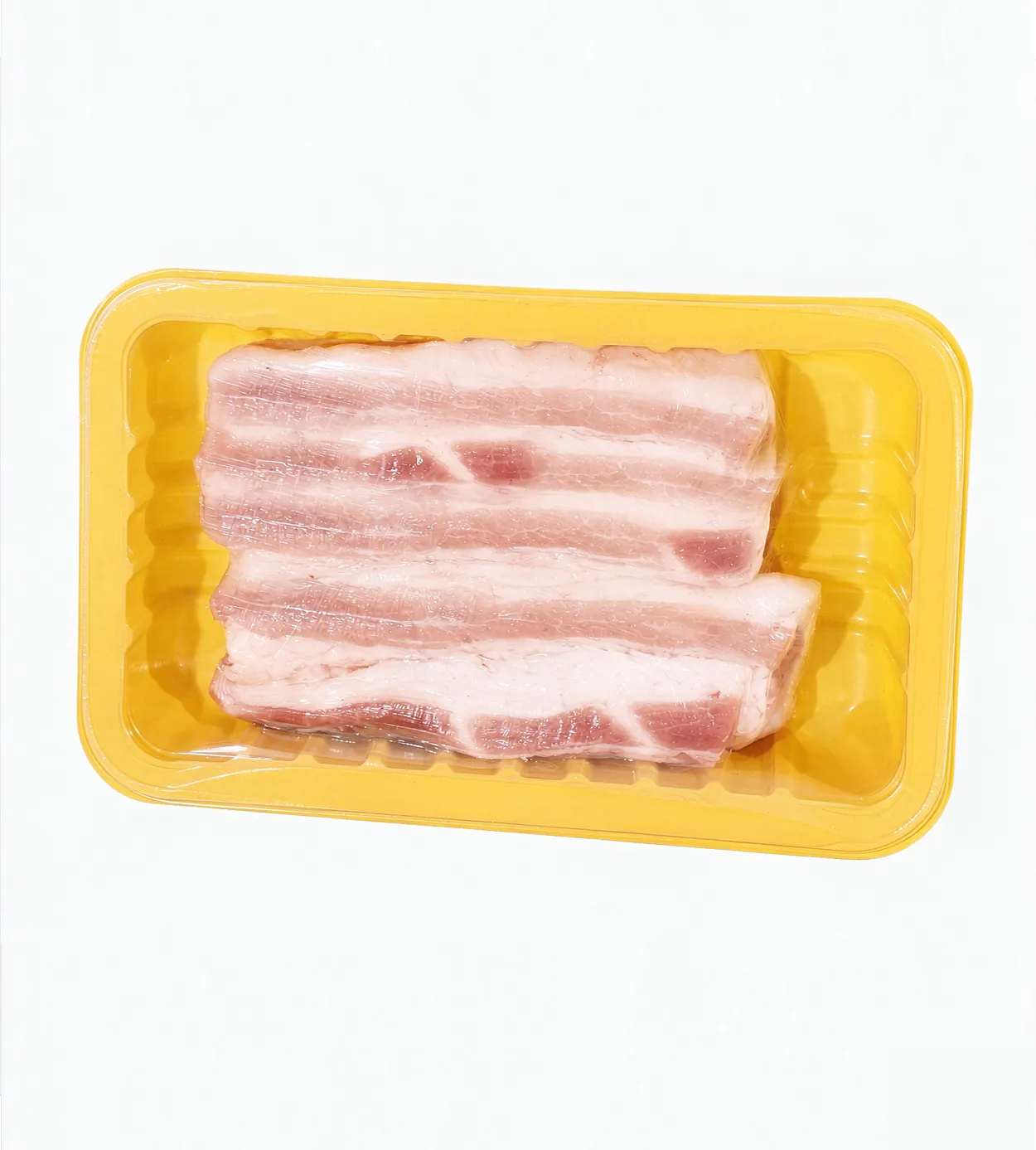
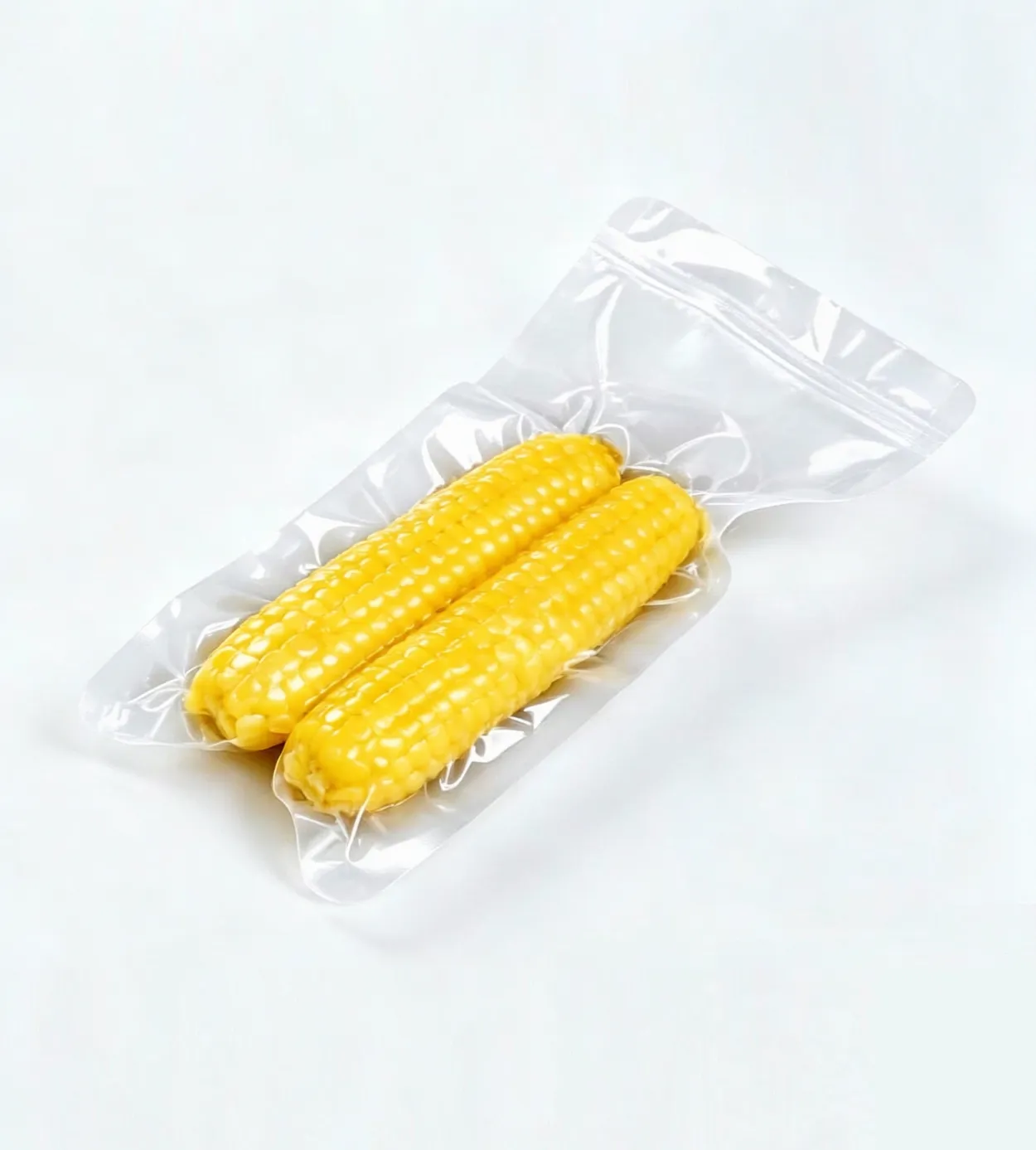
In the rapidly evolving landscape of global supply chains, the ability to preserve product integrity from the factory floor to the consumer's hands is a competitive necessity. Whether it is preventing the oxidation of premium roasted coffee, maintaining the sterility of a medical device, or extending the shelf life of fresh proteins, the solution often lies in a microscopic layer of technology: high barrier films.
Barrier films are highly engineered solutions designed to block external elements such as oxygen, moisture, light, and aromas. By acting as a molecular shield, these films ensure that products remain factory fresh for weeks or even months longer than traditional packaging would allow.
The performance of a high barrier film is generally measured by two critical metrics: Oxygen Transmission Rate (OTR) and Water Vapor Transmission Rate (WVTR).
Oxygen is the primary enemy of food freshness, leading to lipid oxidation, color changes, and the growth of aerobic bacteria. Conversely, moisture control is vital for dry goods like crackers to prevent sogginess or powdered chemicals to prevent clumping. High-performance films use specialized polymers to minimize these transmission rates to near-zero levels.
For many manufacturers, the challenge is finding a film that offers these technical protections without sacrificing clarity or ease of processing. This is where specialized production methods, such as cast film extrusion, become essential.
While many barrier films are produced using blown film technology, cast film extrusion offers distinct advantages in terms of gauge uniformity and optical clarity. Companies like GroupSmart have mastered this niche, providing industry-leading solutions for demanding applications.
GroupSmart’s high barrier cast film is engineered through advanced multi-layer co-extrusion. By layering materials like EVOH (Ethylene Vinyl Alcohol) or PA (Polyamide/Nylon) with polyolefins, a structure is created that is both physically robust and chemically impermeable. The cast process ensures that the film has a flatter profile and superior transparency, which is critical for retail applications where the consumer needs to see the quality of the product inside.
The application of high barrier technology is most visible in the food industry. The use of high barrier films is a primary driver in reducing global food waste. By creating a modified atmosphere inside the package (MAP), high barrier film packaging allows fresh produce and meats to survive long-distance transport without the need for excessive preservatives.
Beyond food, high barrier laminations are critical in the industrial and medical sectors. Certain products, such as harsh chemicals, medical reagents, or nutraceuticals, require specialized laminations that include foil or high-barrier transparent layers to prevent the migration of volatile compounds. These complex structures are often composed of:
An Outer Layer: Usually PET or BOPP for heat resistance and printability.
The Barrier Layer: EVOH, Aluminum Foil, or Nylon to block gases.
The Sealant Layer: PE (Polyethylene) or PP (Polypropylene) to provide a hermetic, leak-proof seal.
One often overlooked benefit of high barrier technology is aroma management. A high-quality barrier film does not just keep oxygen out; it keeps the product’s essential oils and fragrances in. For products like spices, tobacco, or scented detergents, the loss of aroma is a loss of brand value. High barrier films prevent these volatile organic compounds (VOCs) from escaping through the plastic, ensuring that the consumer experiences the full potency of the product upon opening. Similarly, it prevents "flavor scalping," where the plastic packaging itself absorbs the flavor of the food, leaving it bland.
High barrier films are the invisible backbone of modern consumption. They enable the global distribution of food, protect the integrity of life-saving medicines, and reduce the environmental impact of waste by extending product shelf life.
Choosing the right barrier material requires a deep understanding of the product’s chemistry and the rigors of the supply chain. With the precision offered by GroupSmart’s high barrier cast film and the engineering insights provided by leaders in flexible packaging, brands can ensure their products reach consumers exactly as intended. As material science continues to advance, these films will only become thinner, stronger, and more sustainable, continuing to redefine the possibilities of modern packaging.