English
  日本語
日本語  한국어
한국어  français
  Deutsch
  Español
  italiano
  русский
  português
  العربية
  Indonesia
  tiếng việt
  हिंदी
हिंदी  Türkçe
Related GroupSmart News
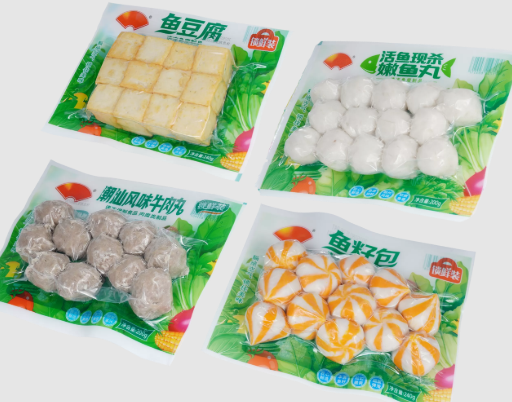

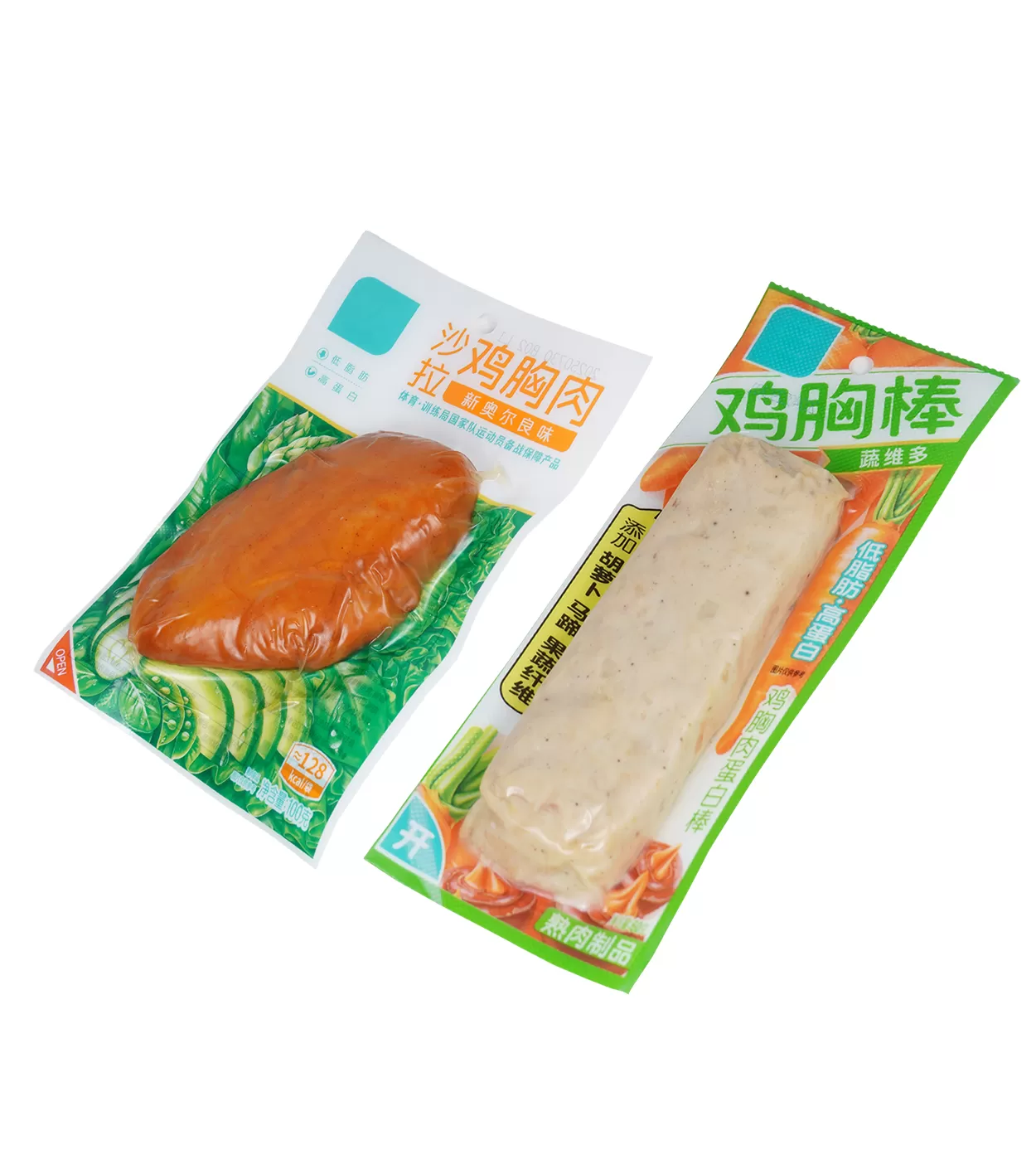
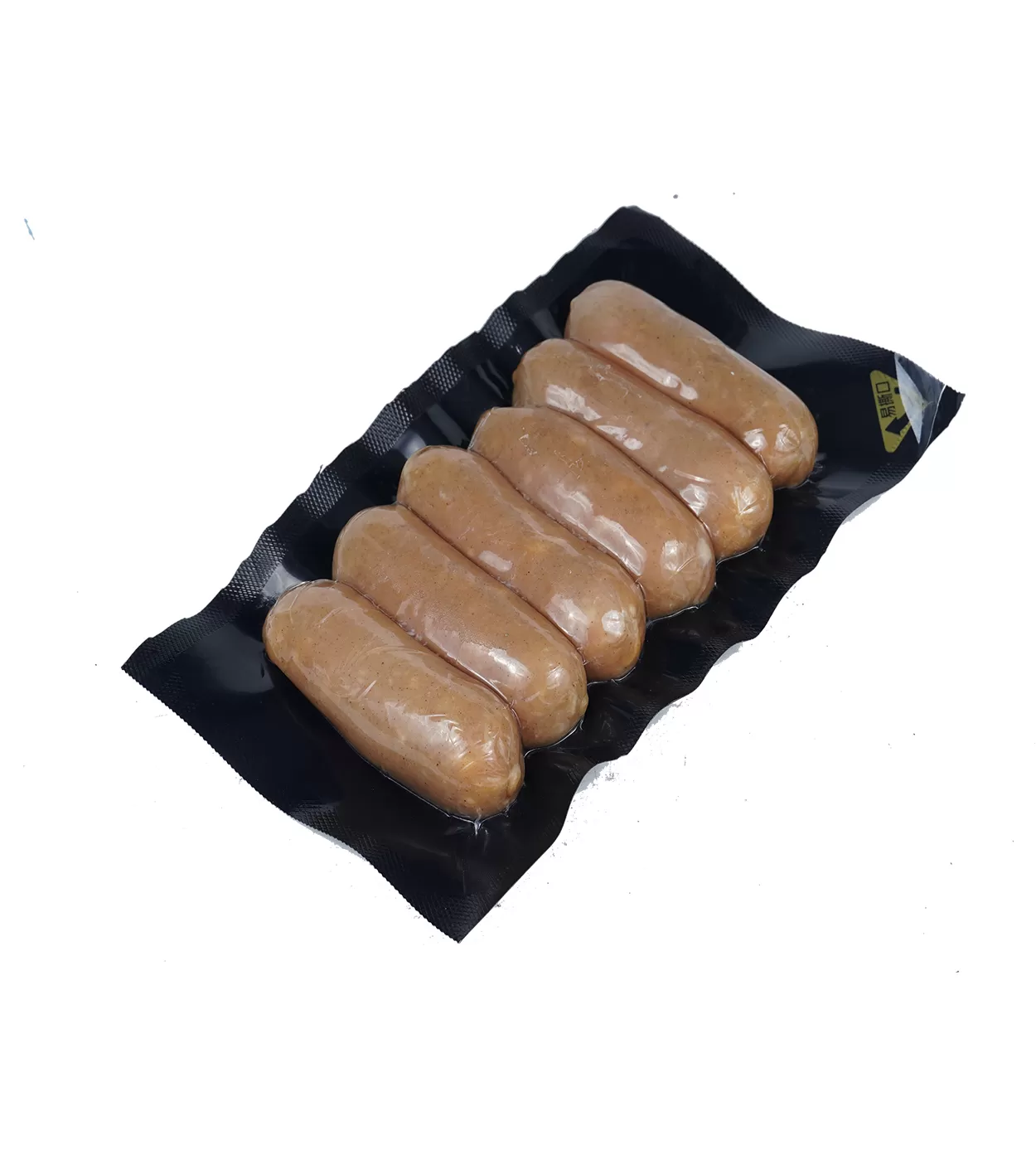
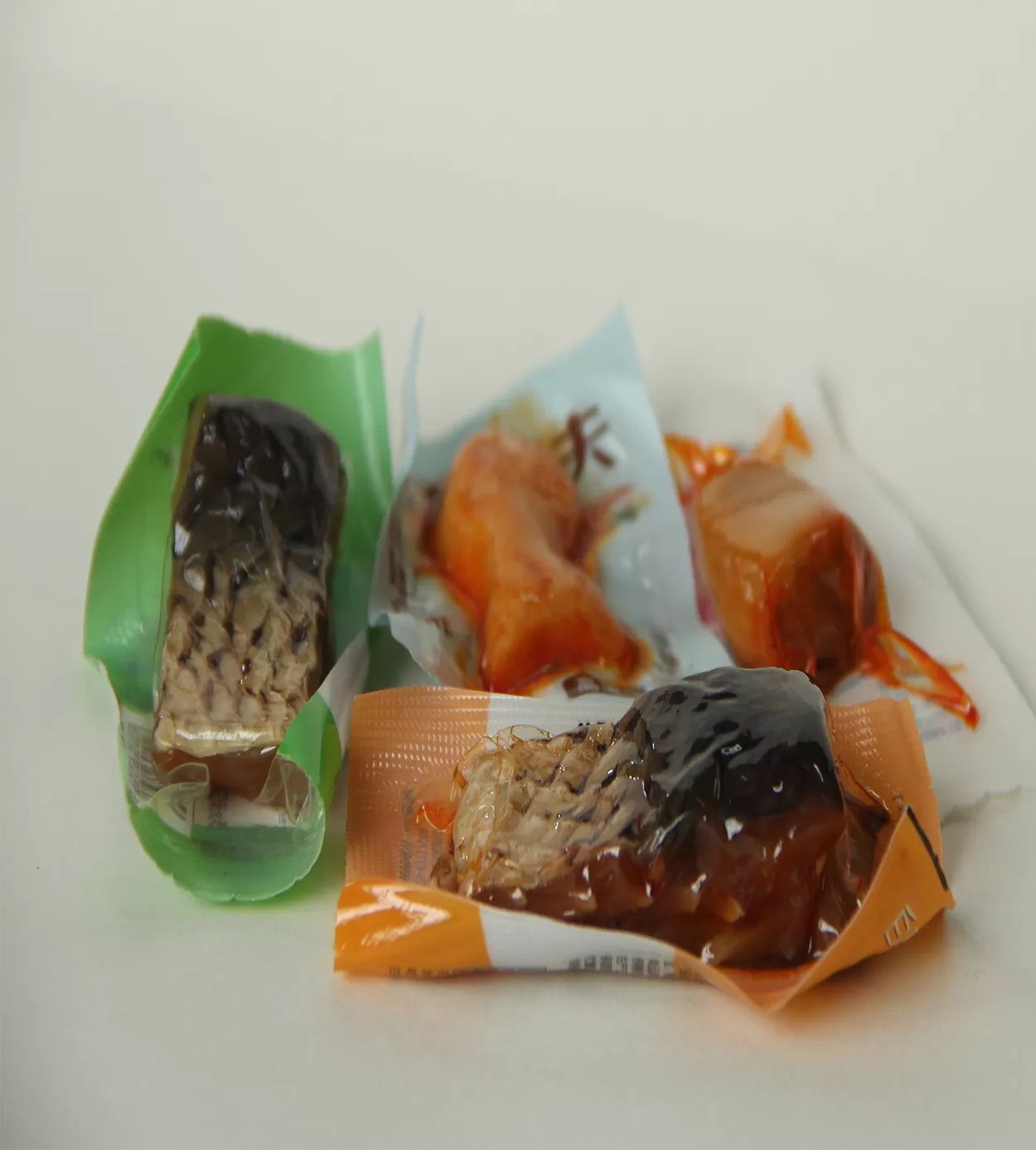
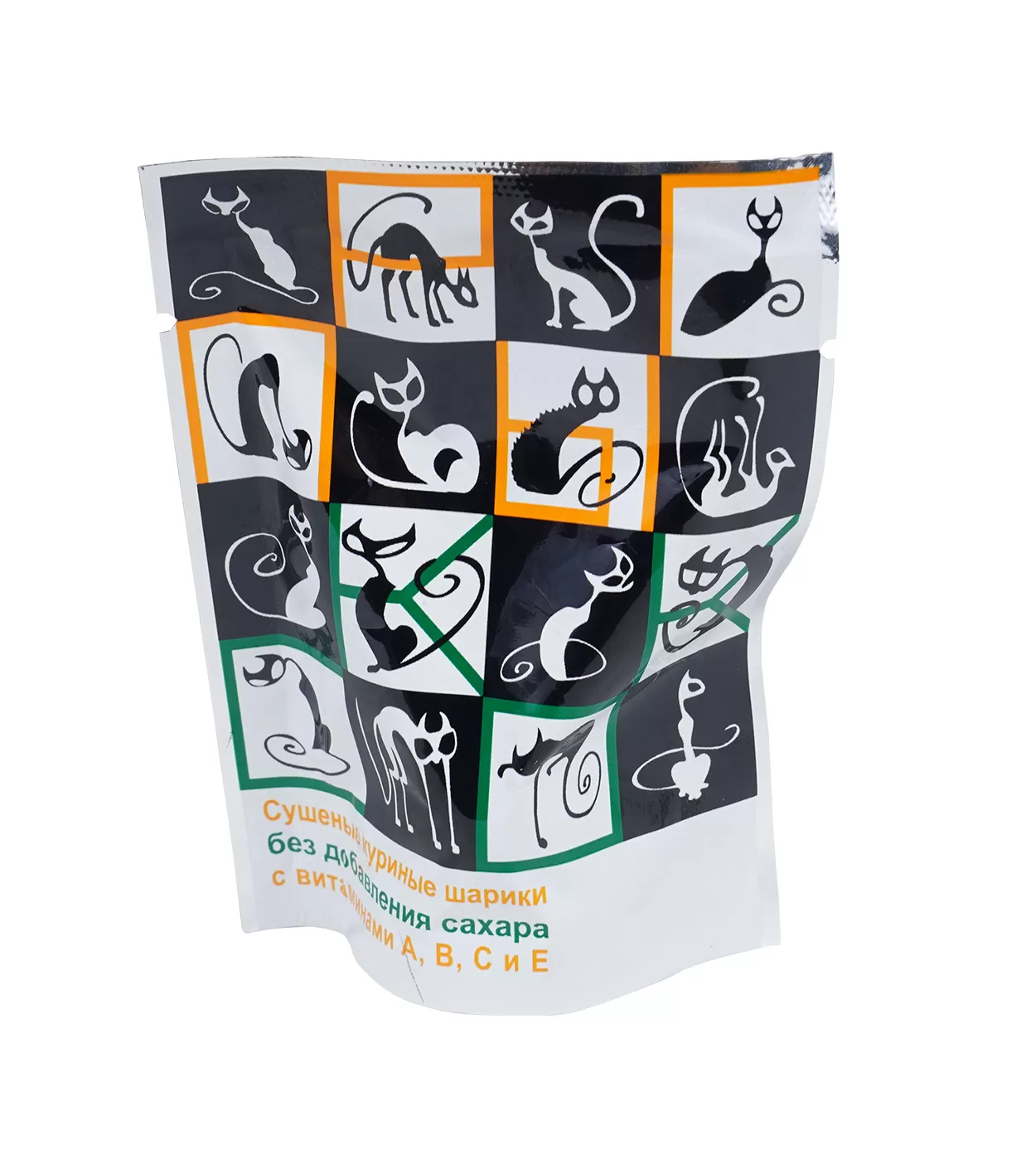
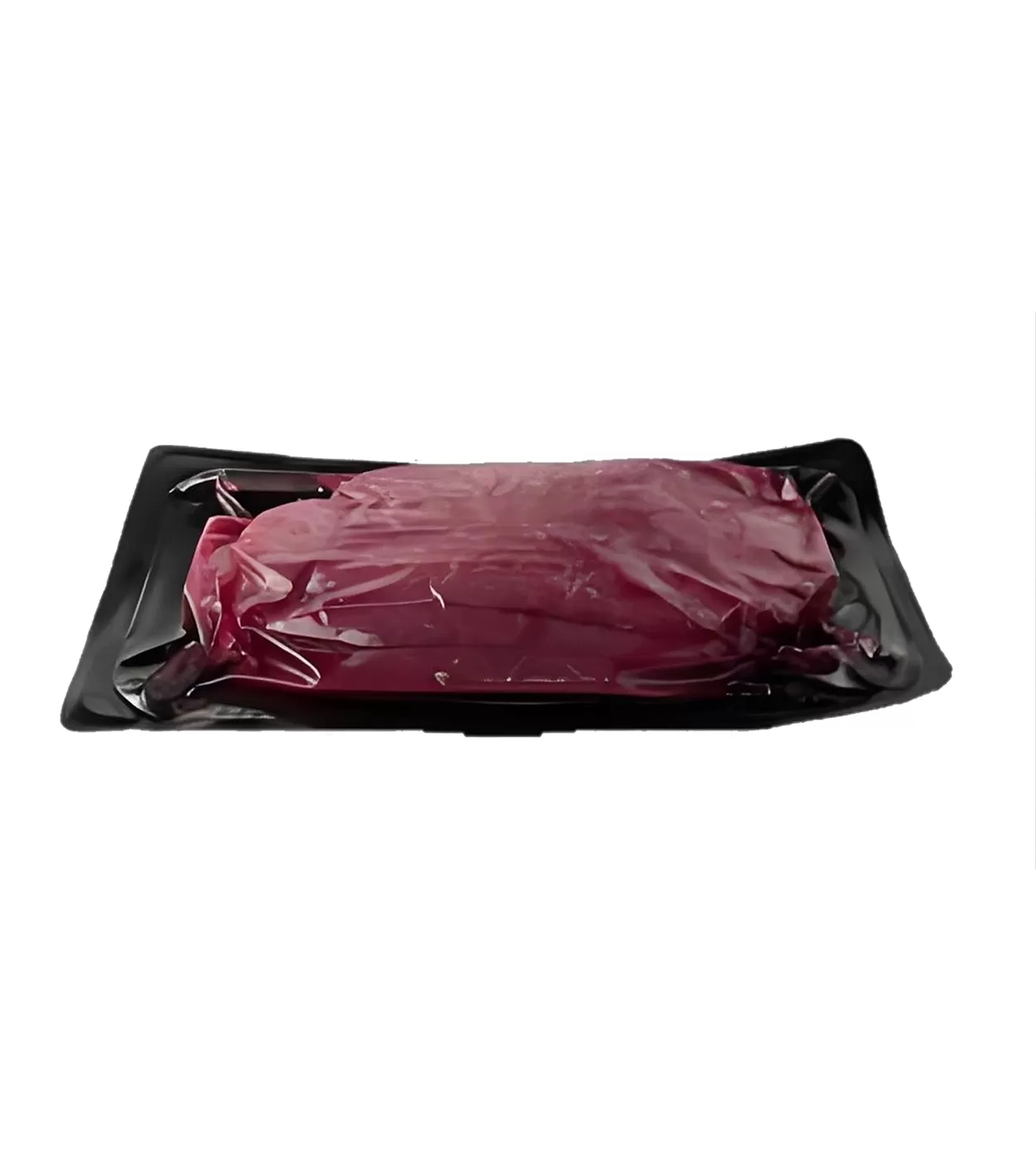
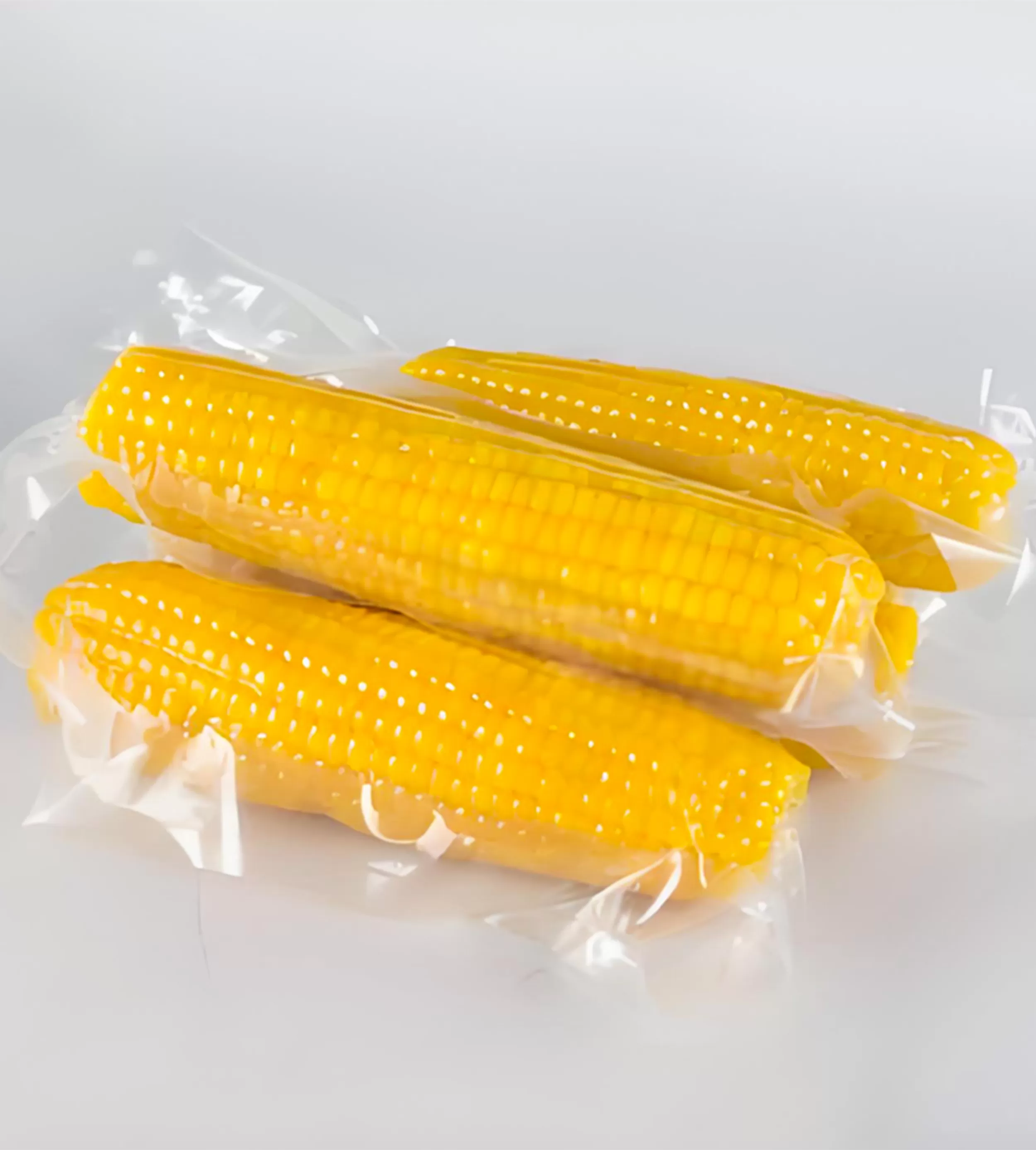
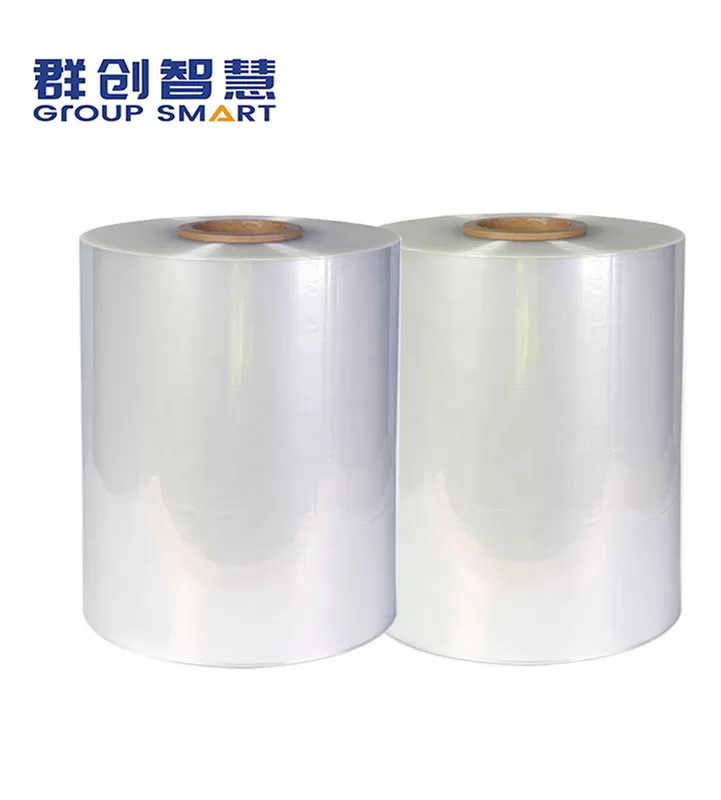
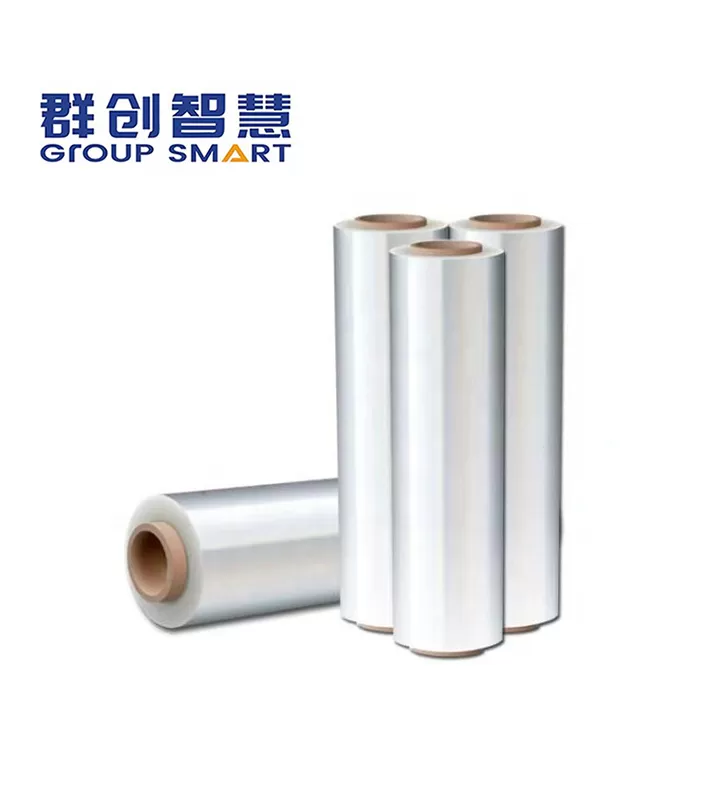
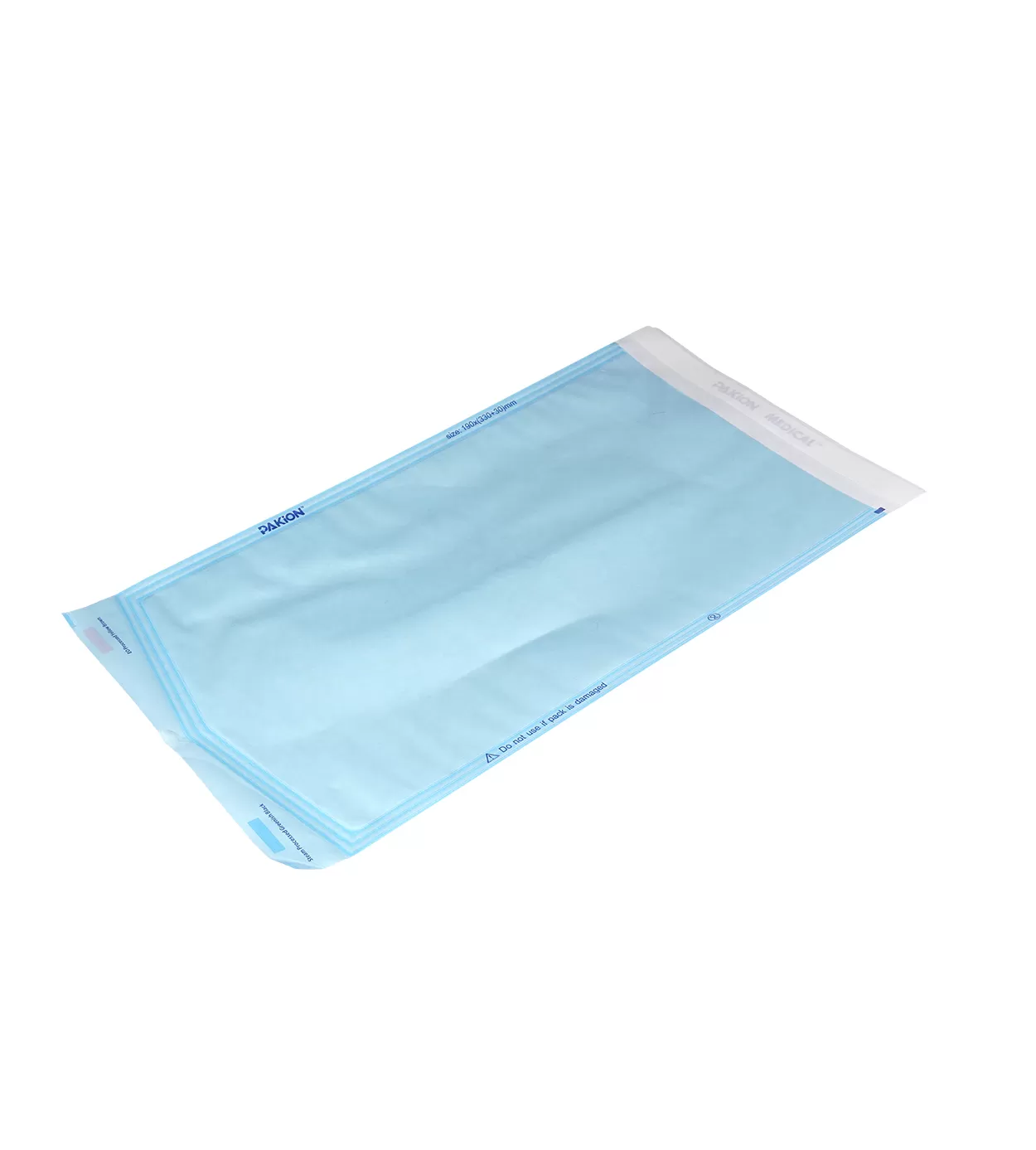
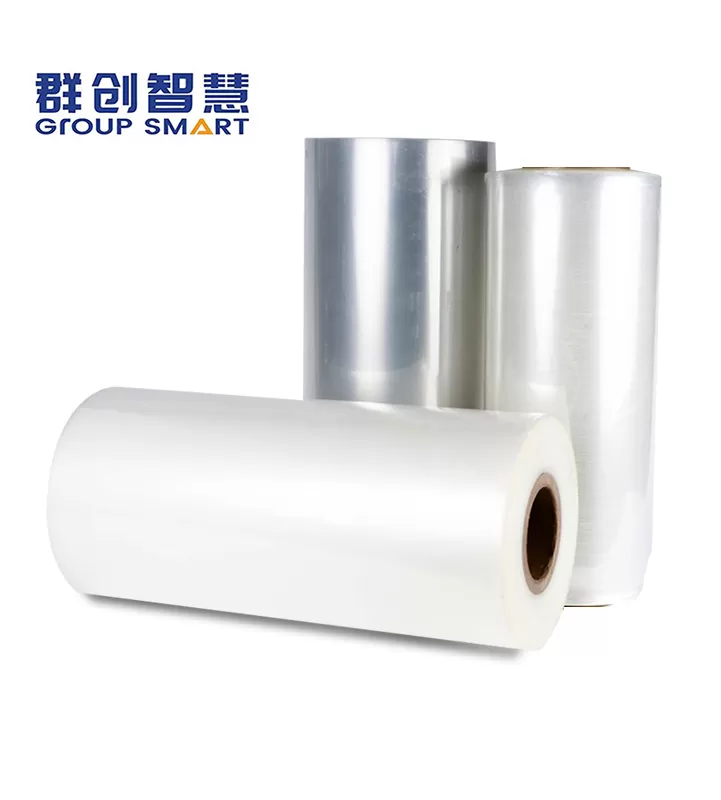
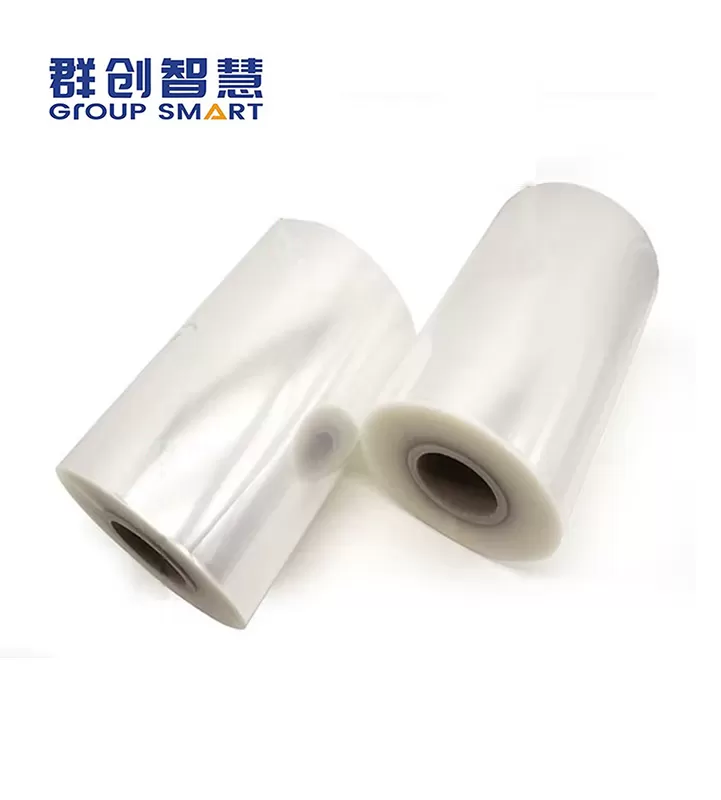
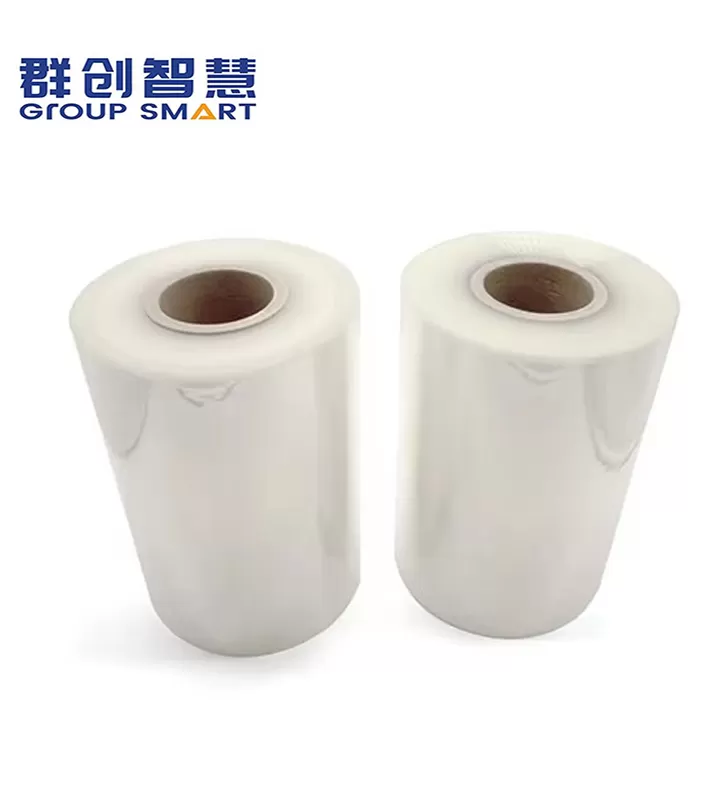
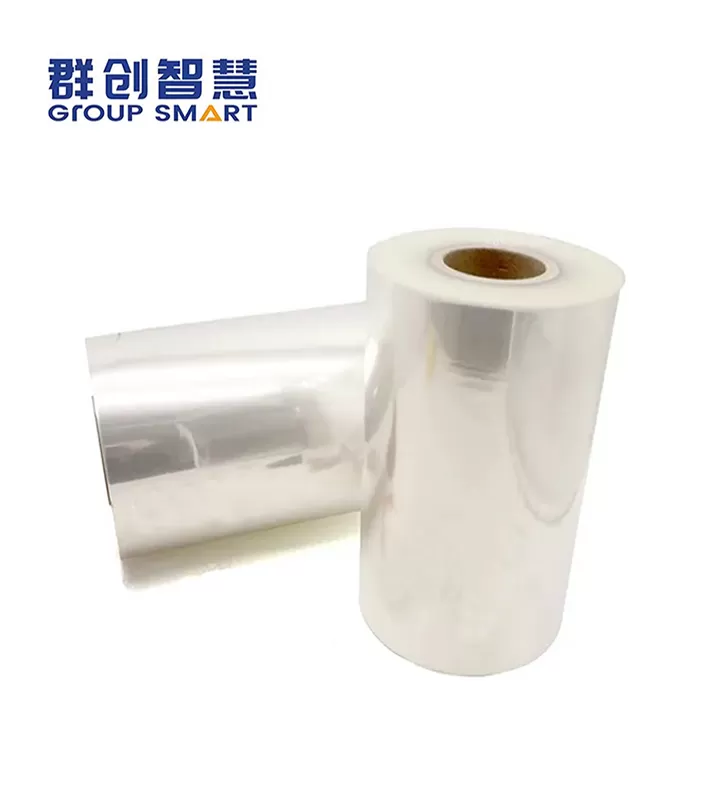
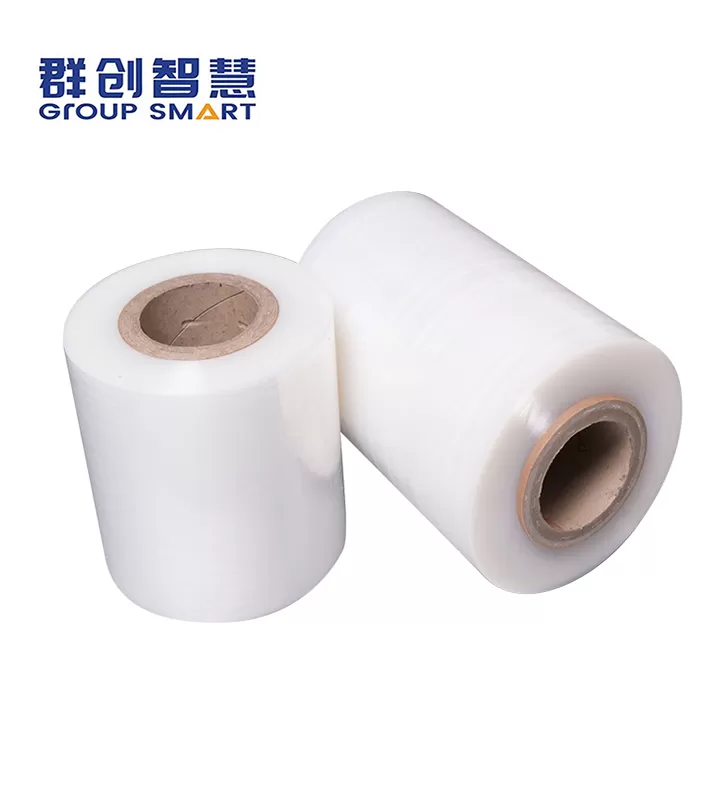
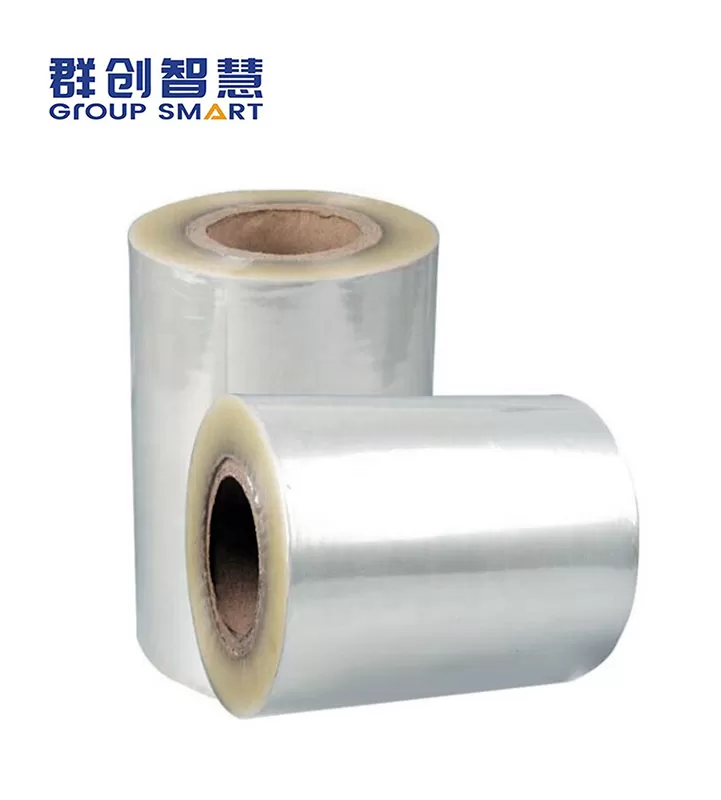
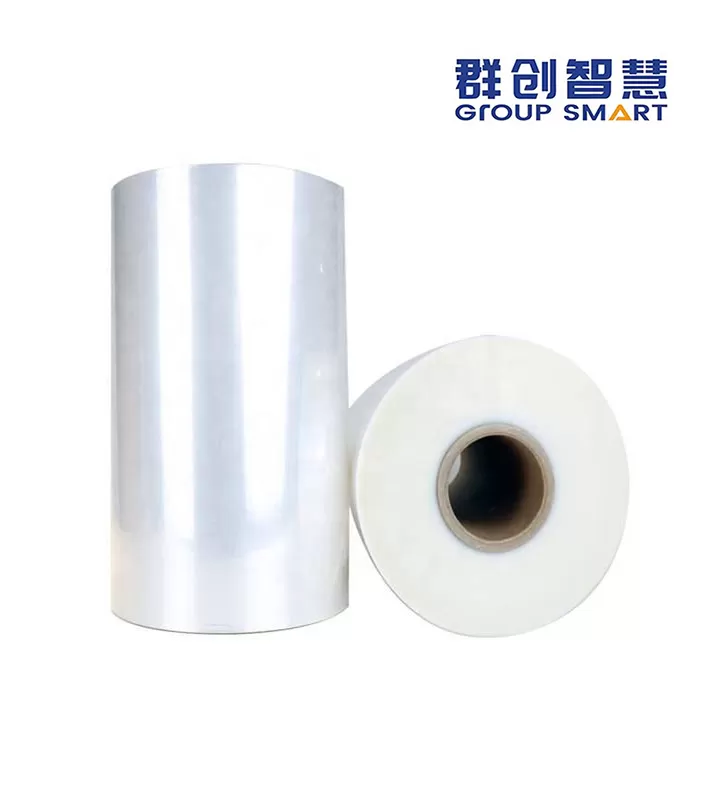
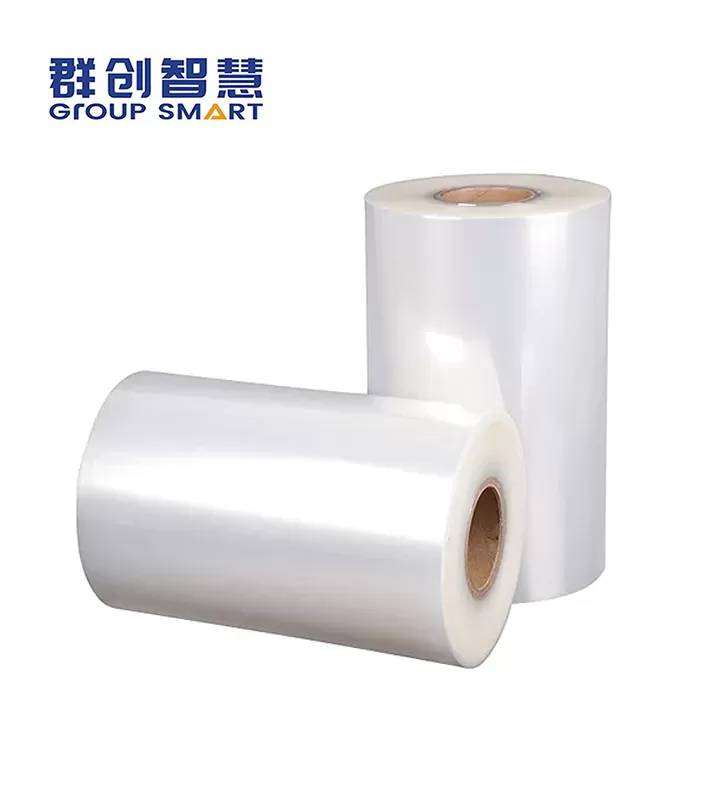
Lidding film has become a cornerstone of modern food packaging solutions due to its versatility, protective performance, and consumer convenience features. In an era where food safety, shelf life, traceability, and ease of use are paramount, lidding films offer a tailored solution that aligns with manufacturing efficiency and market demands.
Lidding film refers to thin, flexible film materials used to seal packages such as trays, bowls, containers, and tubs. In food packaging, this film acts as the top barrier layer that encloses the product, protects it from external contaminants, and preserves freshness. The principal functions of such films include sealing integrity, barrier protection (against oxygen and moisture), consumer-friendly opening, and compatibility with automated packaging lines.
Food products are highly sensitive to environmental conditions. Exposure to oxygen, moisture, or microbial contamination can accelerate spoilage and reduce shelf life. Lidding films help mitigate these risks by forming a secure seal that reduces oxygen transmission and moisture ingress.
Compared with traditional rigid lids or wraps, lidding films offer several advantages, including reduced material consumption, lower transportation costs, enhanced product visibility, and ease of automation. When paired with advanced tray materials such as rigid PVC, PET, or multilayer barrier films, lidding films create packaging systems that protect quality while remaining user-friendly.
Lidding film is typically applied on top of a tray or container and sealed using heat to produce a hermetic closure. Heat seal technology works by briefly raising the temperature of the film’s sealing layer until it bonds with the tray surface. Upon cooling, this bond provides a secure closure that resists moisture, oxygen, and tampering.
A critical element in this process is the seal layer, a polymer layer specially designed to activate at specific temperatures. The engineering of this layer affects peel strength, ease of opening, and seal reliability under varying conditions such as refrigeration, freezing, or modified atmosphere packaging (MAP).
Regardless of the type, the primary goal is to balance seal integrity and opening convenience while protecting the product throughout distribution and storage.
Easy peel lidding films are designed to open effortlessly without sharp tools or excessive force. This quality has become increasingly important as consumers demand greater convenience and accessibility, especially for ready-to-eat foods and pre-prepared meals.
From single-serve yogurt cups and deli trays to microwave-ready meals and fresh produce, easy peel films improve the user experience. They help reduce product spillage and messy tearing that can occur with traditional wrap or rigid lids. The film’s sealing layer is engineered to moderate adhesion so that the film peels cleanly from the tray, leaving no residual film that might interfere with product access.
Because they combine convenience with secure sealing, easy peel films are rapidly becoming the standard choice for fresh foods, chilled ready meals, and grab-and-go packaging formats.
Heat seal performance is one of the most critical performance indicators for lidding films. A secure heat seal ensures that the product remains protected from oxygen, moisture, and microbial contamination during transit, storage, and display. Foods such as deli meats, cheeses, salads, and fresh produce especially benefit from strong seals that maintain freshness without leakage.
The quality of a heat seal depends on several factors: the composition of the sealing layer; temperature and dwell time during sealing; compatibility between the film and tray material.
Modern lidding films are engineered with sophisticated multilayer constructions, where each layer contributes specific functionality, barrier performance, sealability, mechanical strength, or printability. These films are designed to perform reliably across a range of sealing conditions, making them suitable for both high-speed packaging lines and variable processing environments.
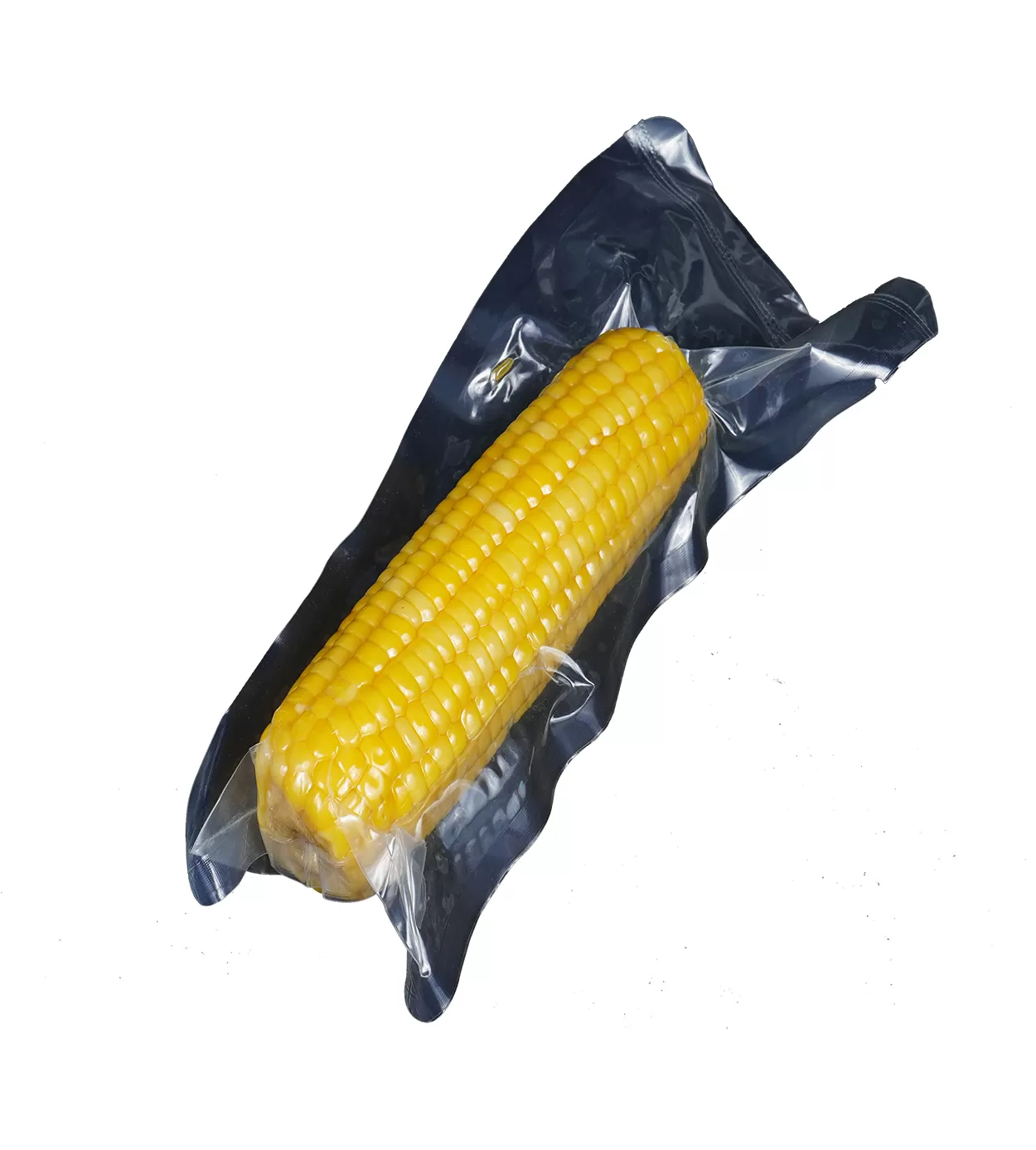
MAP and vacuum packaging are widely used to extend the shelf life of perishable foods by altering the gas composition inside the package. In such systems, the lidding film must maintain a strong, gas-tight seal to prevent oxygen infiltration and moisture loss.
For example, products like fresh poultry, red meats, and fish fillets are often packaged in MAP trays with a specialized lidding film that can preserve freshness for days or weeks longer than traditional packaging. Similarly, vacuum packaging removes air entirely, creating a low-oxygen environment that slows oxidation. In both cases, the performance of the lidding film directly influences product quality and shelf stability.
To support MAP and vacuum applications, the lidding film often contains enhanced barrier layers, such as EVOH or nylon, within a multilayer structure. These materials help reduce gas transmission rates and enhance overall protection.
Selecting the appropriate lidding film involves evaluating several factors related to both product characteristics and packaging line requirements.
Product Nature and Sensitivity
Highly perishable foods such as fresh meats and seafood require films with excellent barrier properties. Foods that release moisture may need films with robust seal integrity to prevent leakage.
Tray Material Compatibility
Lidding films must be compatible with the tray or container material, whether it is PET, PP, PS, or a multilayer composite. Compatibility ensures strong adhesion and consistent sealing.
Ease of Opening
For consumer-oriented products, it is important that the film is reliably easy to open without sacrificing seal strength. Easy peel or peelable films are designed for this balance.
Processing Conditions
The film chosen must perform reliably under the specific conditions of the packaging line, including sealing temperature, line speed, and dwell time.
Working with experienced lidding film manufacturers and suppliers helps food producers fine-tune these choices and achieve optimal performance on both packaging lines and retail shelves.
Fresh meat and poultry products are often packaged in trays sealed with high-barrier lidding films. These films help protect color, freshness, and texture by limiting oxygen exposure. In systems where MAP is used, the lidding film plays a crucial role in maintaining the modified gas environment, slowing oxidation and extending shelf life.
Dairy products such as yogurt, cottage cheese, and deli trays benefit from peelable films that provide a secure seal while still offering easy access for consumers. The controlled peel performance makes these films ideal for products that are opened and closed multiple times.
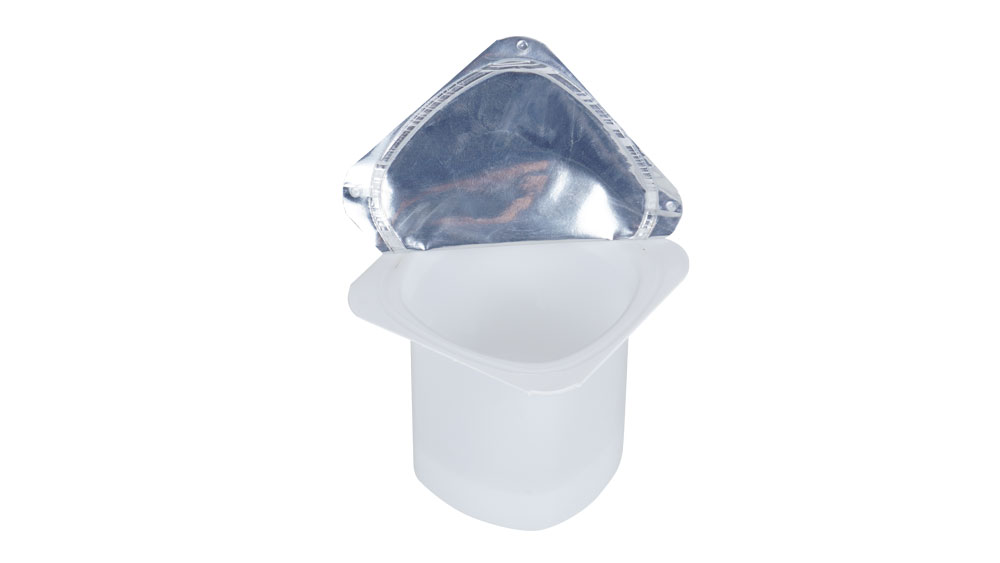
For prepared meals and snacks, easy peel films enhance convenience and support microwavability or oven-ready packaging. Their compatibility with heat applications and consistent peel behavior helps ensure a positive consumer experience.
Enhanced Product Protection: Secure seals help guard against contamination and spoilage.
Better Shelf Presentation: Clarity, gloss, and printability support branding and visual appeal.
Consumer Satisfaction: Easy opening enhances usability and reduces frustration.
Reduced Waste: Secure film seals help reduce product spoilage and returns.
Lidding film remains a vital element of food packaging solutions, bridging the gap between product protection and consumer convenience. From easy peel and peelable films to heat seal systems and barrier multilayer structures, lidding films are designed to preserve freshness, facilitate handling, and enhance product presentation.
For food manufacturers seeking versatile, high-performance lidding solutions, multi-functional lidding films like those provided by GroupSmart offer the adaptability and reliability required for modern packaging environments.
Explore suitable lidding film materials based on your packaging requirements and transform your food packaging operations with enhanced performance and consumer appeal.