English
  日本語
日本語  한국어
한국어  français
  Deutsch
  Español
  italiano
  русский
  português
  العربية
  Indonesia
  tiếng việt
  हिंदी
हिंदी  Türkçe
Related GroupSmart News
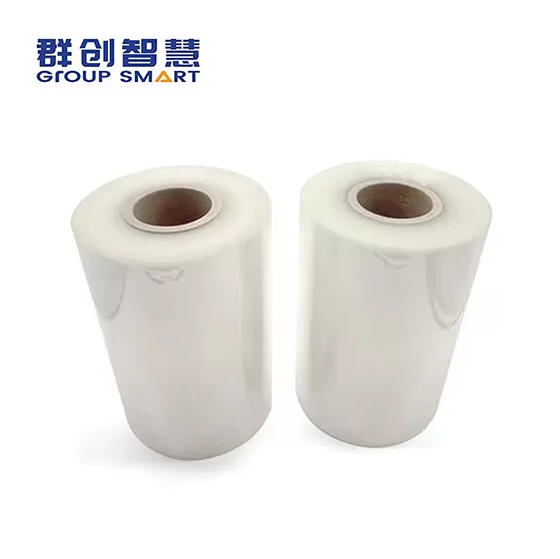
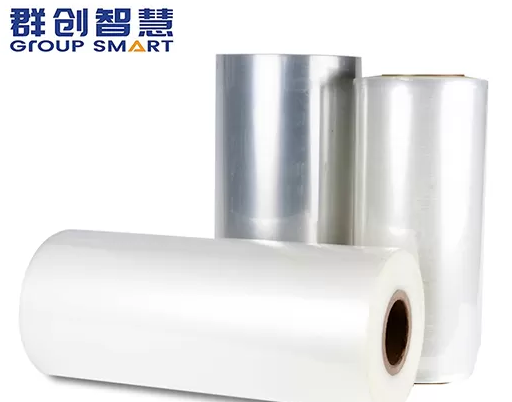

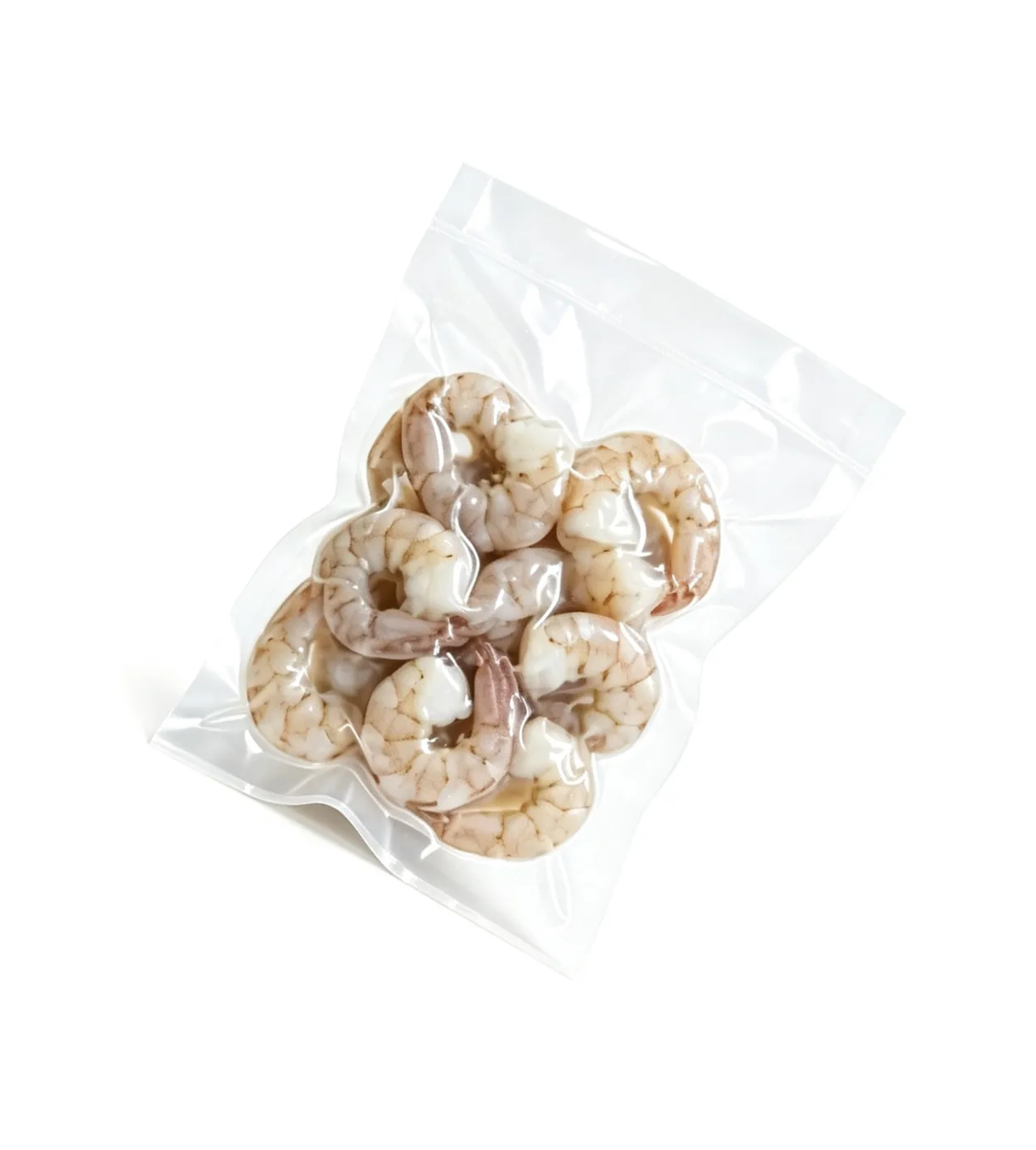
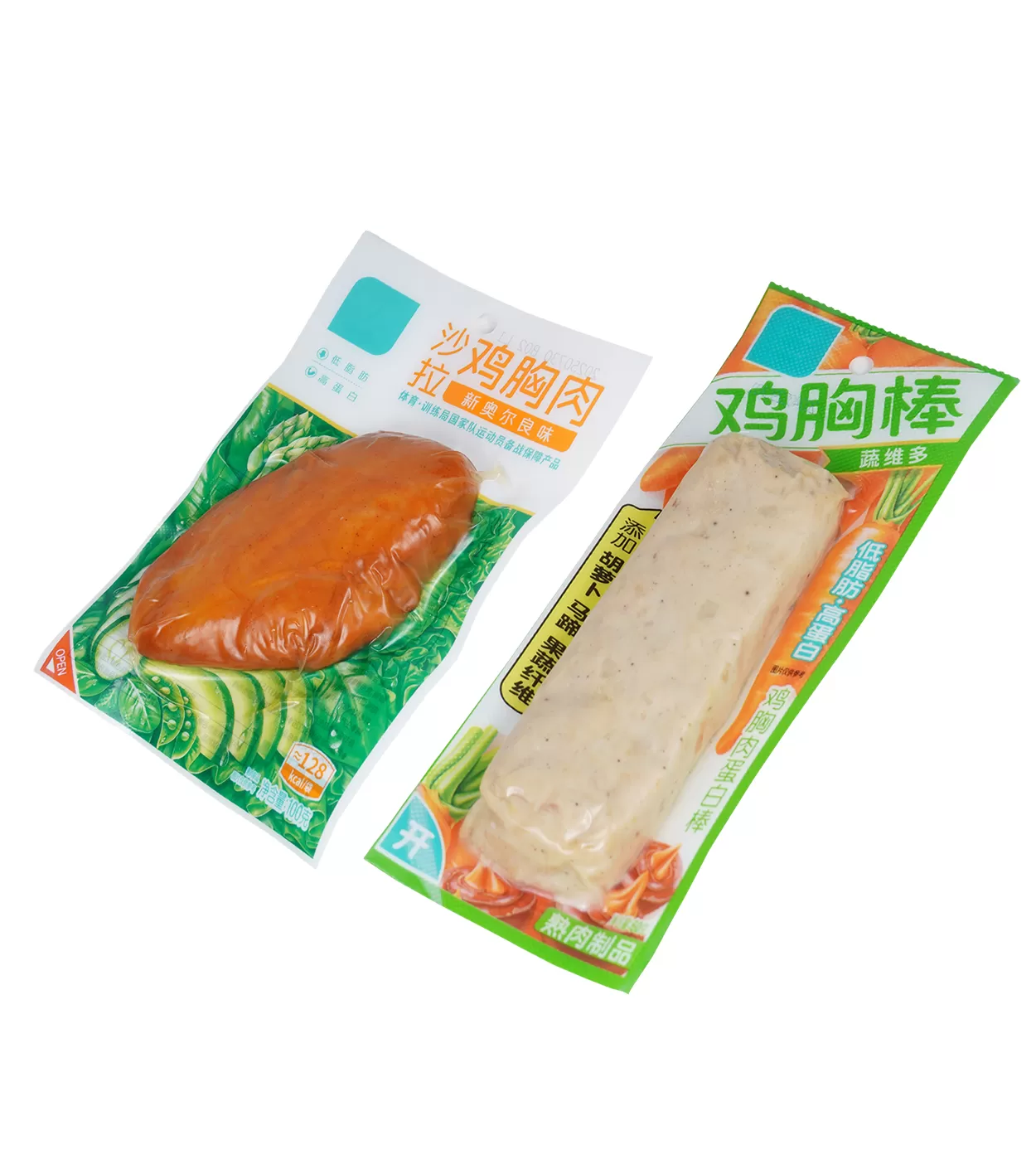
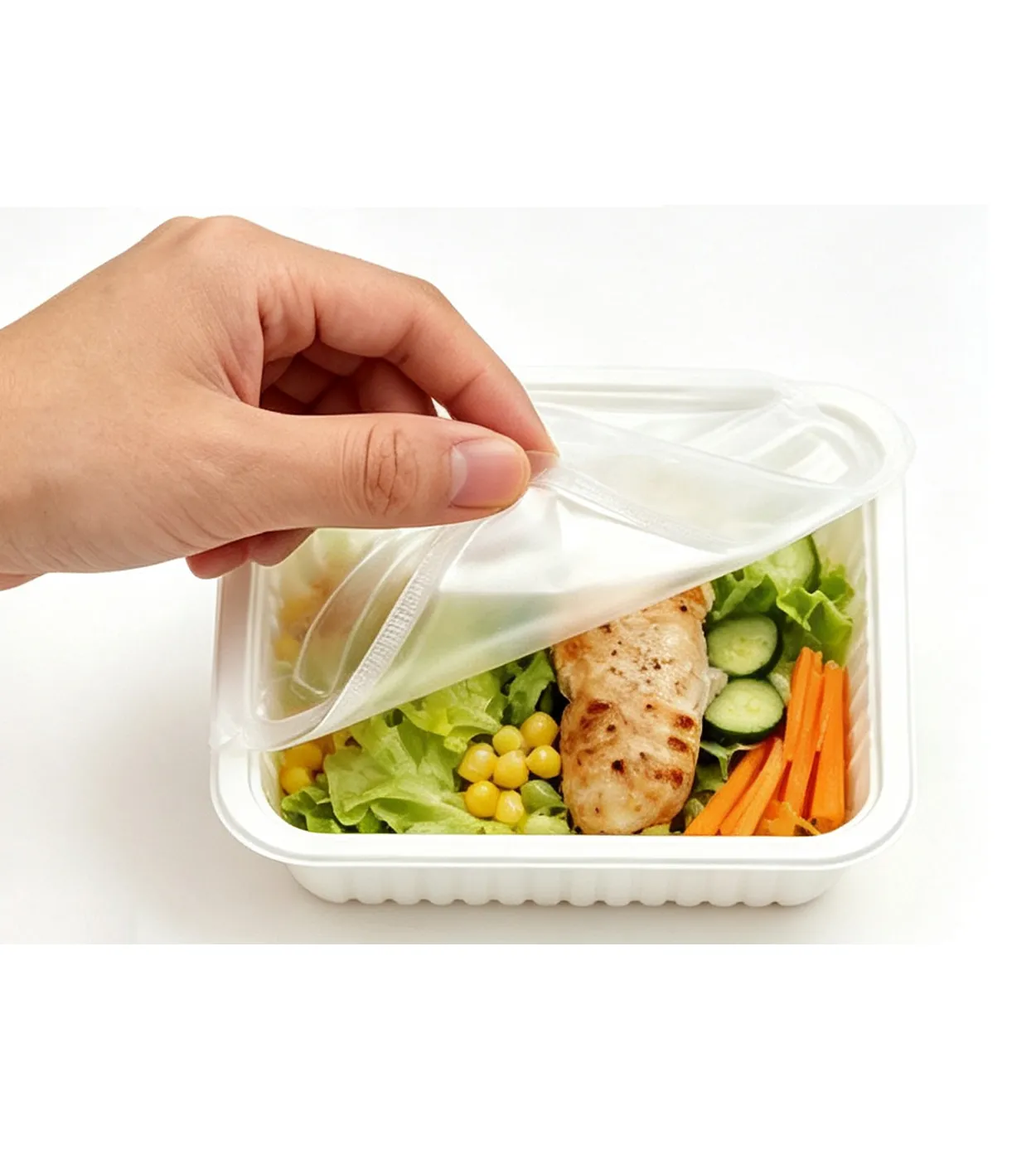
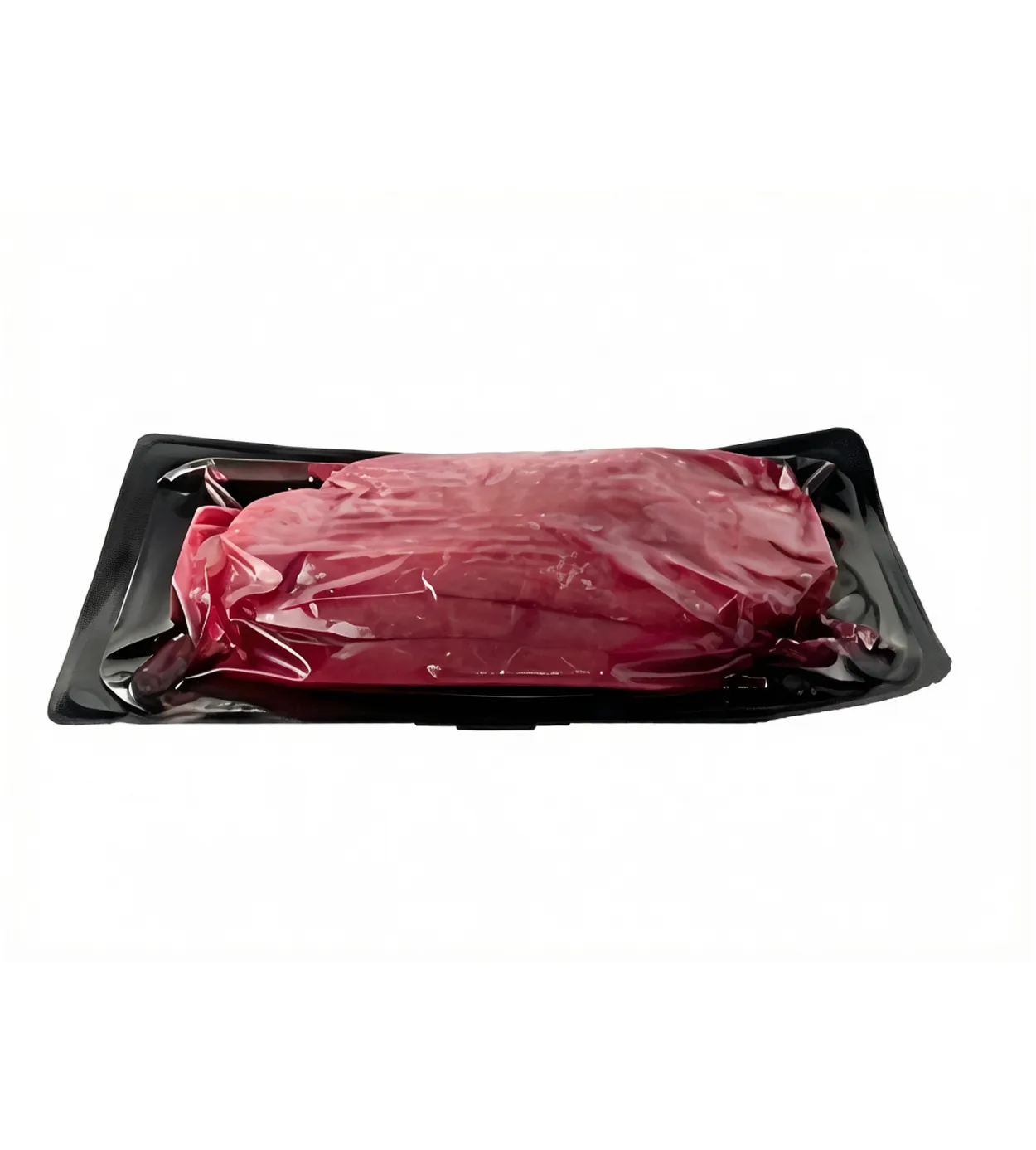
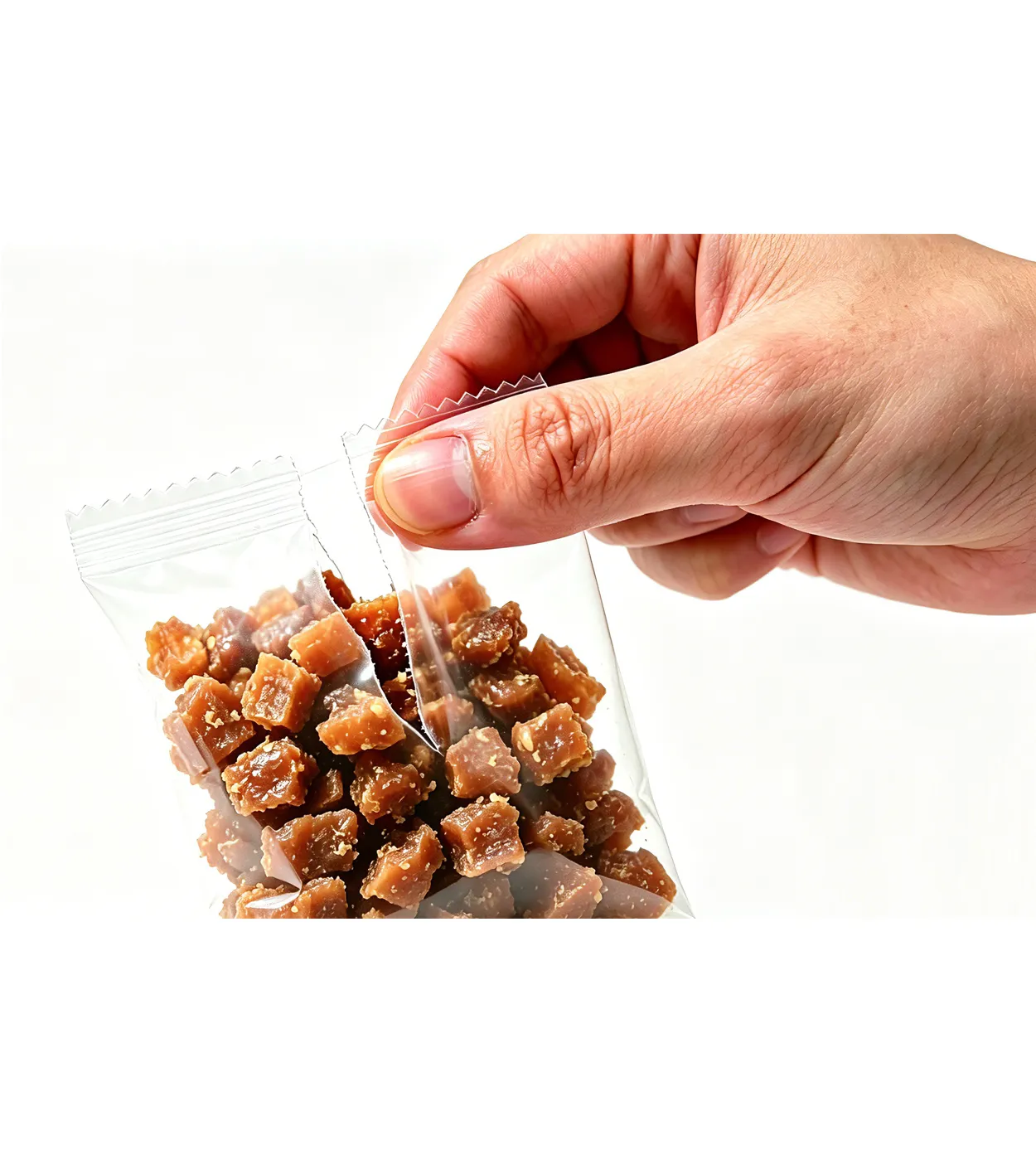
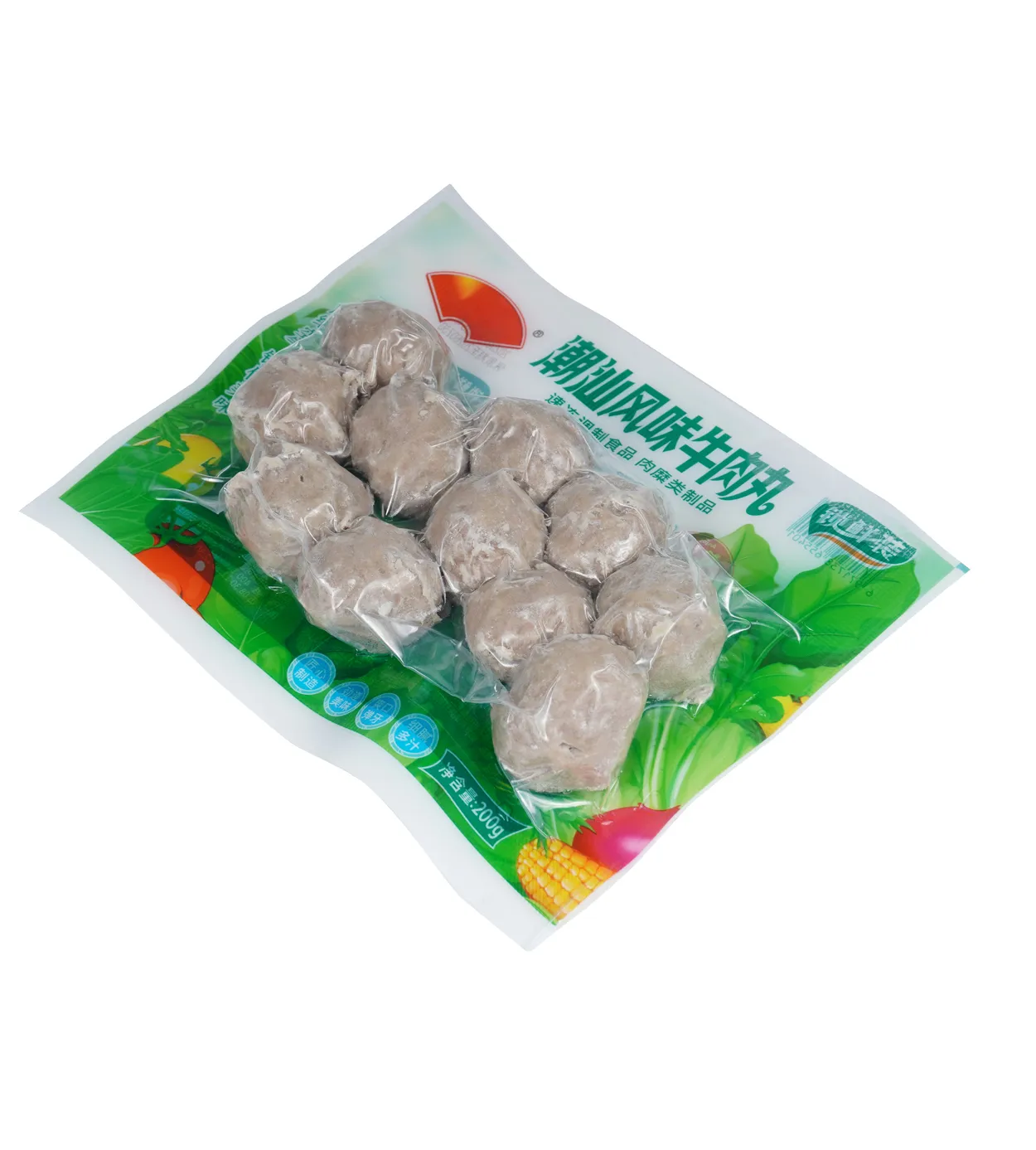
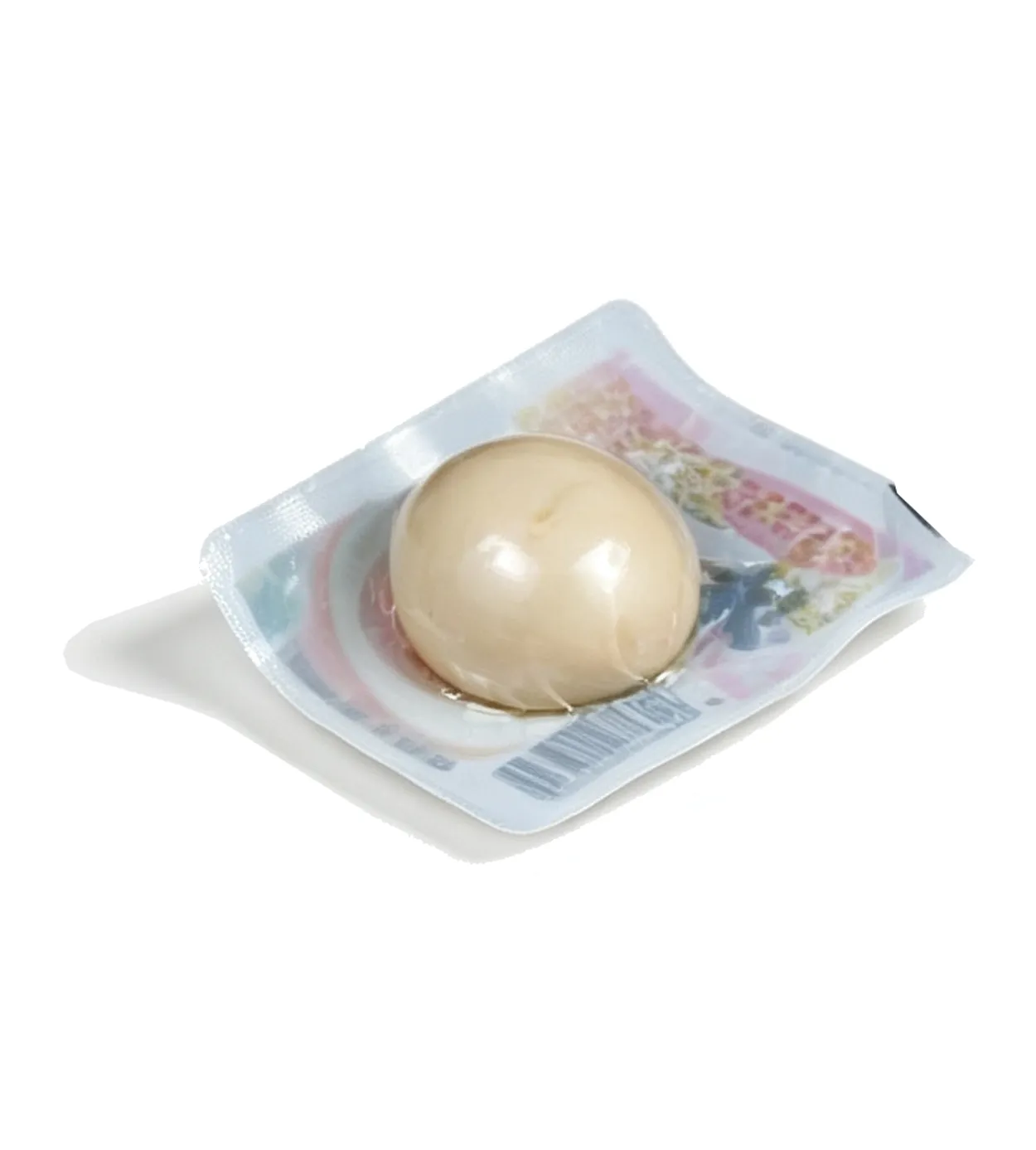
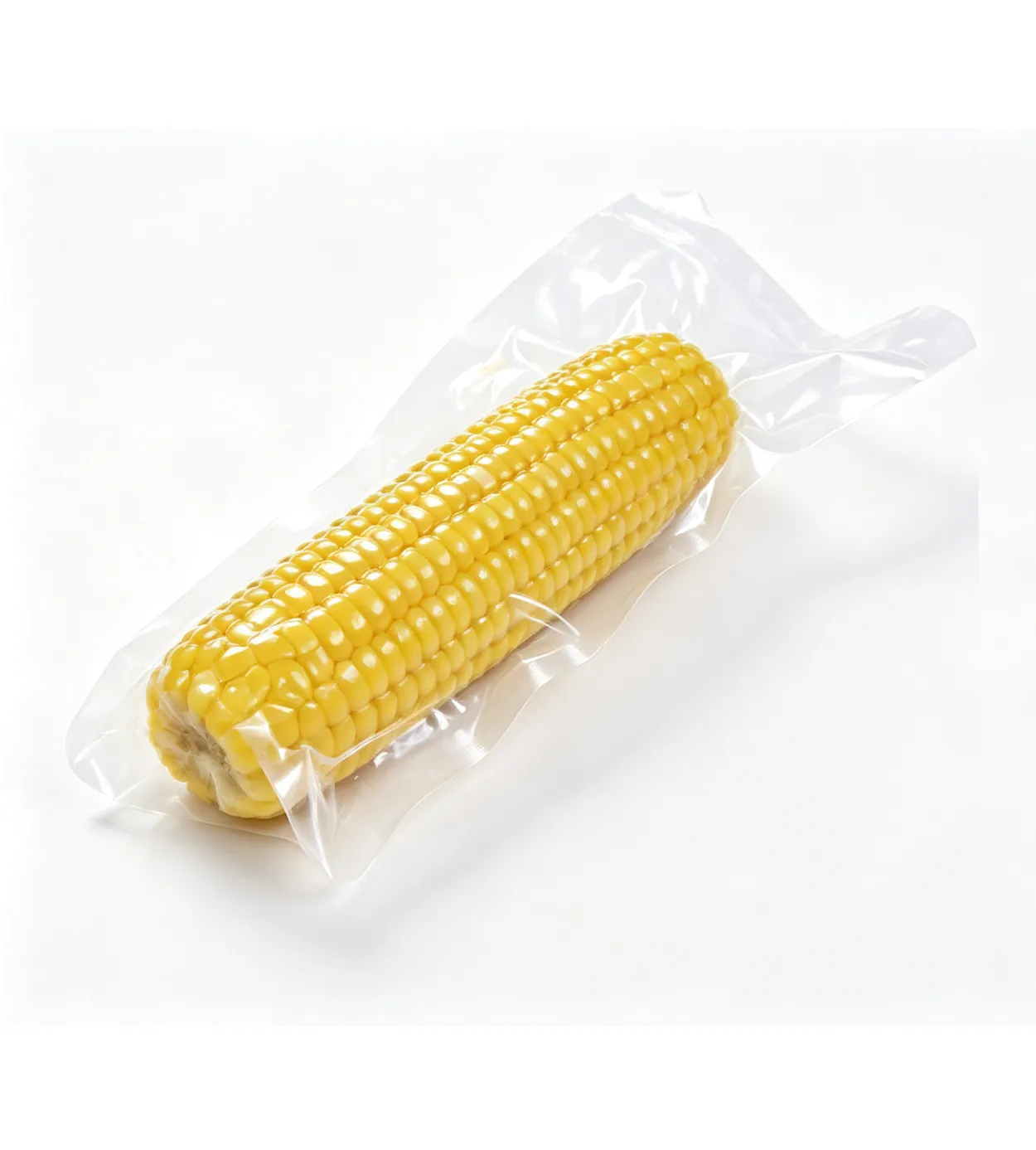
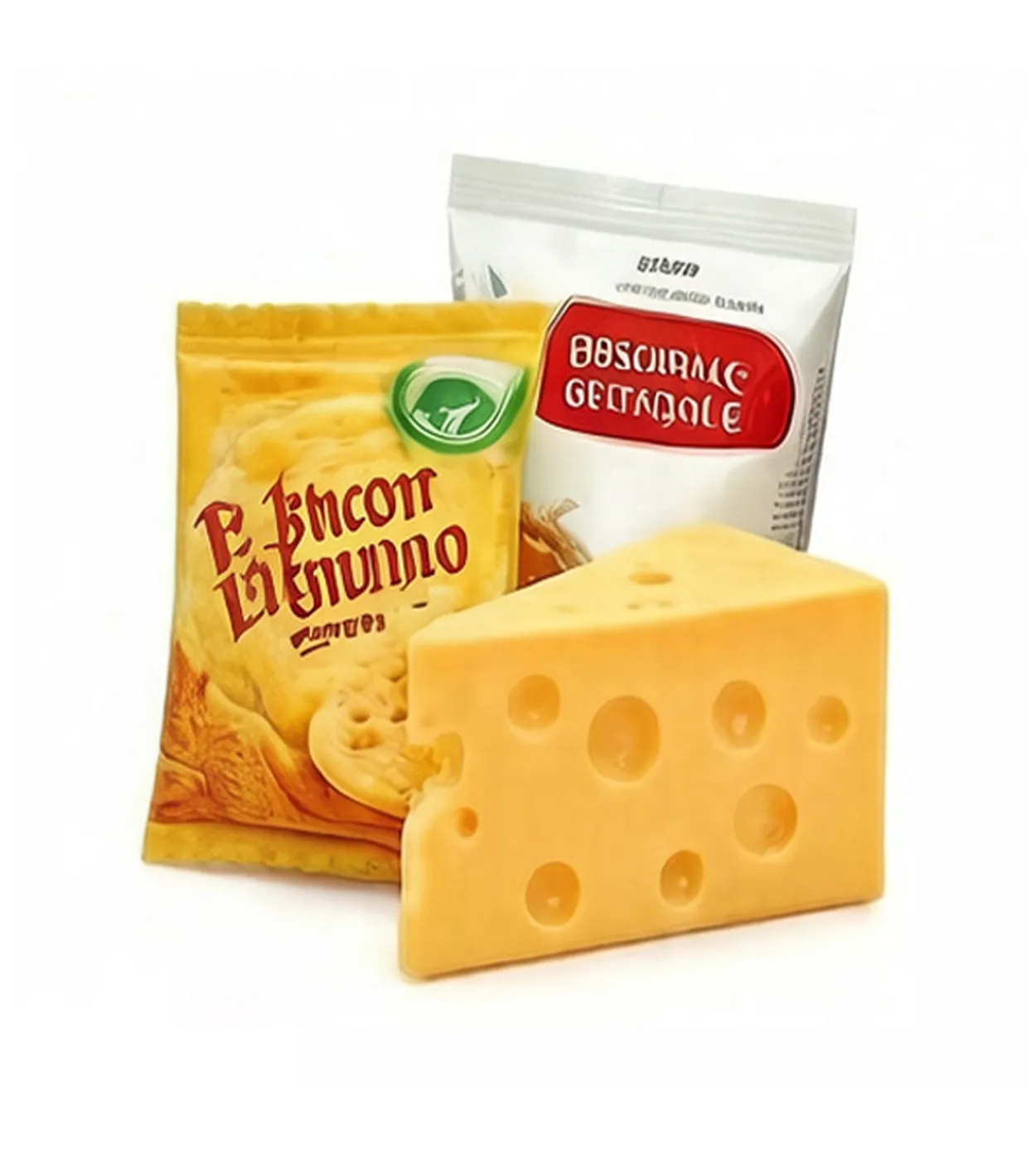
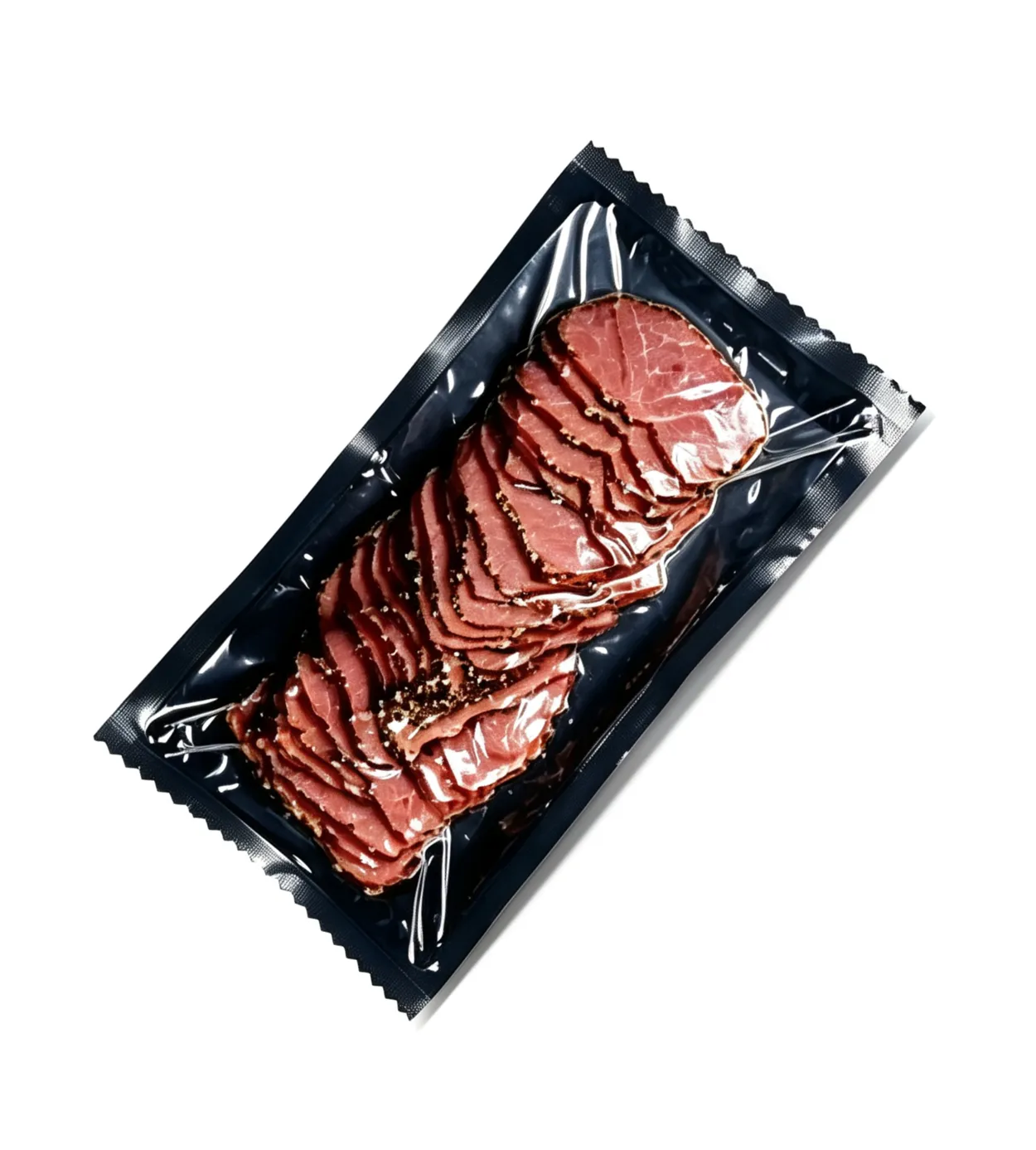
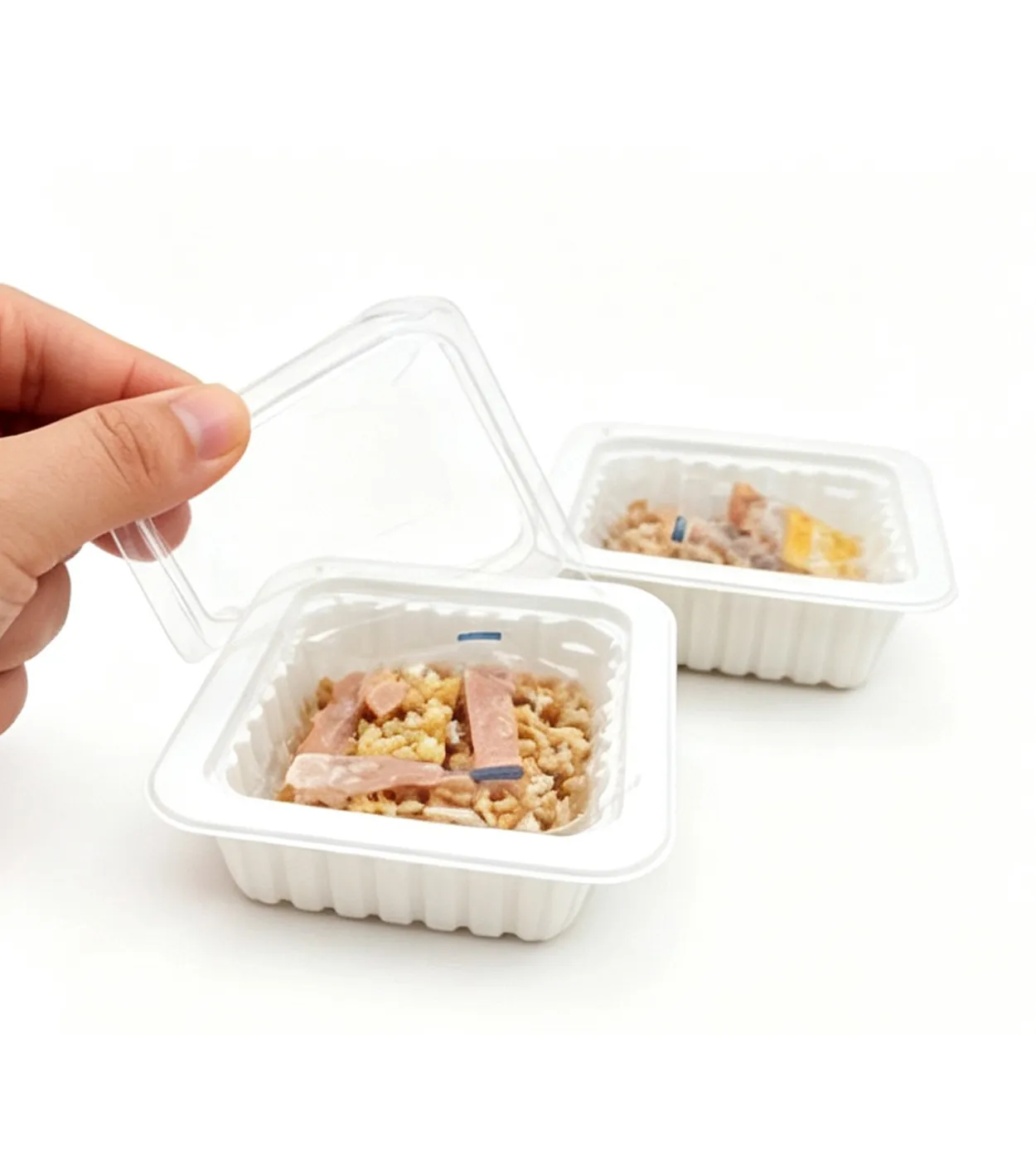
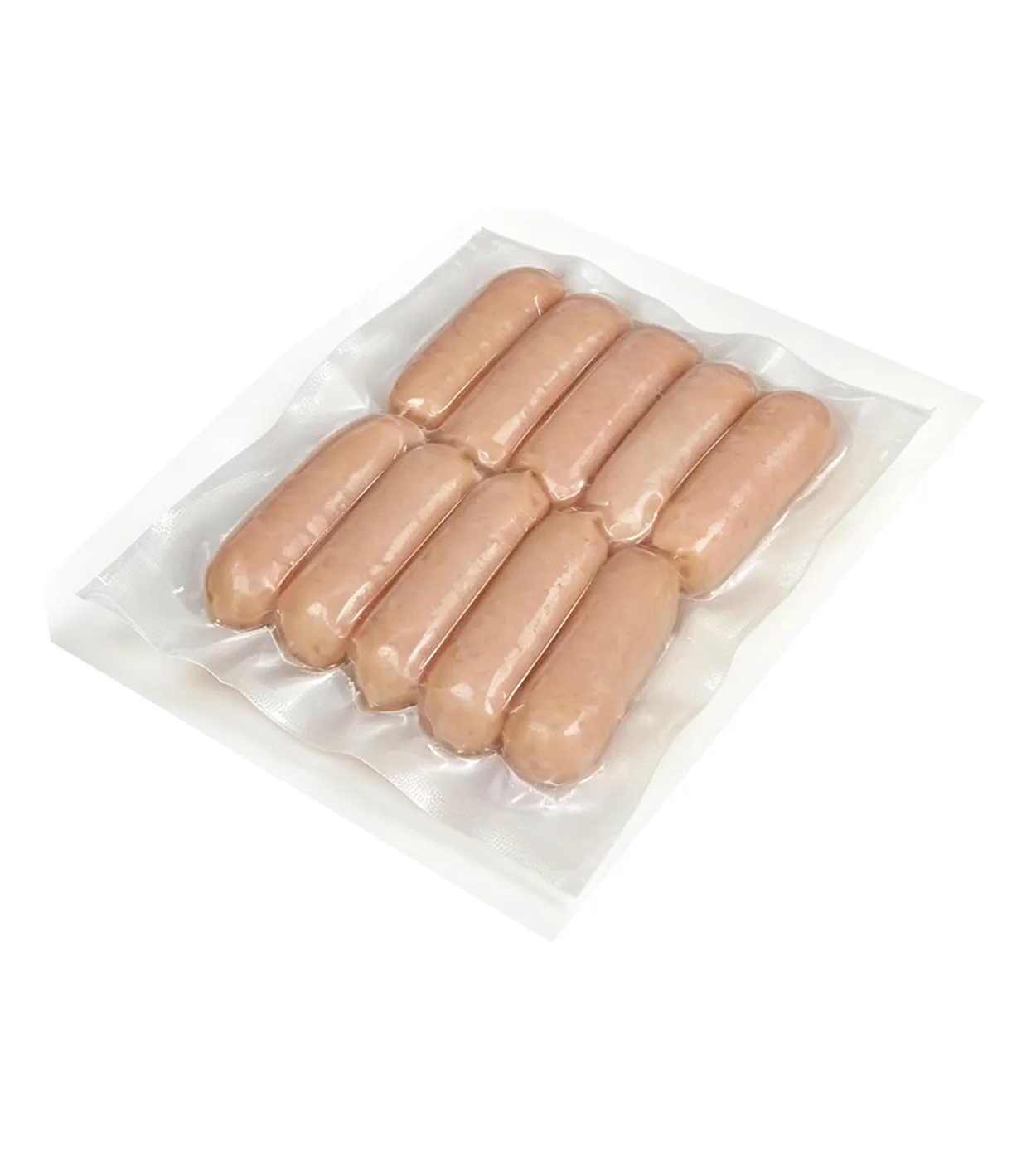
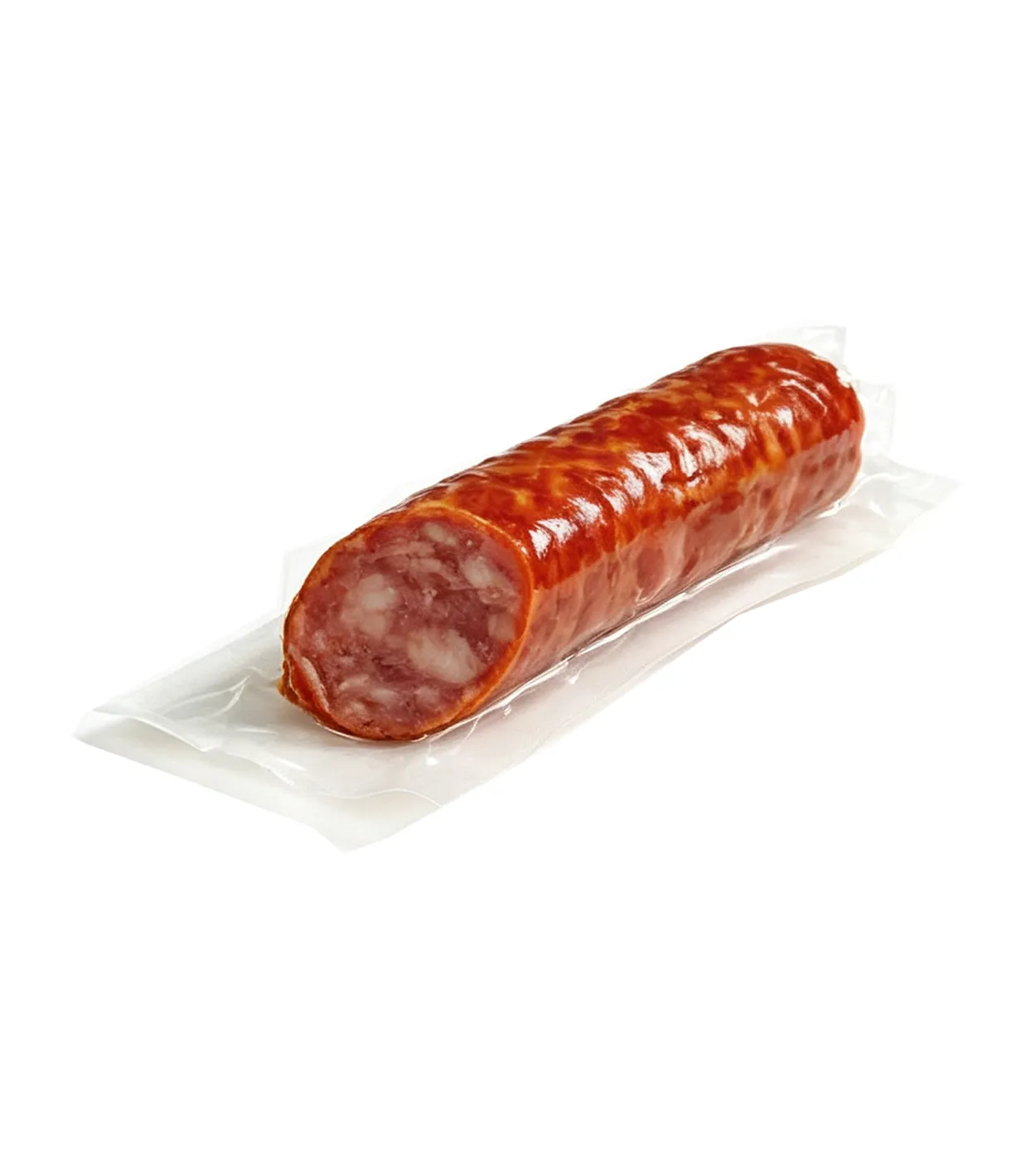
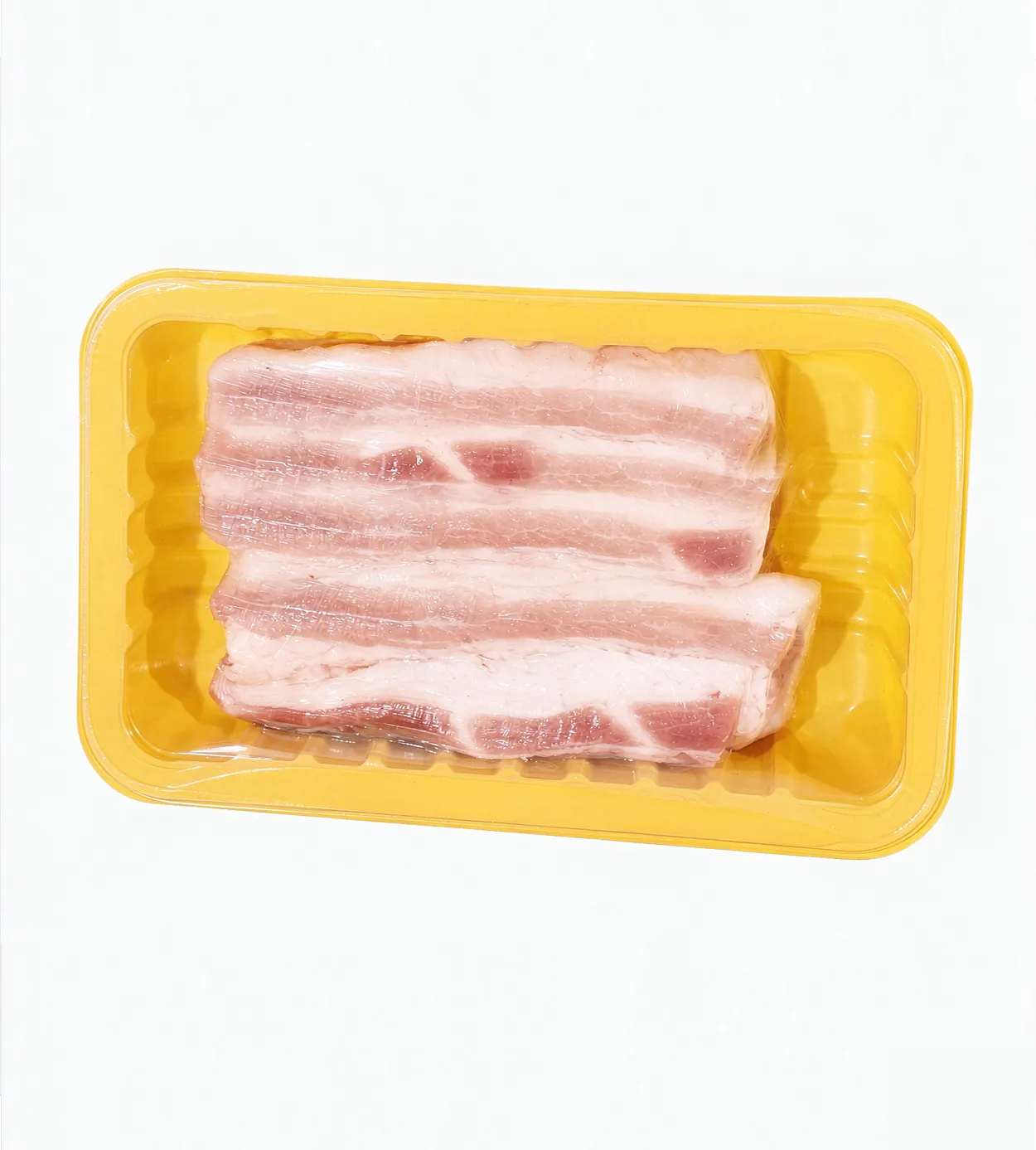
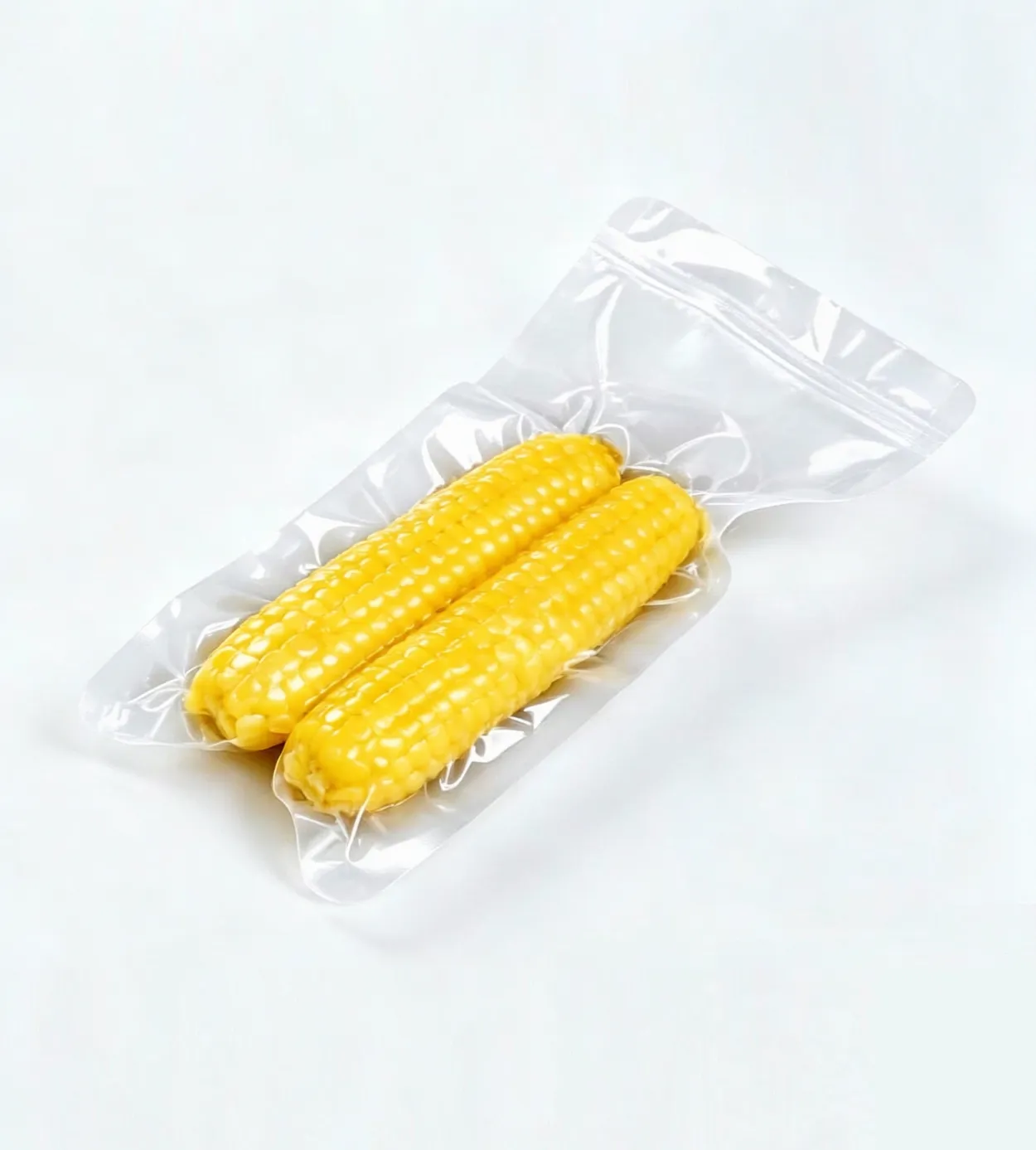
The global packaging industry is currently undergoing a paradigm shift, transitioning from traditional heavy-duty materials toward lightweight and high-performance alternatives. At the heart of this transformation is the Machine Direction Orientation (MDO) films market. By stretching plastic films in the machine direction under controlled thermal conditions, manufacturers are able to enhance the physical, optical, and barrier properties of polymers, creating a material that is as efficient as it is eco-friendly.
The MDO films market is experiencing a robust Compound Annual Growth Rate (CAGR), driven by the surging demand for flexible packaging in the food, beverage, and healthcare sectors. As brands look for ways to reduce their carbon footprint without compromising product integrity, MDO technology has emerged as a cornerstone of modern material science.
Machine Direction Orientation is a process where a polymer film, typically polyethylene (PE) or polypropylene (PP), is heated and stretched in the longitudinal direction. This alignment of the polymer molecules significantly alters the film’s characteristics.
The primary benefits of MDO film include:
Enhanced Mechanical Strength: Stretching increases tensile strength and puncture resistance, allowing for downgauging, using thinner films to achieve the same or better protection.
Superior Optical Clarity: The process improves the gloss and transparency of the film, making it ideal for retail packaging where product visibility is key.
Improved Barrier Properties: By tightening the molecular structure, MDO films provide a better shield against moisture and gases, which is essential for shelf-life extension.
Controlled Shrinkage: MDO films can be engineered with specific shrink properties, which is vital for the labeling and sleeve market.
The most significant driver of the MDO films market today is the global movement toward a circular economy. Historically, achieving high barrier properties required multi-material laminates, such as PET/PE or Nylon/PE, which are notoriously difficult to recycle.
MDO technology allows for the creation of monomaterial solutions. By using MDO-Polyethylene (MDOPE), manufacturers can produce a stand-up pouch that is all-PE. This ensures that the entire package can be processed in a single recycling stream, meeting the stringent sustainability goals of both regulators and global consumer brands.
In this competitive landscape, companies like GroupSmart are playing a vital role by providing the high-integrity materials needed for these advanced applications. GroupSmart’s commitment to precision, including specialized structures like PA/PE and high-barrier cast films, provides the essential building blocks for converters looking to implement MDO technology in demanding environments such as food preservation and medical safety.
The MDO films market is segmented by material type, with Polyethylene (PE) and Polypropylene (PP) holding the largest market shares.
MDO-PE: This is the fastest-growing segment due to its recyclability. It is widely used in stand-up pouches, heavy-duty shipping sacks, and food liners.
MDO-PP: Often used for labels and decorative wraps, MDO-PP offers excellent stiffness and thermal resistance.
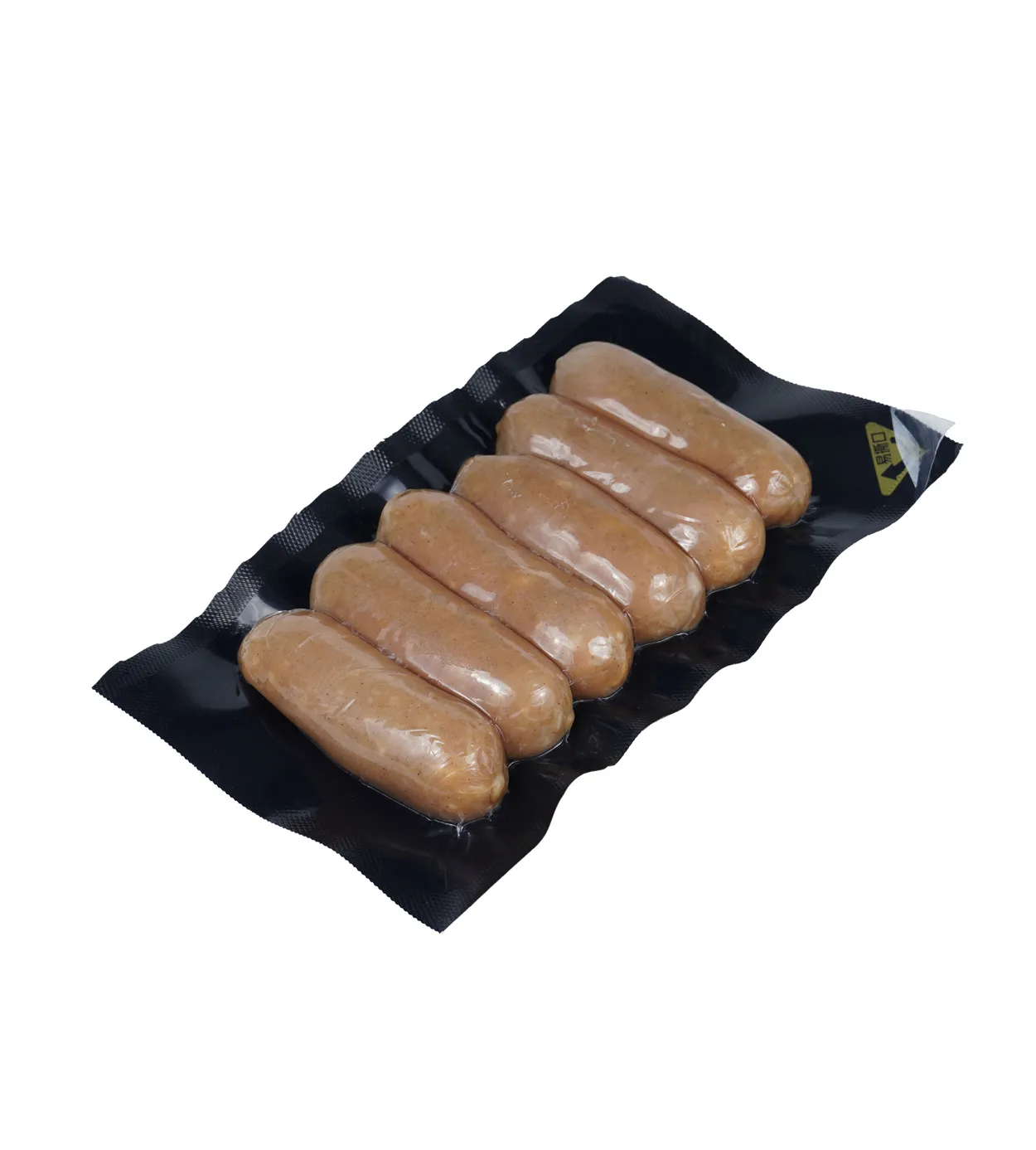
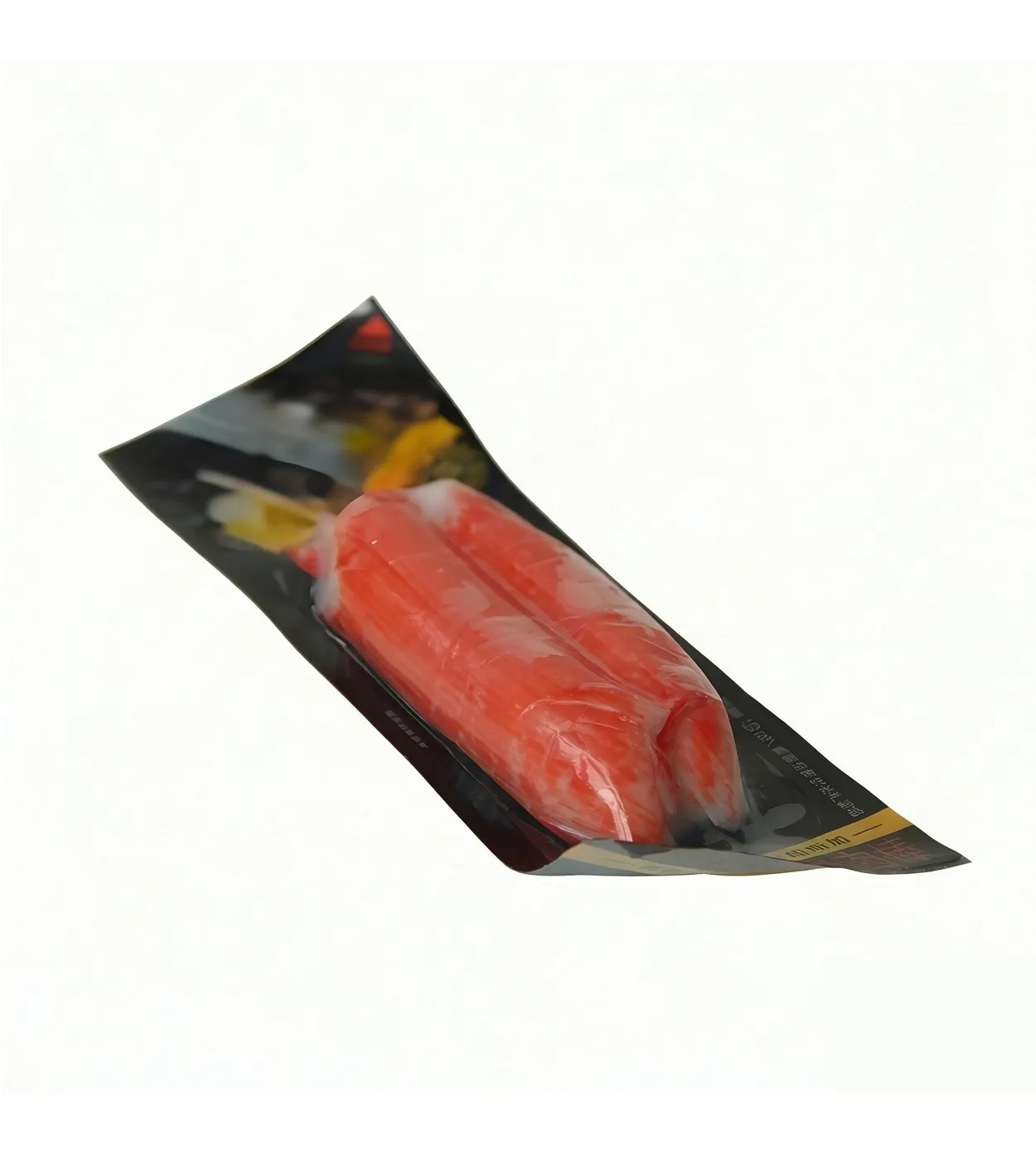
From an application perspective, the food and beverage industry remains the dominant force. The demand for grab-and-go convenience foods and the expansion of the e-commerce grocery sector have necessitated packaging that is both lightweight to reduce shipping costs and robust to prevent leaks and spoilage.
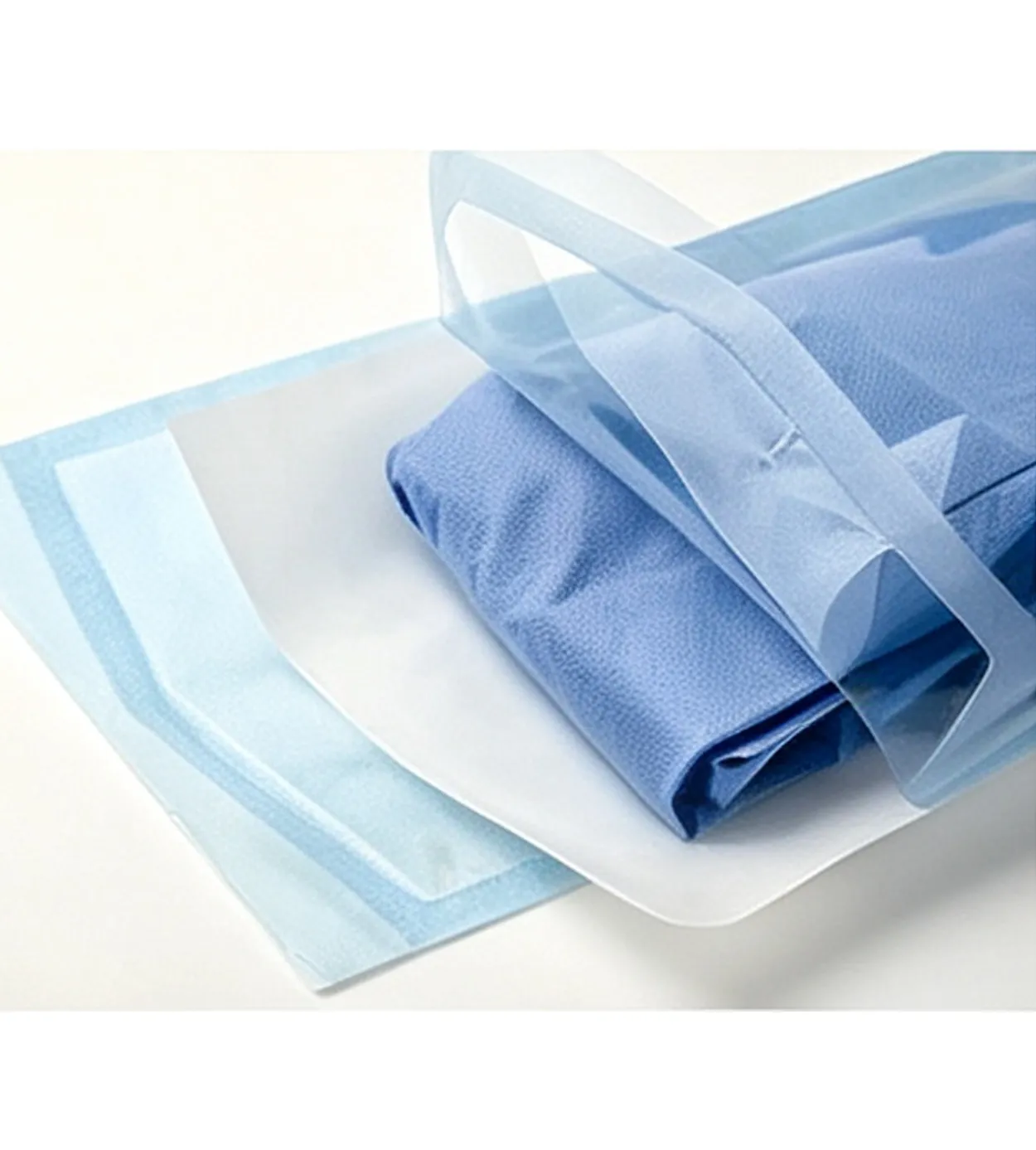
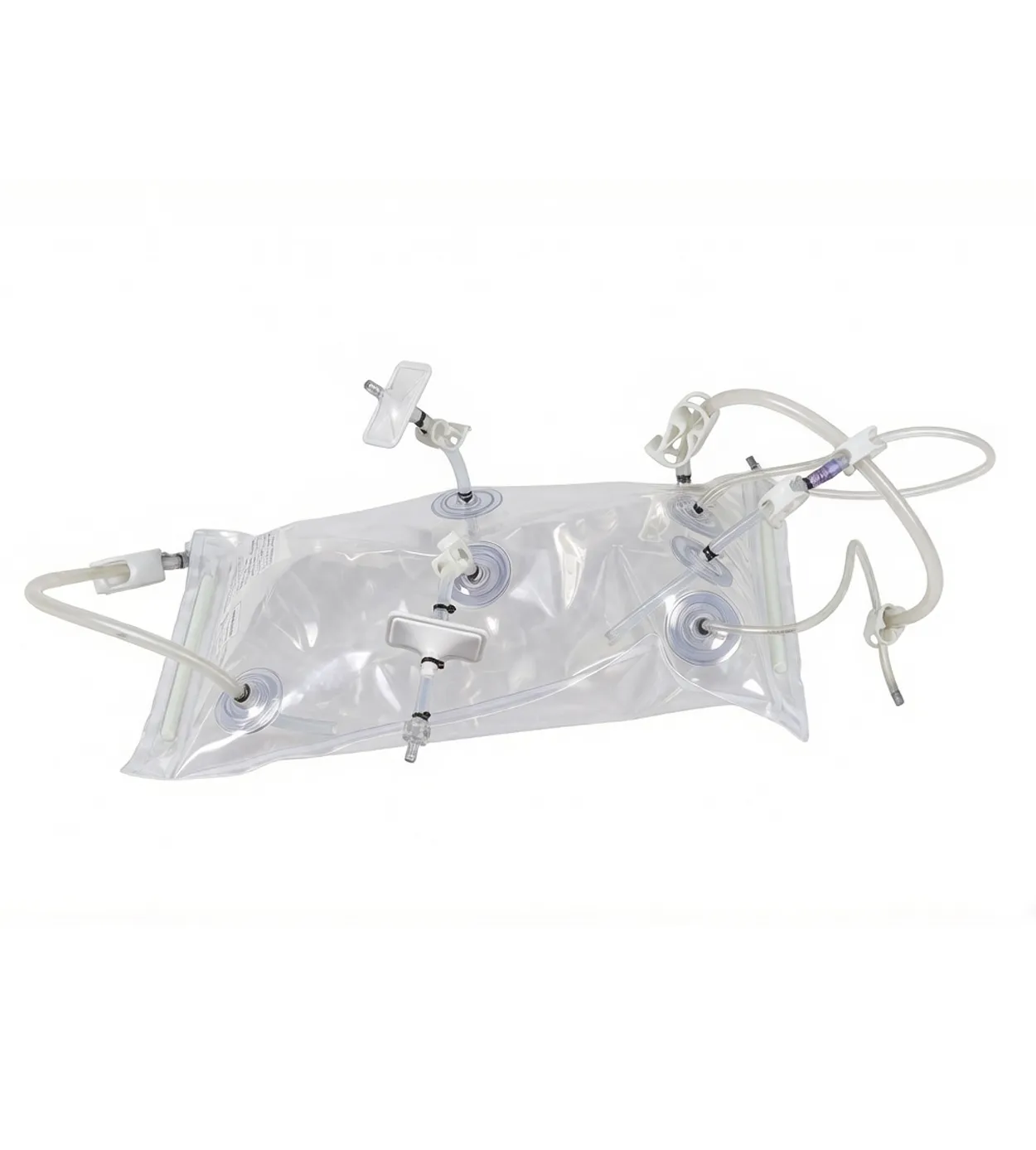
The healthcare sector is another critical growth area. MDO films are increasingly used in medical device packaging where sterilization compatibility and puncture resistance are non-negotiable. The ability to create a clear, strong, and sterile barrier makes MDO films an ideal choice for surgical tool wraps and diagnostic kit pouches.
Geographically, the Asia-Pacific region is the powerhouse of the MDO films market. Driven by the rapid industrialization of China and India, as well as a massive consumer base with increasing disposable income, the region accounts for a significant portion of global production and consumption.
In North America and Europe, the market is primarily driven by innovation in sustainable packaging. Stricter environmental regulations, such as the EU’s Packaging and Packaging Waste Regulation (PPWR), are forcing a move away from non-recyclable laminates. This has accelerated the adoption of MDOPE films as brands scramble to meet 2025 and 2030 sustainability deadlines.
While the MDO films market is poised for significant growth, it is not without challenges. The process of stretching films requires sophisticated machinery and precise temperature control. If not managed correctly, stretching can lead to necking or uneven thickness, which compromises the film's performance on automated filling lines.
However, the future looks bright. Developments in resin technology are making the MDO process more stable. New easy-to-orient resins allow for faster production speeds and lower energy consumption. Furthermore, the integration of bio-based polymers into the MDO stream is opening new doors for 100% renewable packaging solutions.
The MDO films market represents the future of flexible packaging. By combining mechanical prowess with environmental responsibility, MDO films allow the industry to move closer to a zero-waste future without sacrificing the convenience and safety that modern packaging provides.
As the market continues to expand, the importance of high-quality raw materials cannot be overstated. Partners like GroupSmart are essential to this ecosystem, providing the advanced film structures that serve as the foundation for high-performance oriented films. It is clear that MDO technology is a vital requirement for the next generation of global packaging. Brands that embrace these materials today will be the leaders of a more efficient, clearer, and greener tomorrow.