English
  日本語
日本語  한국어
한국어  français
  Deutsch
  Español
  italiano
  русский
  português
  العربية
  Indonesia
  tiếng việt
  हिंदी
हिंदी  Türkçe
Related GroupSmart News
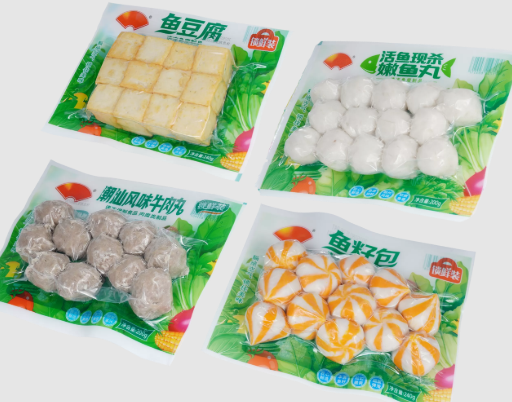

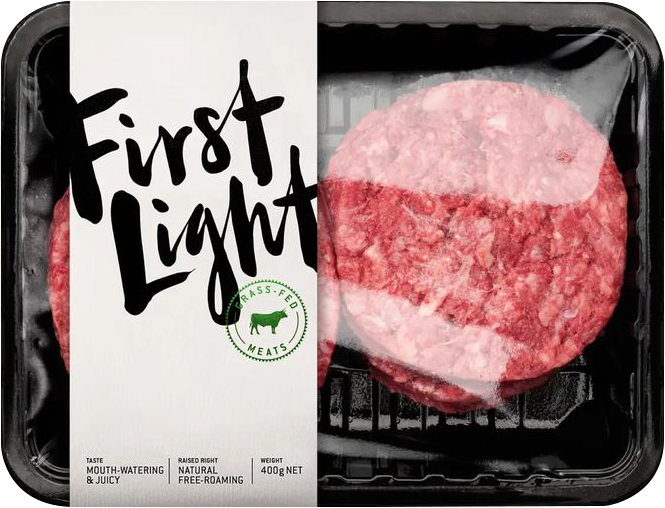

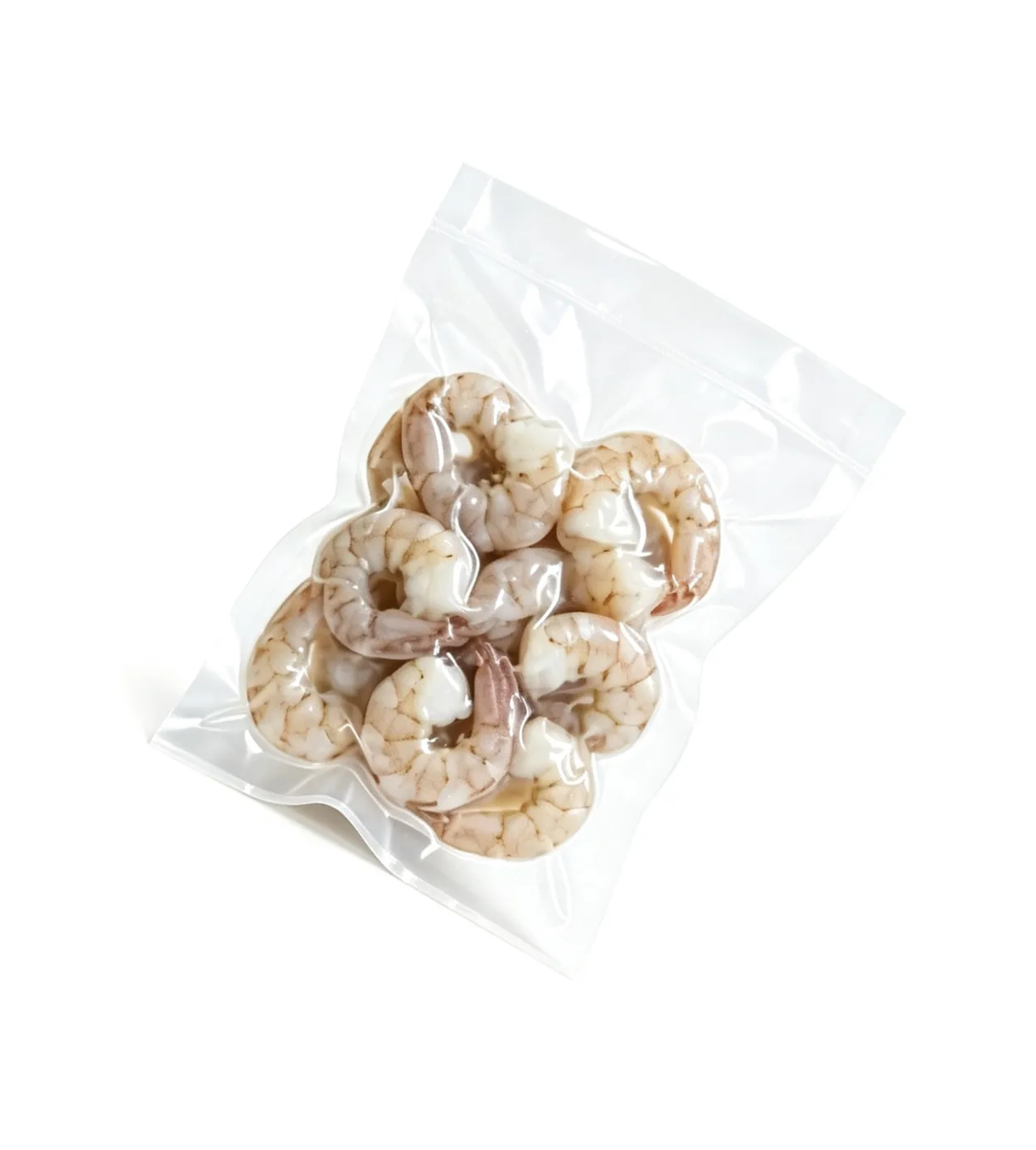
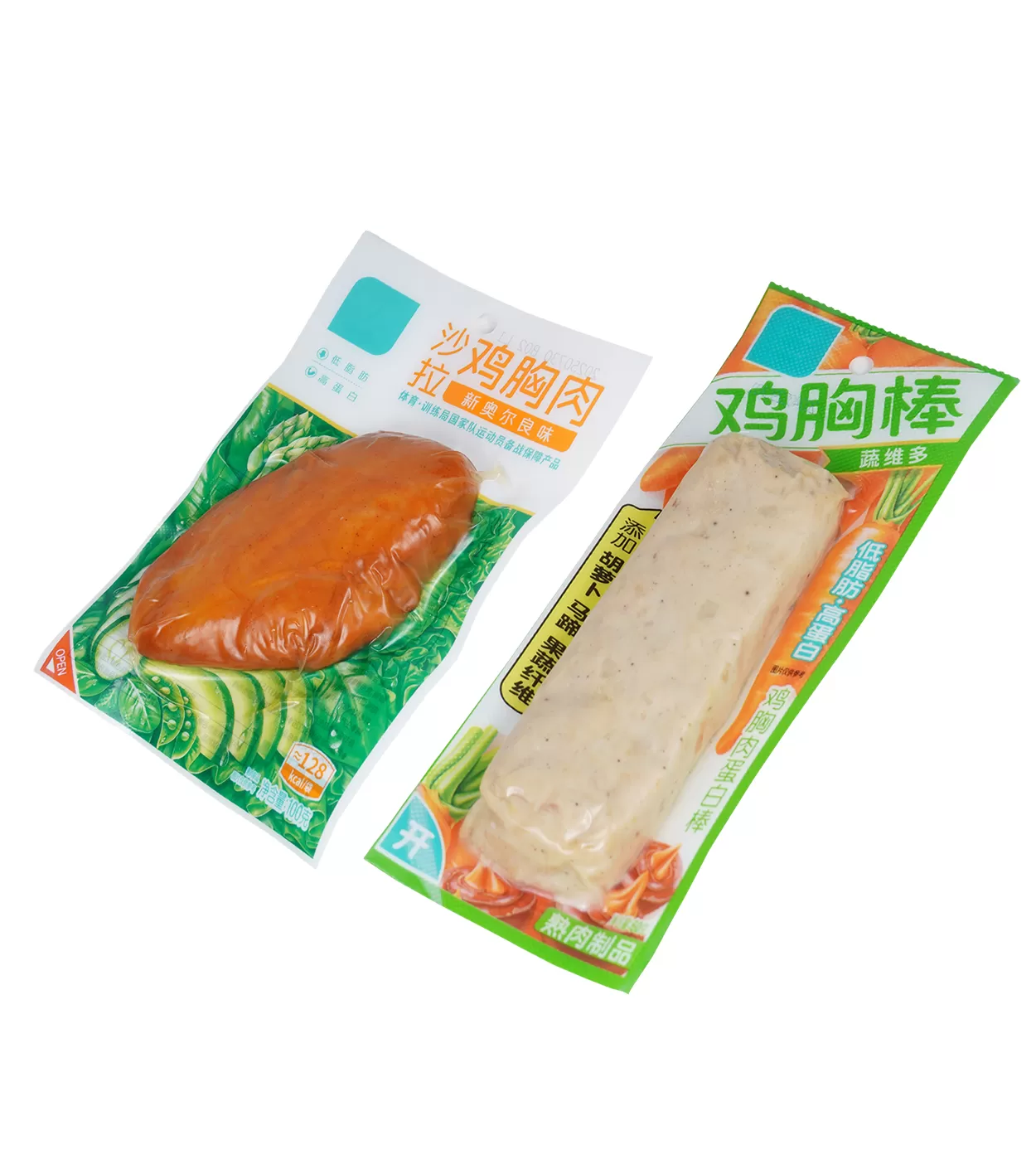
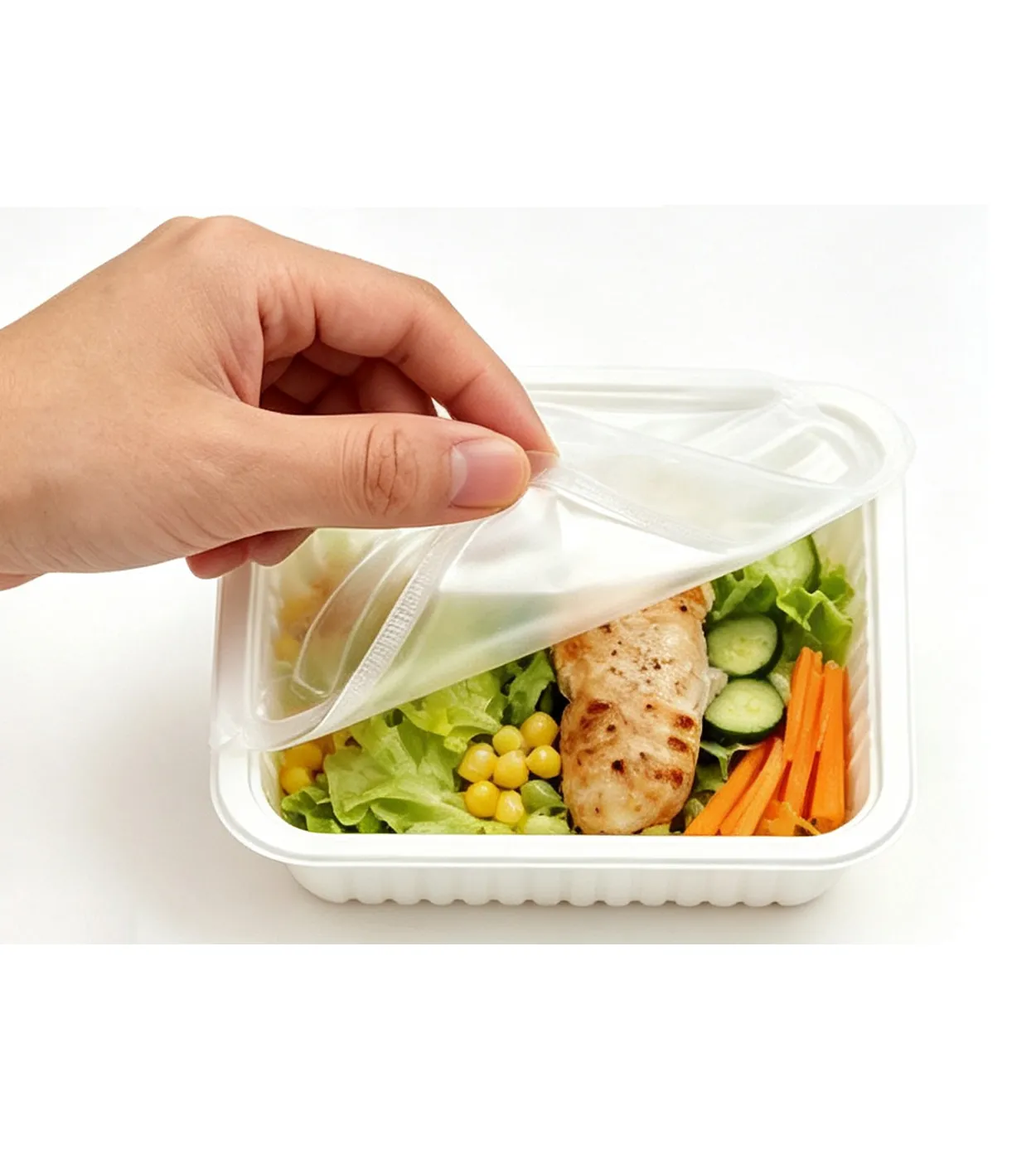
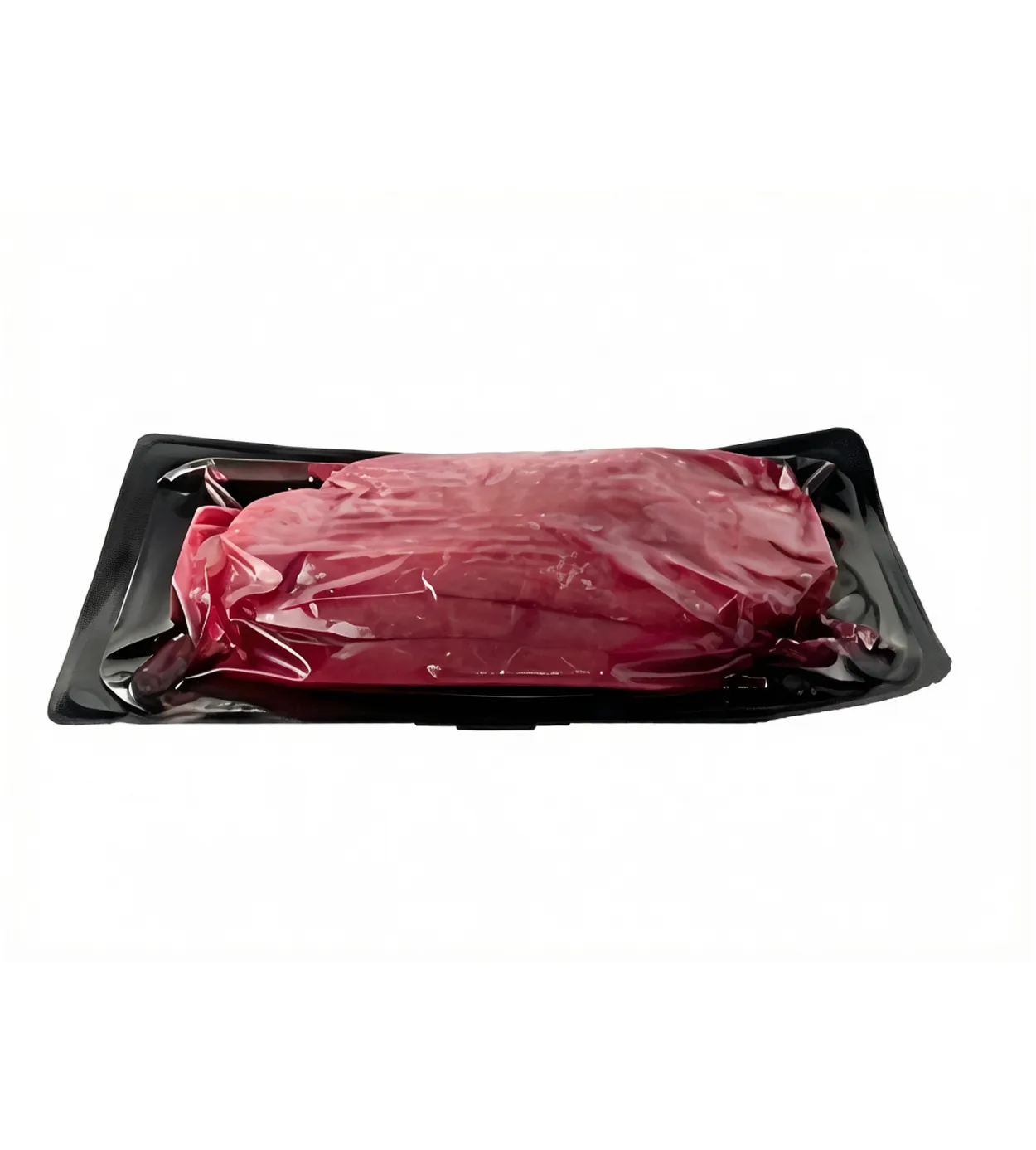
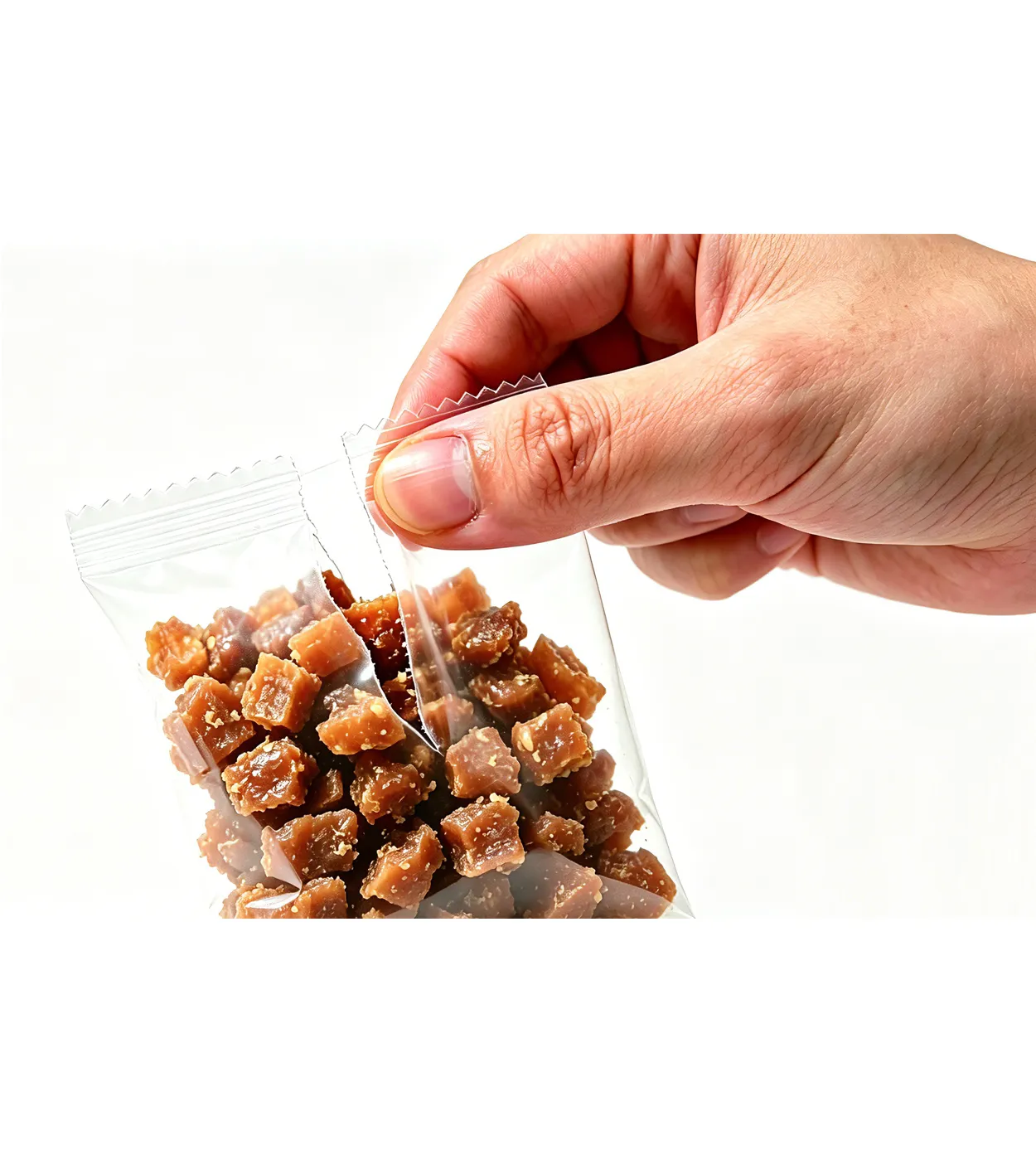
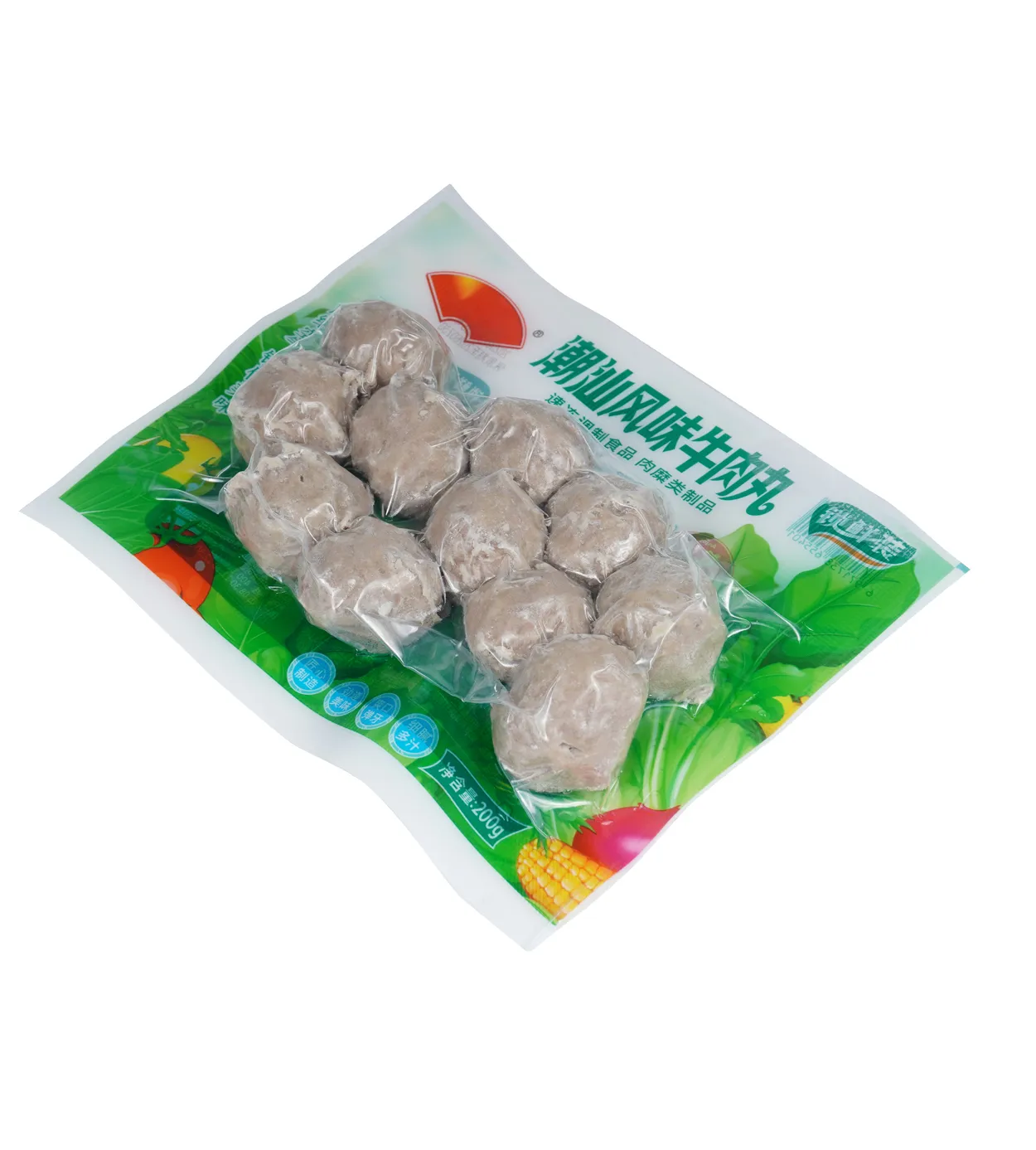
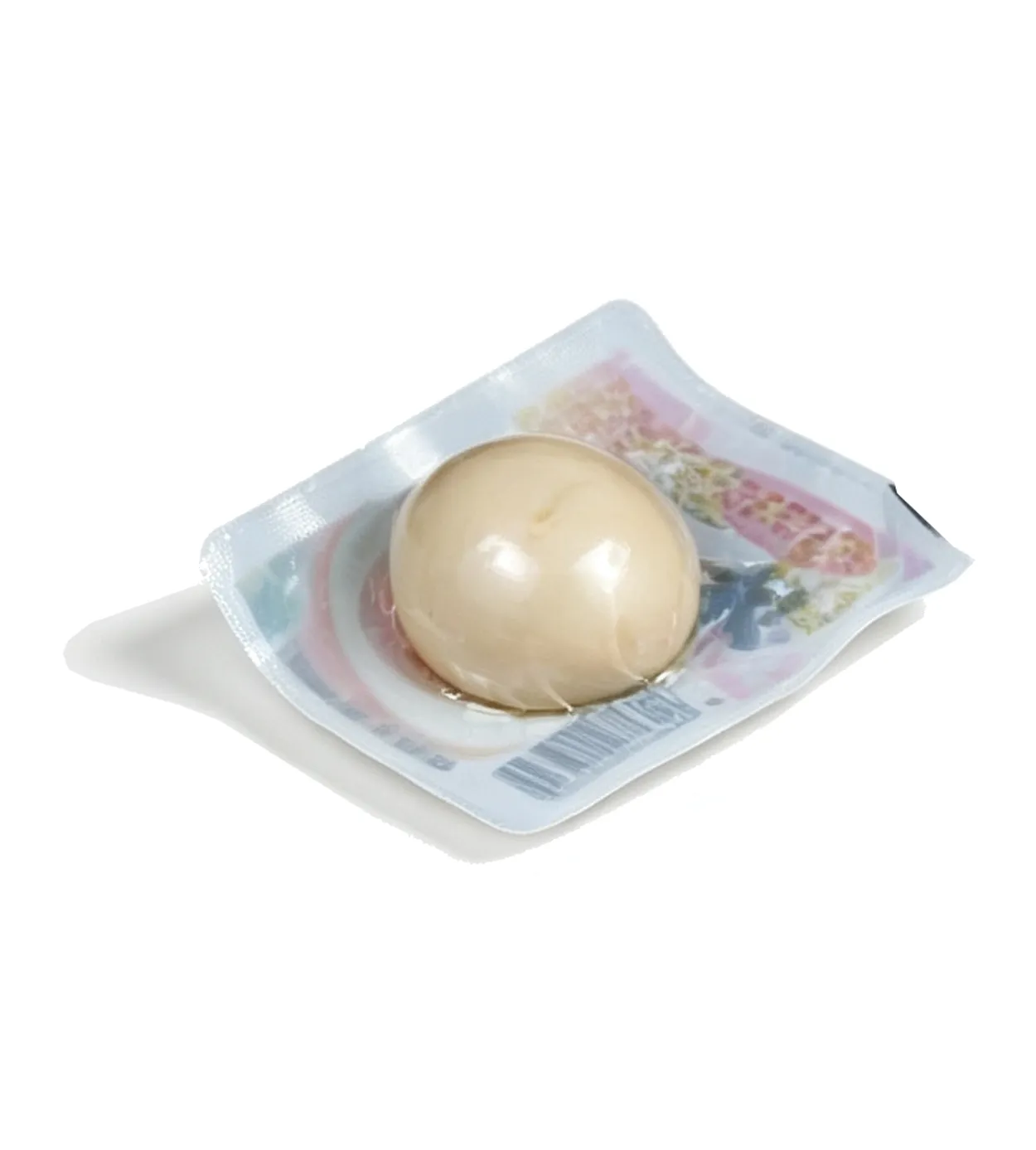
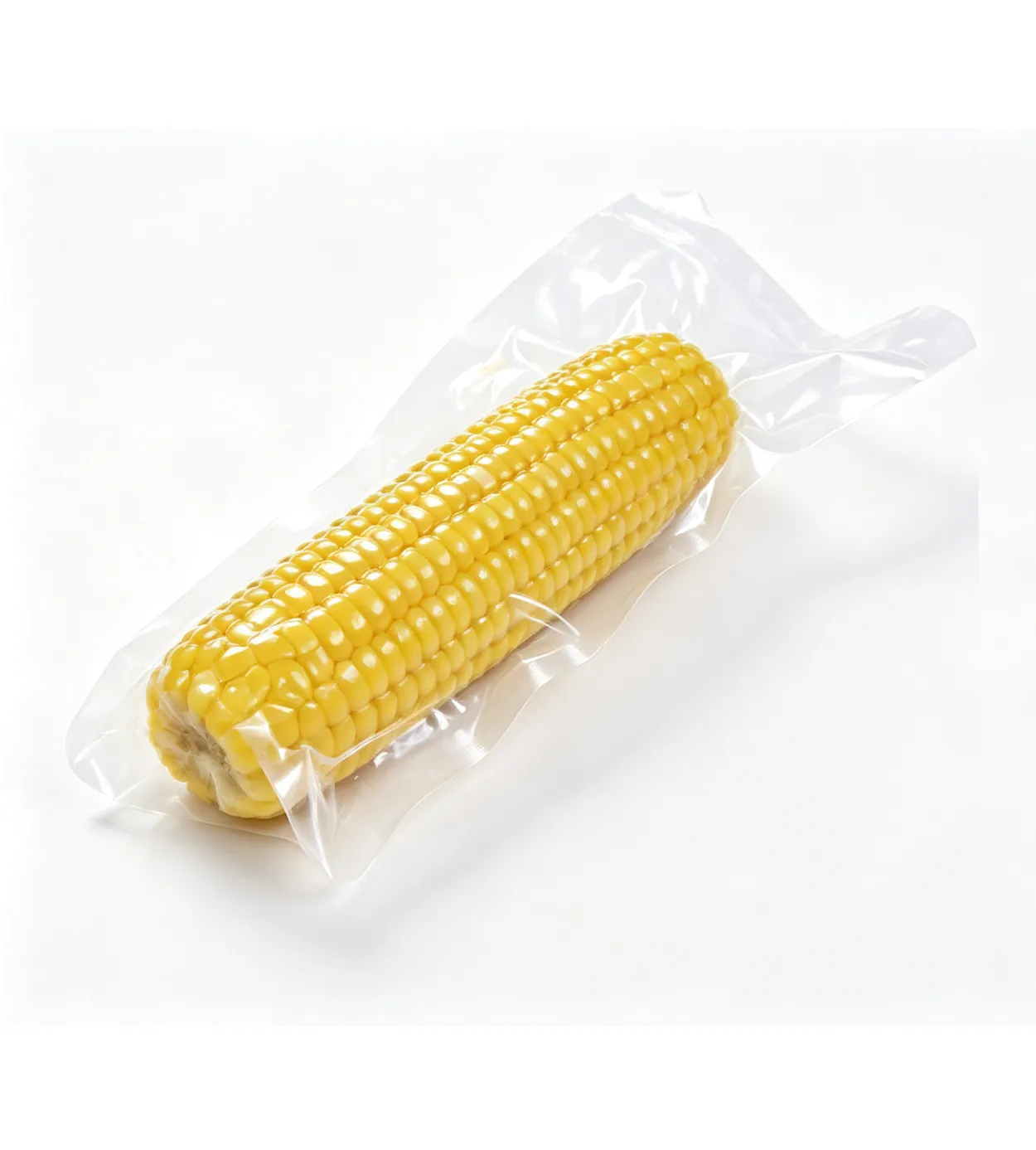
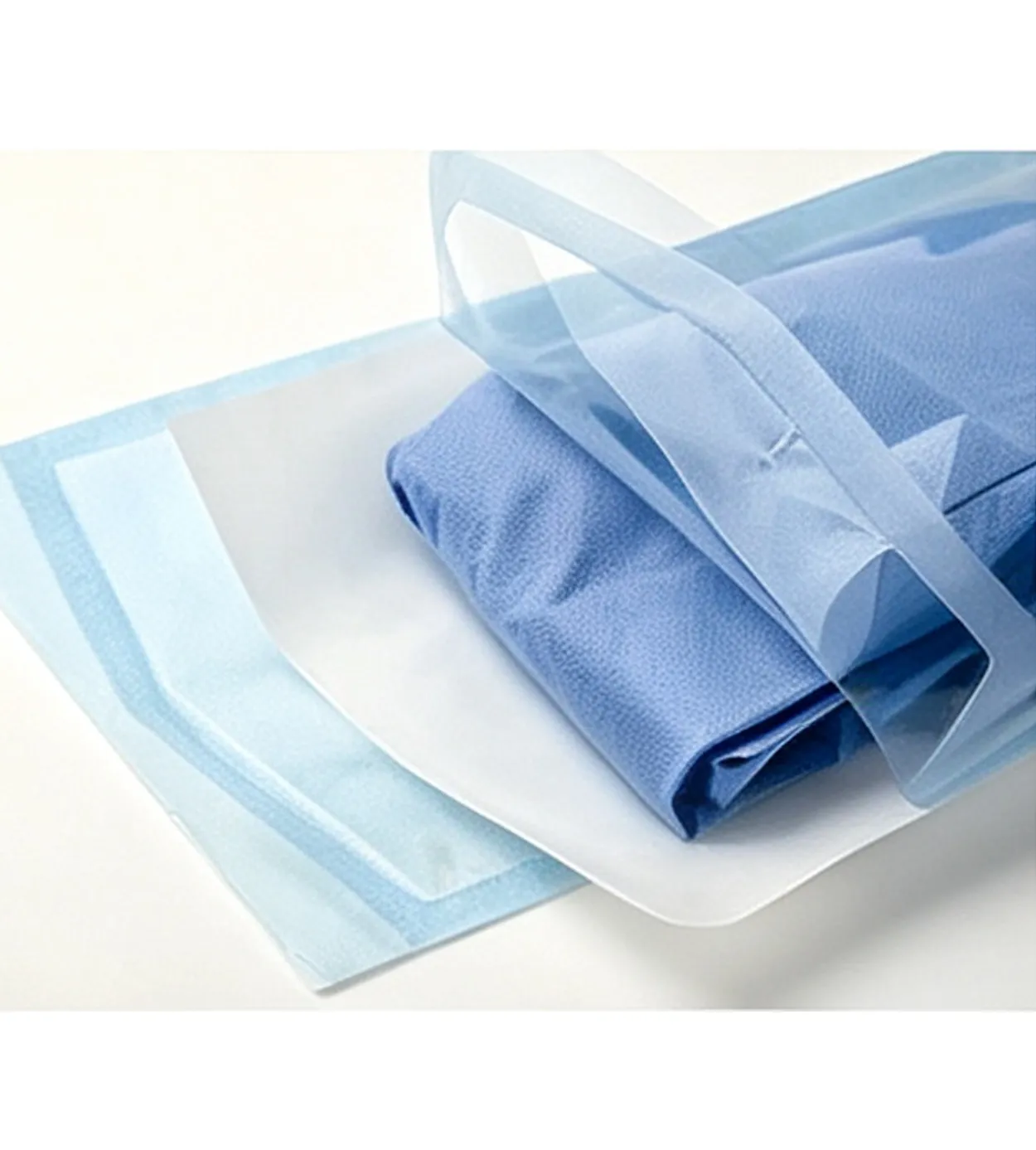
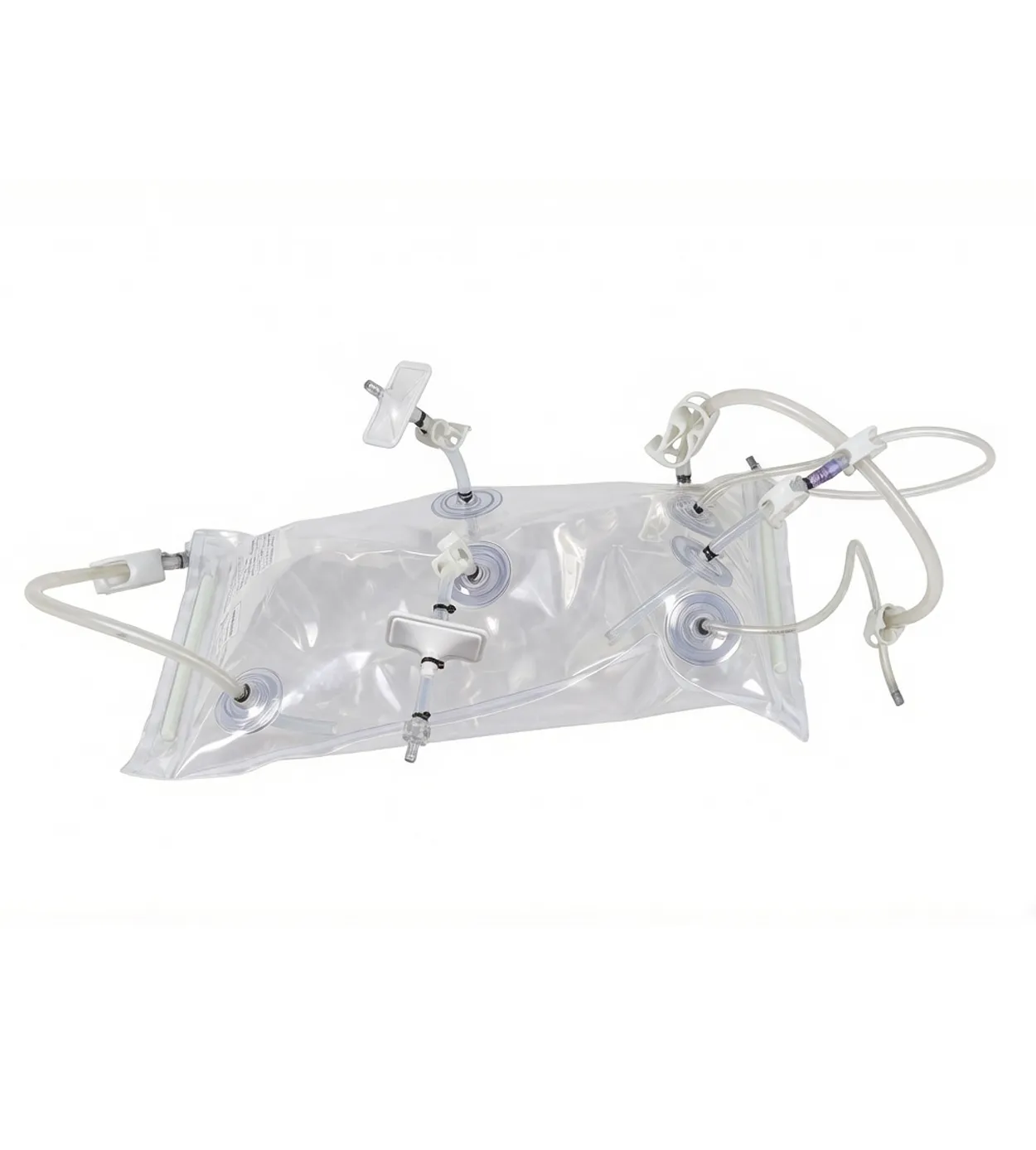
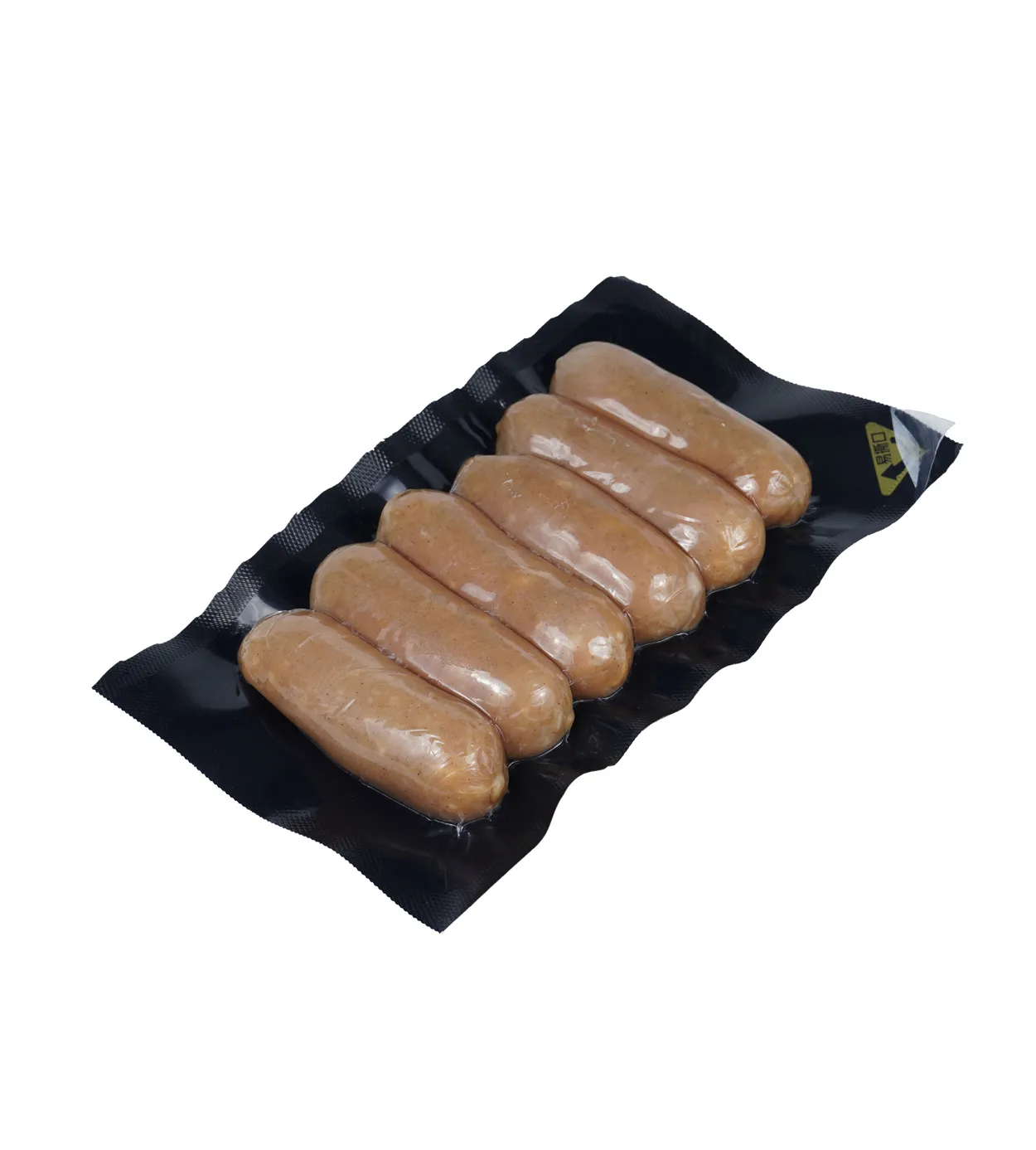
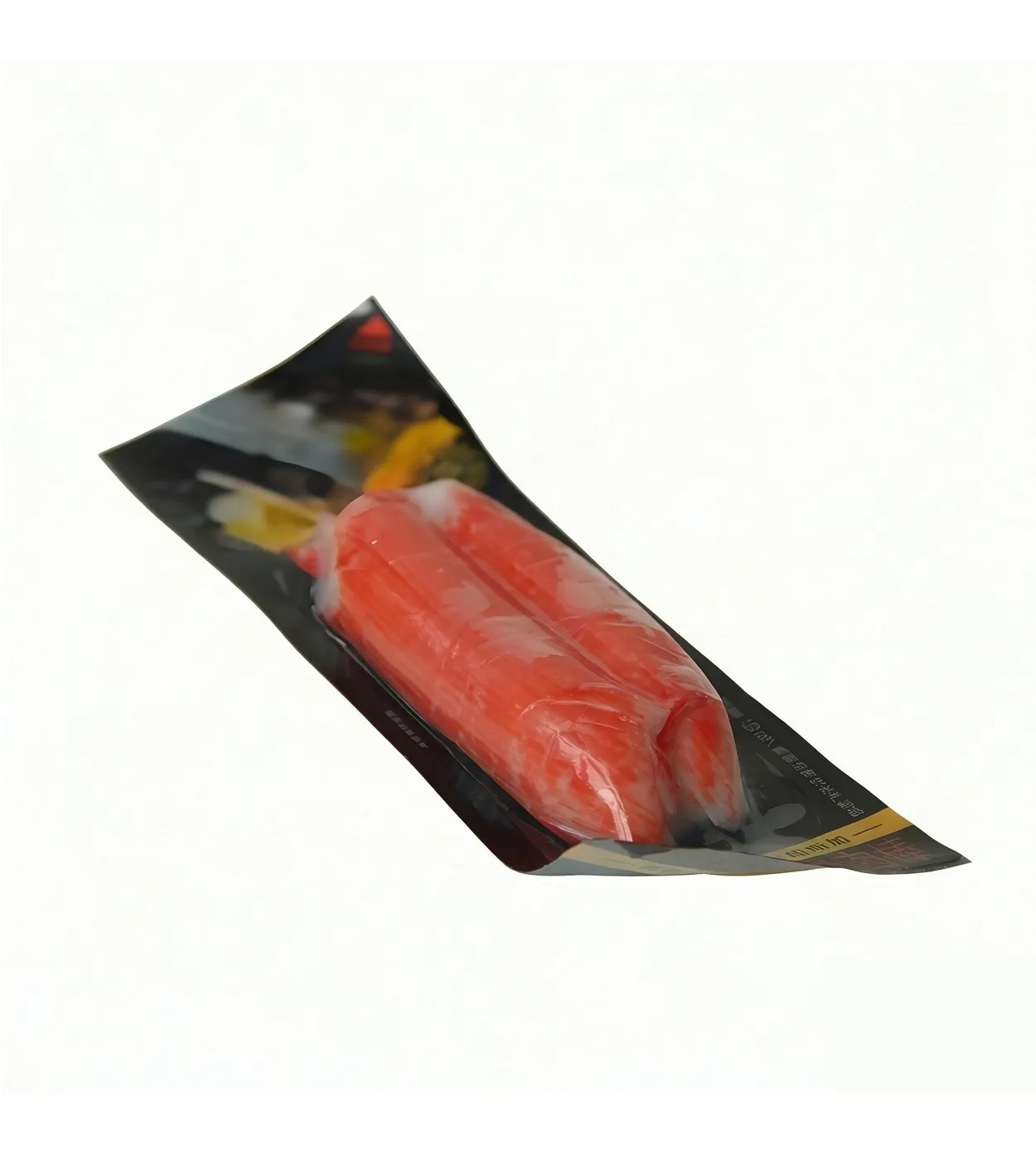
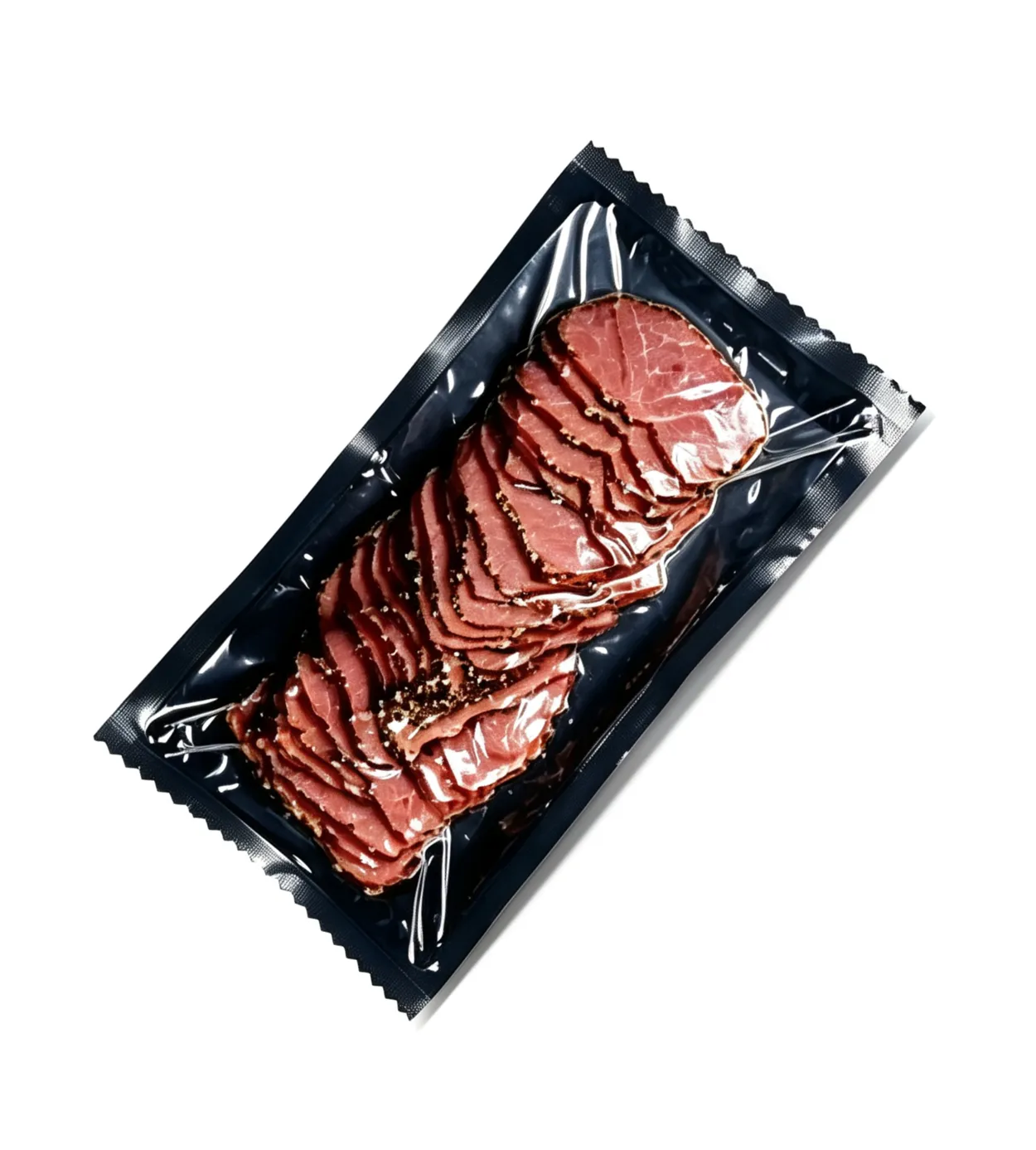
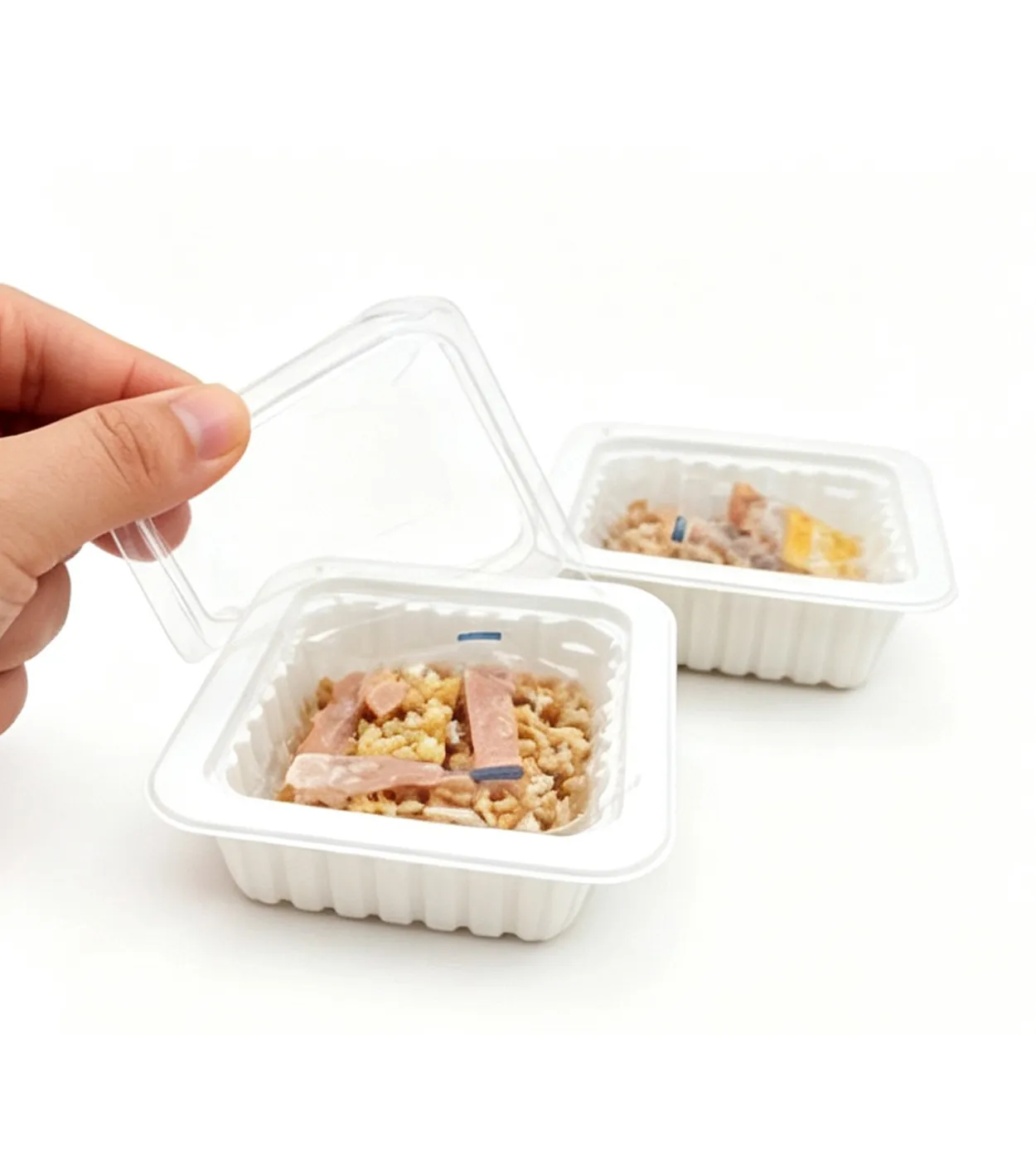
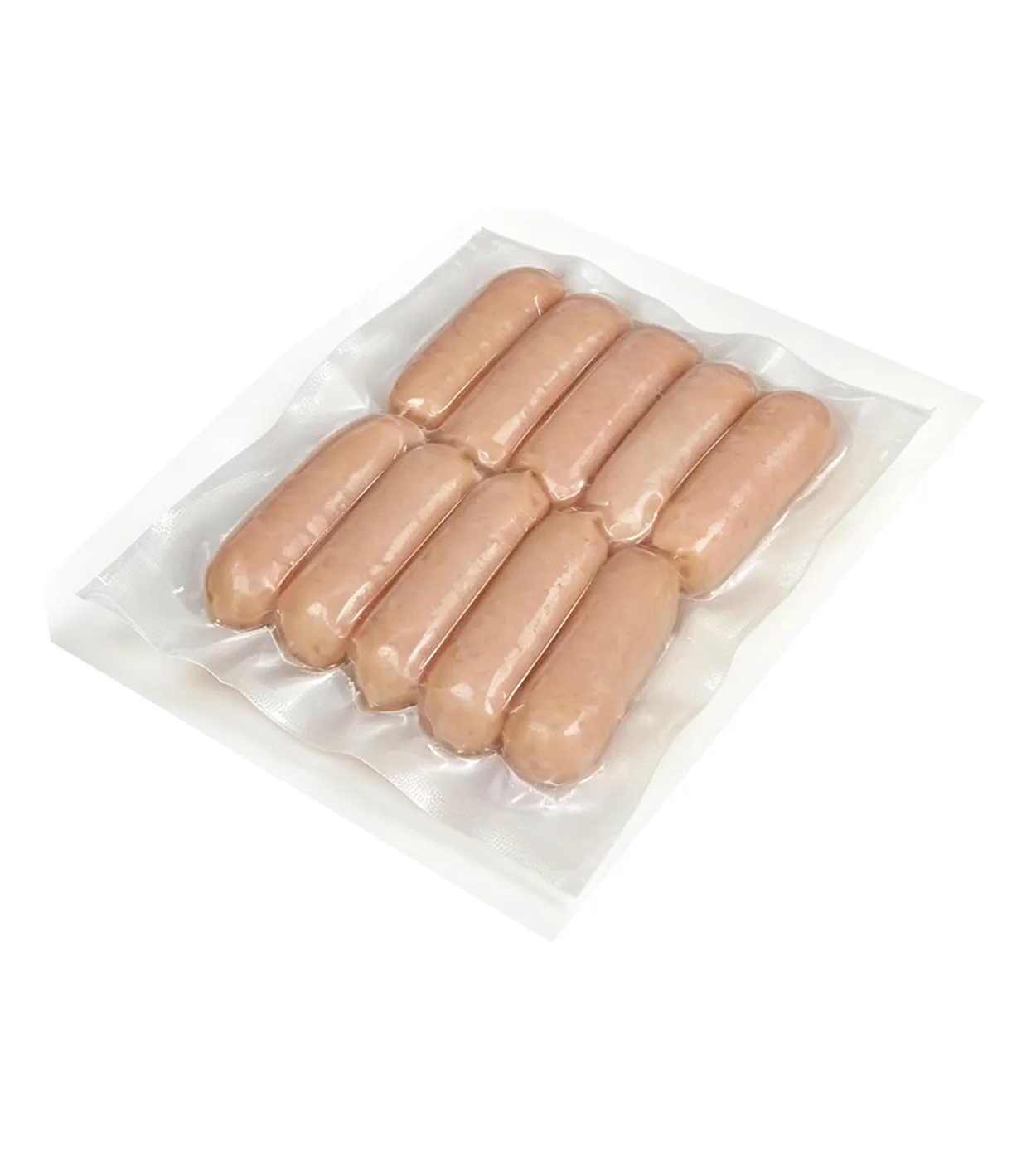
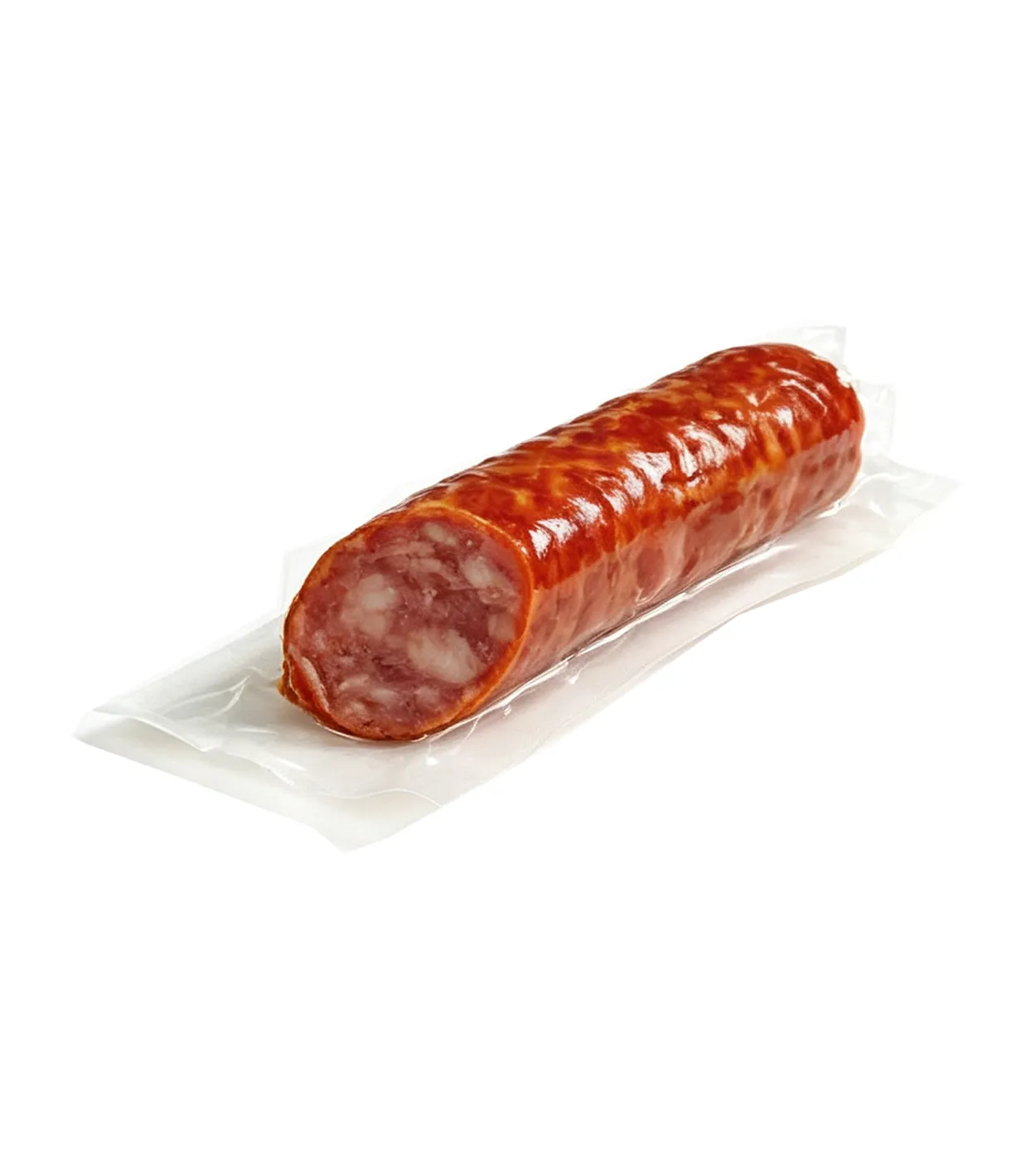
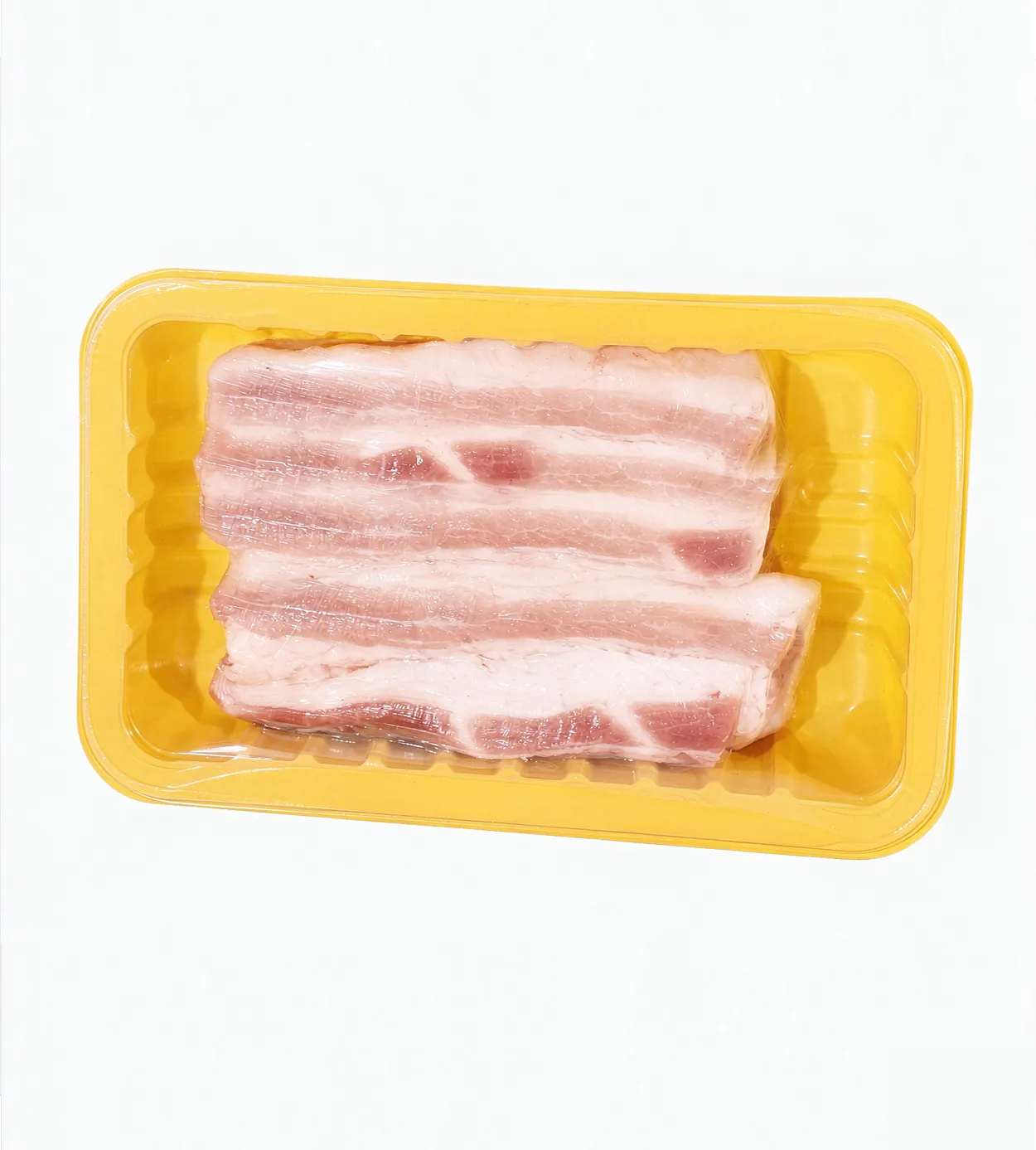
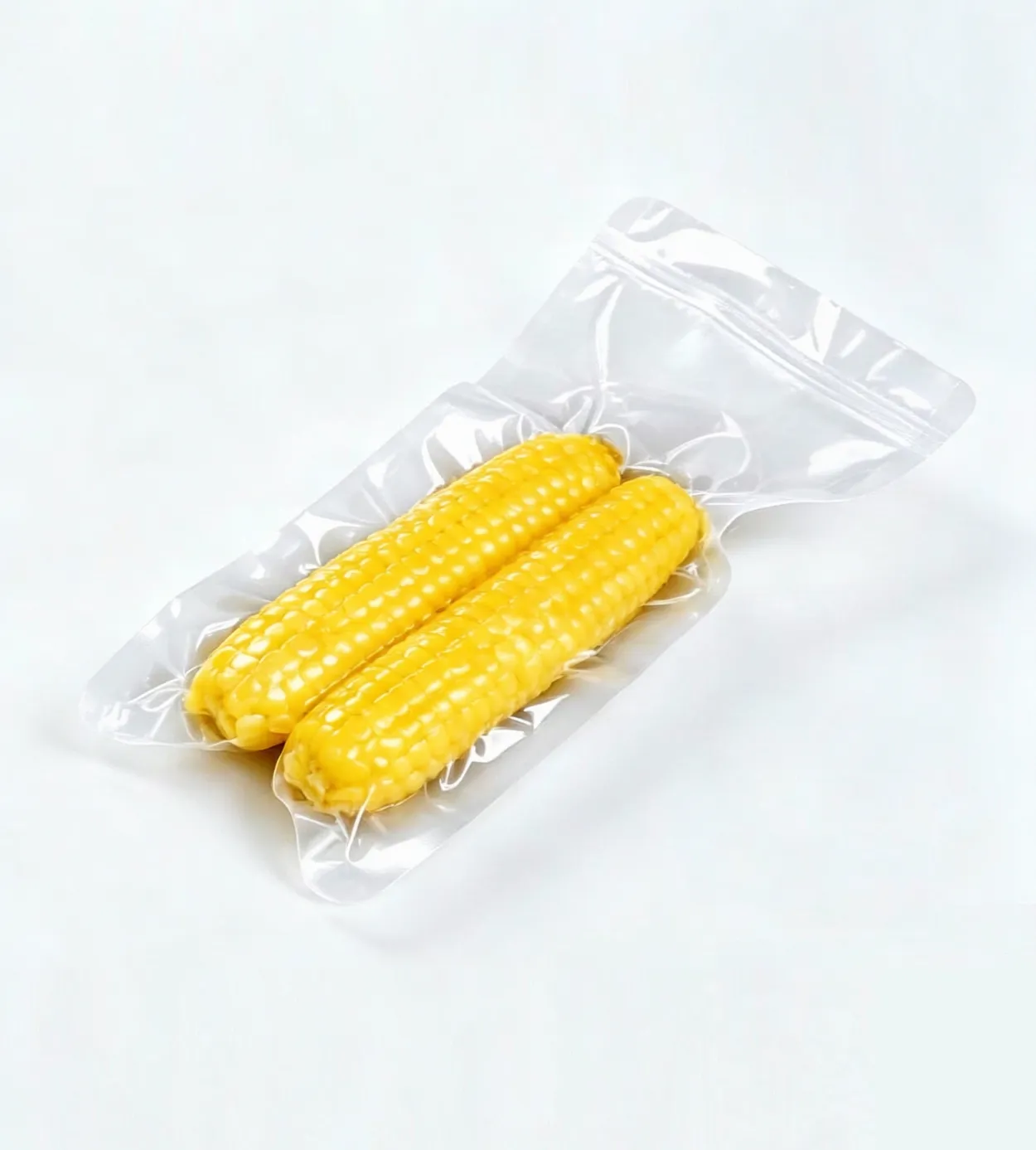
In a world where global food supply chains are increasingly complex, the role of packaging has shifted from simple containment to advanced preservation. Nowadays, the food industry faces a dual challenge: reducing food waste while meeting consumer demands for clean label products with fewer preservatives. The primary technology enabling this balance is barrier films.
By acting as a molecular shield, barrier films protect food from environmental spoilers such as oxygen, moisture, and light. The fundamental goal of these materials is to control the Oxygen Transmission Rate (OTR) and Water Vapor Transmission Rate (WVTR). Even the slightest breach in these barriers can lead to premature spoilage, loss of nutritional value, and compromised safety.
The chemistry of food spoilage is diverse. For example, high-fat foods like nuts or snacks are highly susceptible to oxidation, which leads to rancidity. Conversely, dry goods like cereal require an exceptional moisture barrier to maintain their texture. To address these varied needs, the industry utilizes different types of barrier materials.
Barrier films are categorized based on their specific protective properties. These range from metallized films that provide a total light and gas block to high-clarity transparent films that allow consumers to see the product. For many manufacturers, the challenge lies in achieving these barrier properties without making the packaging excessively bulky or difficult to process.
In this technical landscape, the quality of the film extrusion process is paramount.
When searching for reliable food packaging film, brands look for materials that offer not only protection but also excellent sealability and mechanical strength. GroupSmart’s solutions are engineered to withstand the rigors of high-speed packaging lines while ensuring that the internal atmosphere, often a precisely calibrated mix of gases known as Modified Atmosphere Packaging (MAP), remains stable throughout the product’s lifecycle.
For applications requiring the highest level of protection, such as fresh proteins, dairy, or medical-grade food products, the choice of production method is vital. GroupSmart's high barrier film utilizes multi-layer co-extrusion technology. Unlike traditional films, cast films often provide superior gauge uniformity and optical clarity. This allows for the integration of barrier layers like EVOH (Ethylene Vinyl Alcohol) or Polyamide (Nylon) in a way that remains thin, flexible, and crystal clear, satisfying both the functional needs of the producer and the aesthetic preferences of the consumer.
The demand for high barrier packaging is higher than ever, and the reasons go beyond simple preservation. High barrier packaging matters nowadays because it is intrinsically linked to sustainability. While plastic reduction is a major goal, the environmental cost of food waste often outweighs the impact of the packaging itself. High-performance barrier films prevent thousands of tons of food from ending up in landfills by extending shelf life from days to weeks.
Furthermore, there is an increasing convergence between food and pharmaceutical packaging standards. Consumers now expect food packaging to be as sterile and robust as medical packaging. This has led to the adoption of sophisticated multi-layer structures that can prevent the migration of mineral oils or other external contaminants into the food.
Barrier films for food packaging represent the perfect intersection of chemistry, engineering, and logistics. They are the invisible guardians of the modern pantry, ensuring that the food we eat is safe, nutritious, and flavorful regardless of how far it has traveled.
For brands looking to stay competitive, the choice of packaging material is a strategic decision. By leveraging advanced technologies like GroupSmart’s high barrier cast film, companies can protect their products with precision-engineered layers that meet the stringent demands of the 21st-century market. As we look toward the future, the focus will remain on perfecting these barriers, making them thinner and more protective, to ensure a safer and more efficient global food system.