English
  日本語
日本語  한국어
한국어  français
  Deutsch
  Español
  italiano
  русский
  português
  العربية
  Indonesia
  tiếng việt
  हिंदी
हिंदी  Türkçe
Related GroupSmart News
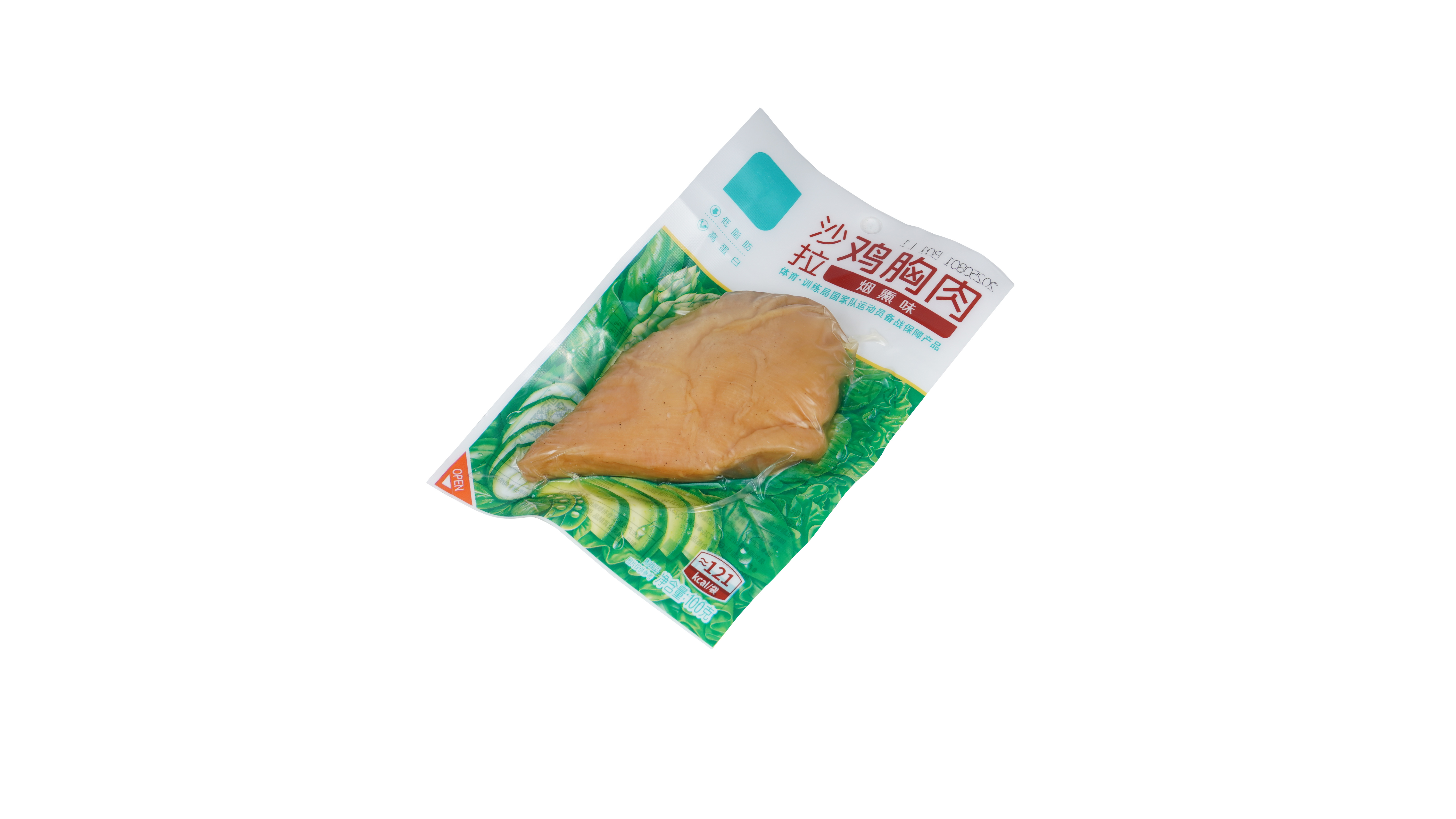



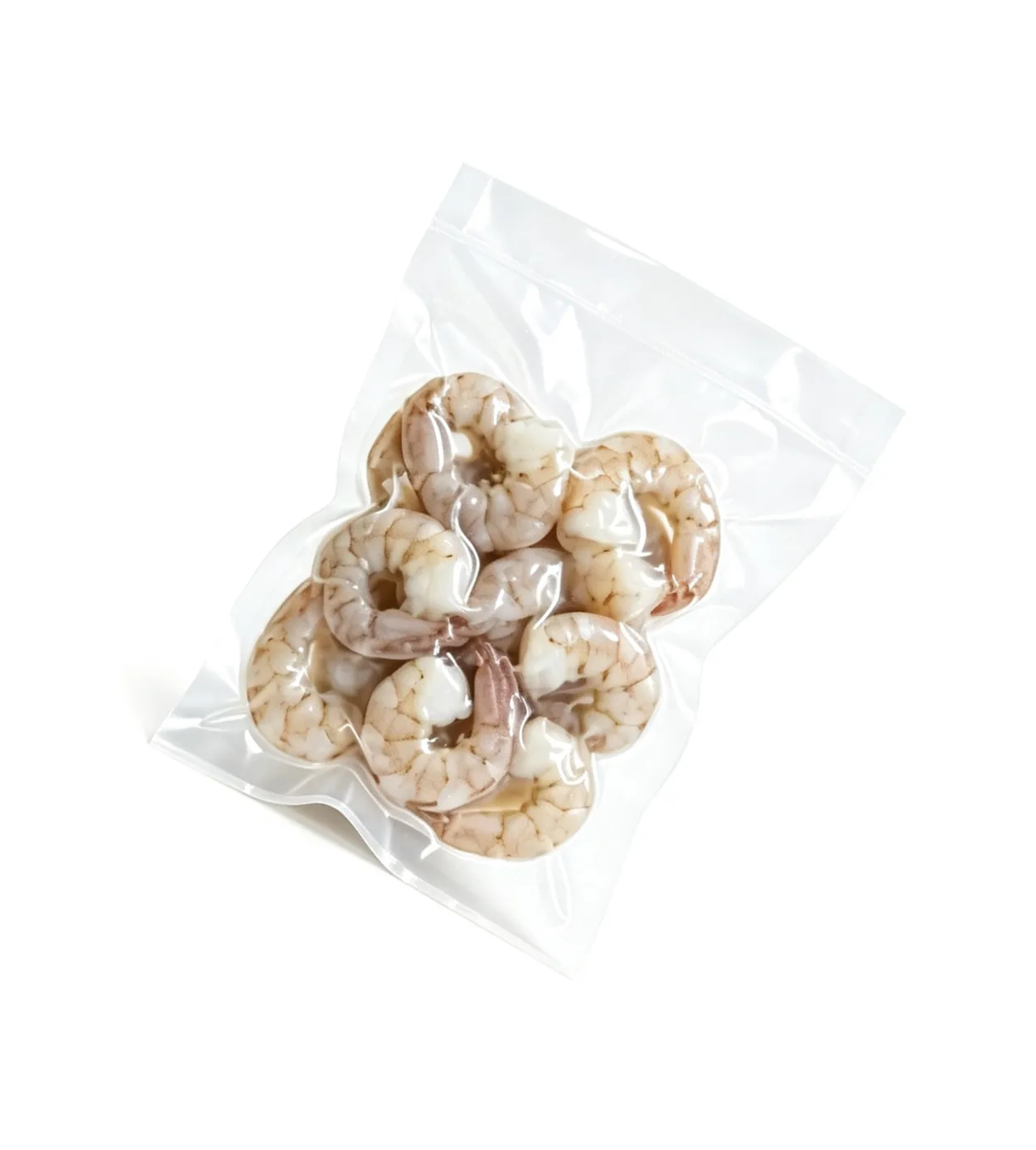
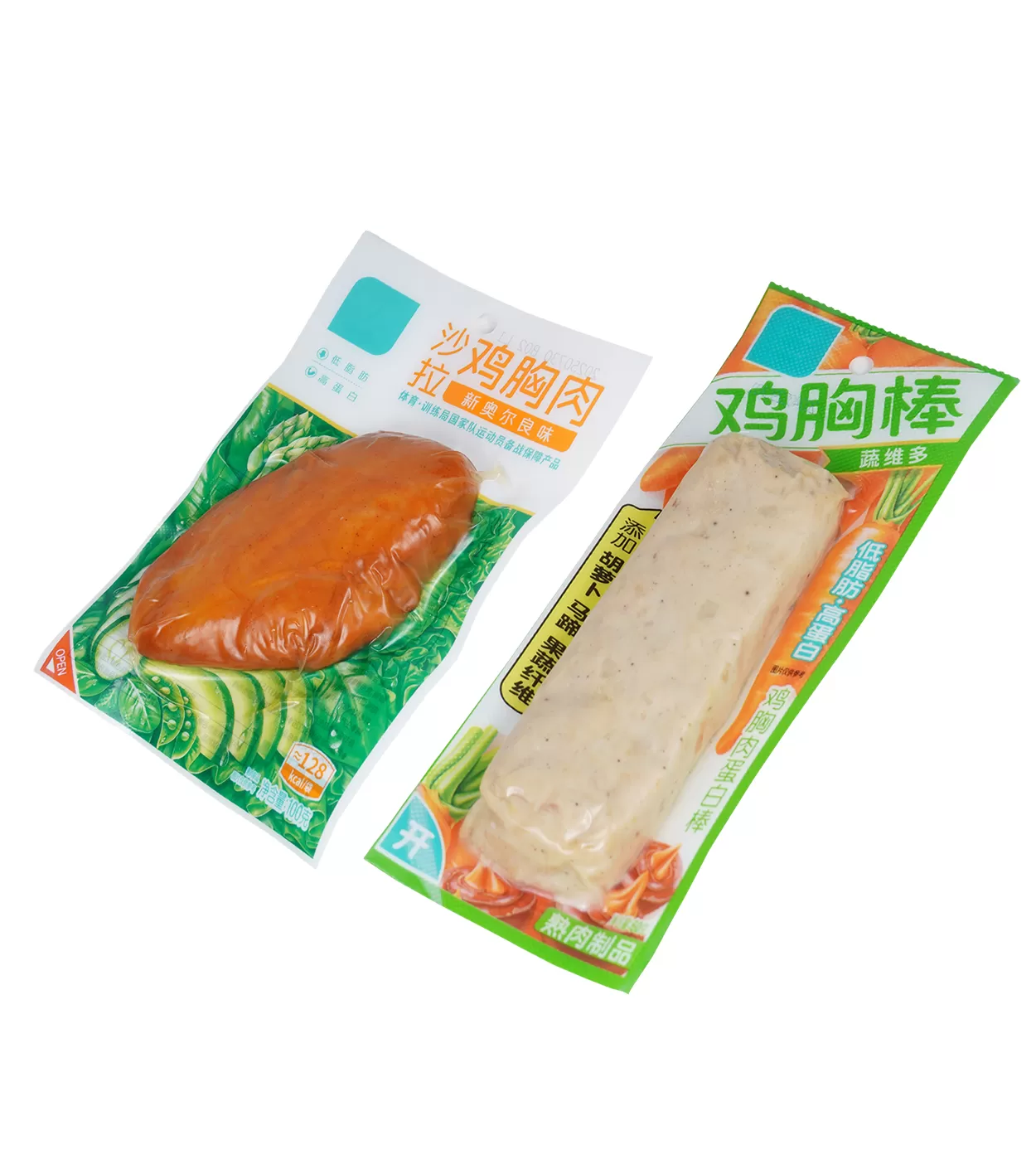
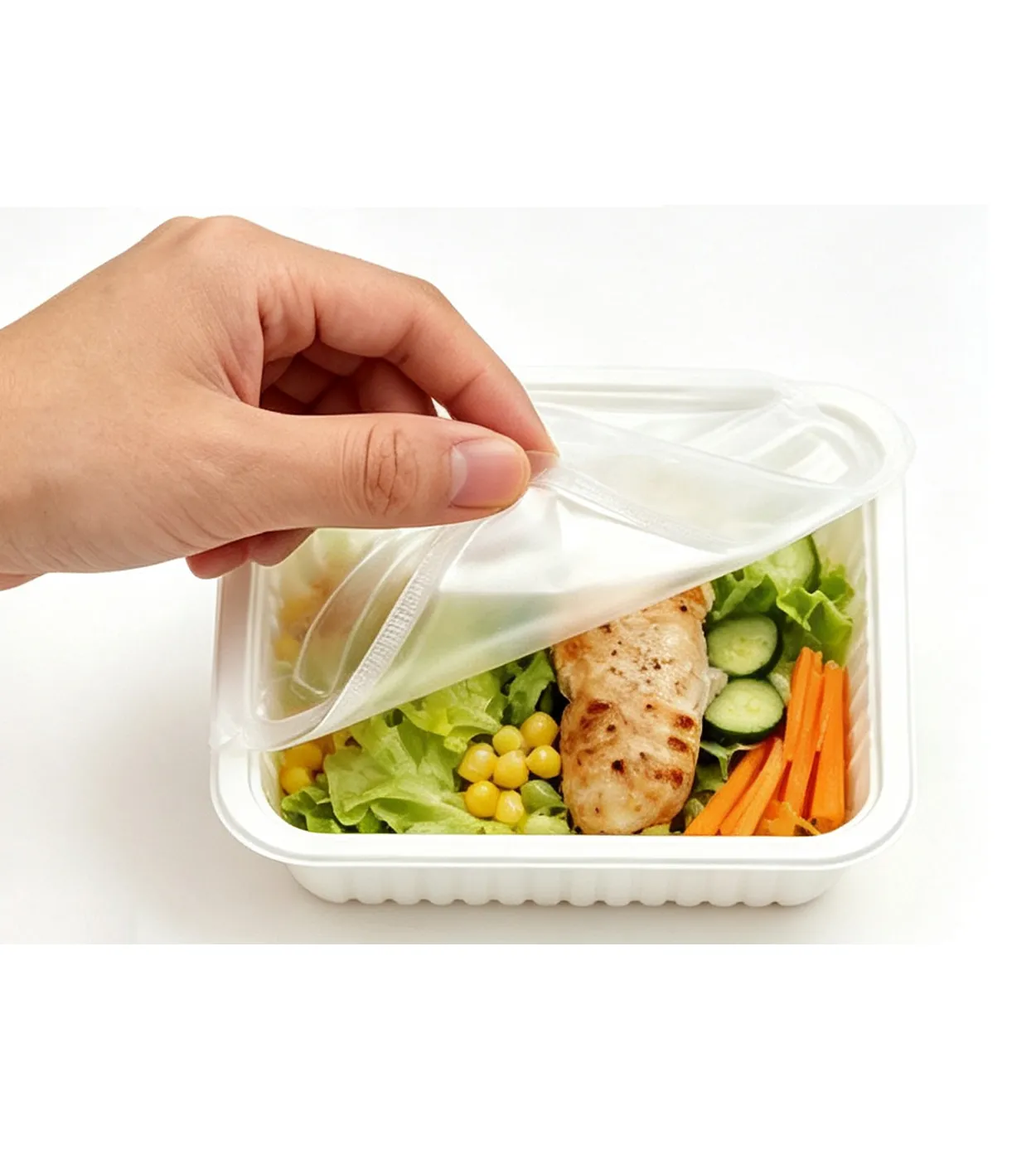
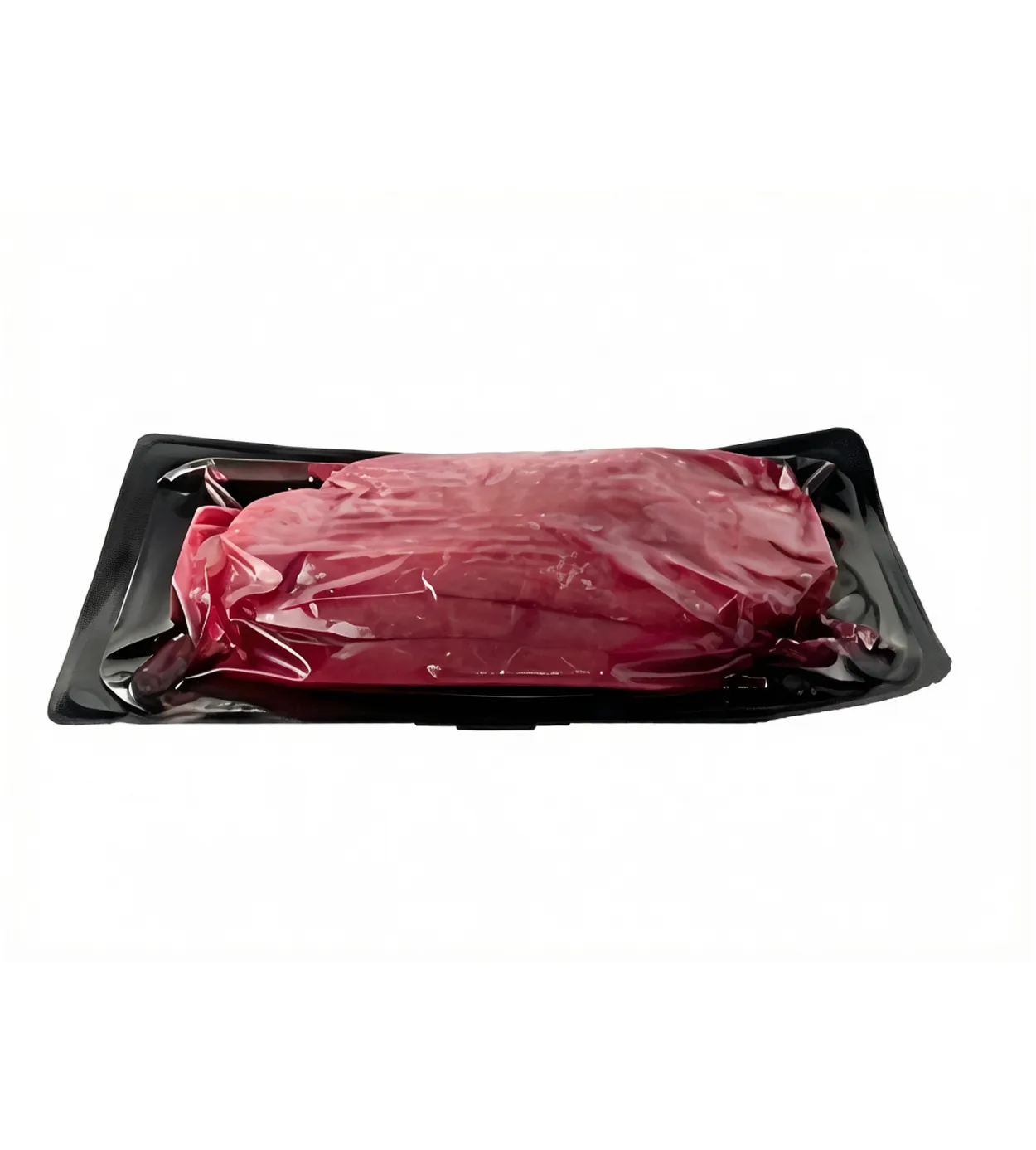
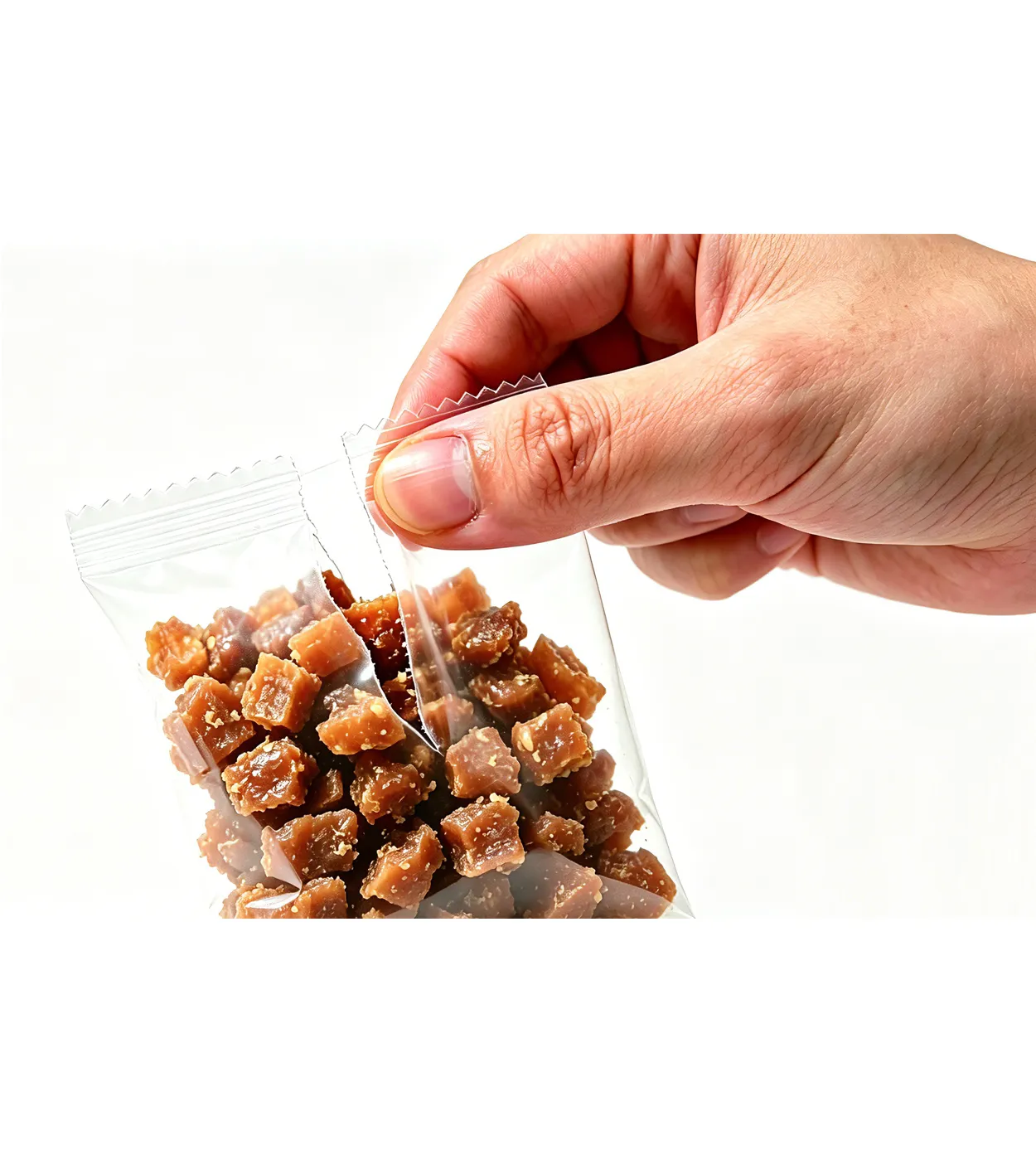
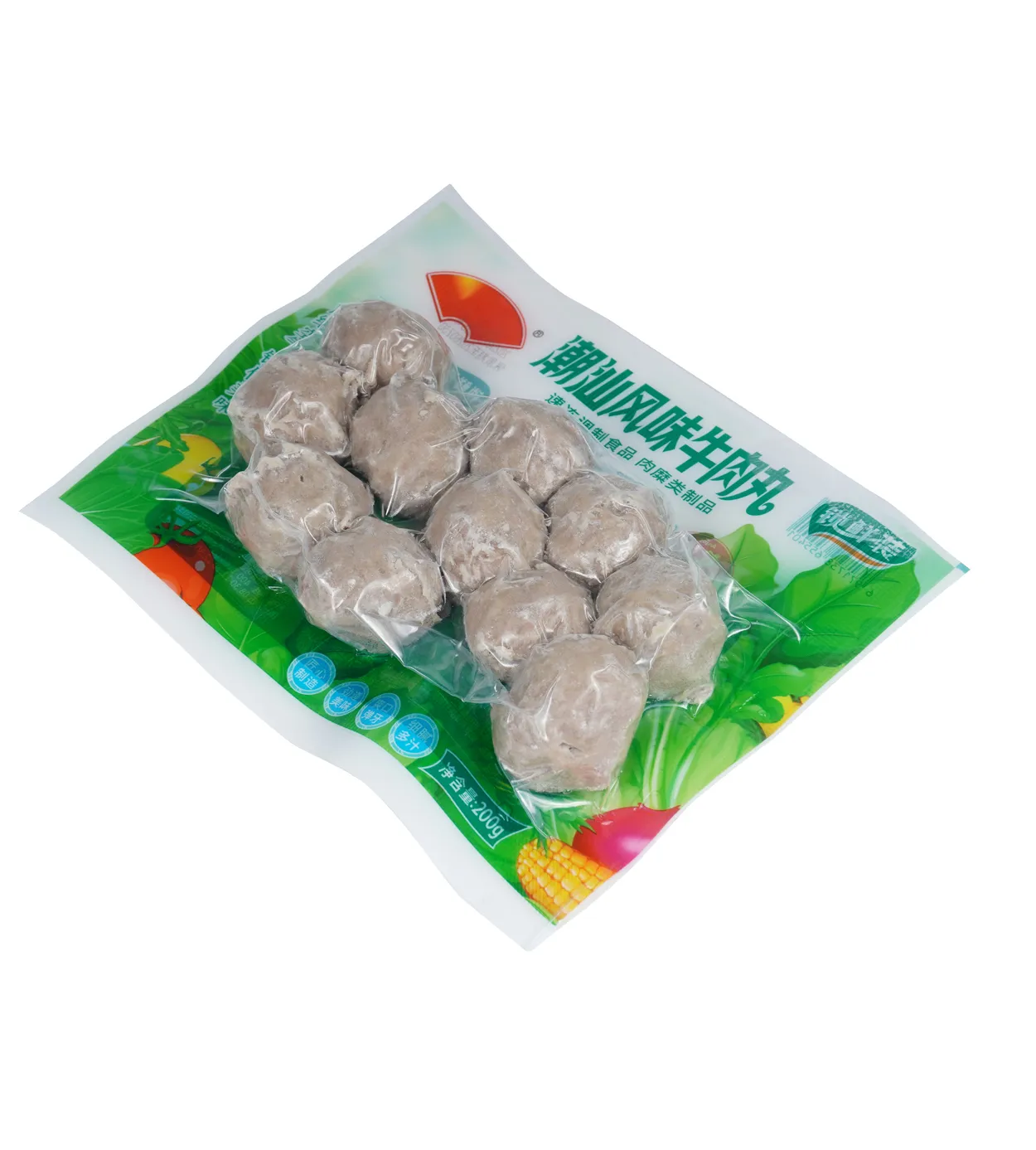
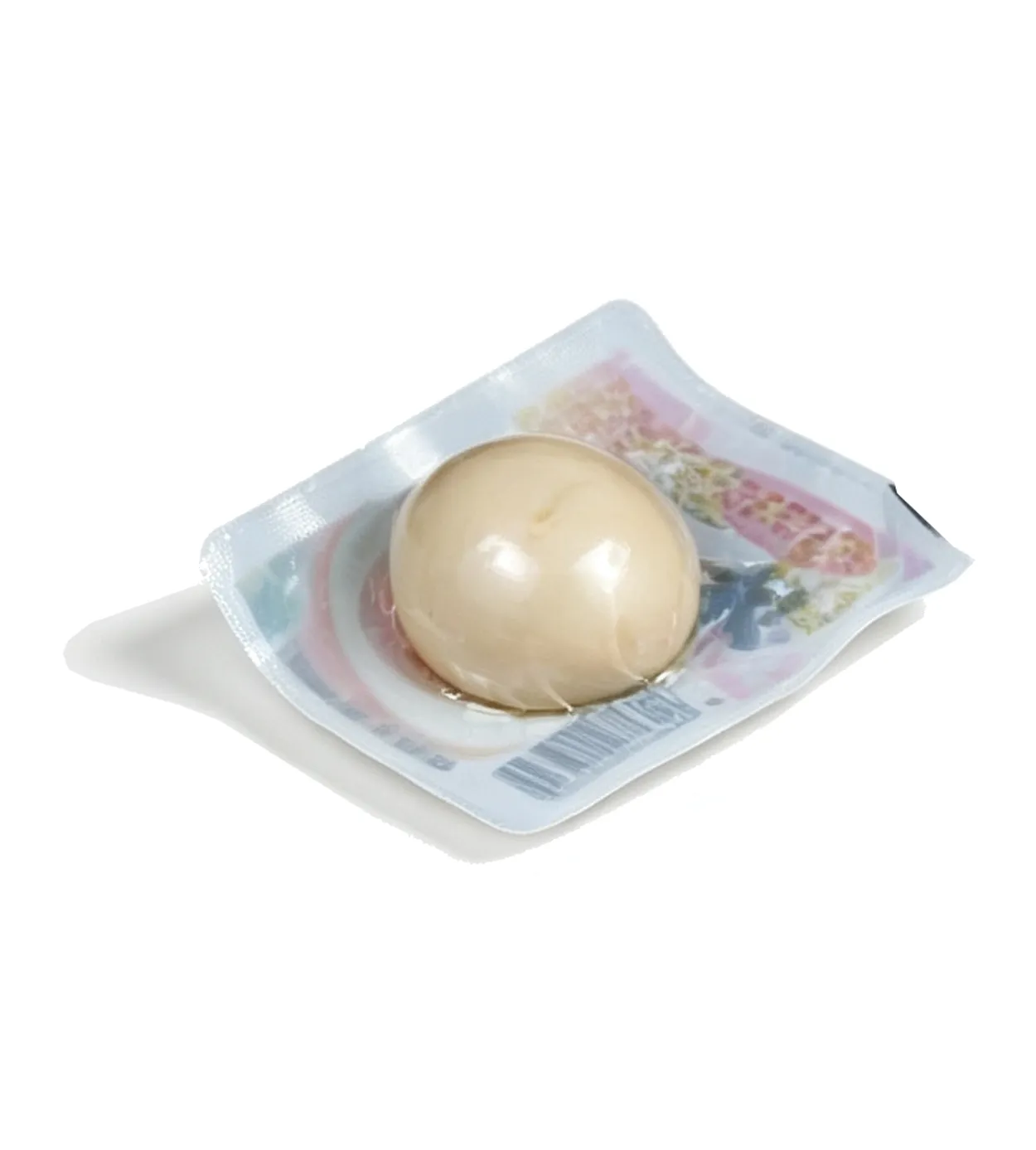
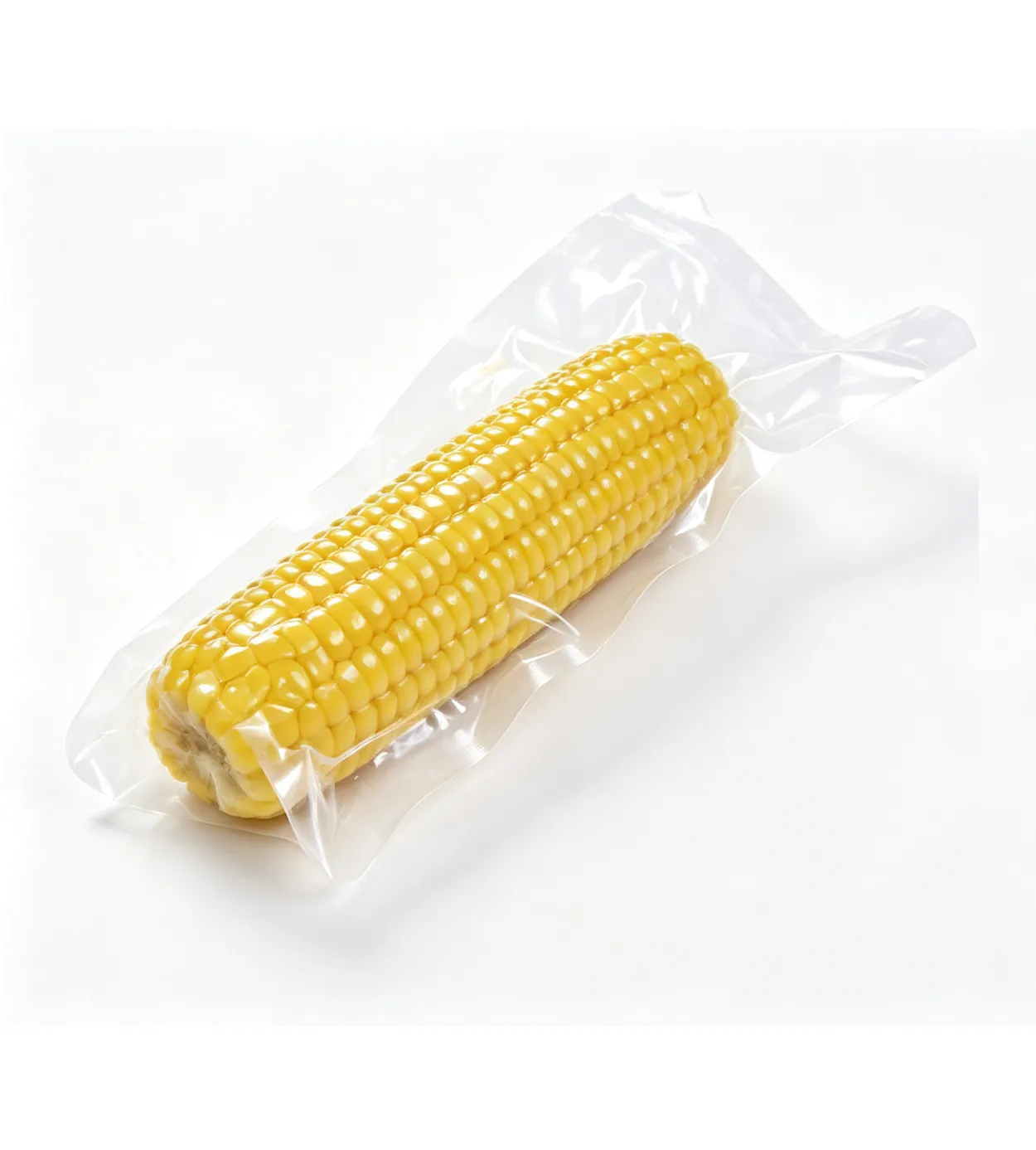

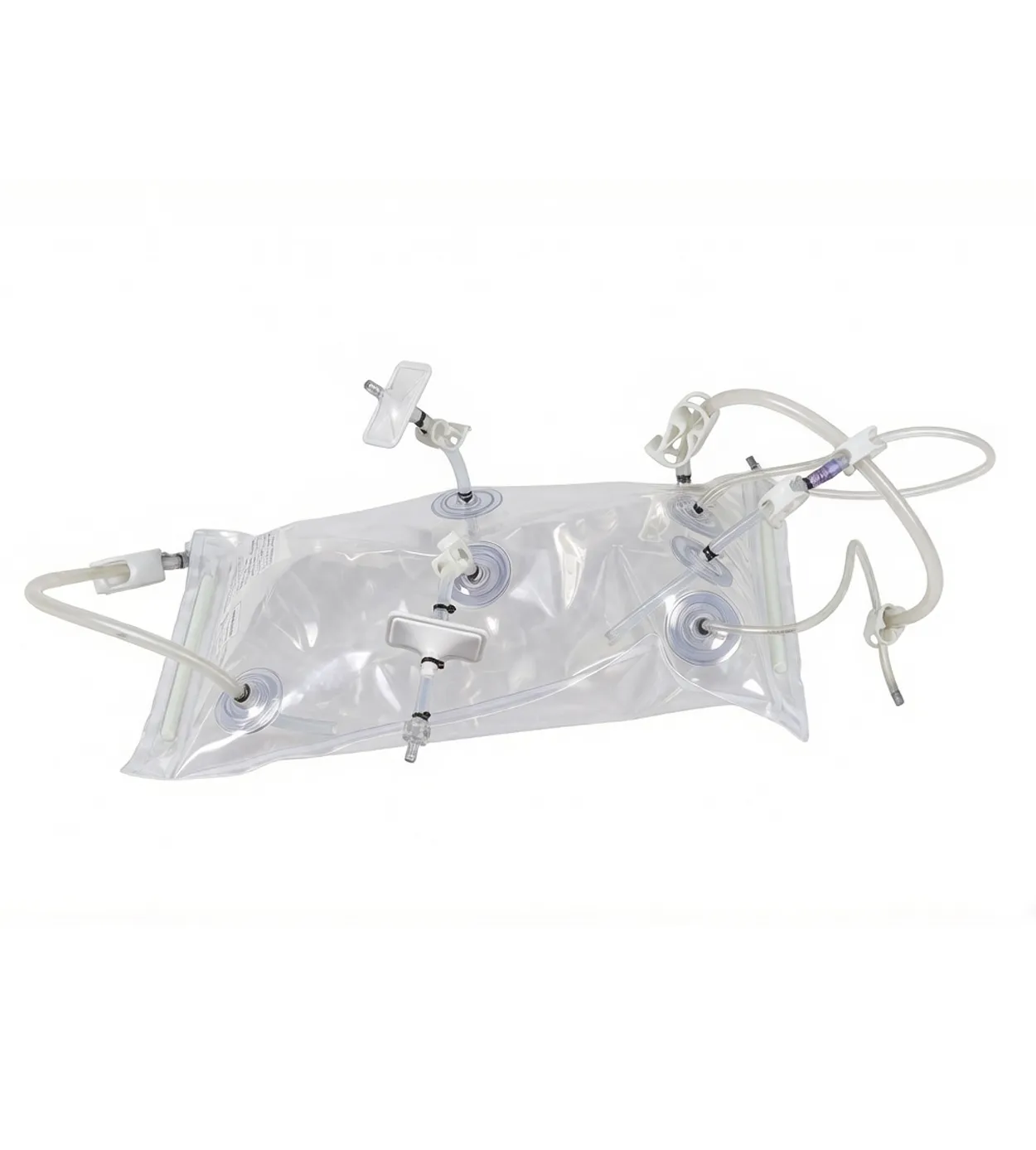
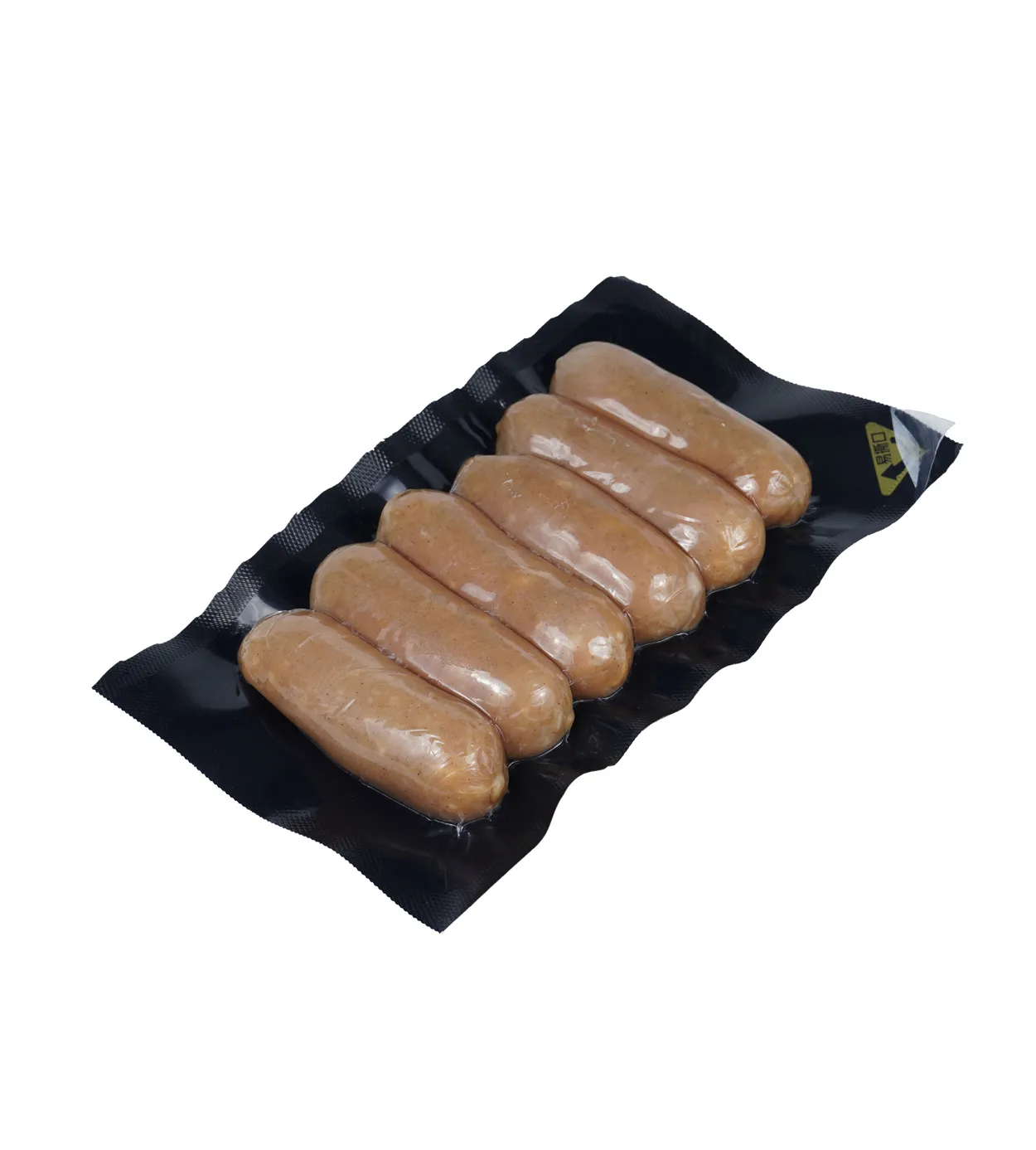
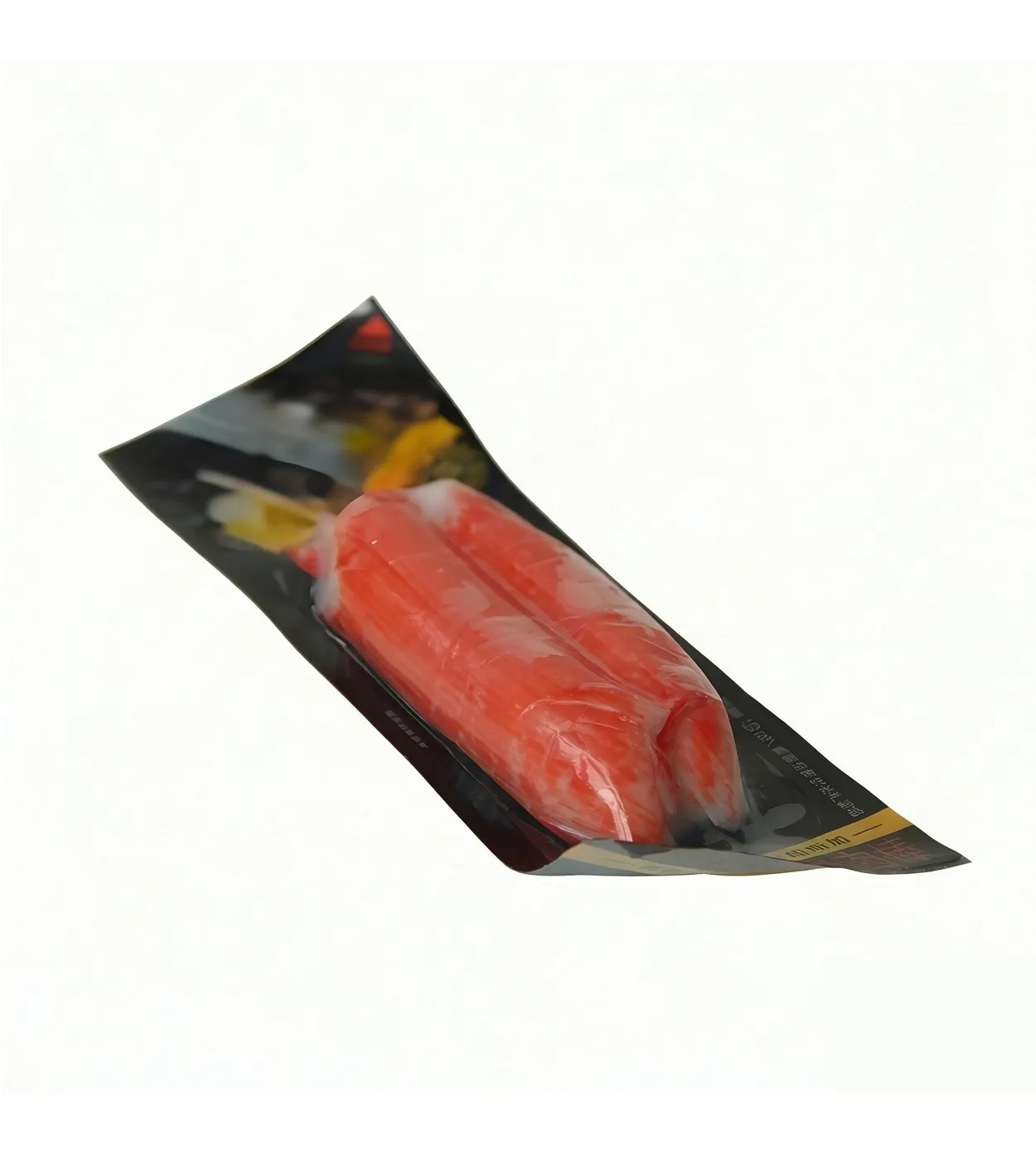
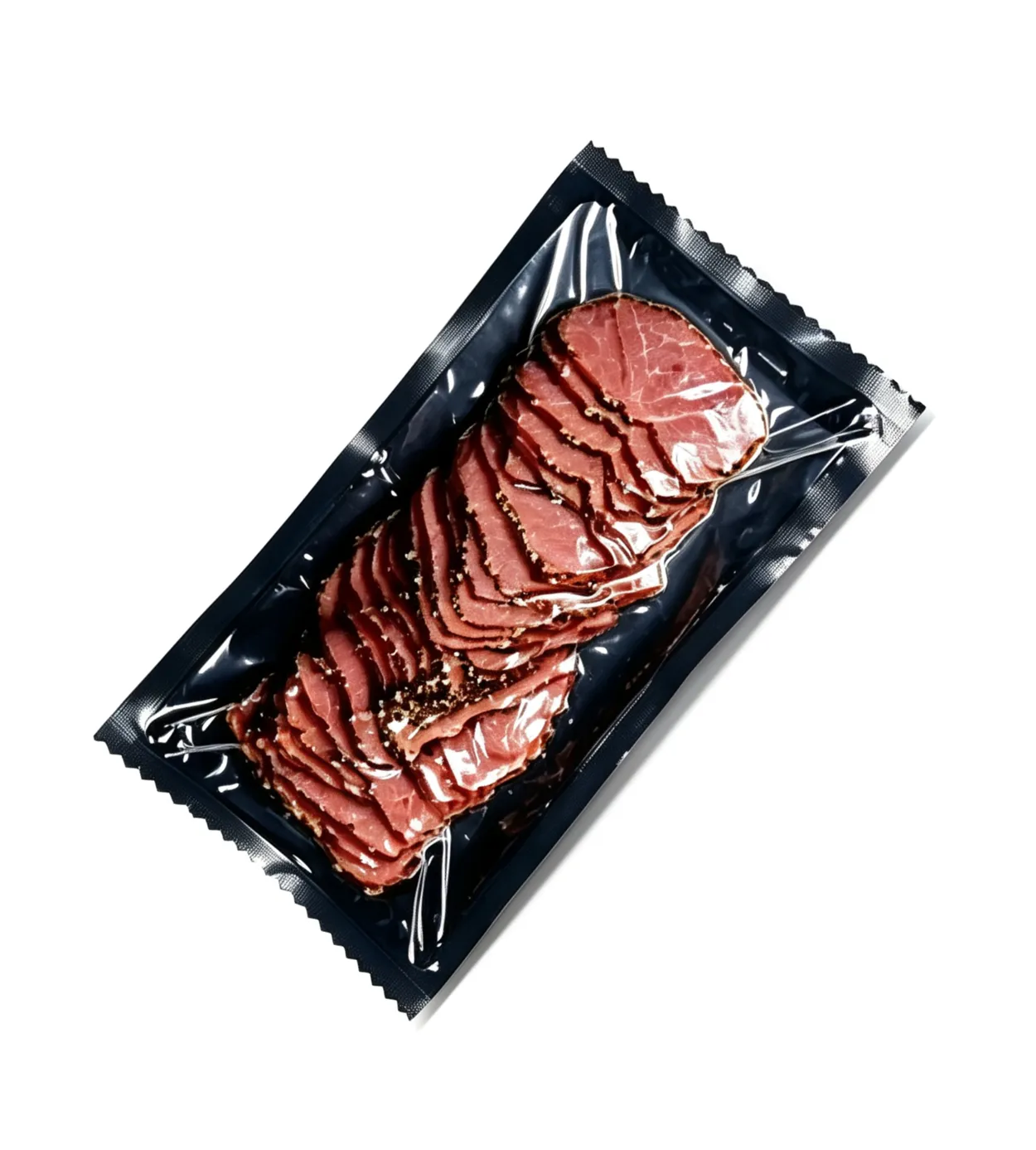
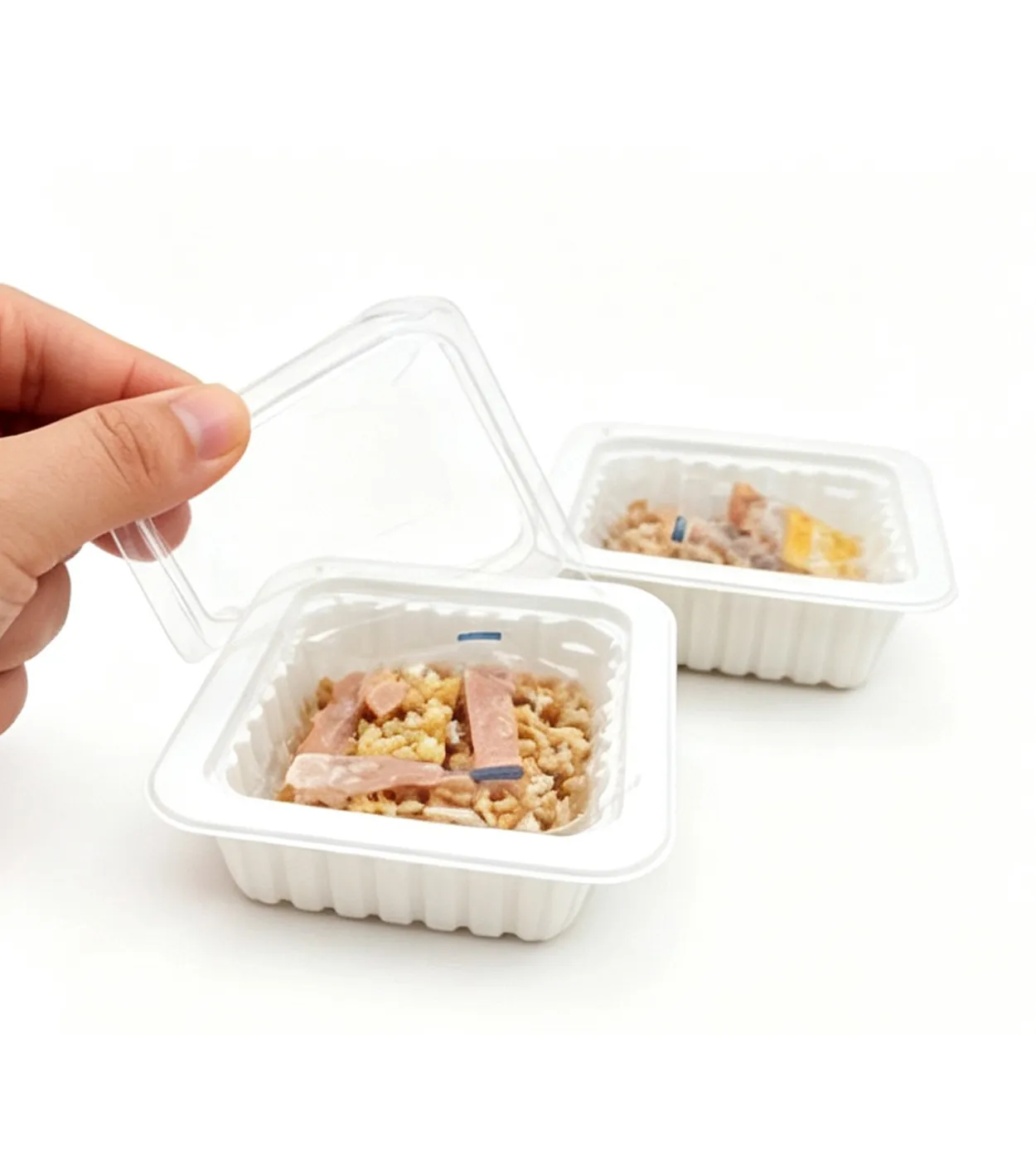
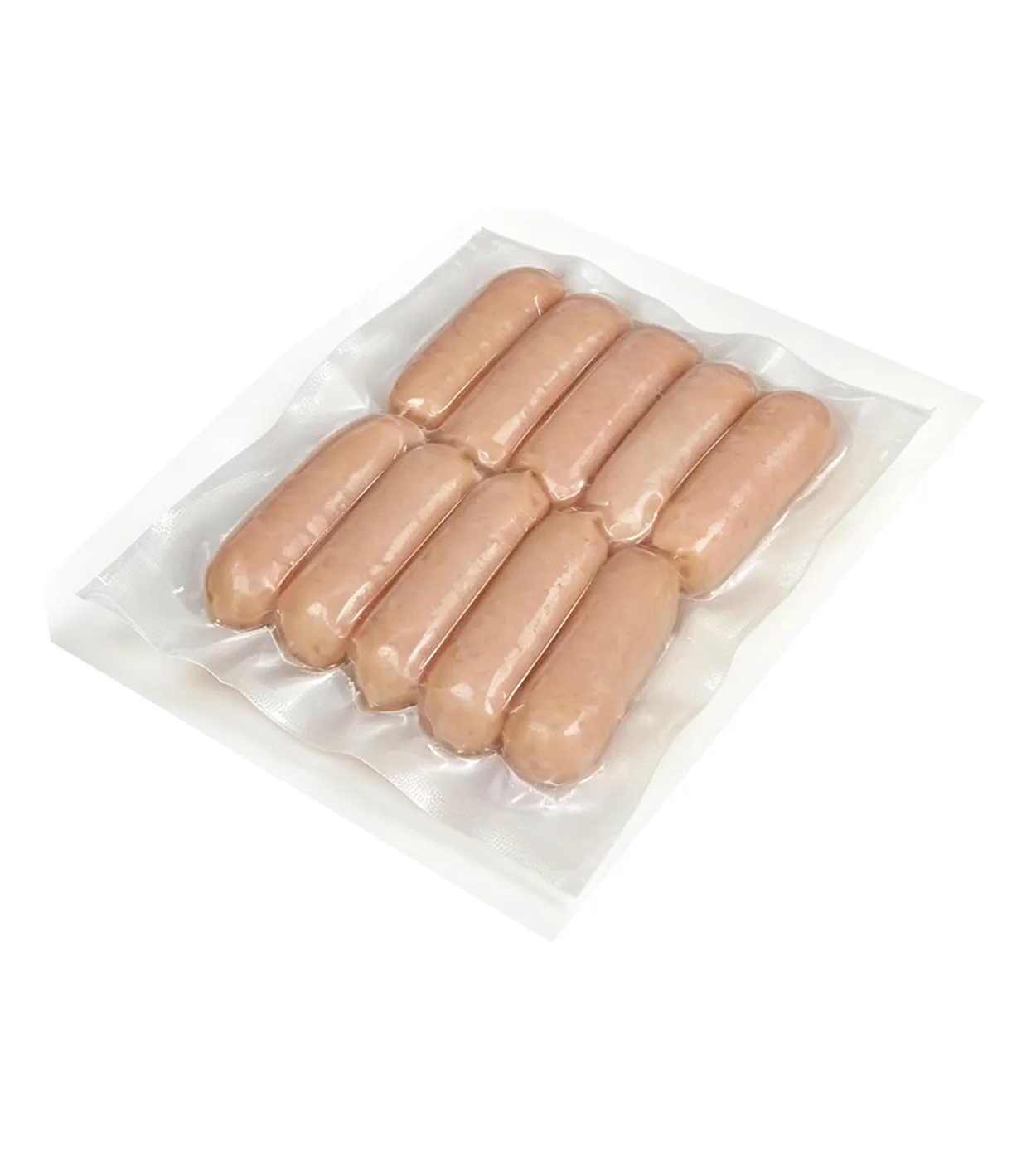
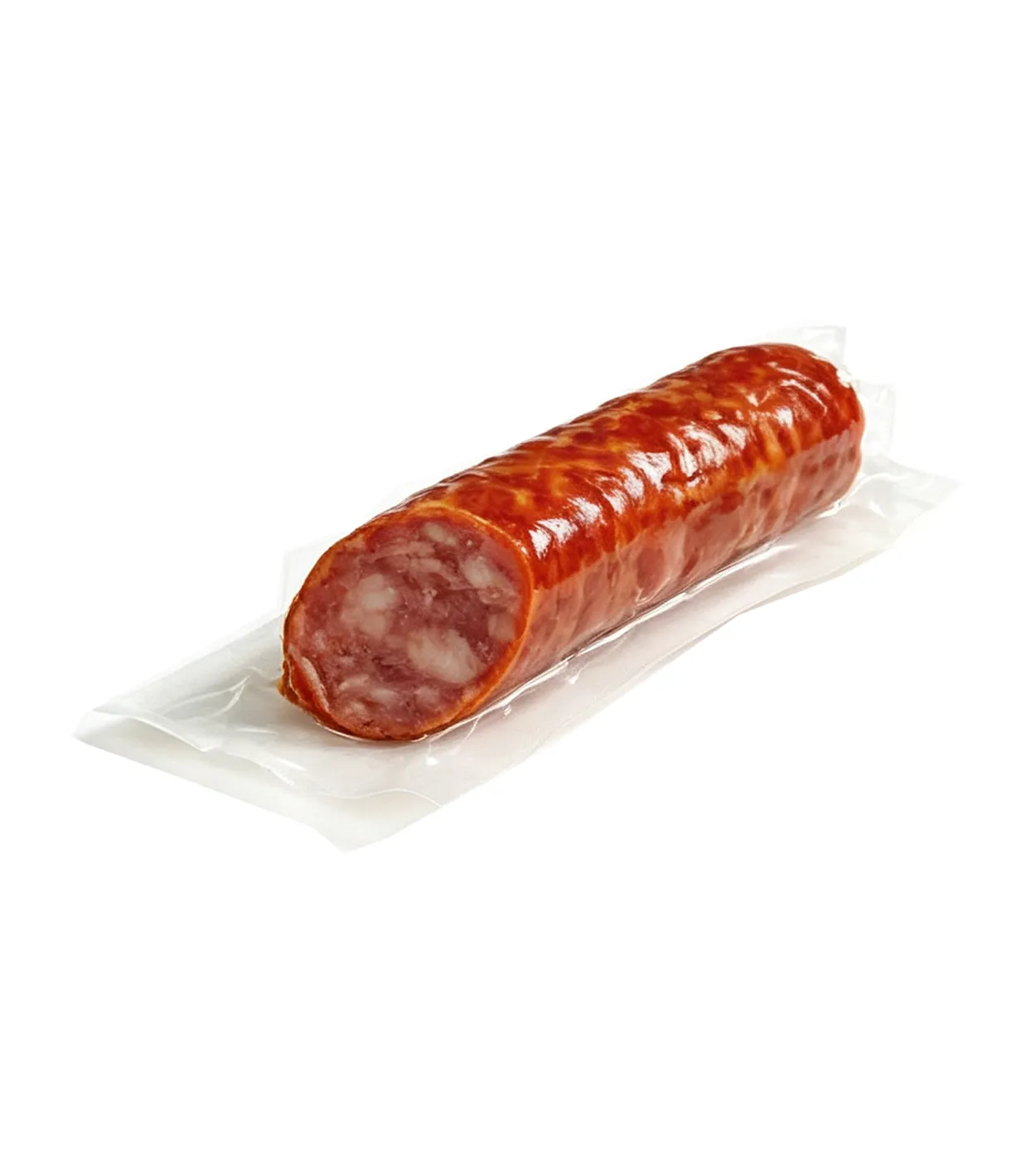
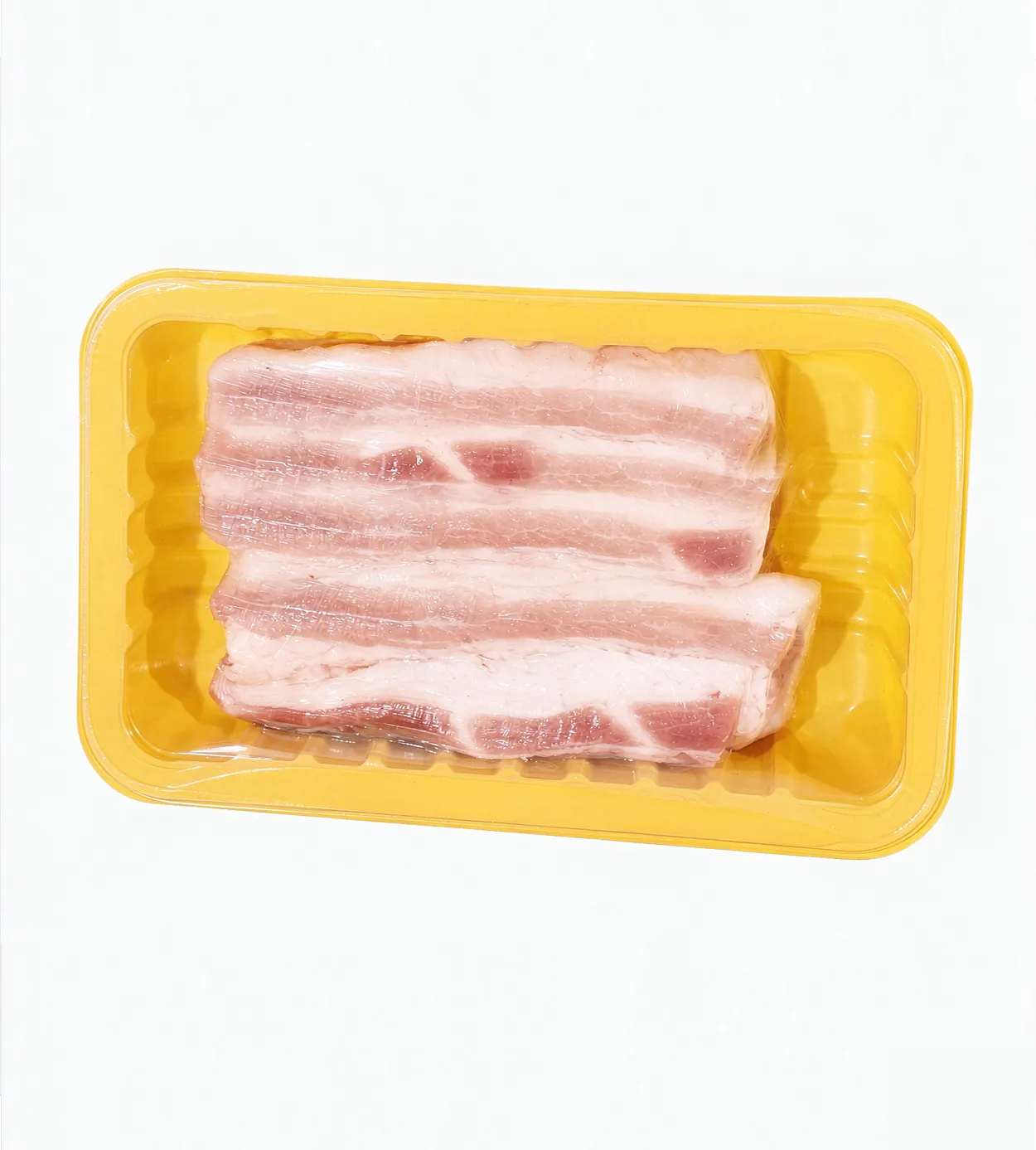

Packaging films play a crucial role in various industries, providing solutions for food preservation, damage protection, and aesthetic presentation. Among the different types, blown film and cast film are two predominant production methods with distinct characteristics and applications. Understanding the differences between these two methods can help businesses make informed decisions, whether selecting the right food packaging film or evaluating suppliers for thermoforming film or lidding film applications. This article elaborates on the production methods, property differences, cost analysis, application suitability, and industry preferences related to blown and cast films, offering expert insights into these essential materials.
Both blown film and cast film production processes begin with extrusion, where polymers are melted and formed into films. However, the methods differ significantly after extrusion, impacting their final properties.
Method | Process | Characteristics |
Blown Film | Extrusion followed by air blowing | high haze, substantial thickness deviation, and lower production efficiency |
Cast Film | Extrusion followed by casting on chilled rollers | Smoother surface, higher clarity, Uniform thickness |
In blown film production, the extruded polymer is inflated into a bubble with air, then cooled and collapsed to form sheets, often used in vacuum packaging bags with relaxed haze specifications. On the other hand, cast film production involves casting molten polymer onto chilled rollers, resulting in a film with superior transparency and excellent flatness,often preferred choice for applications such as low-haze pouch making, thermoforming packaging, printing & lamination.
The choice between blown film and cast film often hinges on their different physical properties. Understanding these differences will enable better material selection for specific applications.
Property | Blown Film | Cast Film |
Thermoforming Capability | Relatively low, due to stretching | Higher |
Clarity | Lower | Higher, glossy |
Mechanical Properties | Lower puncture resistance | Better puncture resistance |
Barrier Properties | Less effective | Good for barrier films |
Blown film provides excellent flexibility and resistance to mechanical stress, which makes it suitable for vacuum pack rolls and freezer-grade vacuum bags. In contrast, cast film boasts higher clarity and smoother surfaces, perfect for products requiring presentation quality, such as lidding film food packaging.
The financial aspect is pivotal when choosing between blown and cast film for applications like food and stretch film suppliers.
Cost Factor | Blown Film | Cast Film |
Production Cost | Higher due to slower process and complex bubble control | Lower owing to continuous, stable production and higher output |
Material Efficiency | More material loss during processing | Excellent thickness uniformity reduces raw material waste |
Equipment Investment | Expensive setup and maintenance for blowers and towers | Lower capital investment and easier maintenance |
Return on Investment (ROI) | Longer payback period | Faster ROI thanks to lower cost and higher productivity |
With blown film, production costs can be higher due to the complex blowing equipment and slower process. Although it can offer good material utilization, its thermoforming performance is relatively limited. Conversely, cast film is more cost-effective to produce, requiring simpler equipment and delivering stable quality with excellent thermoforming properties, despite slightly higher material usage during processing.
Identifying the best application for each type of film is essential, whether for MAP packaging, lidding film, or vacuum packaging bags for food.
Application | Blown Film | Cast Film |
Food Packaging | Good flexibility and toughness for vacuum and frozen packaging | Superior oxygen and moisture barrier, ideal for high-barrier food packaging with clear appearance |
Industrial Packaging | Excellent puncture resistance and durability for heavy-duty use | Cost-effective option for large-scale packaging with consistent thickness |
Retail Packaging | Strong protection and sealing performance | High transparency and gloss for premium appearance and better shelf display |
Blown film is traditionally used in applications requiring toughness and puncture resistance, such as industrial and protective packaging. Cast film, however, is favored for applications that demand superior barrier performance and high visual appeal, such as food, retail, and lidding film packaging.
Various industries have distinct preferences based on their needs, production capacities, and cost considerations.
Industry | Preferred Film Type | Rationale |
Food Industry | Cast Film | Superior oxygen and moisture barrier, ideal for preserving food quality |
Retail | Cast Film | High transparency and glossy appearance for premium product presentation |
Manufacturing | Blown Film | Excellent toughness and puncture resistance for heavy-duty use |
Agriculture | Cast Film | Cost-effective and efficient and suitable for bulk packaging |
Industries handling food products favor cast films for their superior protection and high barrier performance. Similarly, retail and agricultural sectors often choose cast films due to their cost-effectiveness, excellent clarity, and appealing presentation. Blown films, on the other hand, are typically used in manufacturing and industrial applications where toughness, puncture resistance, and durability are essential.
The choice between blown film and cast film depends heavily on the intended application, desired film properties, and budget. Understanding the differences in production processes, material properties, and application suitability is essential for manufacturers, suppliers, and buyers. Whether you're seeking insights into MAP packaging, selecting lidding film for food packaging, or choosing a supplier from the myriad thermoforming film manufacturers, this comprehensive guide encourages informed decision-making. Explore these options further, considering how each film can meet your operational needs and enhance final product quality.