English
  日本語
日本語  한국어
한국어  français
  Deutsch
  Español
  italiano
  русский
  português
  العربية
  Indonesia
  tiếng việt
  हिंदी
हिंदी  Türkçe
Related GroupSmart News
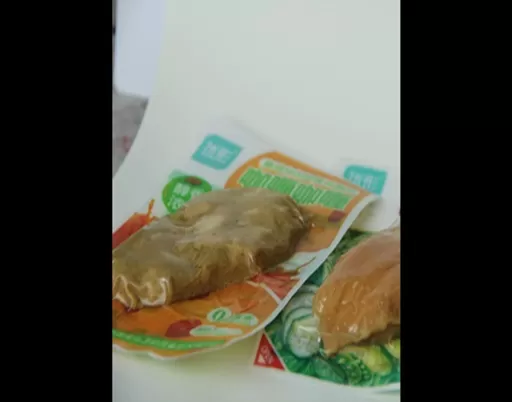
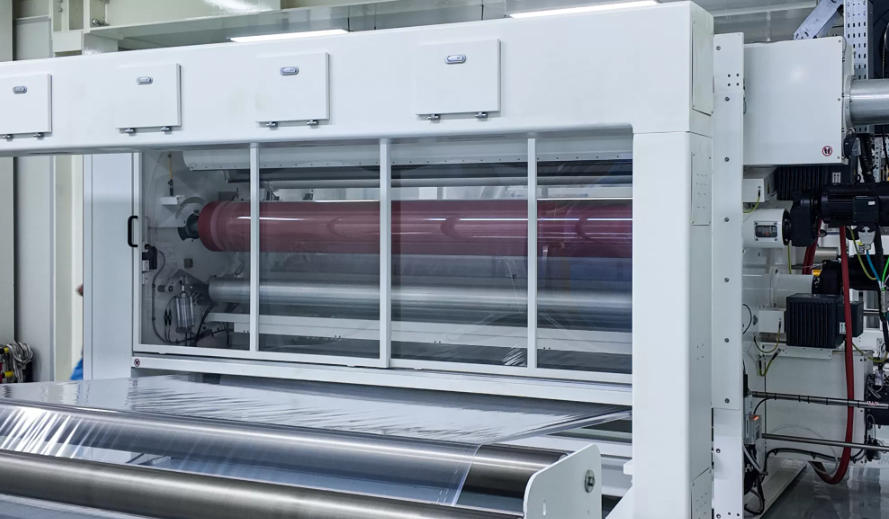
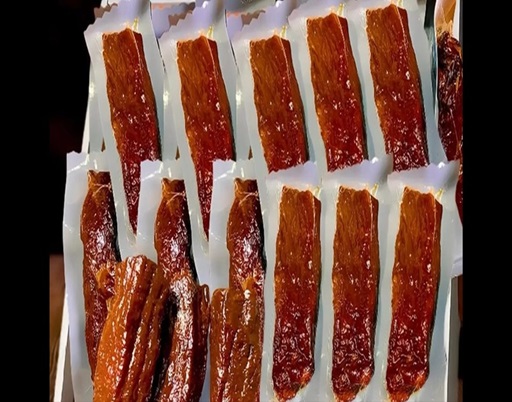

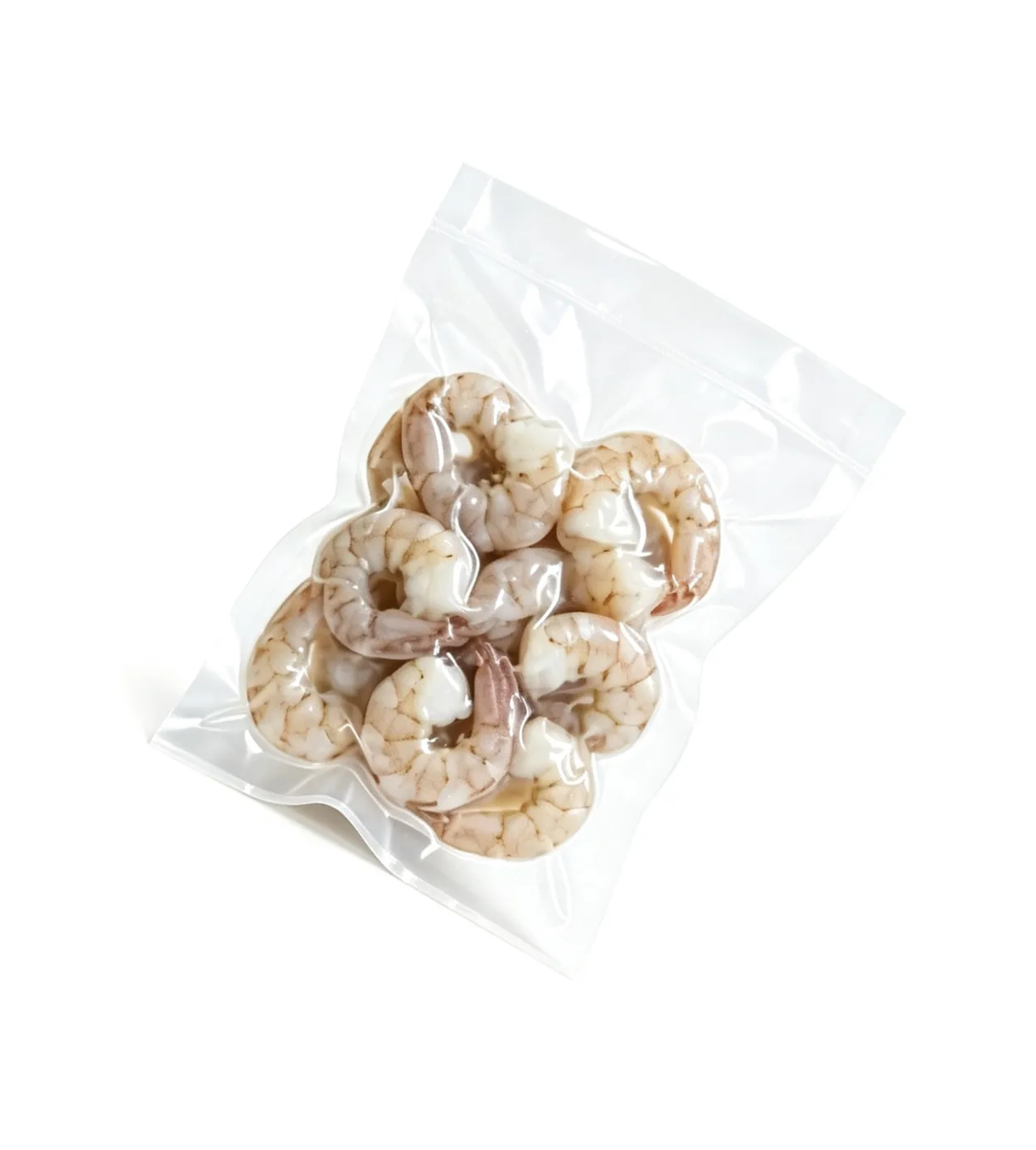
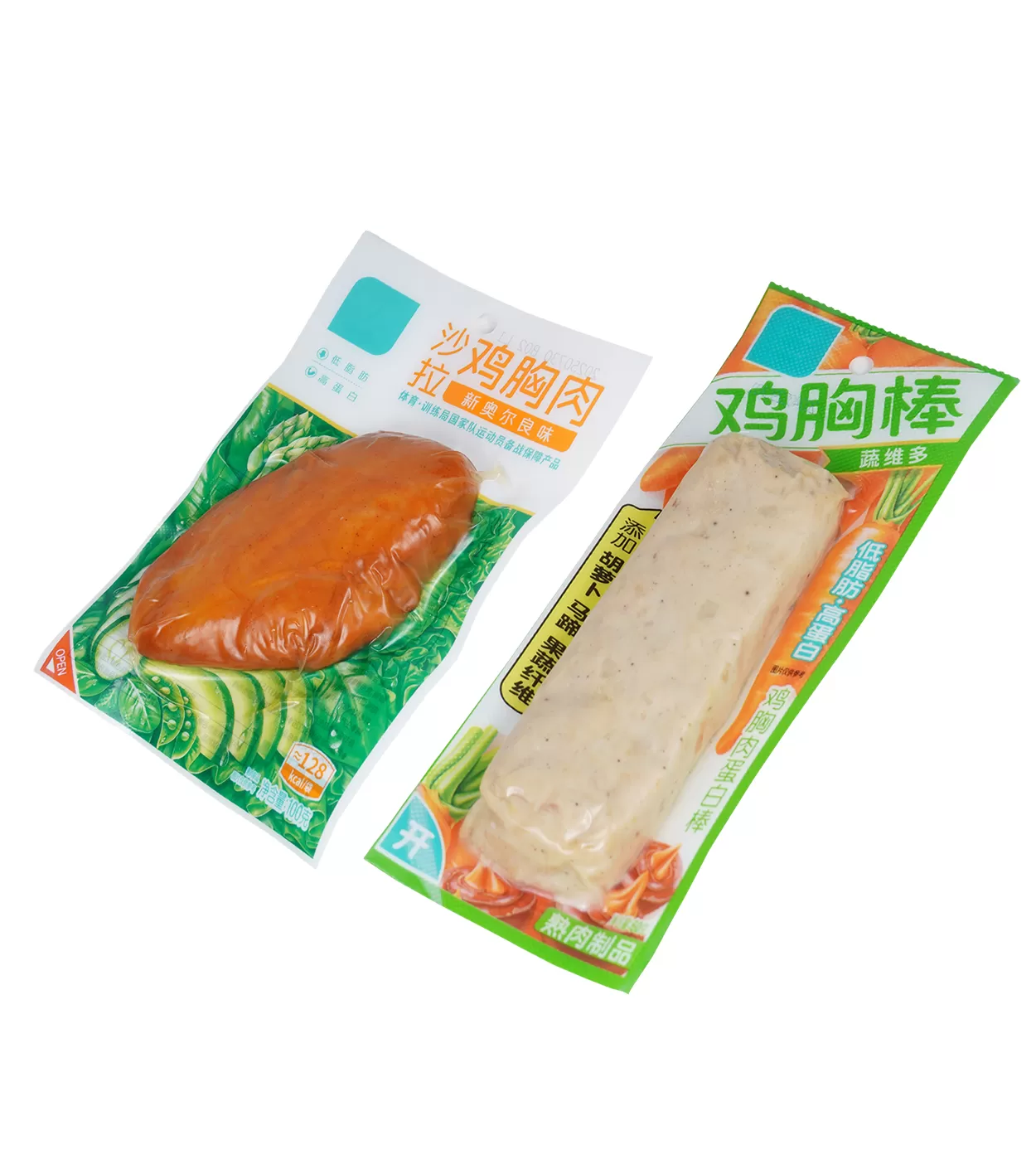
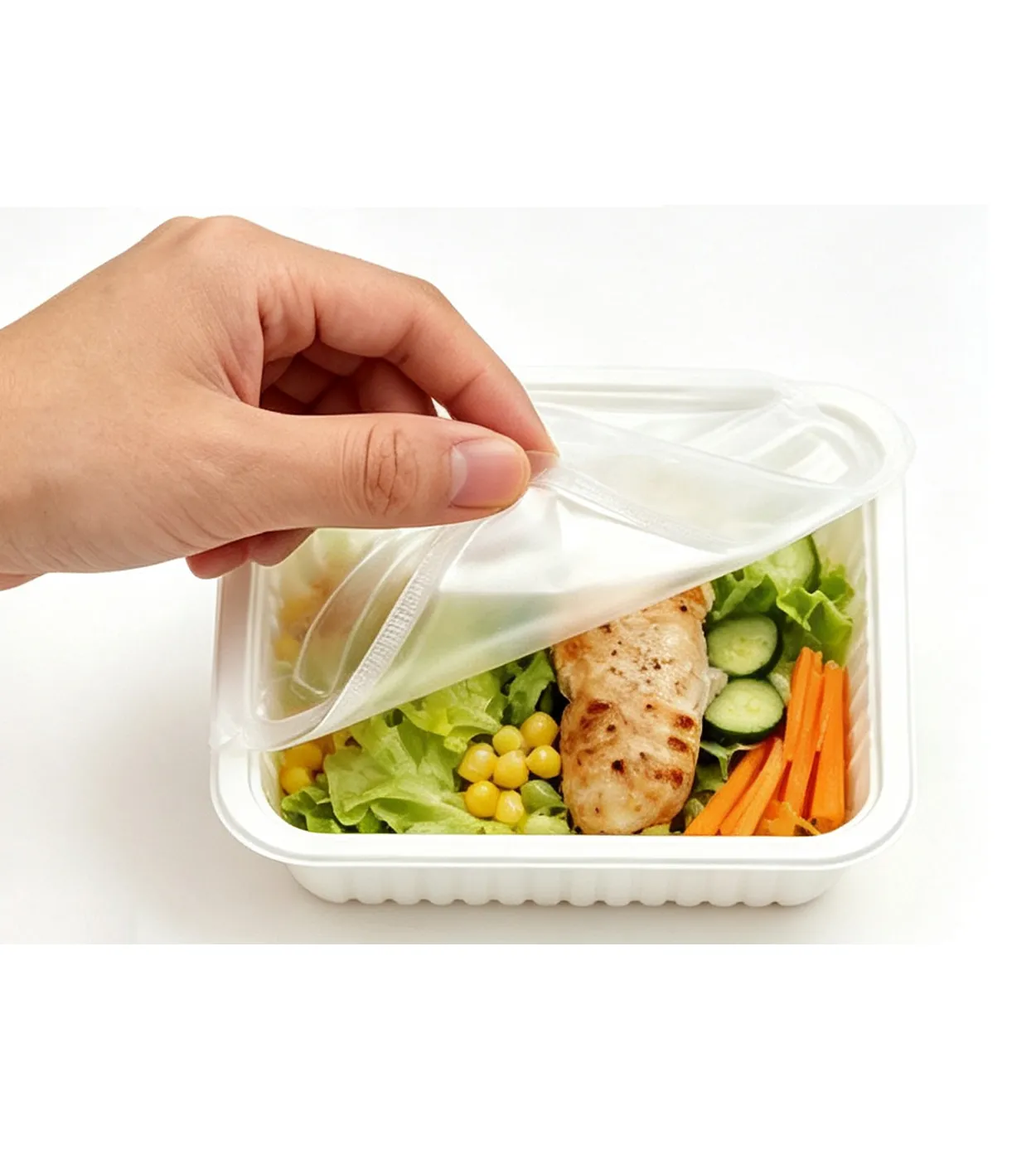
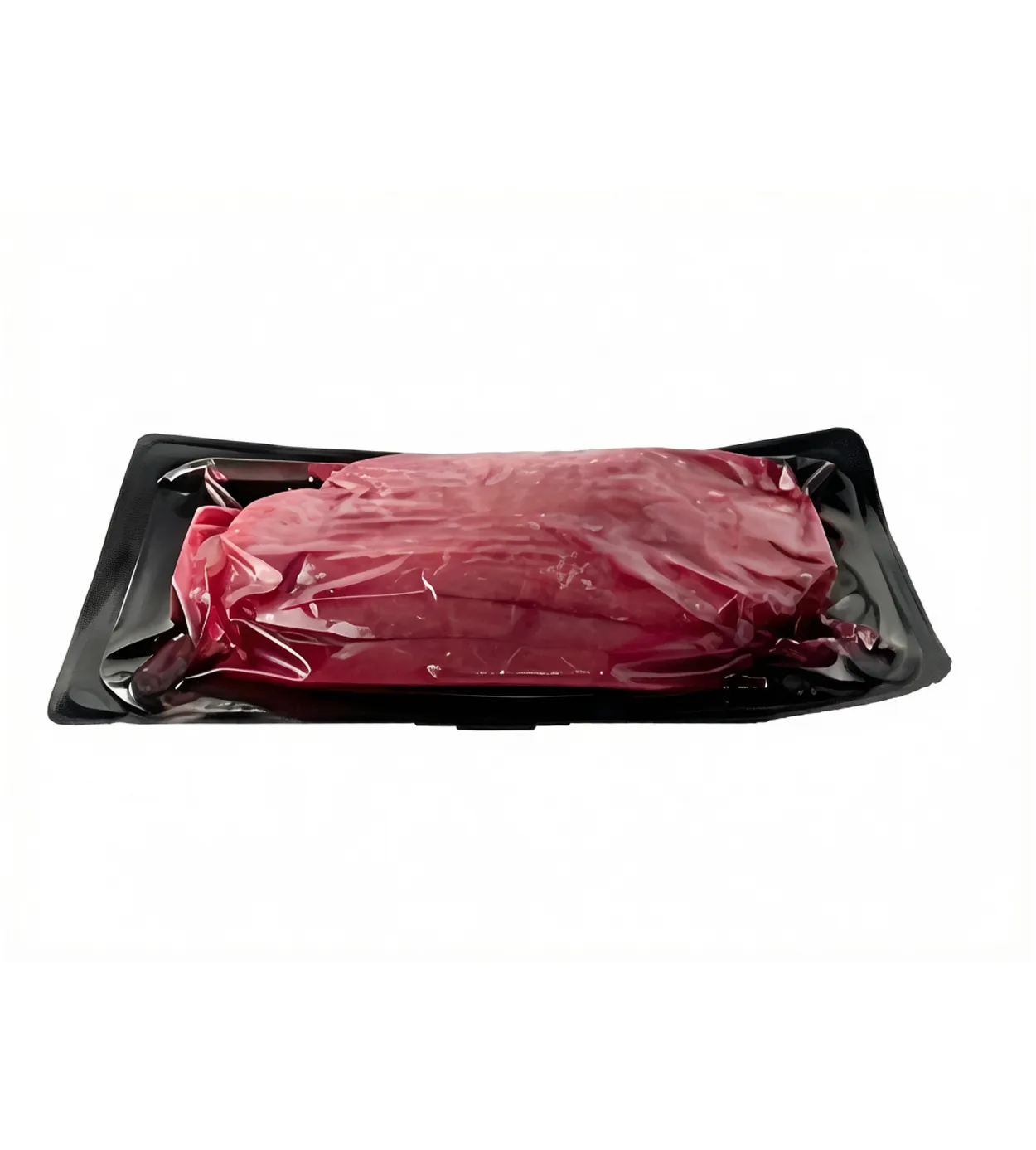
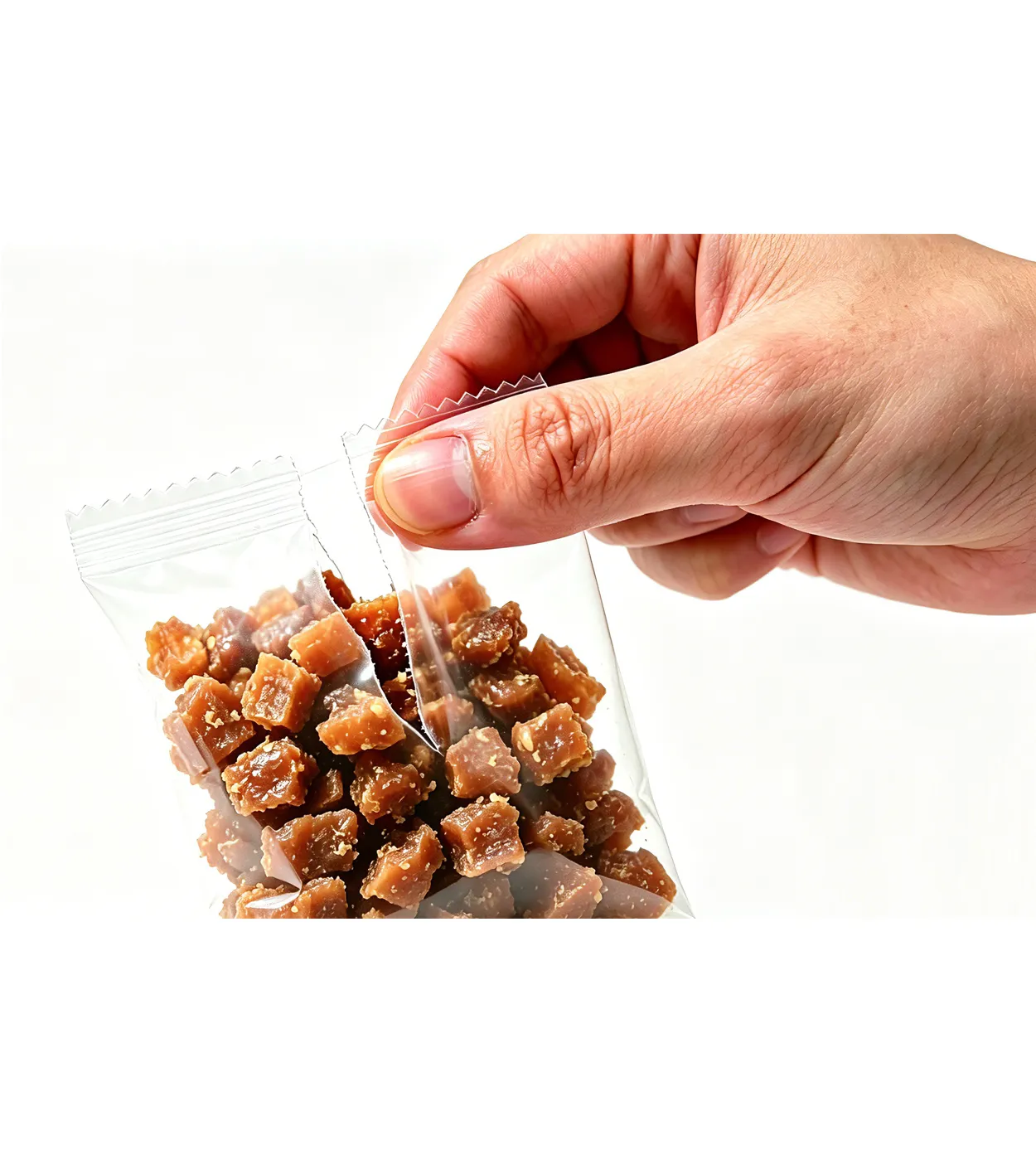
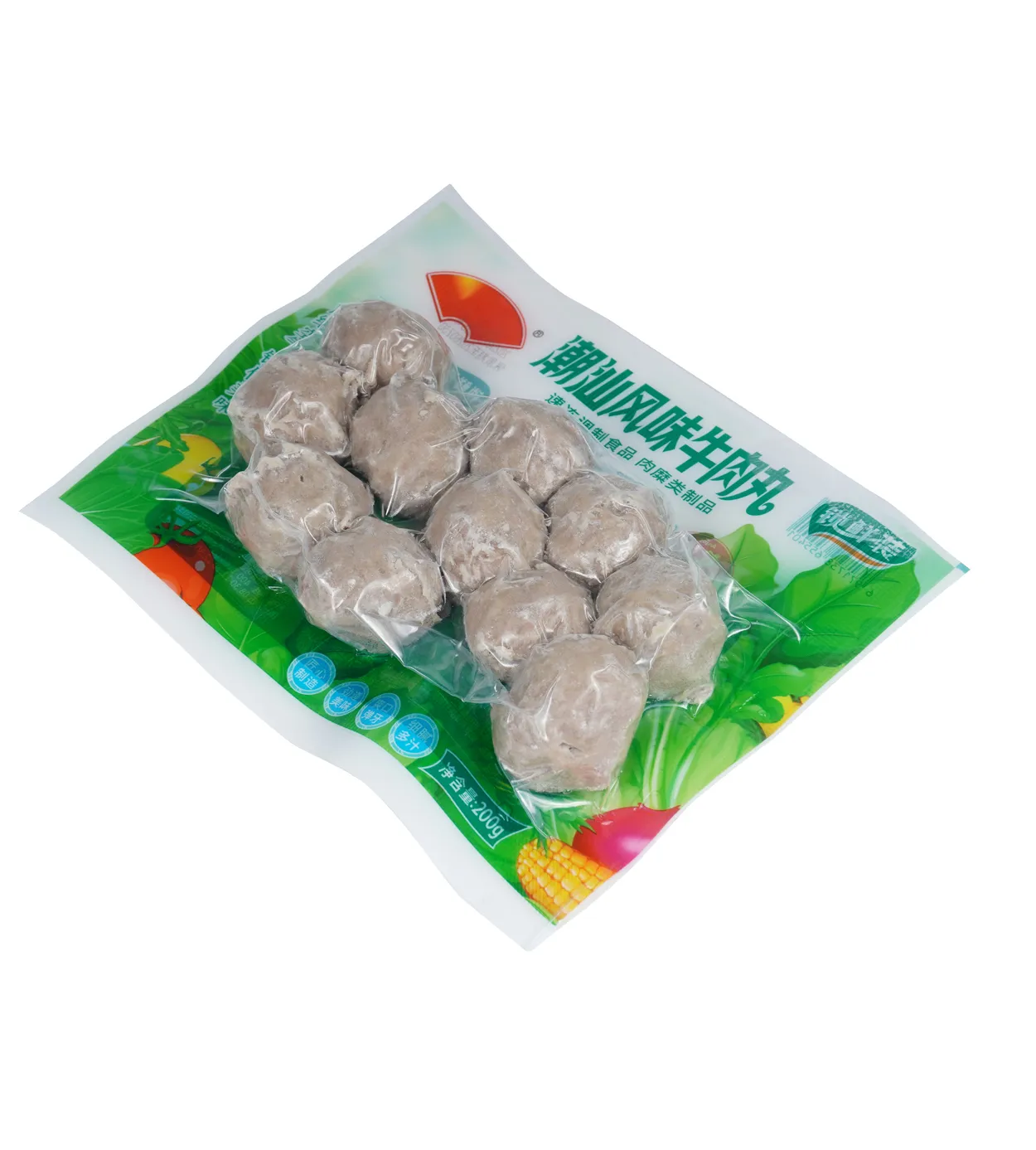
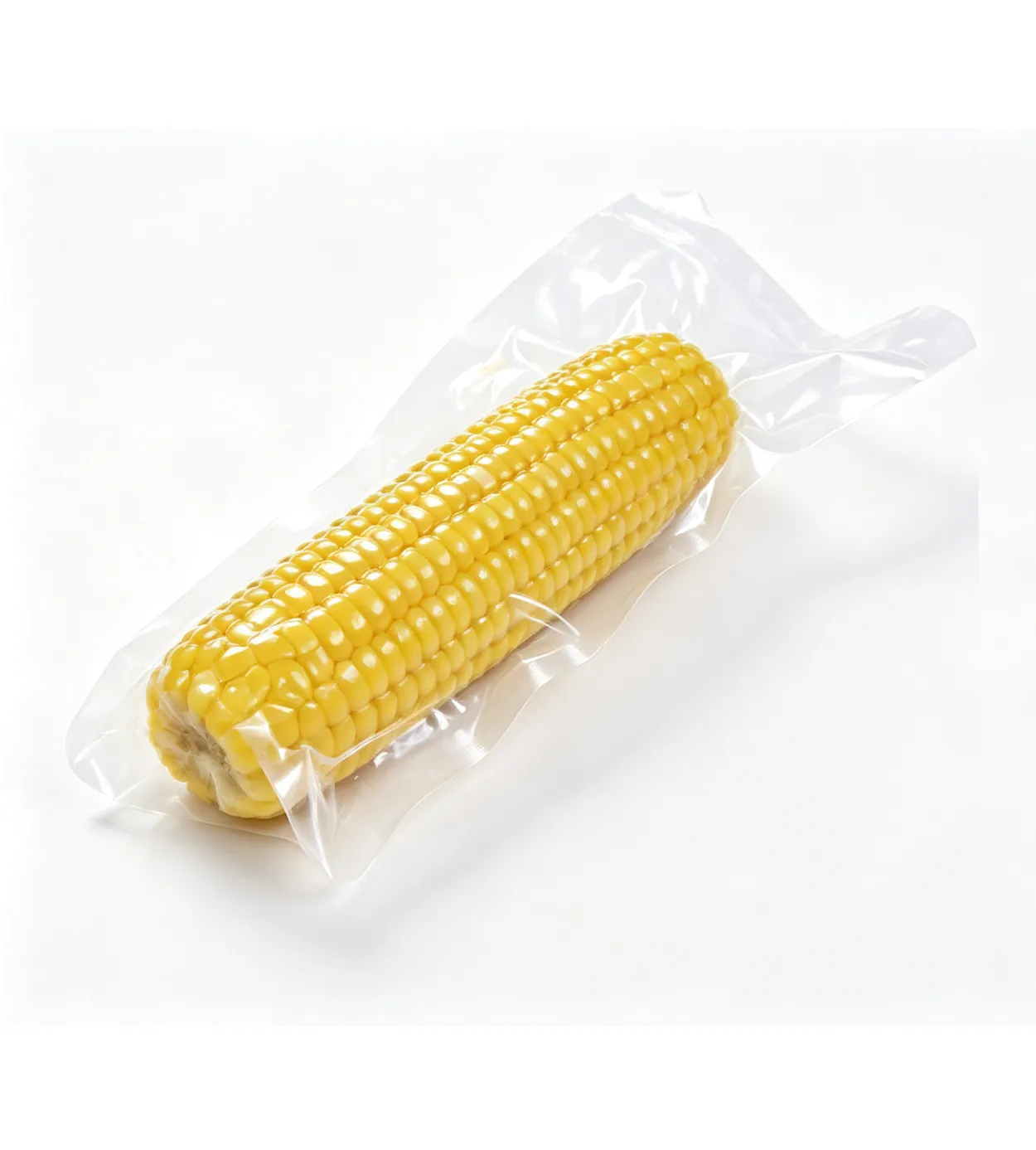
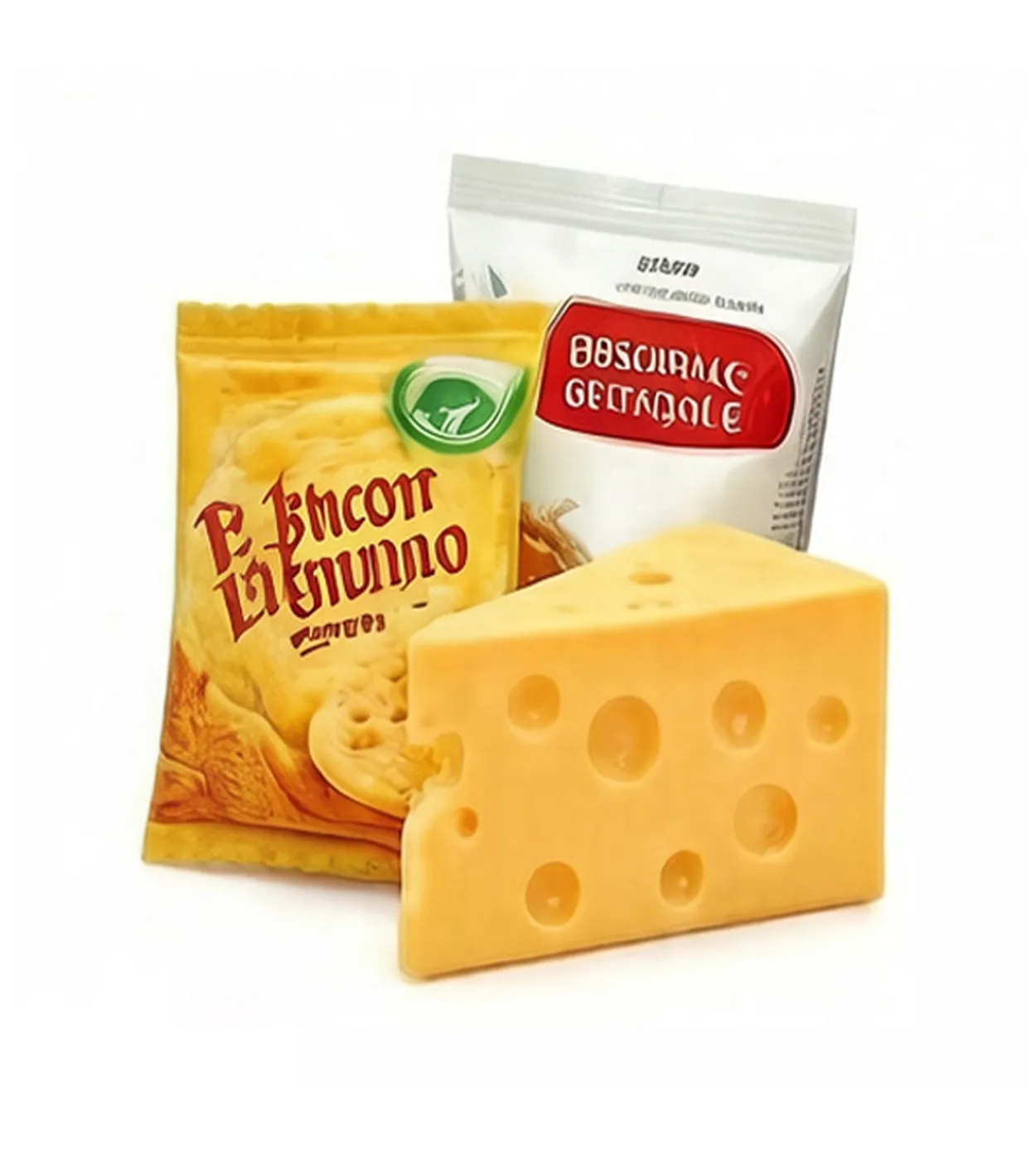
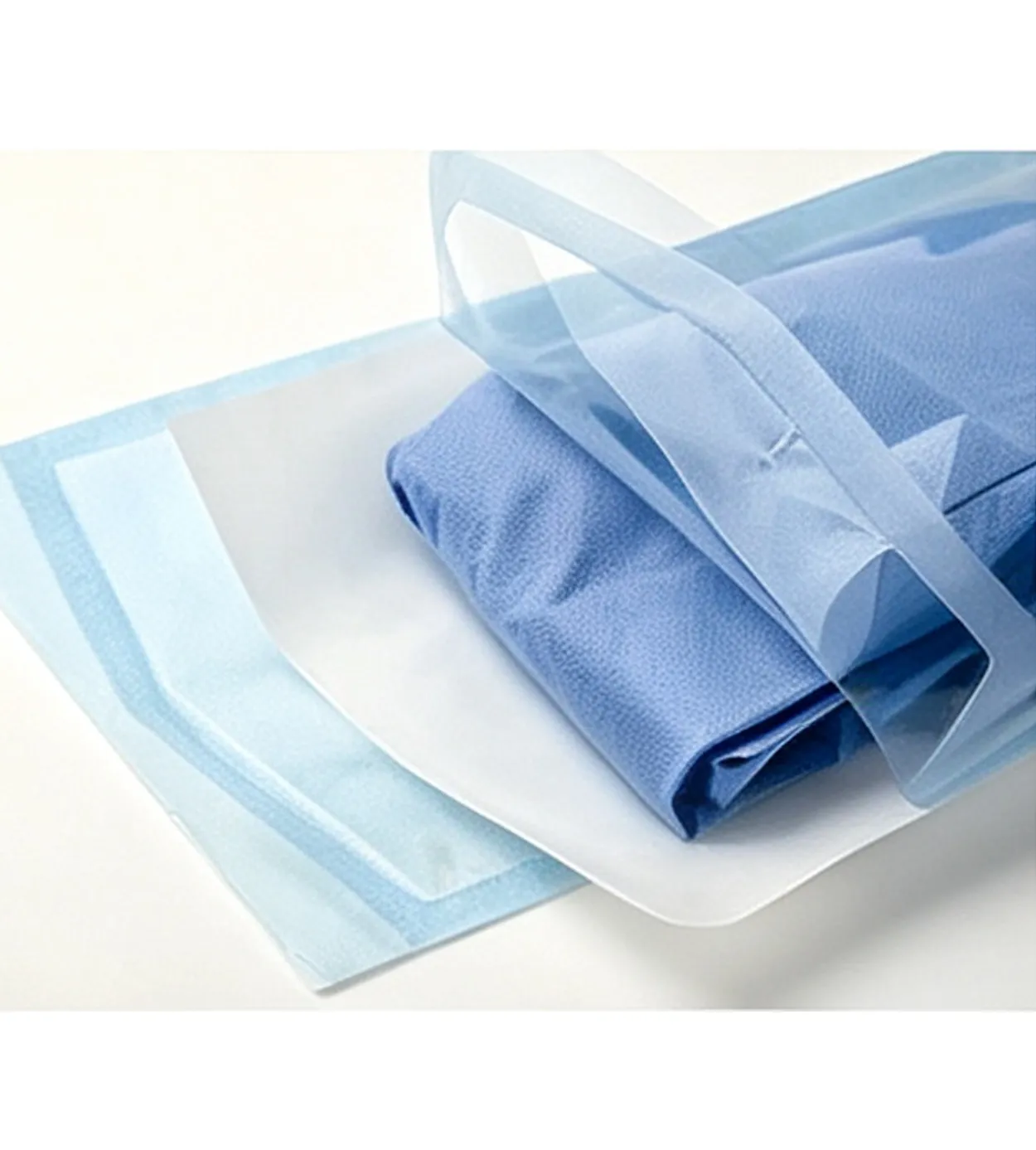
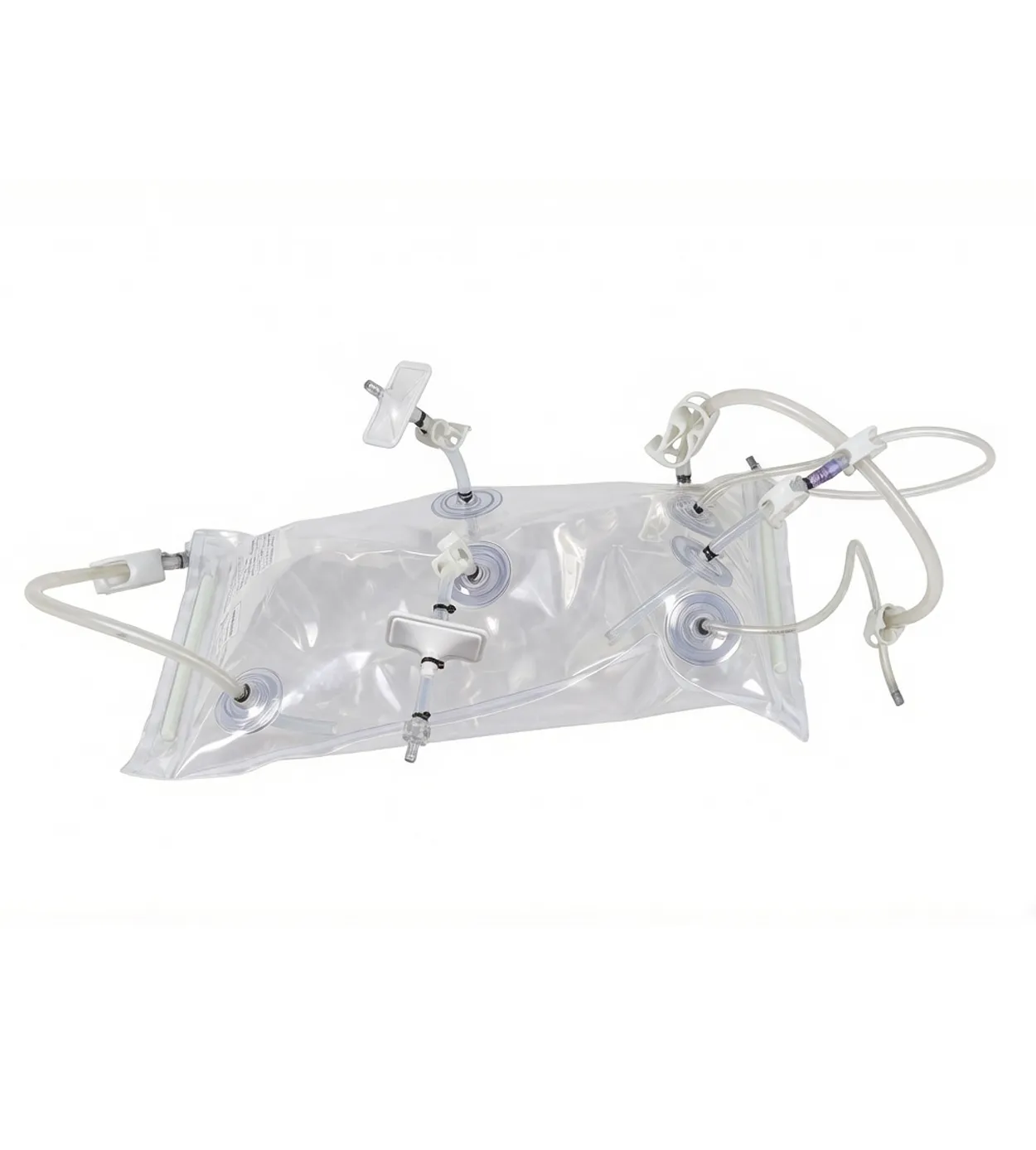
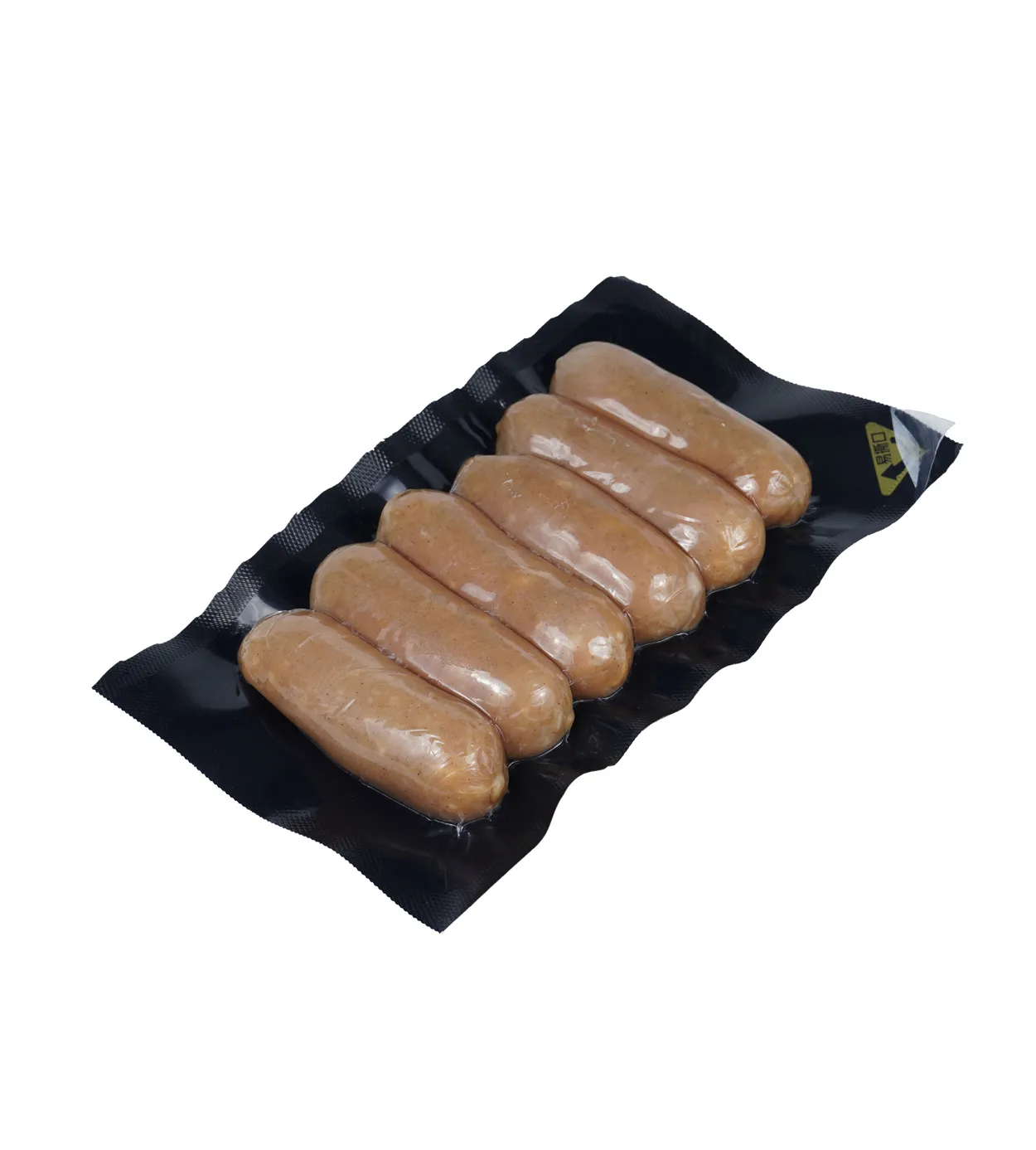
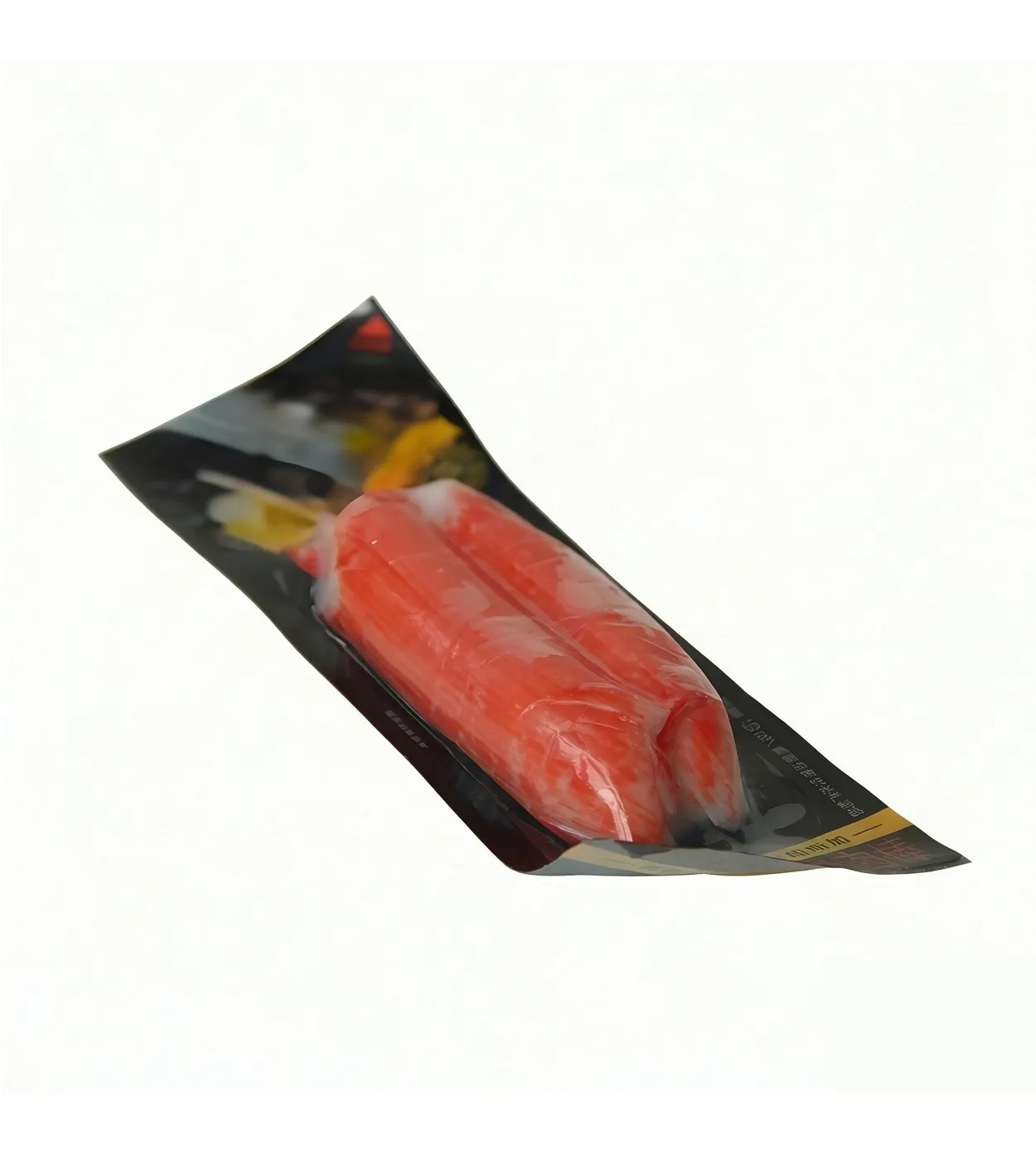
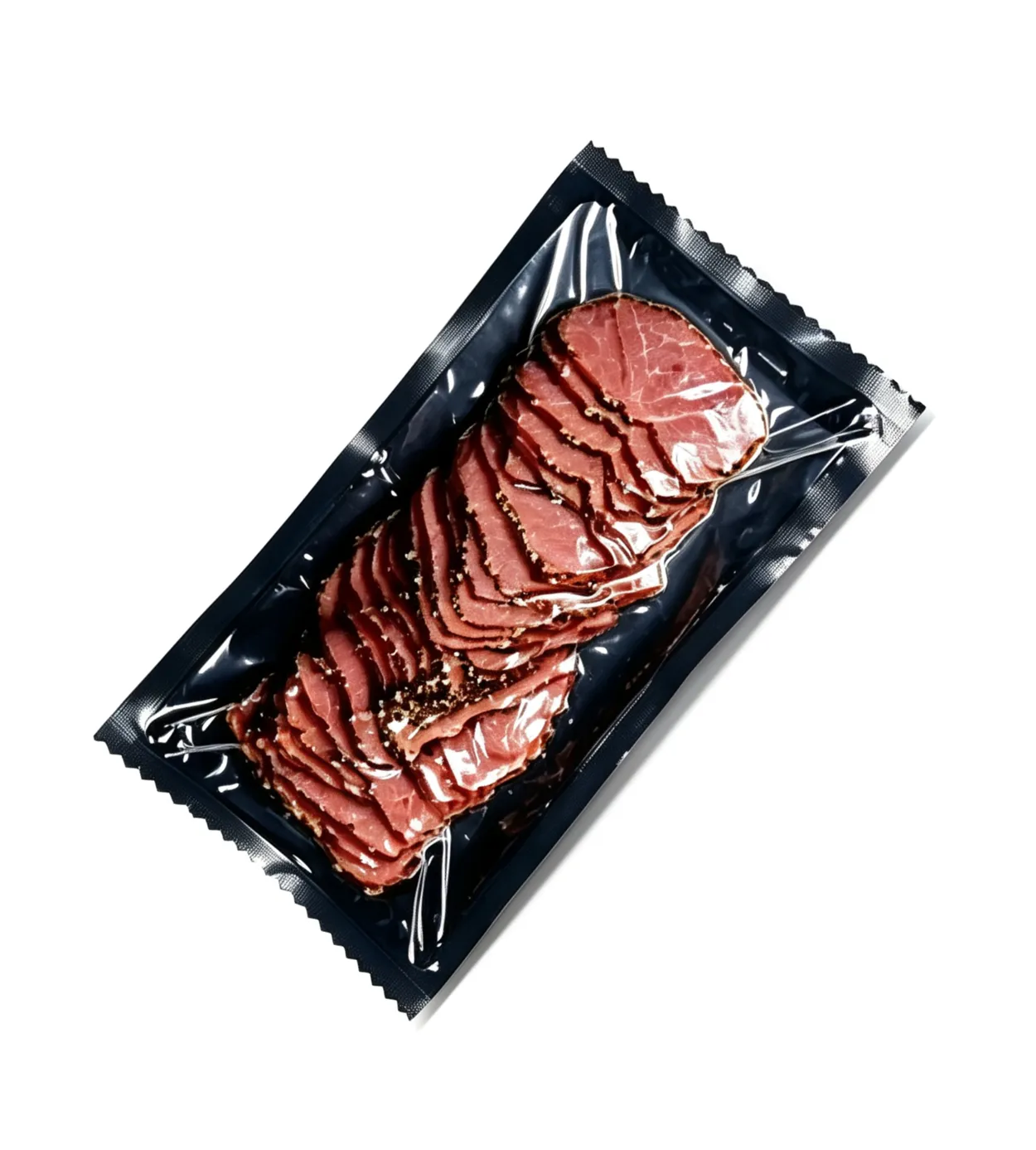
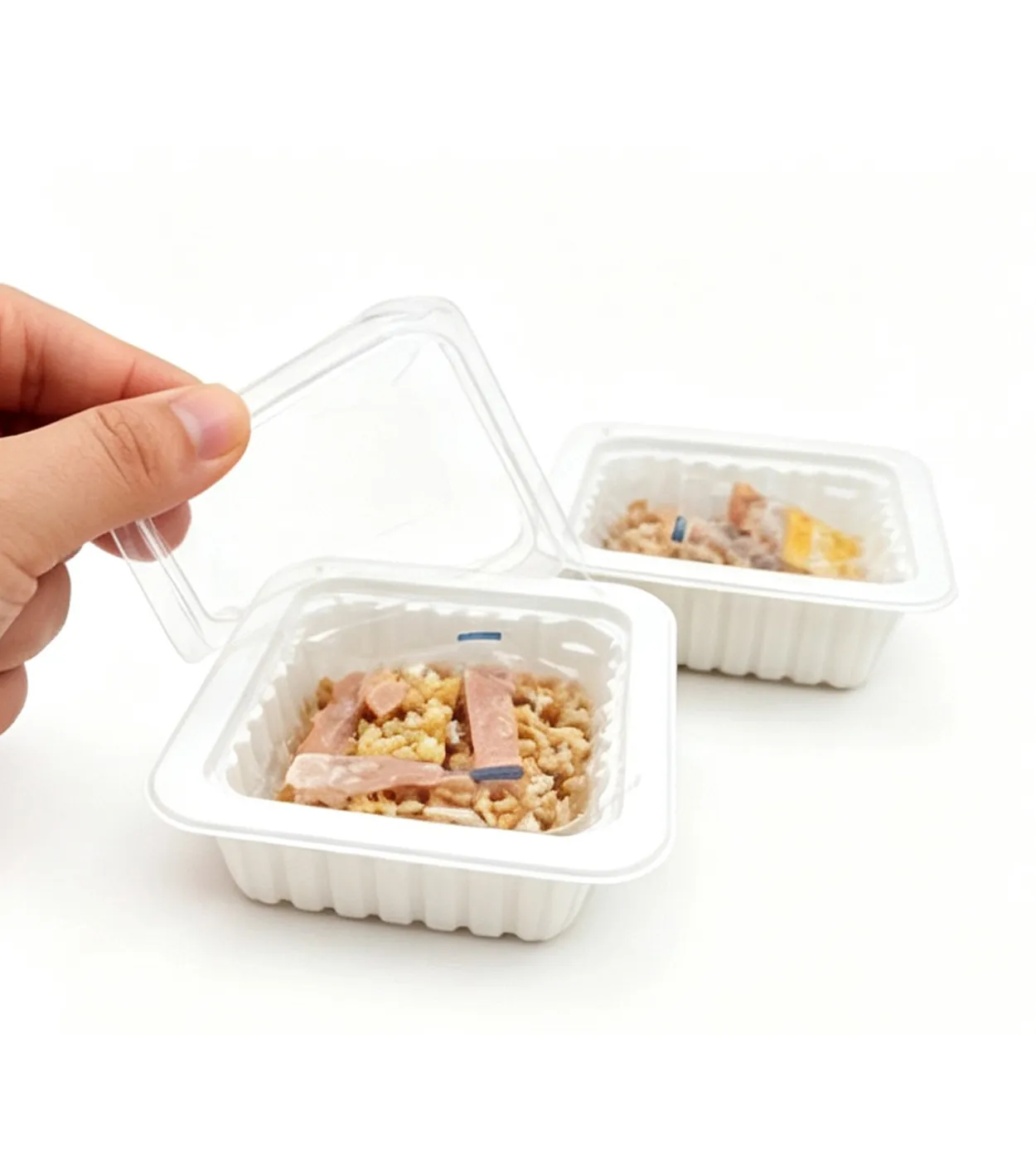
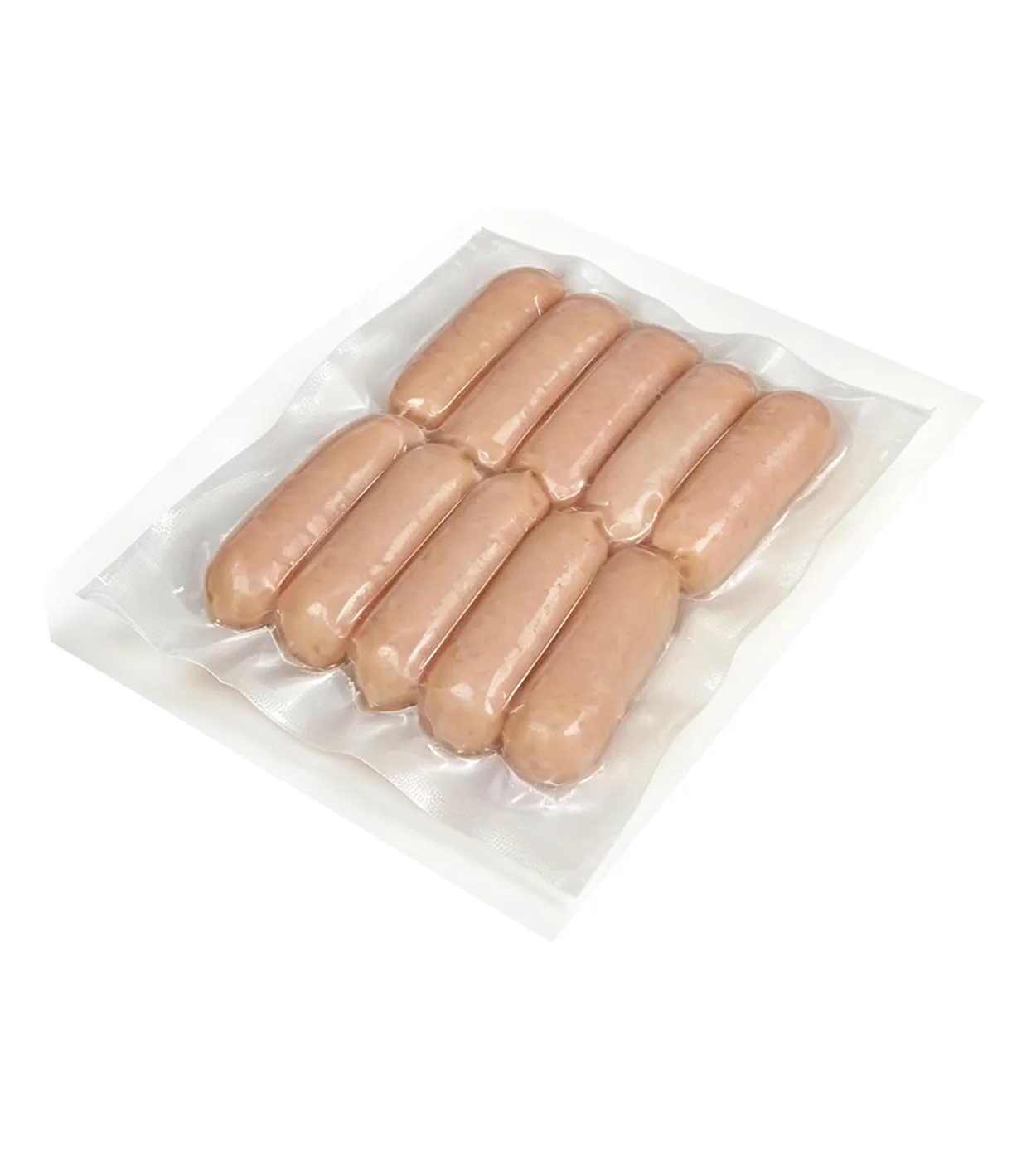
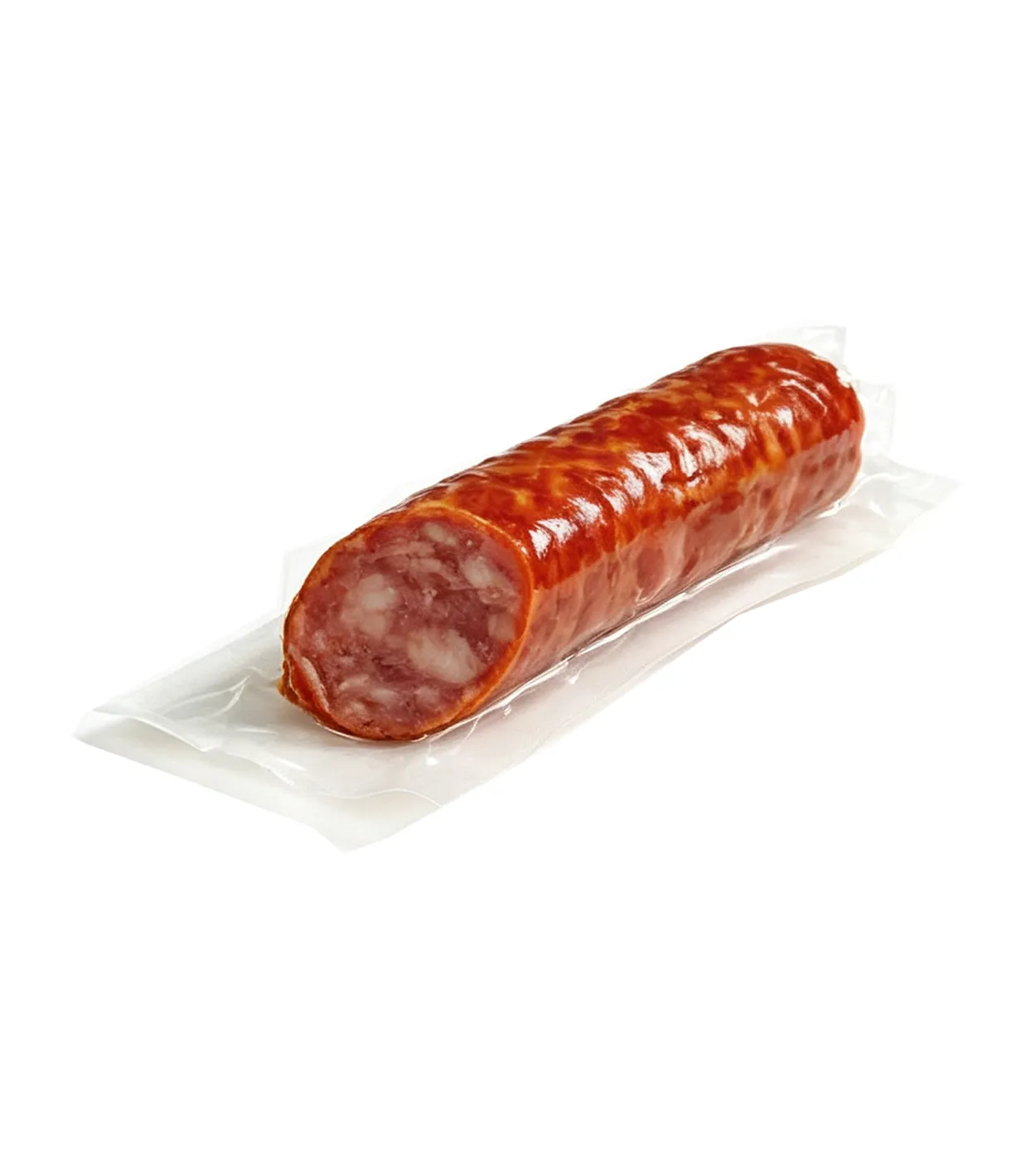
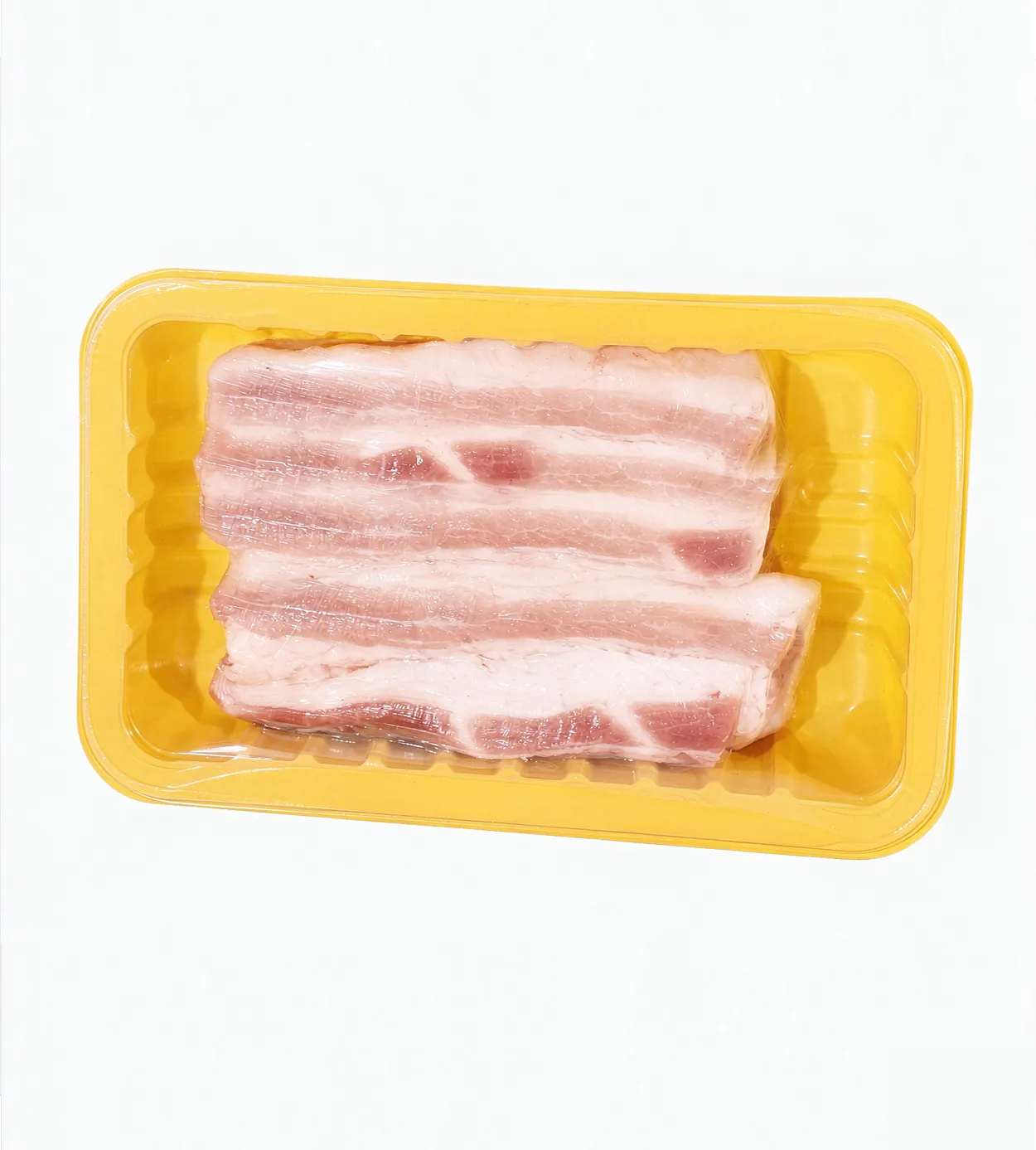
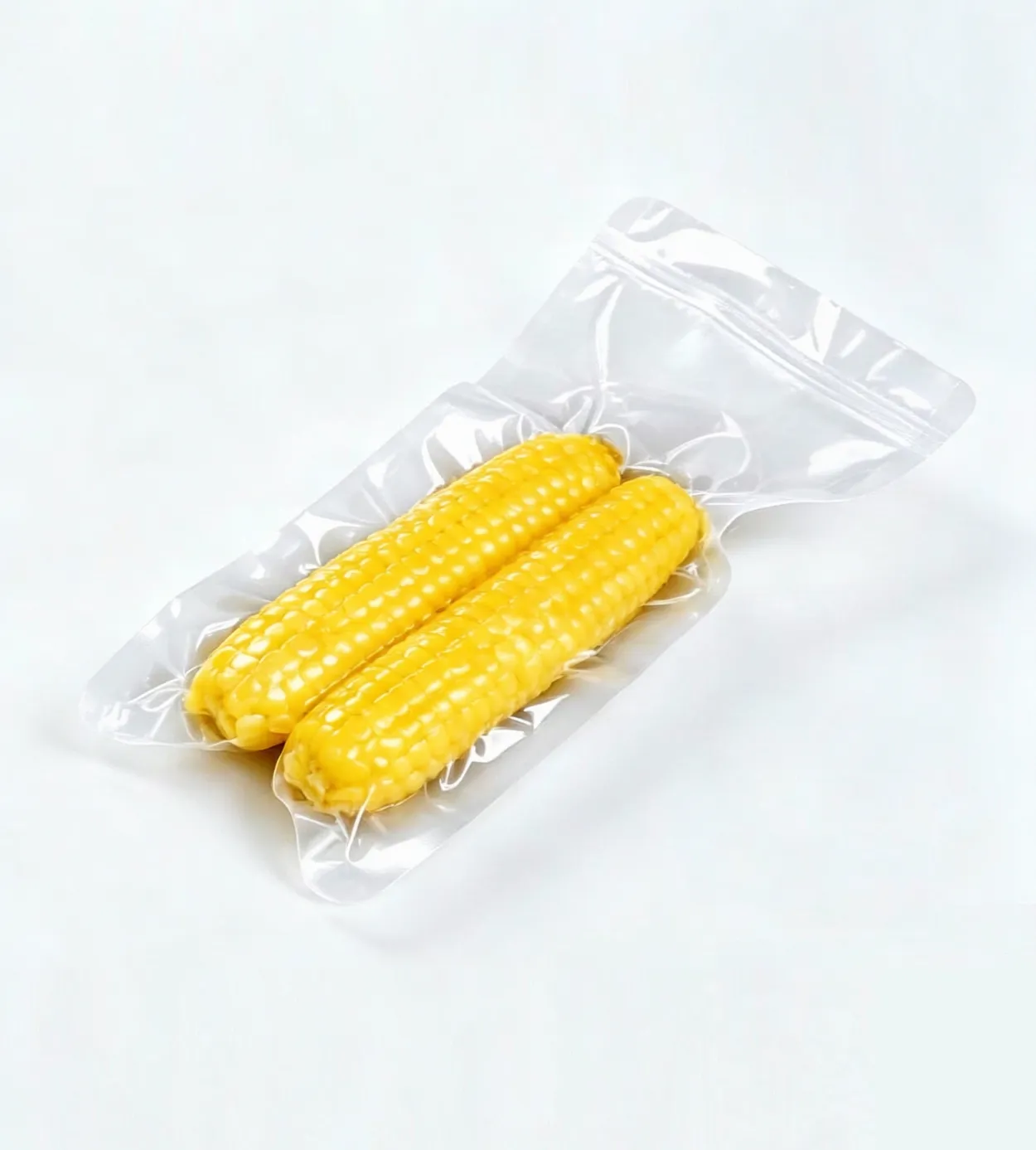
The multi-layer coextruded high-barrier film market, particularly those incorporating Ethylene Vinyl Alcohol (EVOH), is experiencing rapid growth driven by increasing demand for extended shelf life, sustainability, and superior product protection. As industries like food packaging, pharmaceuticals, and electronics seek more efficient barrier solutions, EVOH film is emerging as a game-changer. In this blog, we explore the latest trends, technological advancements, and future opportunities in this dynamic sector.
EVOH is renowned for its exceptional oxygen barrier properties, making it ideal for applications requiring:
Extended food freshness (e.g., meat, dairy, ready-to-eat meals)
Pharmaceutical protection (preventing oxidation of sensitive drugs)
Electronics packaging (moisture and gas barrier for sensitive components)
Compared to traditional films, EVOH-based coextruded structures offer:
Superior oxygen barrier (up to 100x better than standard PE/PP films)
Moisture resistance when combined with other polymers (e.g., PE, PP, PA)
Recyclability & sustainability (compatible with mono-material recycling streams)
A. Sustainability & Circular Economy Initiatives
- Shift toward mono-material, recyclable barrier films (e.g., PE/EVOH/PE structures).
- Development of bio-based EVOH to reduce carbon footprint.
- Adoption in compostable packaging solutions.
B. Smart & Active Packaging Integration
- Oxygen scavengers + EVOH for ultra-long shelf life.
- Antimicrobial coatings for enhanced food safety.
C. Growth in E-Commerce & Protective Packaging
- Demand for high-barrier pouches and films for perishable goods in online retail.
- EVOH's role in modified atmosphere packaging (MAP) for fresh produce.
A. Cost & Processing Complexity
- EVOH is more expensive than conventional barriers (e.g., metallized films).
- Requires precise coextrusion technology for optimal performance.
B. Recycling & End-of-Life Considerations
- While recyclable, EVOH layers must be compatible with existing waste streams.
- Need for better chemical recycling technologies for multi-layer films.
C. Competition from Alternative Barriers
- Metallized films, SiO₂ coatings, and graphene-based barriers are emerging rivals.
A. Thinner, Stronger Films
- Nano-barrier technologies enhancing EVOH performance at reduced thickness.
B. Hybrid Material Solutions
- Combining EVOH with PLA or PHA for bio-based high-barrier films.
C. Expansion in Emerging Markets
- Asia-Pacific leading growth due to rising packaged food demand.
The multi-layer coextruded high-barrier film industry is evolving rapidly, with EVOH at the forefront of innovation. As sustainability and performance demands grow, manufacturers must balance cost, functionality, and environmental impact.
At Jiangsu GroupSmart New Material Co., Ltd, we're pioneering next-gen EVOH solutions to meet these challenges. Stay tuned for more insights, or contact us to explore our high-barrier film technologies.