English
  日本語
日本語  한국어
한국어  français
  Deutsch
  Español
  italiano
  русский
  português
  العربية
  Indonesia
  tiếng việt
  हिंदी
हिंदी  Türkçe
Related GroupSmart News
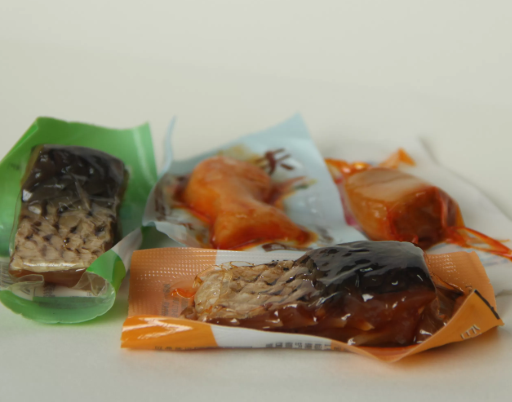
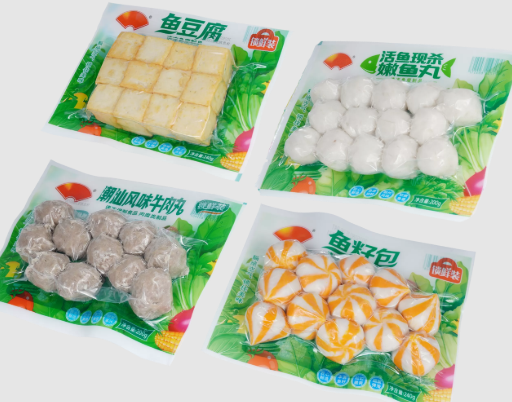

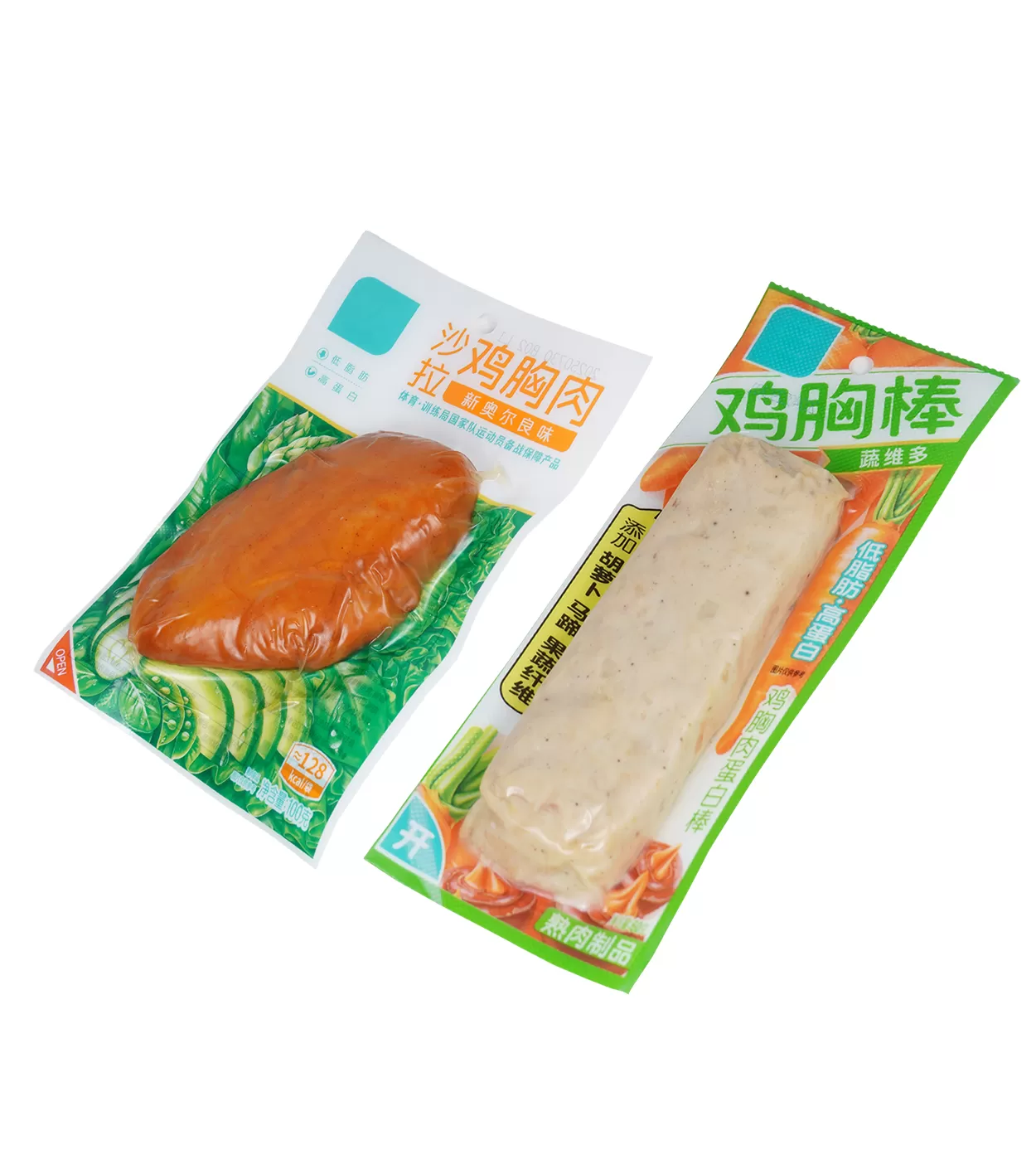
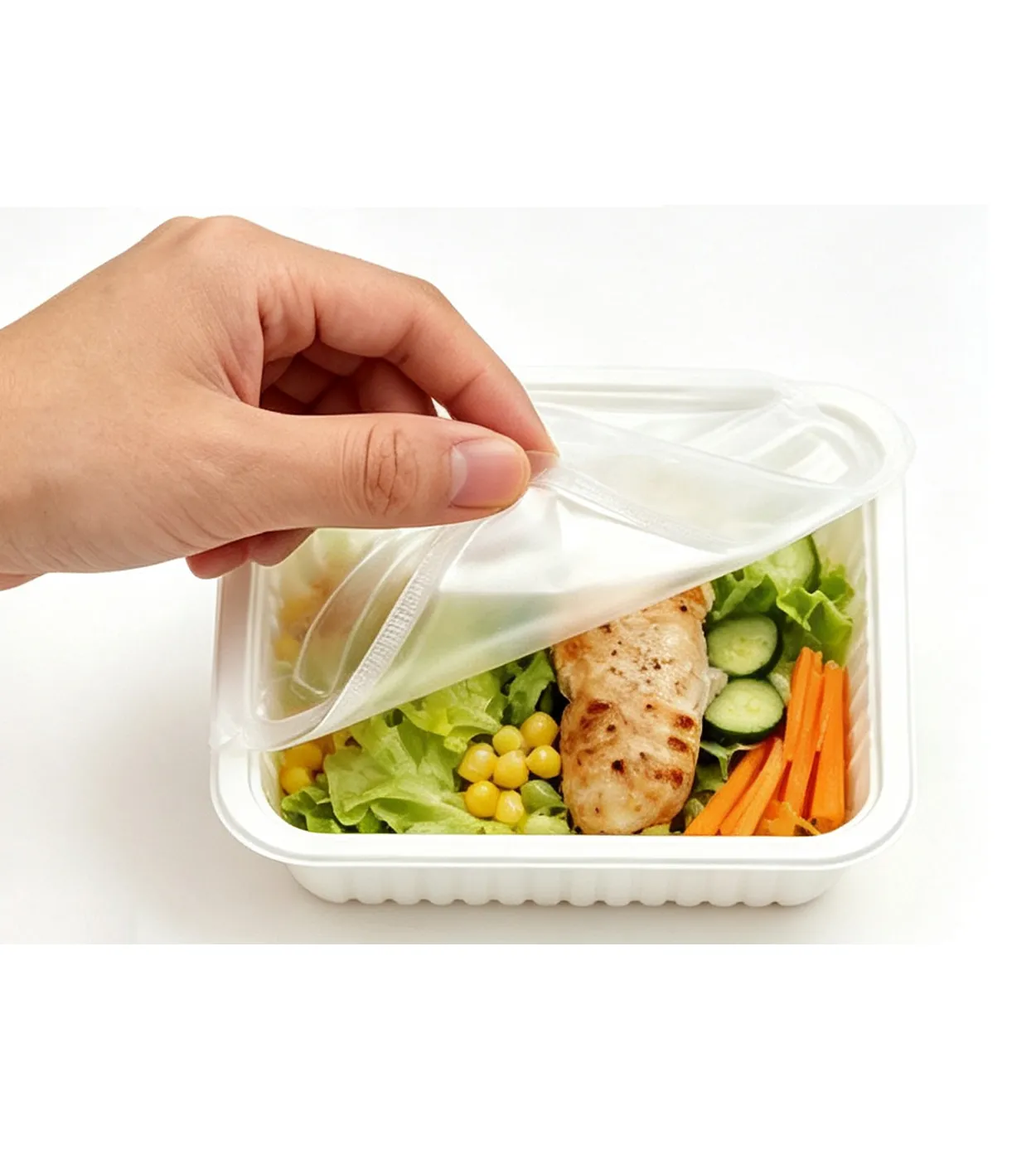
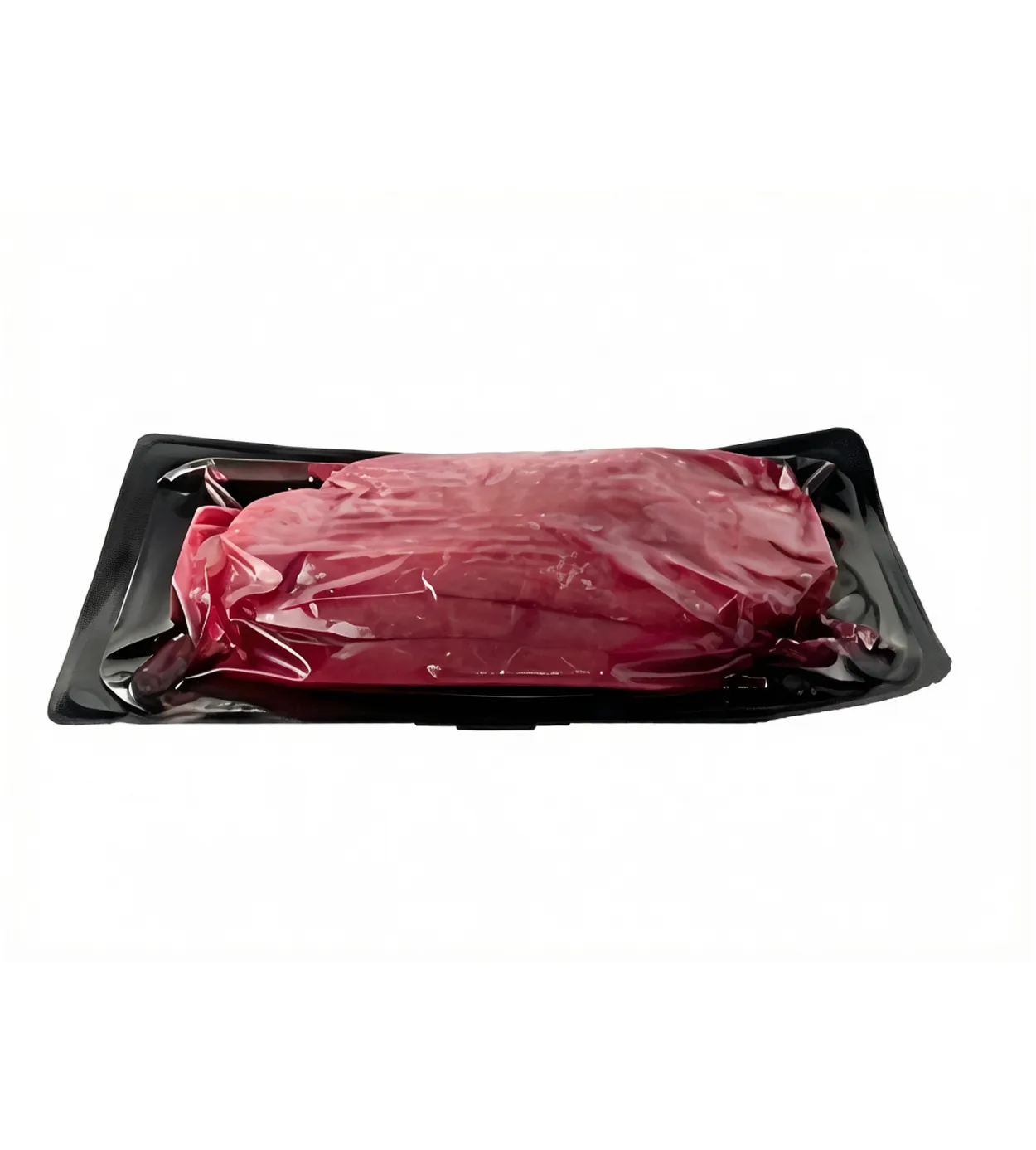
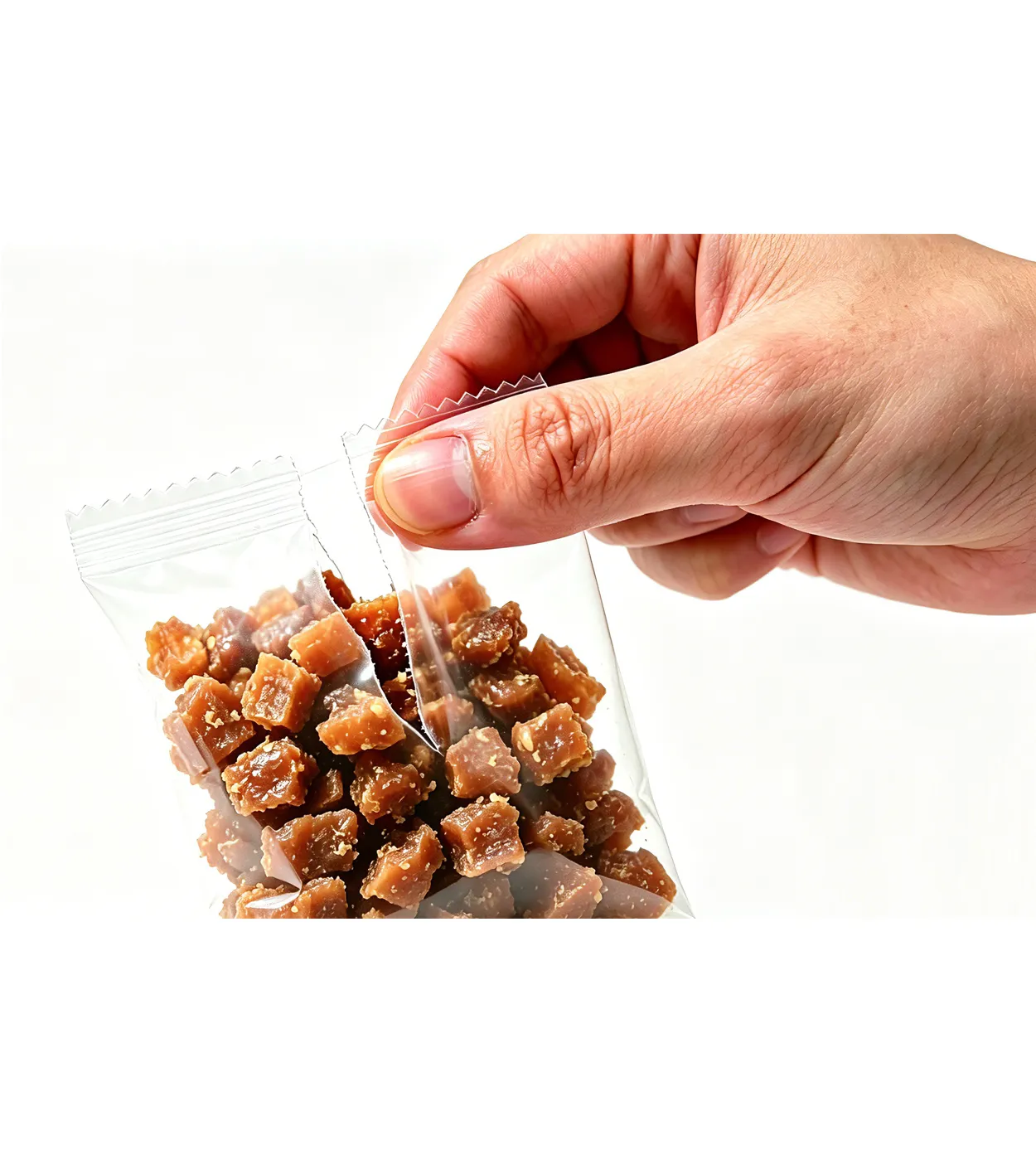
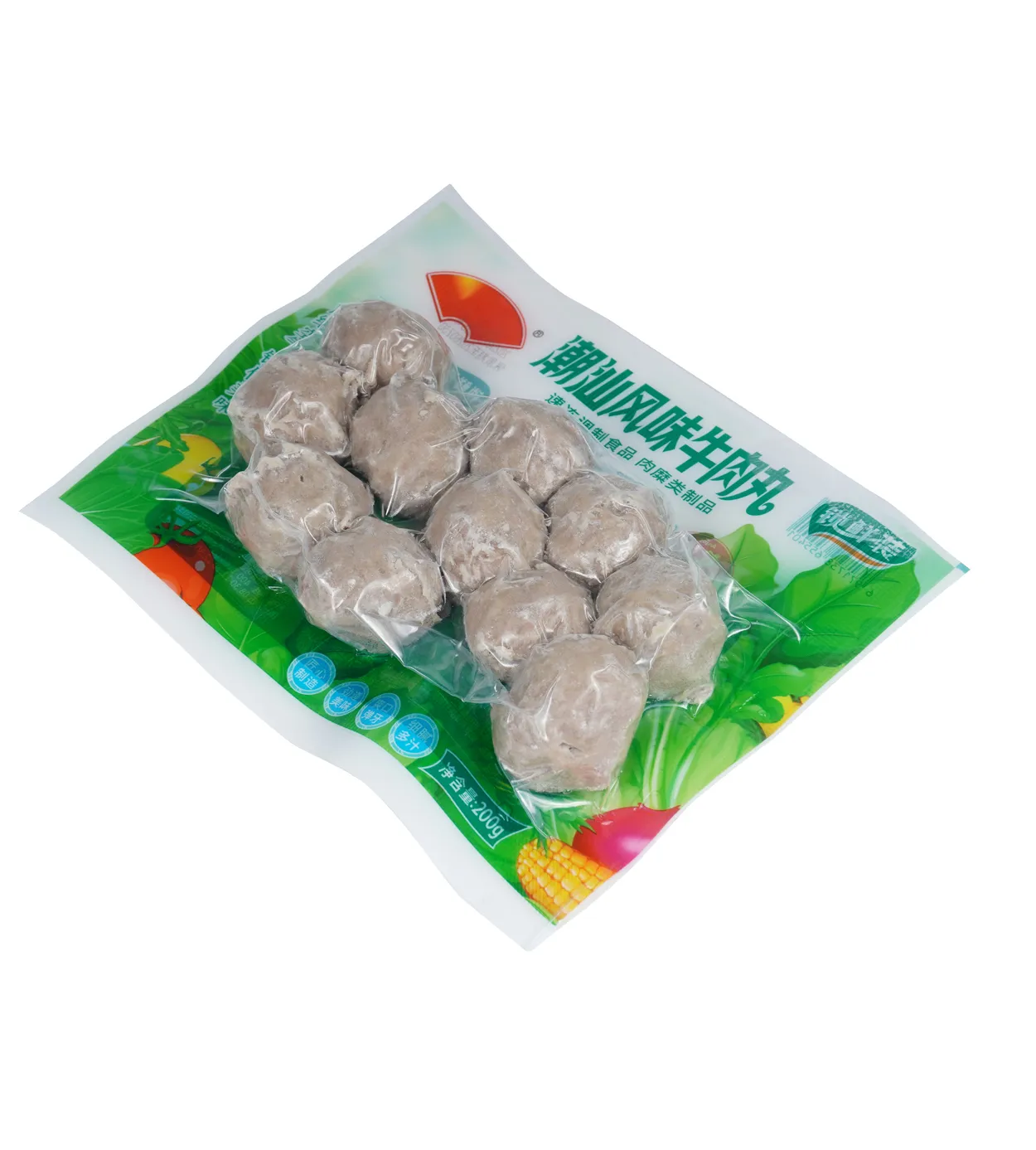
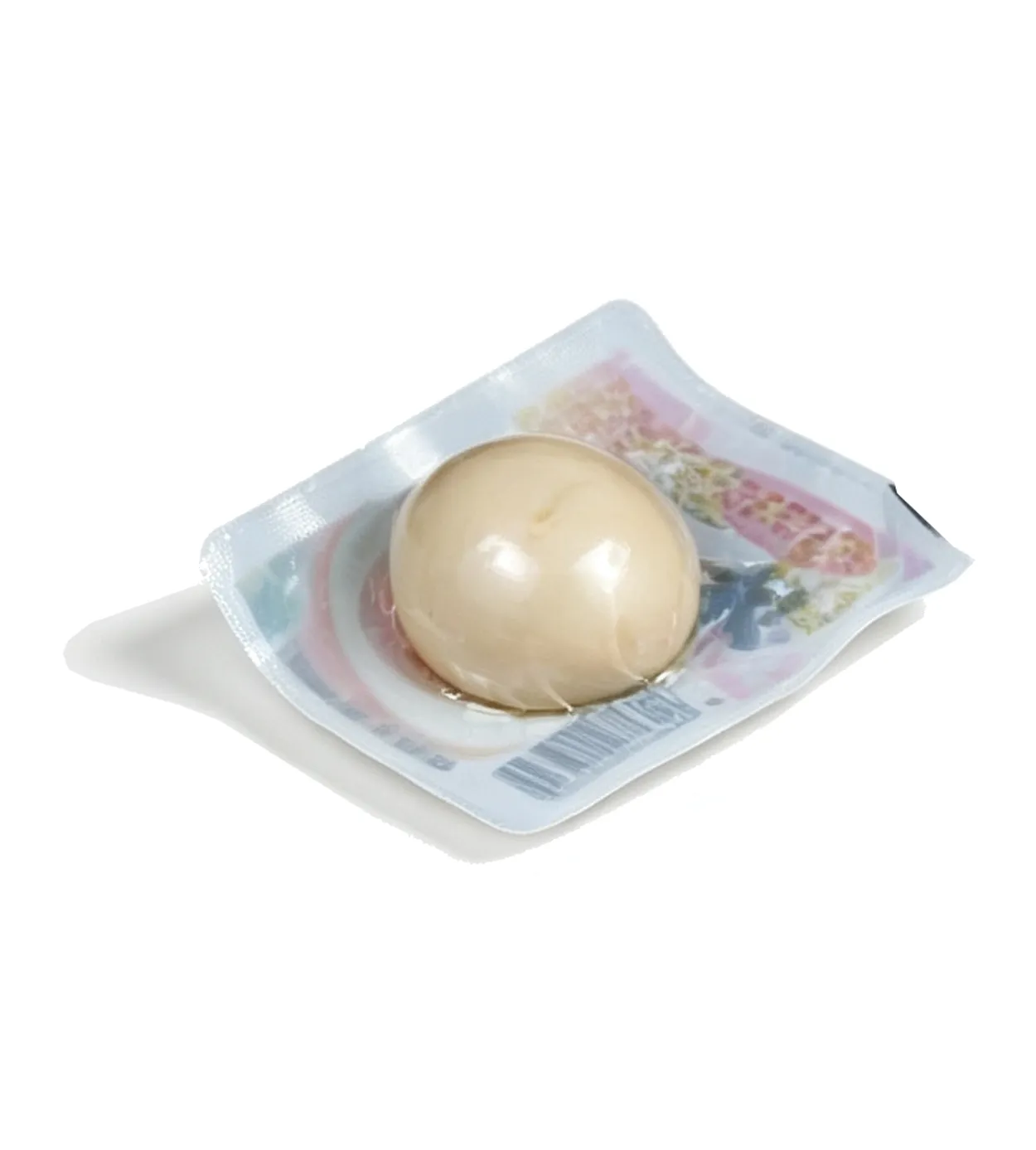
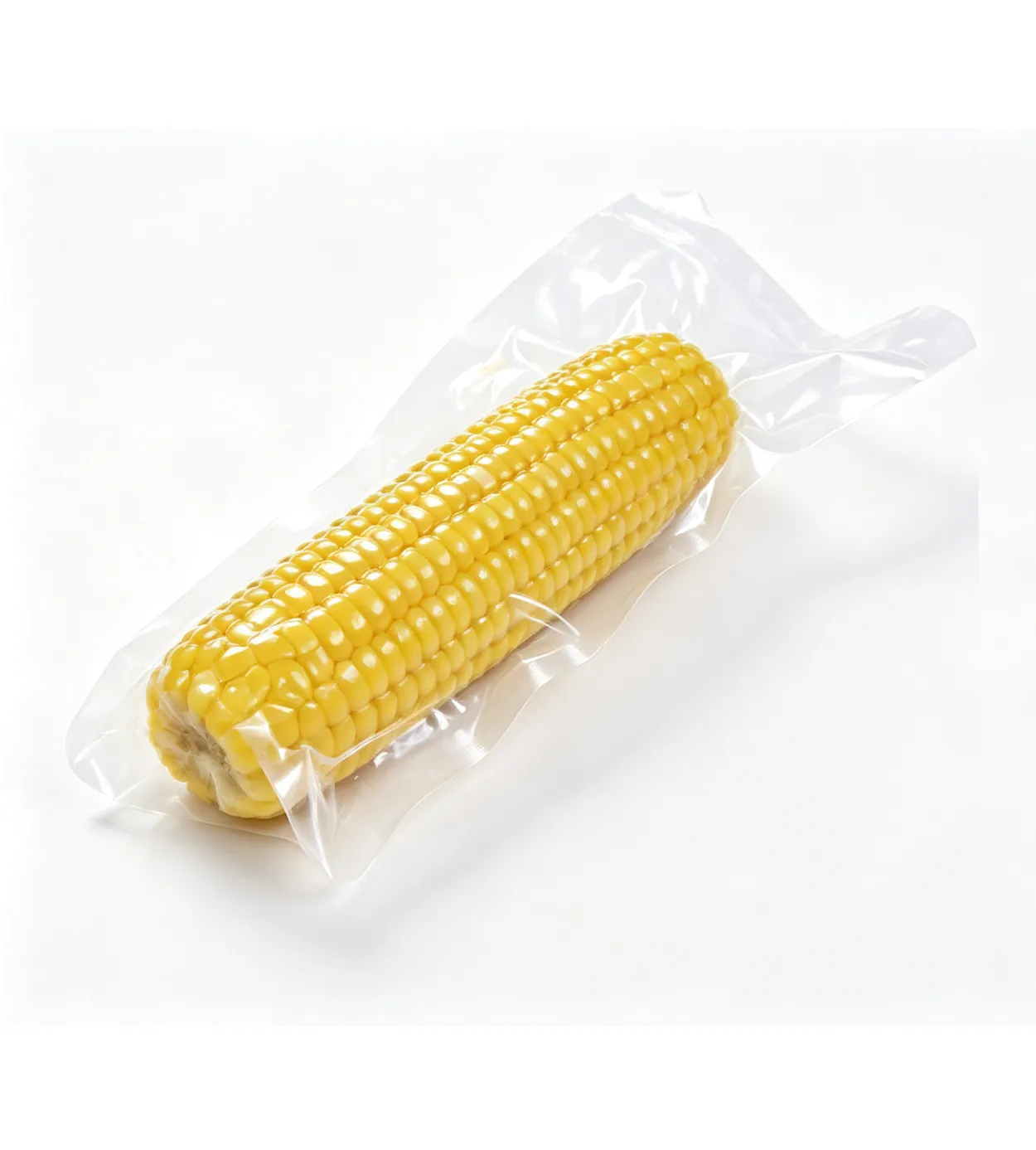
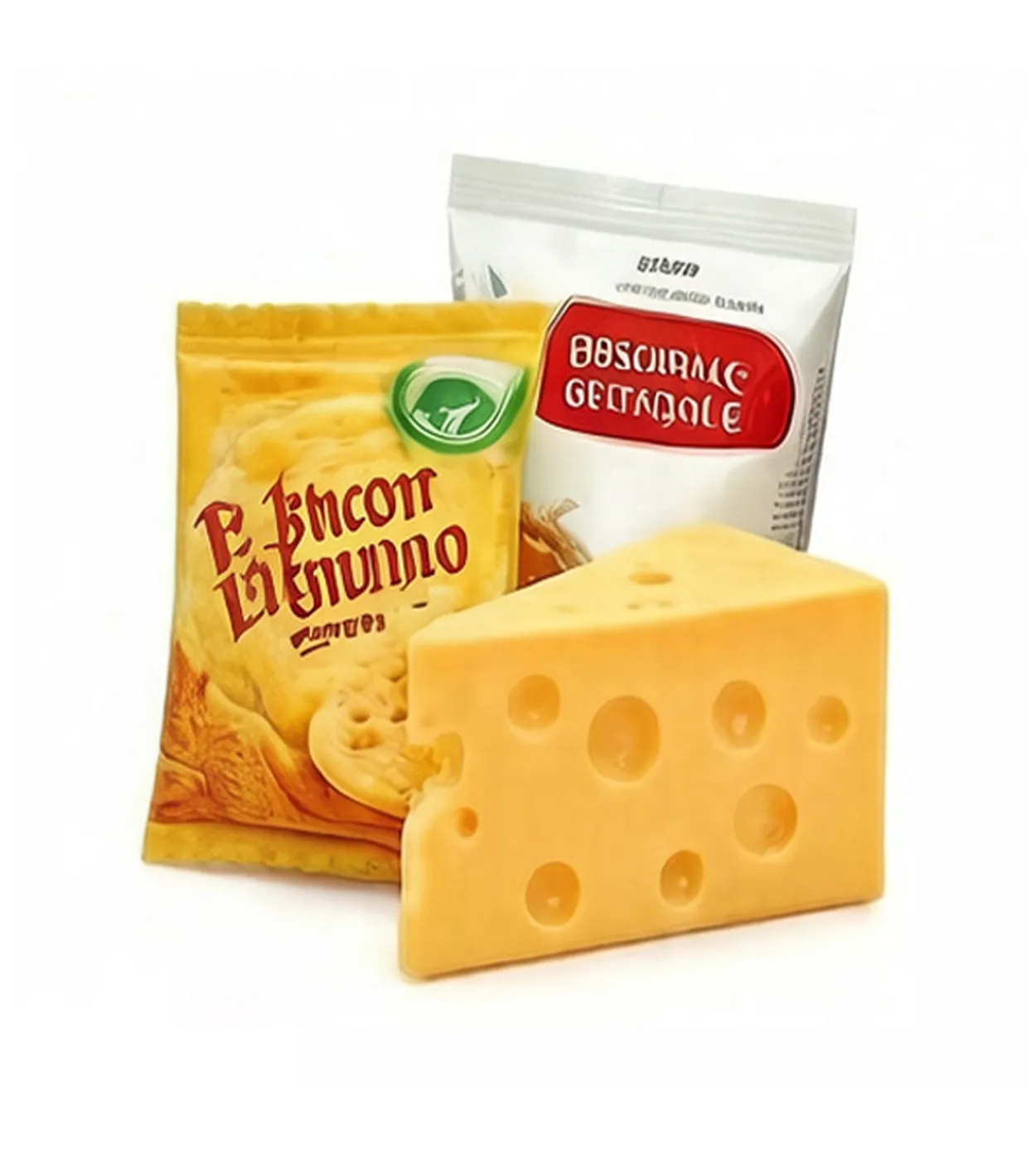
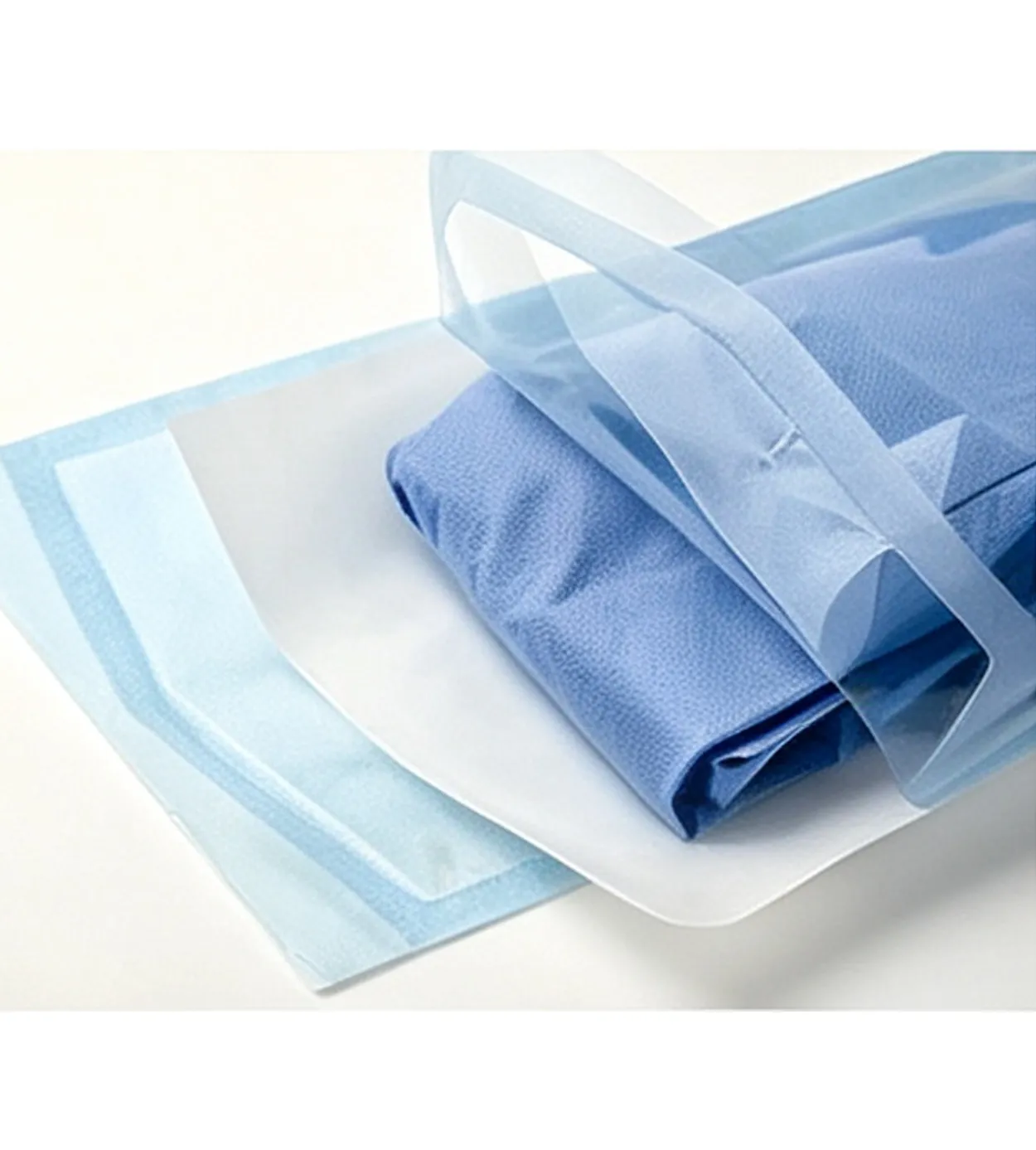
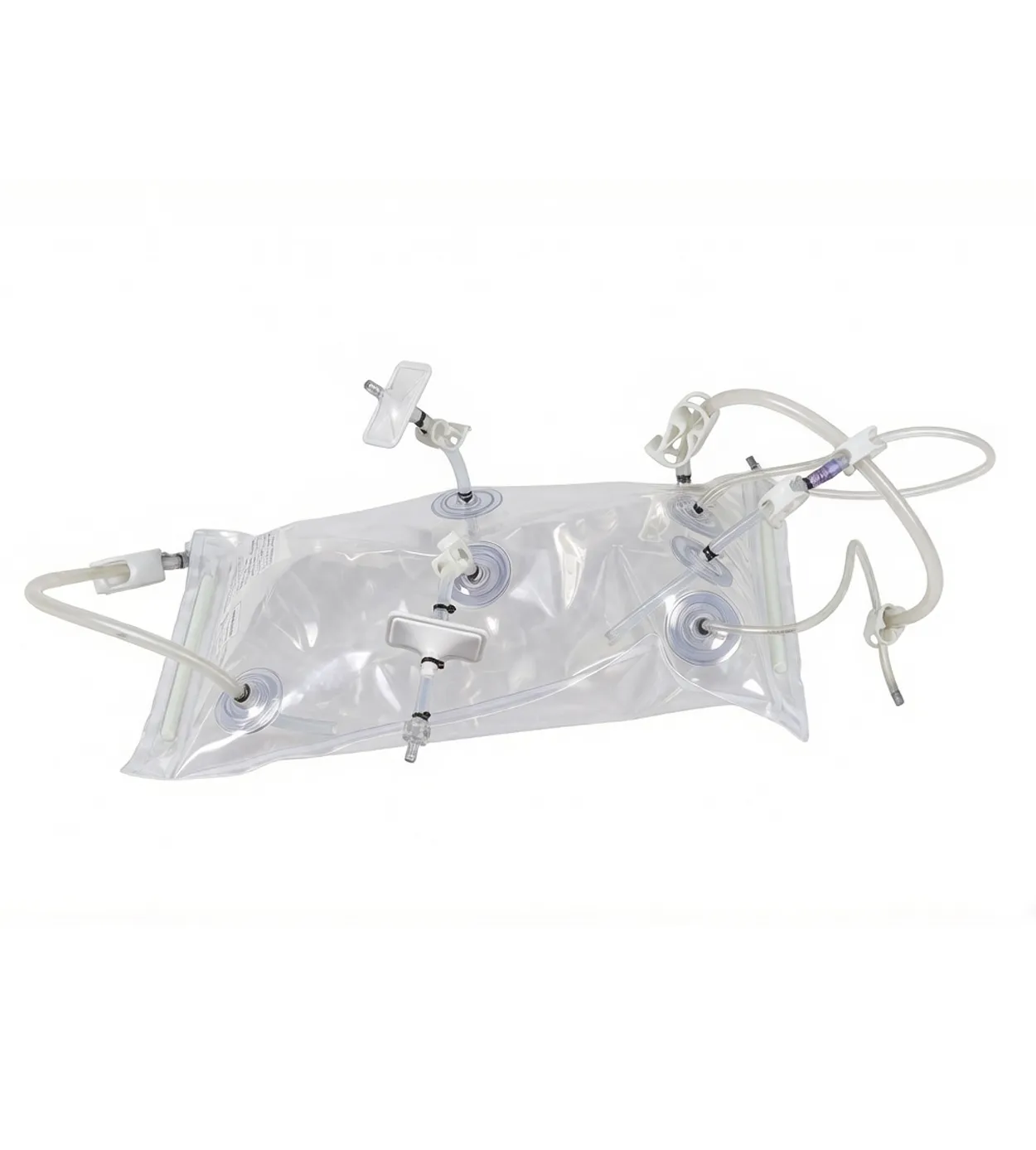
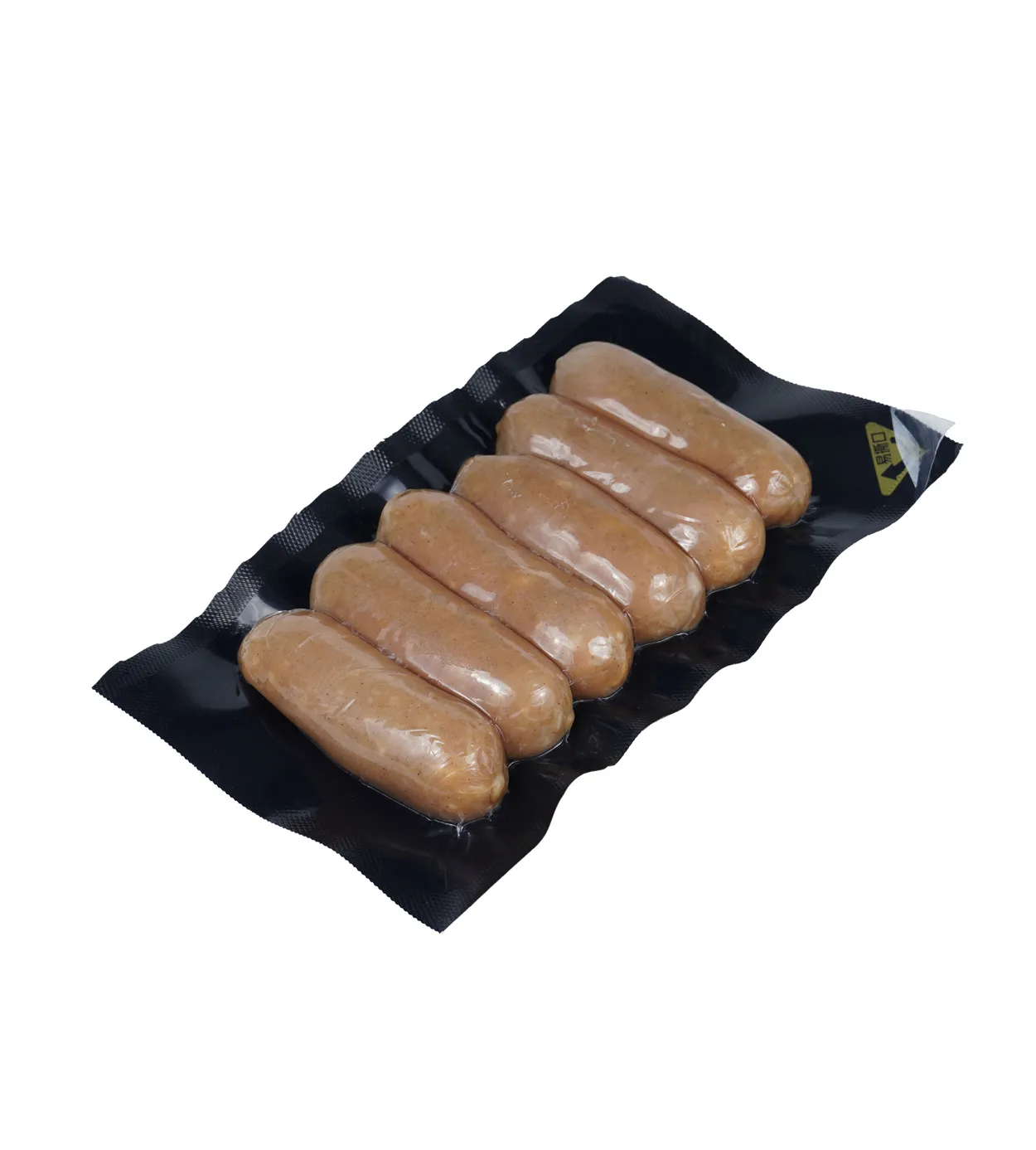
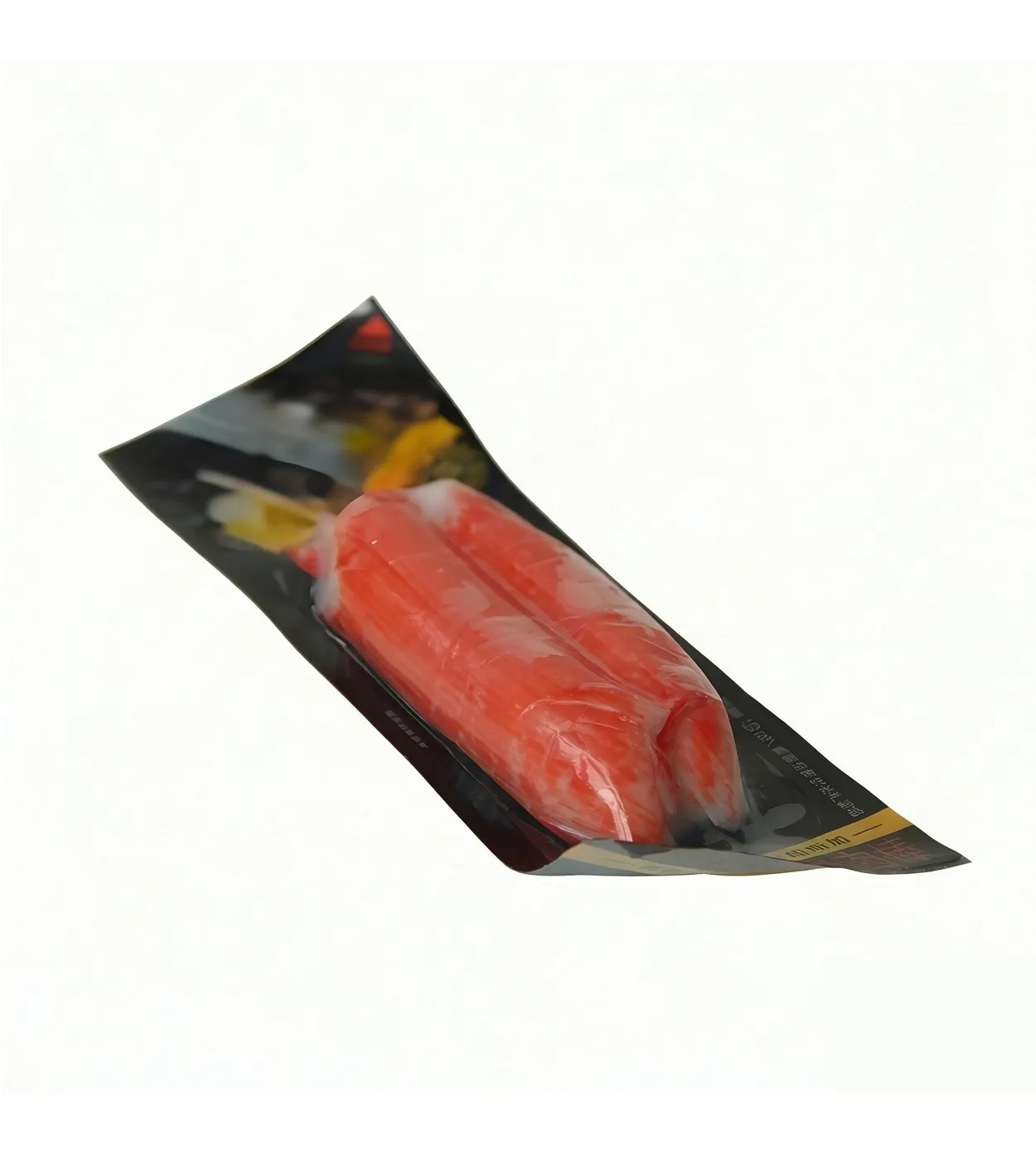
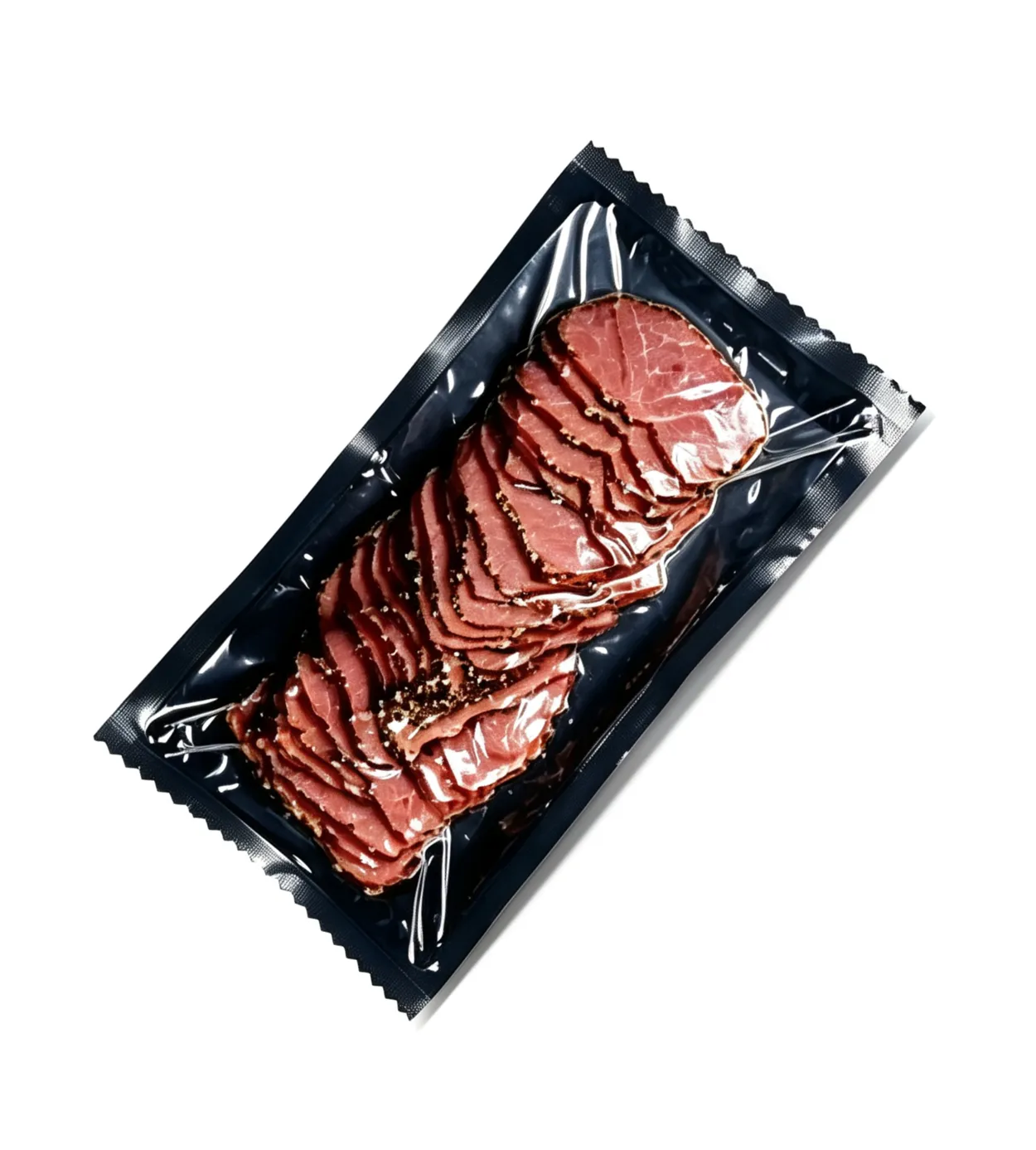
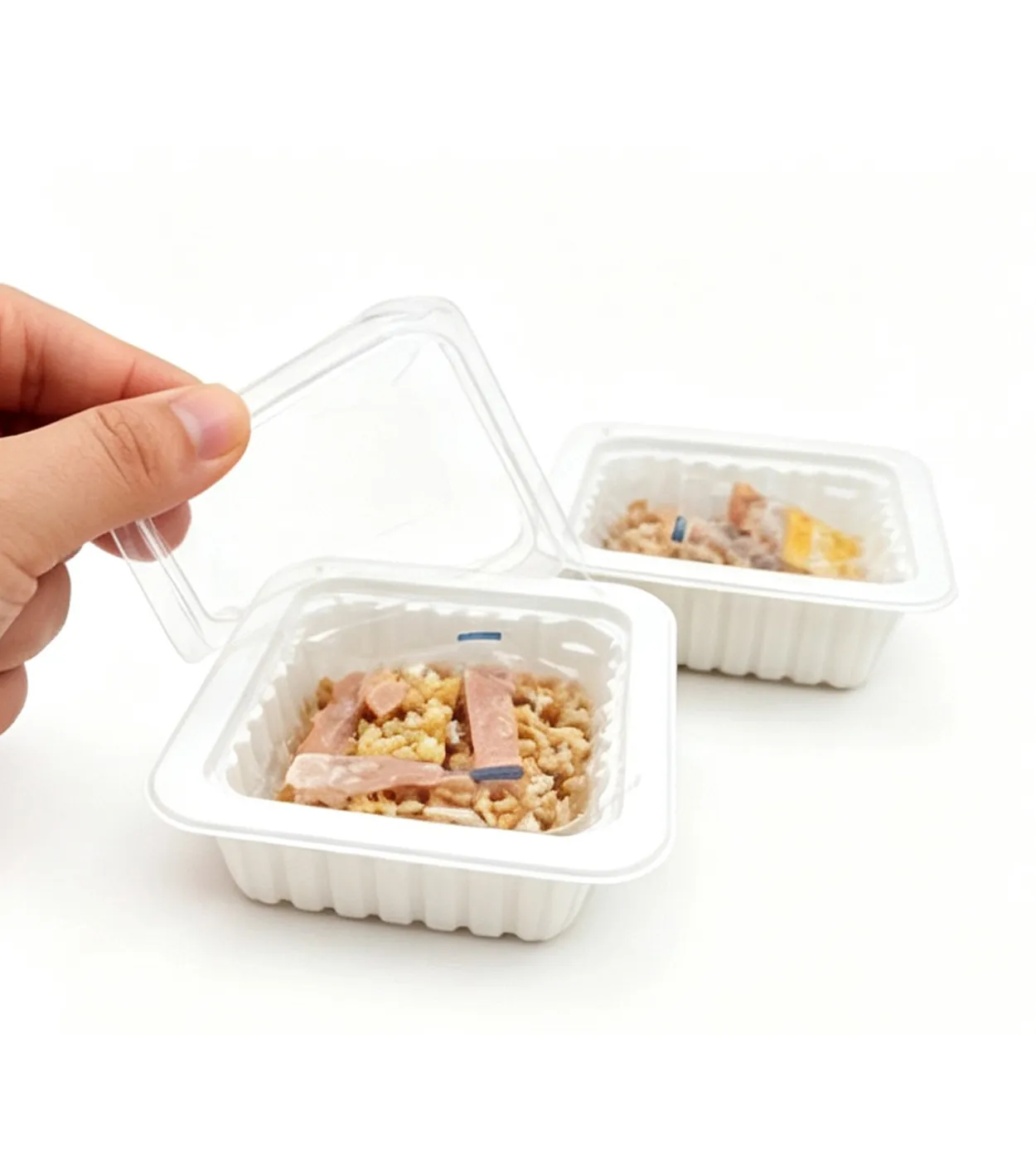
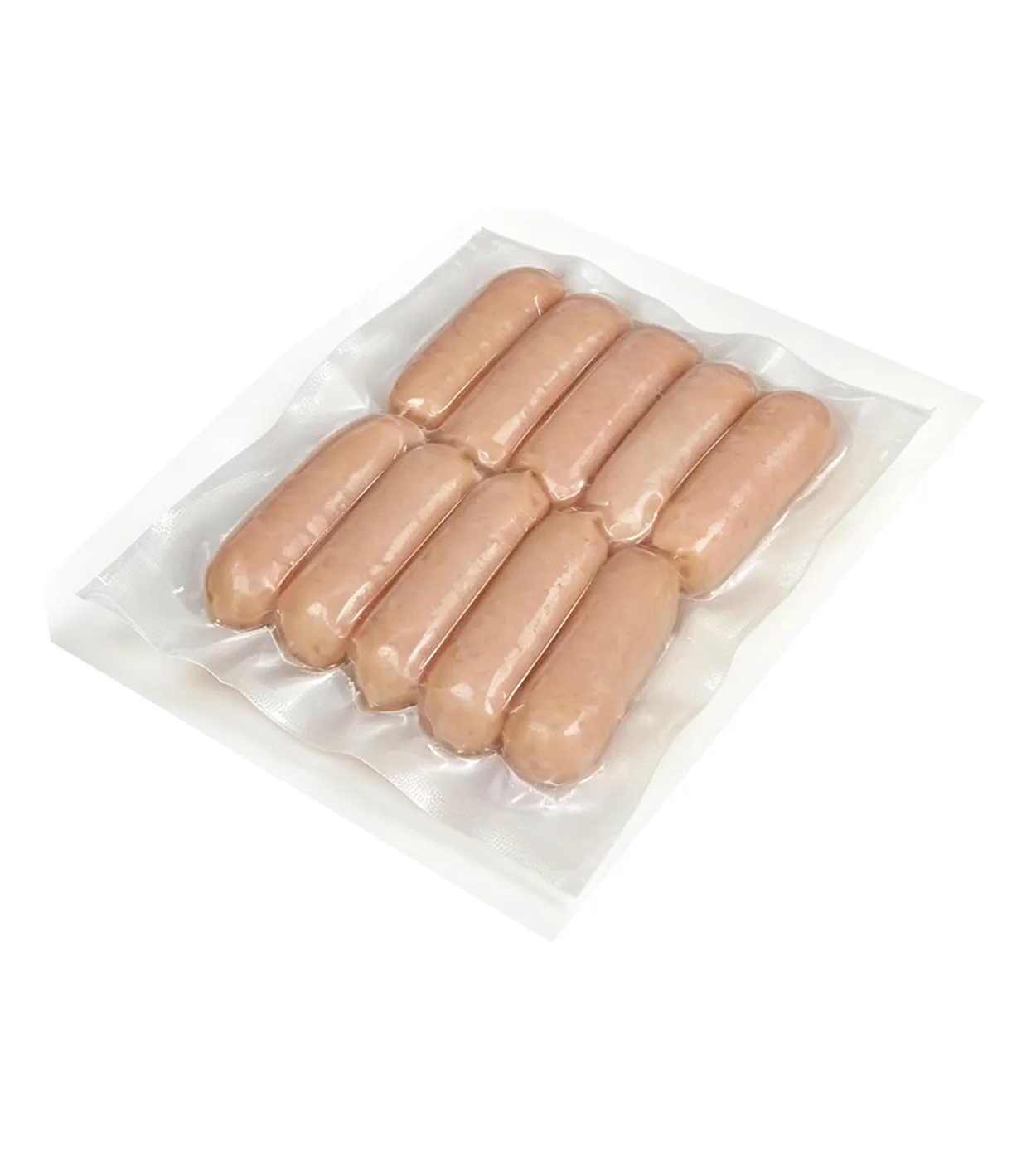
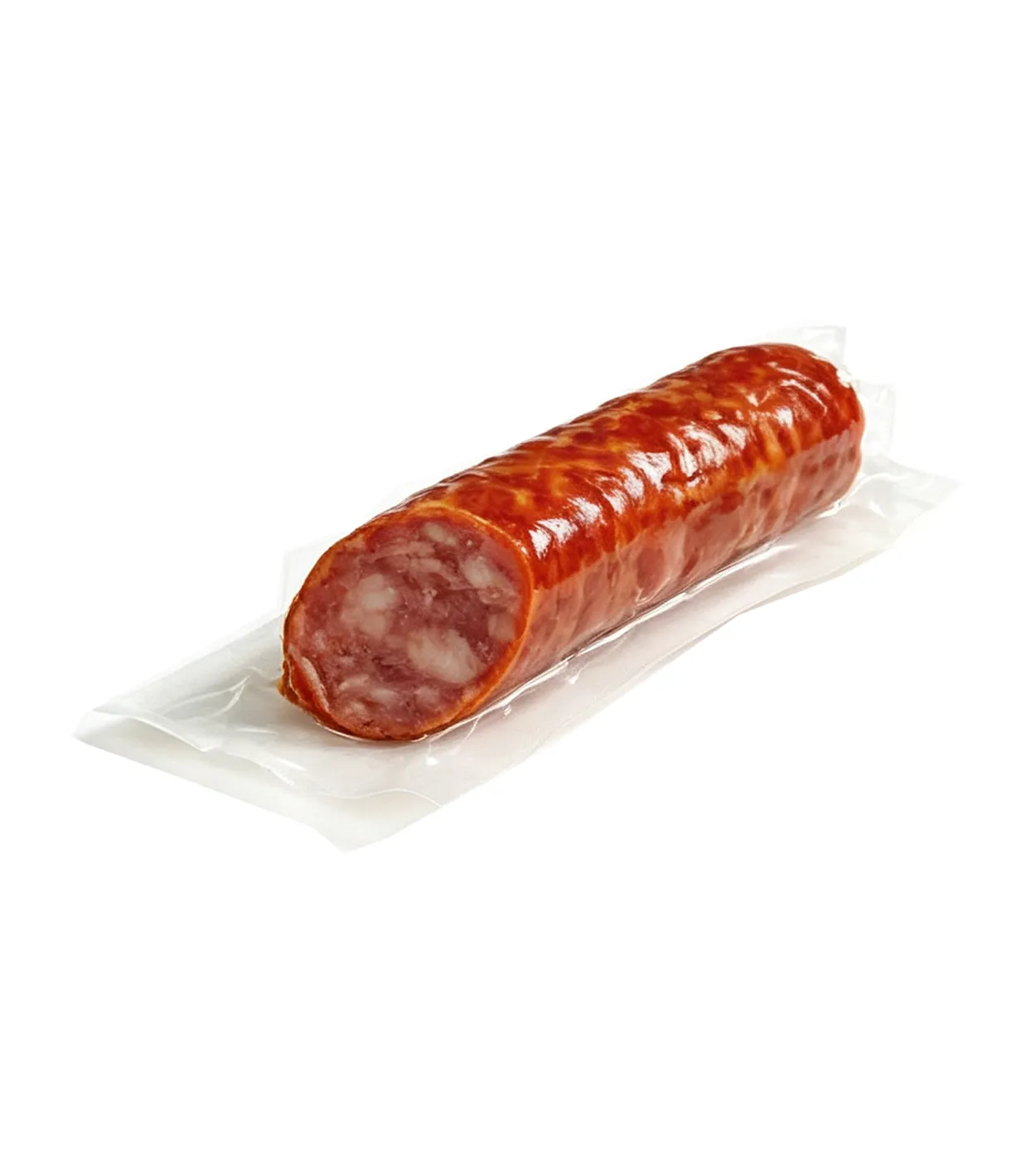
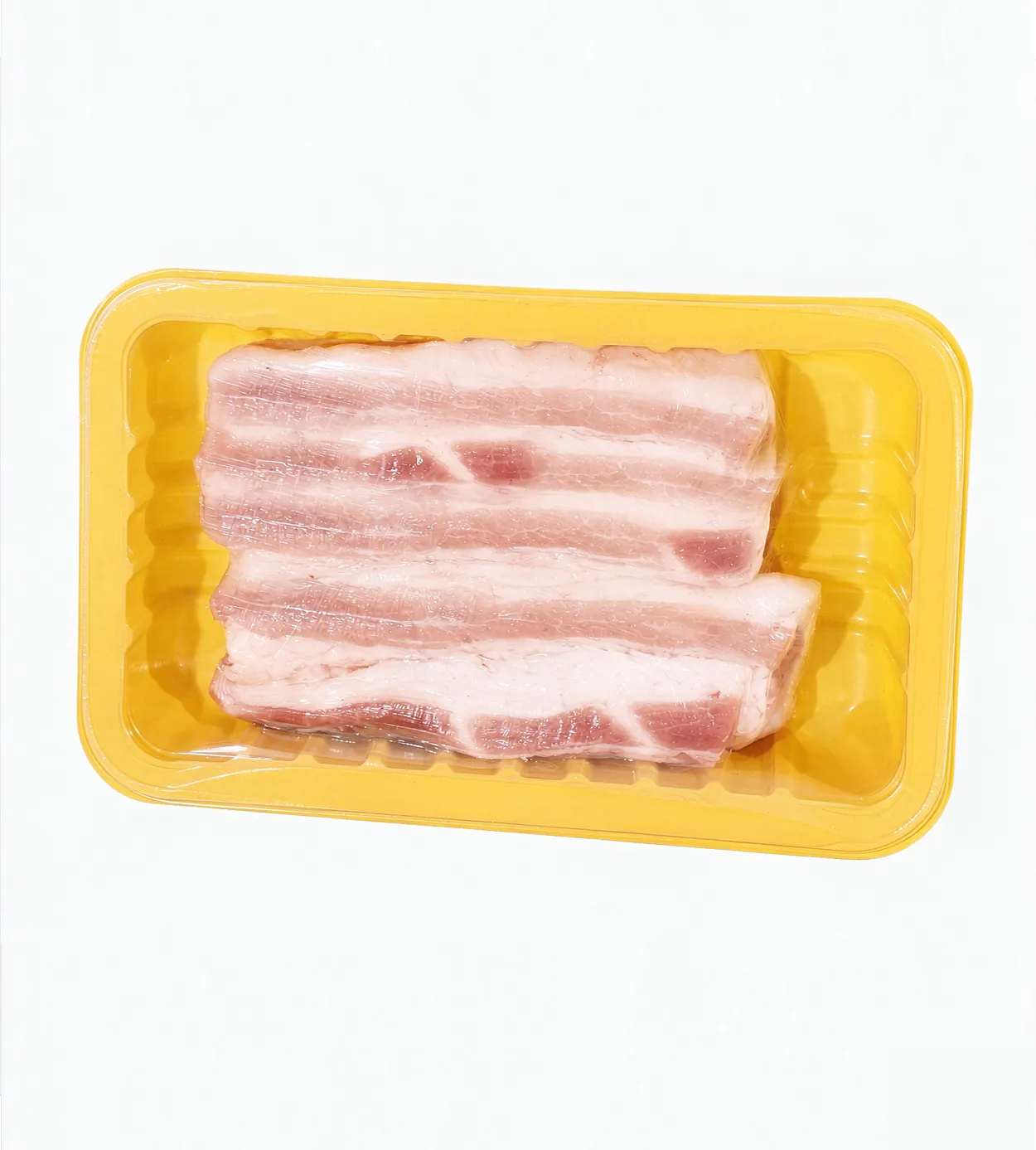
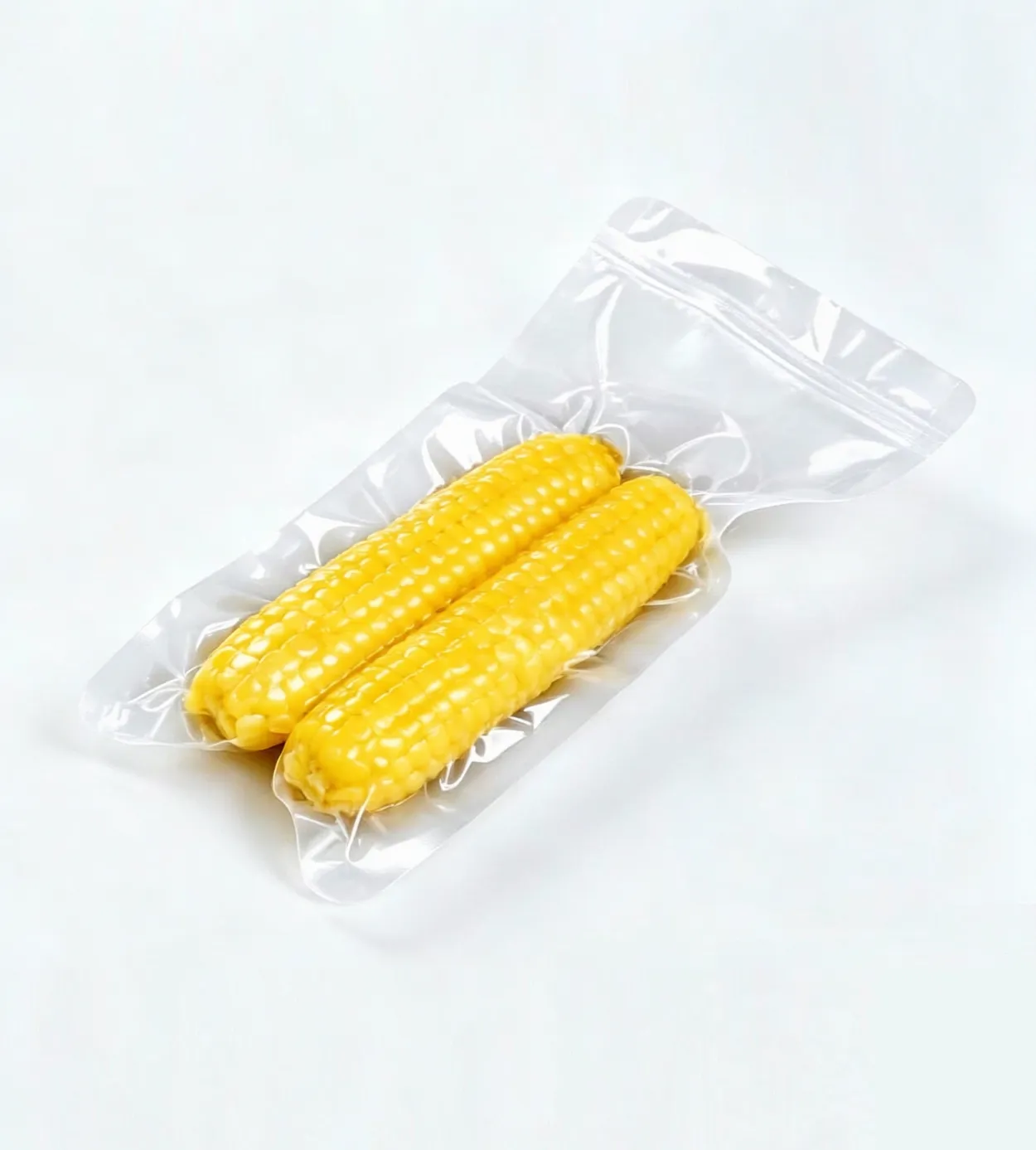
In the vast world of polymers, few materials have achieved the ubiquity and essential status of Polyethylene (PE) film. From the protective wrap on a new smartphone to the moisture barriers in high-end construction and the flexible bags used in grocery stores, PE film is an invisible but indispensable part of daily life.
Polyethylene film is a plastic material made from the polymerization of ethylene gas, a derivative of petroleum or natural gas. The material’s molecular structure consists of long chains of carbon atoms with hydrogen atoms attached. This simple yet highly adaptable chemical structure allows it to be modified into various densities and forms, each suited for specific industrial needs.
Because of its chemical inertness, PE film does not react easily with other substances, making it safe for food contact and resistant to many chemicals. It is inherently waterproof, relatively inexpensive to produce, and can be customized to be either crystal clear or opaque, rigid or incredibly stretchy.
The versatility of PE film stems from the primary categories of polyethylene, each defined by its molecular density and branching. Selecting the right density is the first step in engineering a successful packaging solution.
LDPE (Low-Density Polyethylene): Characterized by a high degree of molecular branching, LDPE is highly flexible and provides excellent clarity. It is the most common material for light-duty bags and heat-sealant layers.
LLDPE (Linear Low-Density Polyethylene): With a linear structure and short branches, LLDPE offers superior tensile strength and puncture resistance, making it the gold standard for stretch films.
HDPE (High-Density Polyethylene): HDPE molecules pack together tightly, resulting in a film that is stiffer, stronger, and more heat-resistant. It is often used for heavy-duty liners and agricultural applications.
The wide adoption of PE film is driven by a unique set of physical properties. The practicality of PE film lies in its balance of cost and performance:
Moisture Barrier: PE is naturally hydrophobic, making it essential for protecting electronics from humidity and keeping dry foods crispy.
Chemical Resistance: It can withstand acids, bases, and vegetable oils, which is why it is used extensively in laboratory and industrial chemical shipping.
Flexibility and Impact Strength: Even at low temperatures, PE film remains pliable. This is critical for frozen food packaging, where other plastics might become brittle and crack.
Optical Clarity: Modern extrusion techniques allow for high-clarity films that enhance the visual appeal of retail products.
While basic PE film offers an excellent moisture barrier, it has limitations when it comes to oxygen permeability and mechanical toughness. To overcome these hurdles, material scientists use co-extrusion to create multi-layer films that combine PE with other functional polymers like Polyamide (PA/Nylon) and EVOH.
In this specialized field, companies like GroupSmart have become pivotal by offering a sophisticated range of GroupSmart products designed for high-performance applications. By layering different materials, manufacturers can create a super film that possesses the best qualities of each component.
GroupSmart’s focus on advanced extrusion technology ensures that their PE films provide consistent performance, which is vital for reducing downtime in high-volume manufacturing environments. Whether it is a cast film requiring high optical clarity or a high-barrier co-extruded film for sensitive electronics, having a reliable source for these specialized resins and structures is a competitive advantage.
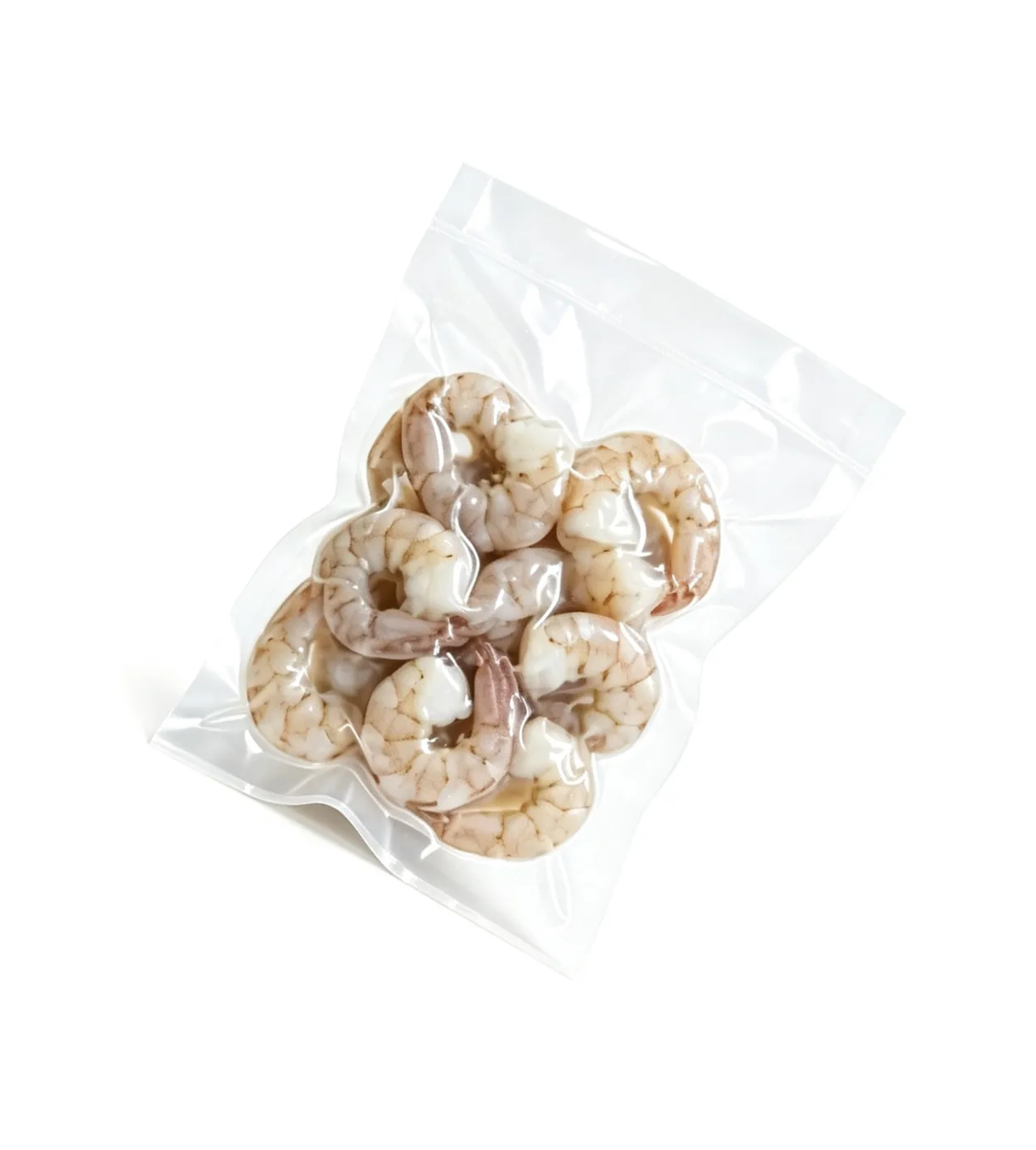
PA/PE film is a popular choice for vacuum packaging. While the PE layer provides an excellent waterproof seal, the PA layer adds high mechanical strength and puncture resistance. This combination is essential for packaging bone-in meats or industrial parts with sharp edges that would easily tear a standard mono-layer PE bag.
For products that are highly sensitive to oxygen, such as fresh cheese, processed meats, or medical supplies, a more advanced barrier is required. The PA/EVOH/PE film structure is engineered for exactly this purpose. EVOH (Ethylene Vinyl Alcohol) serves as a world-class oxygen barrier, while the PA layers provide toughness and the PE layer ensures moisture protection and easy sealing. This five- or seven-layer construction can drastically extend the shelf life of perishable goods without the need for chemical preservatives.
Structural stability is often achieved through symmetrical designs. A PE/PA/PE film structure is frequently utilized in thermoforming applications. The symmetrical layers prevent the film from curling during the heating and cooling process, ensuring a smooth, flat finish that is critical for automated packaging lines.
PE film is much more than a simple plastic wrap; it is a highly engineered material that enables the modern global economy to function. From its fundamental chemical origins to the sophisticated PE/PA/PE structures used in modern factories, PE film continues to redefine what is possible in packaging.
By understanding the differences between LDPE, LLDPE, and HDPE, and by leveraging multi-layer technologies like PA/EVOH/PE, businesses can optimize their packaging for performance, cost-effectiveness, and environmental responsibility. As material science continues to advance, the next generation of PE films will likely be even thinner, stronger, and more integrated into a sustainable, circular world, proving that this backbone of packaging is as resilient as the molecules it is made of. With advanced 11-layer co-extrusion technology, GroupSmart delivers high-barrier films tailored for demanding food and pharmaceutical applications.