English
  日本語
日本語  한국어
한국어  français
  Deutsch
  Español
  italiano
  русский
  português
  العربية
  Indonesia
  tiếng việt
  हिंदी
हिंदी  Türkçe
Related GroupSmart News
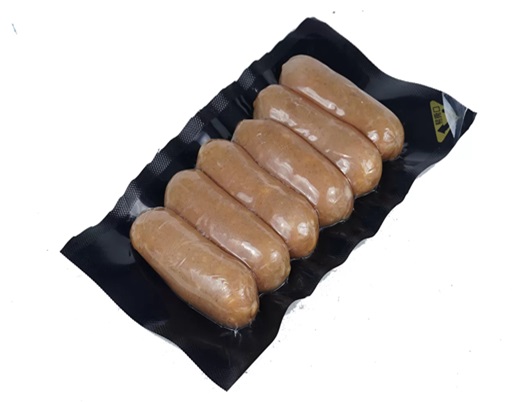


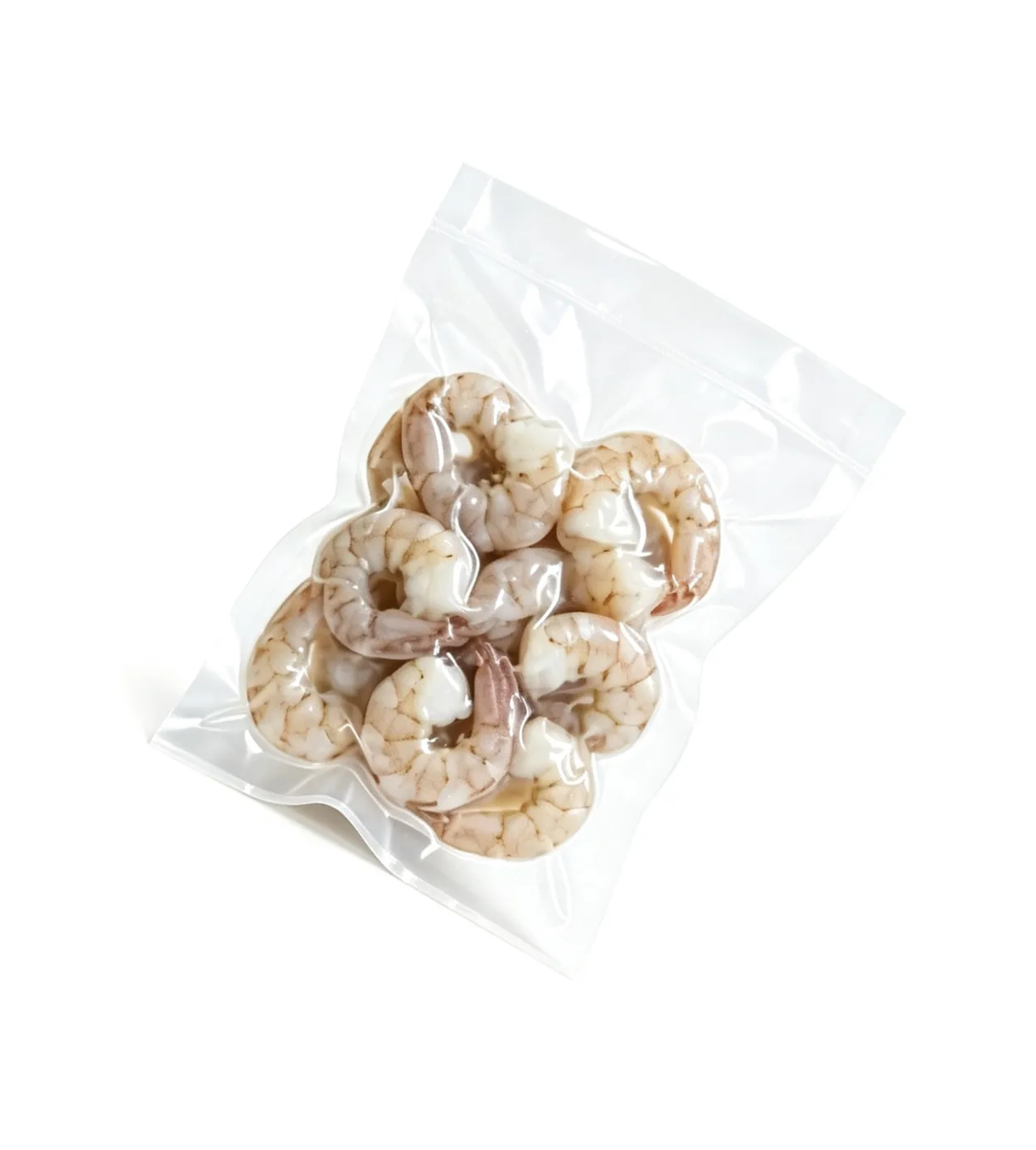
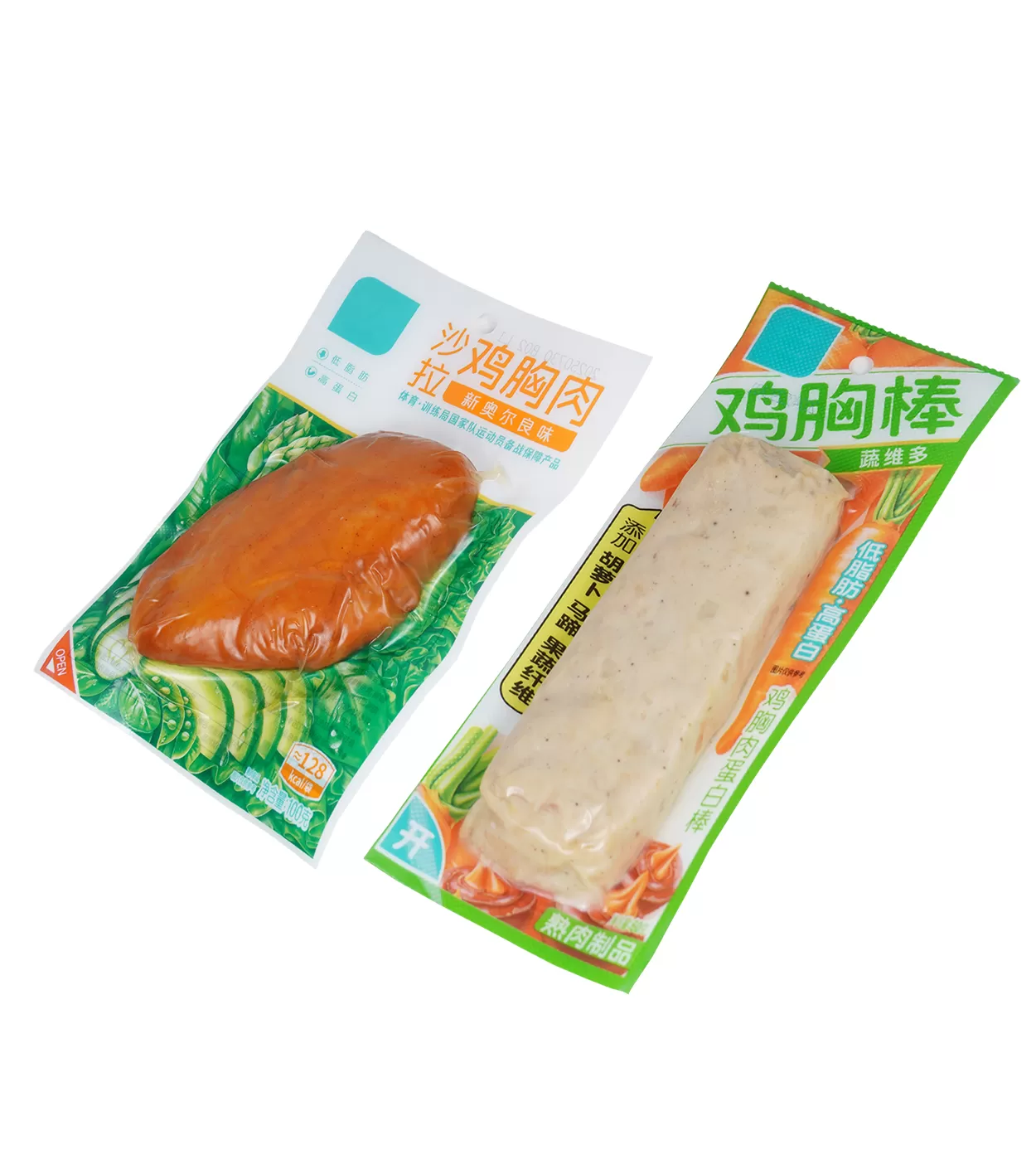
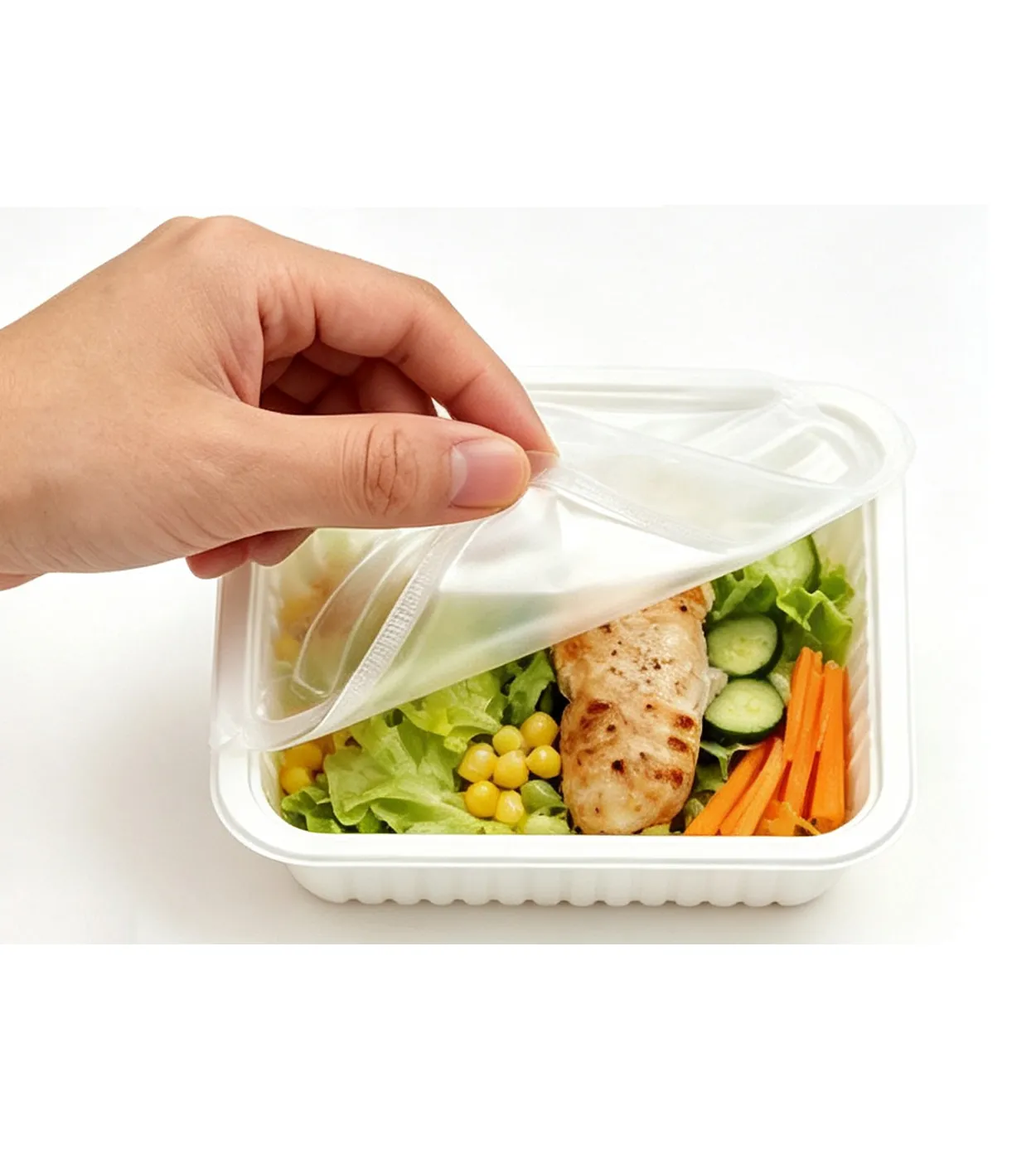
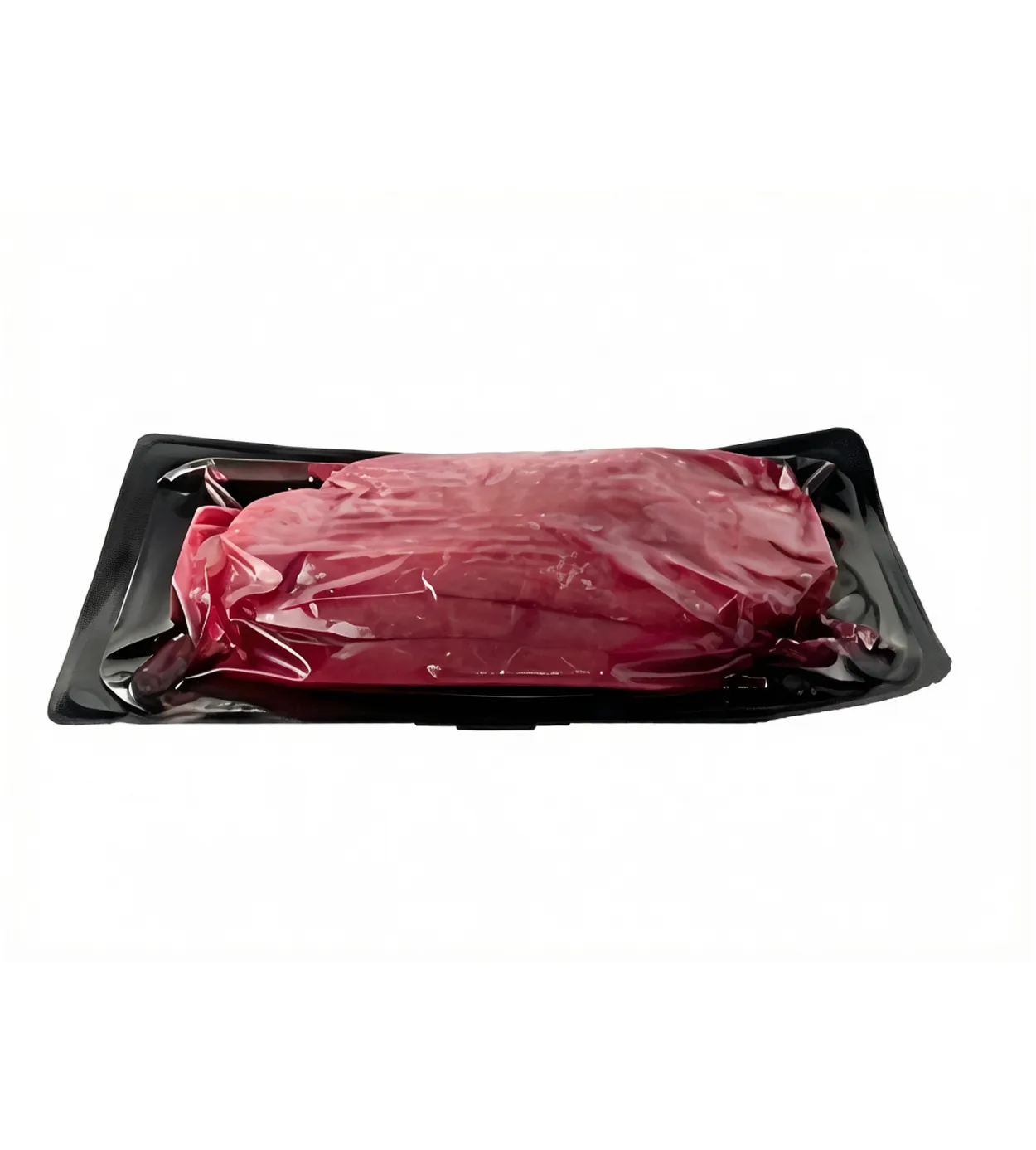
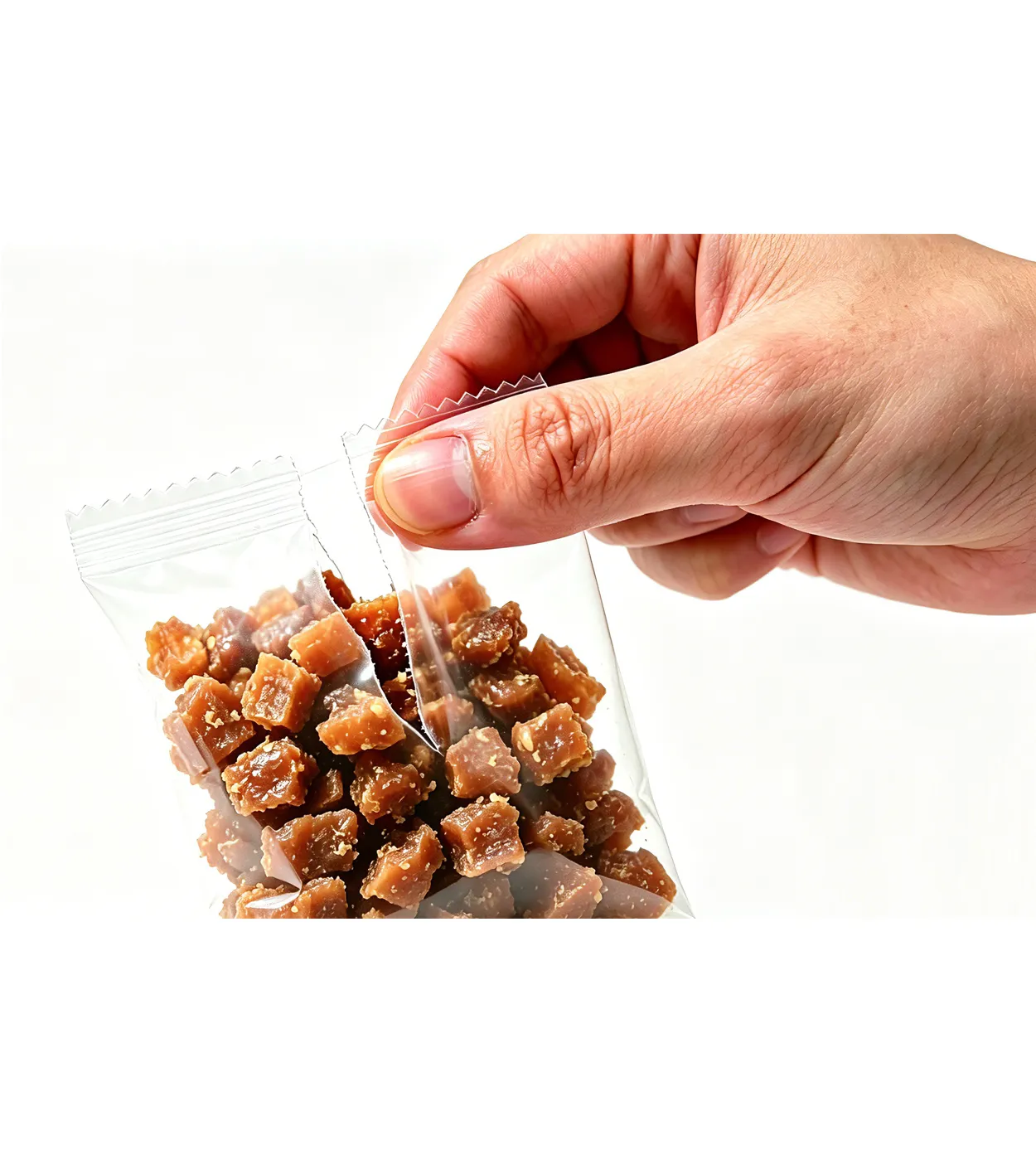
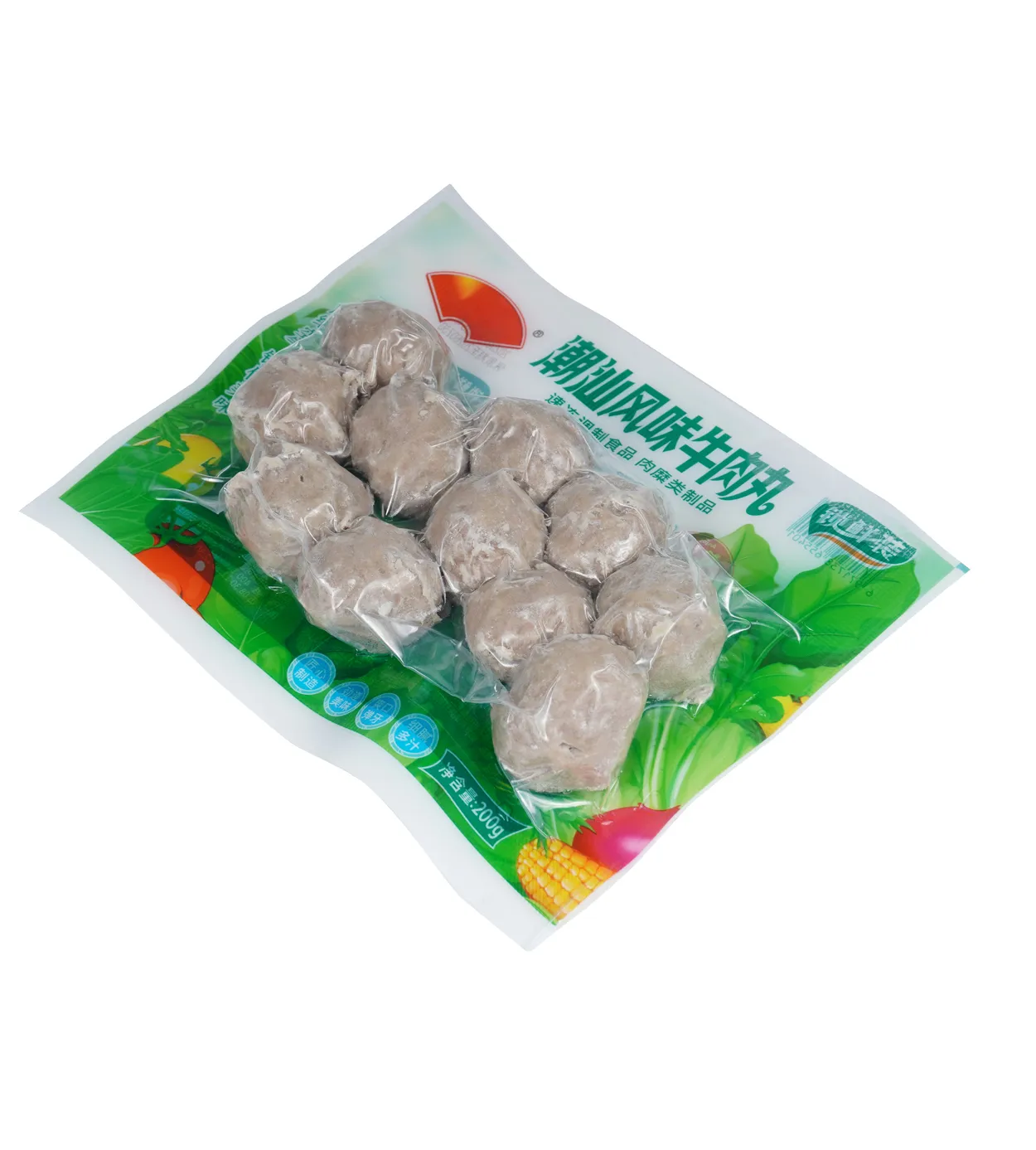
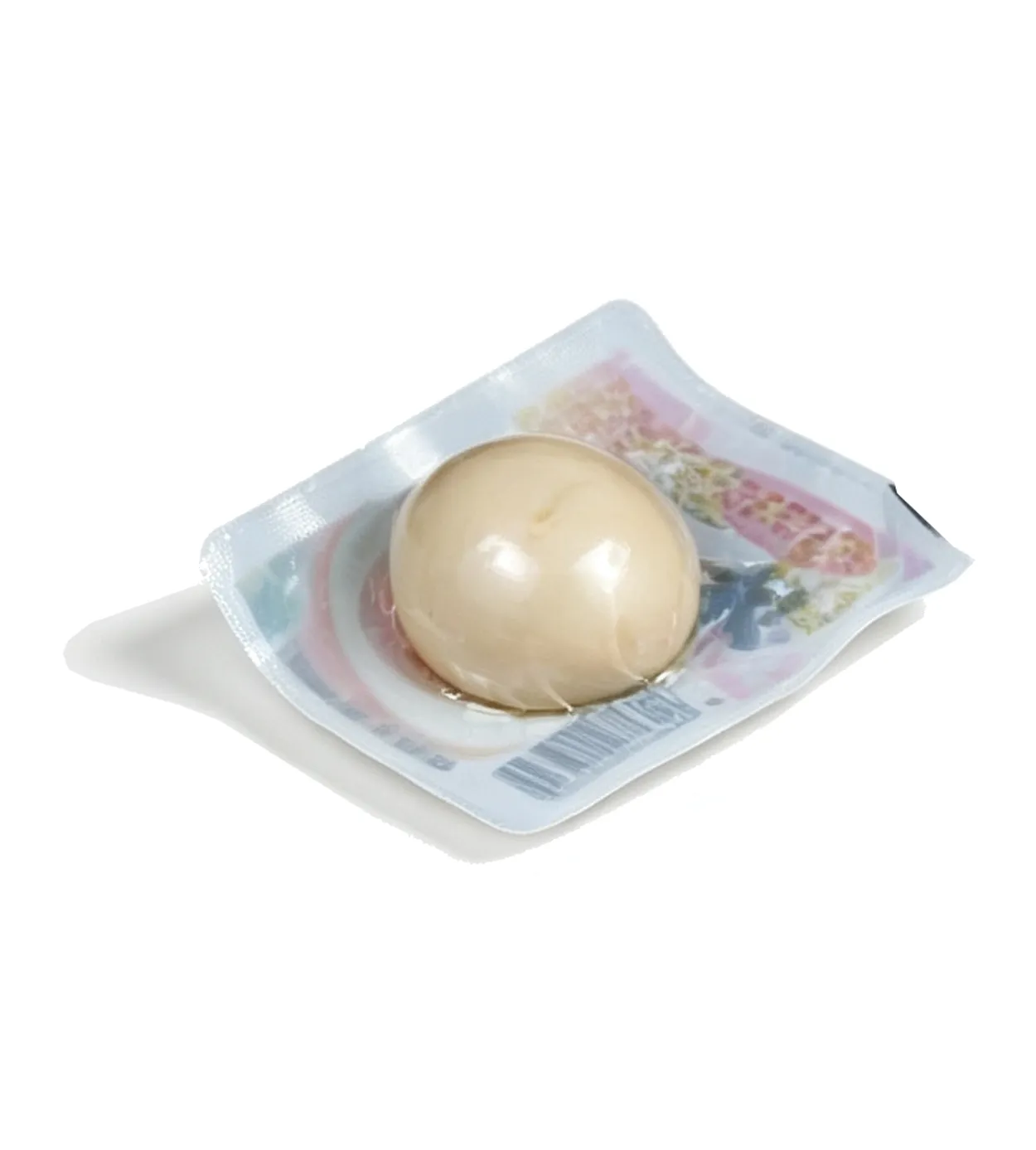
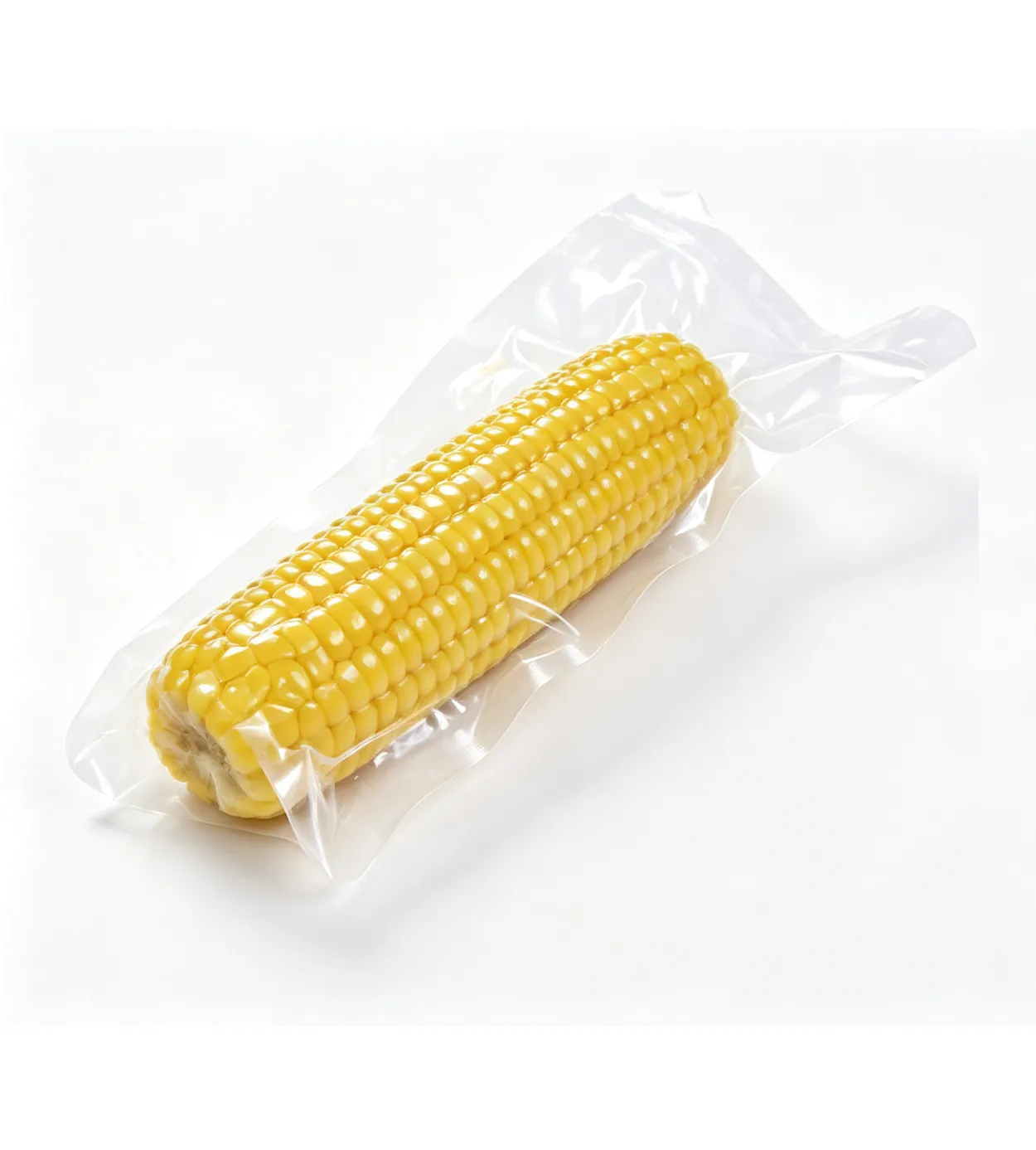
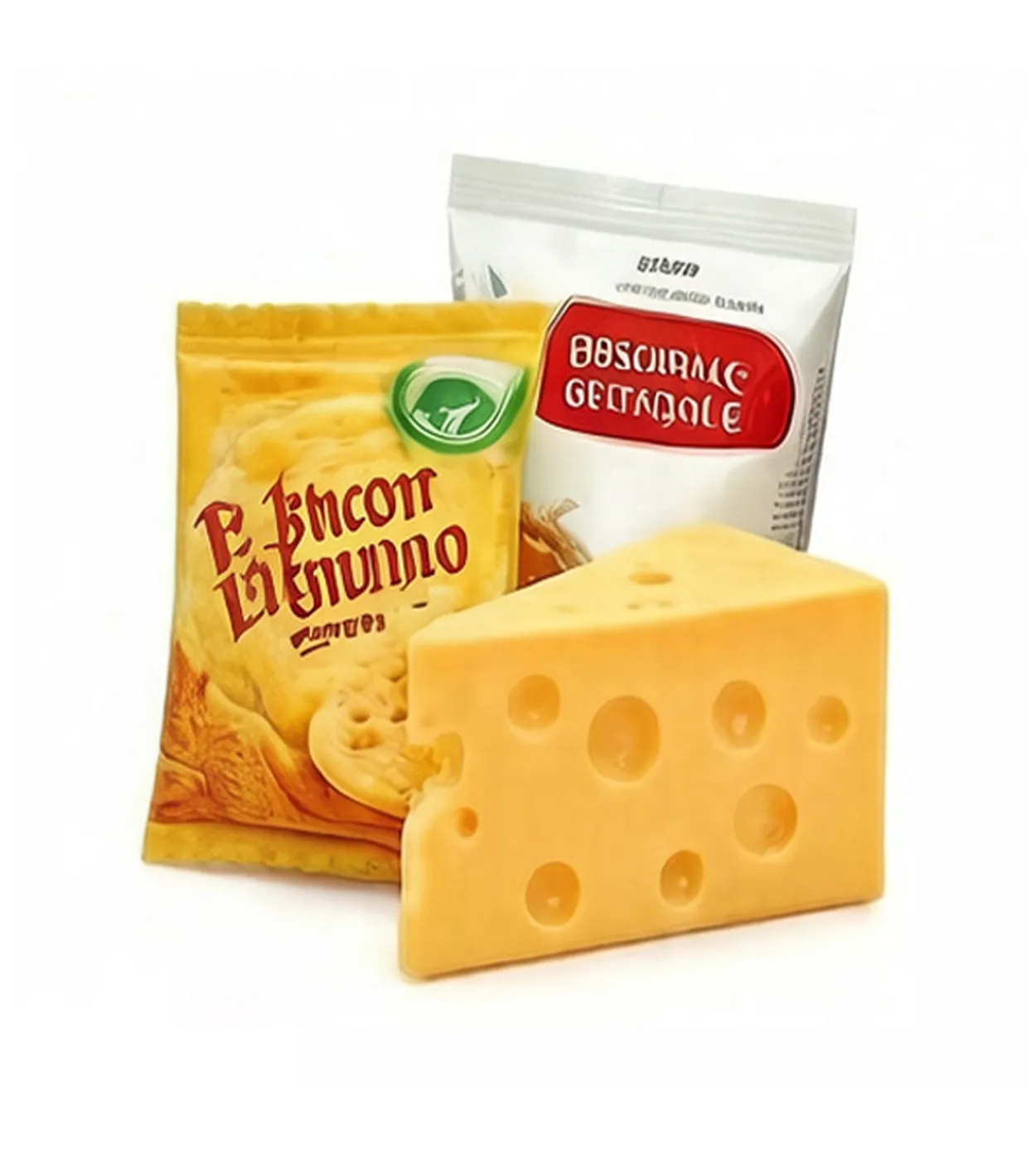
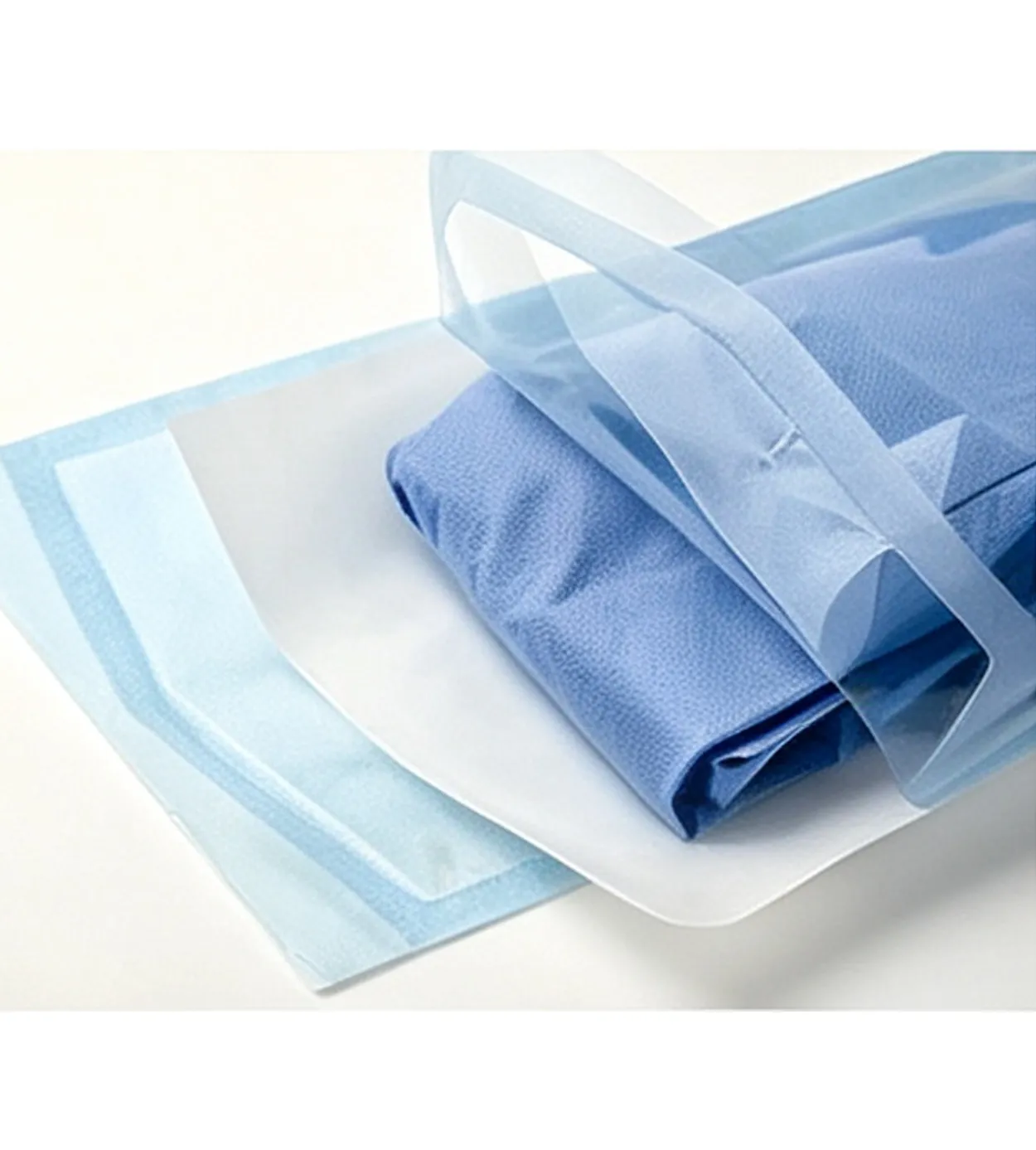
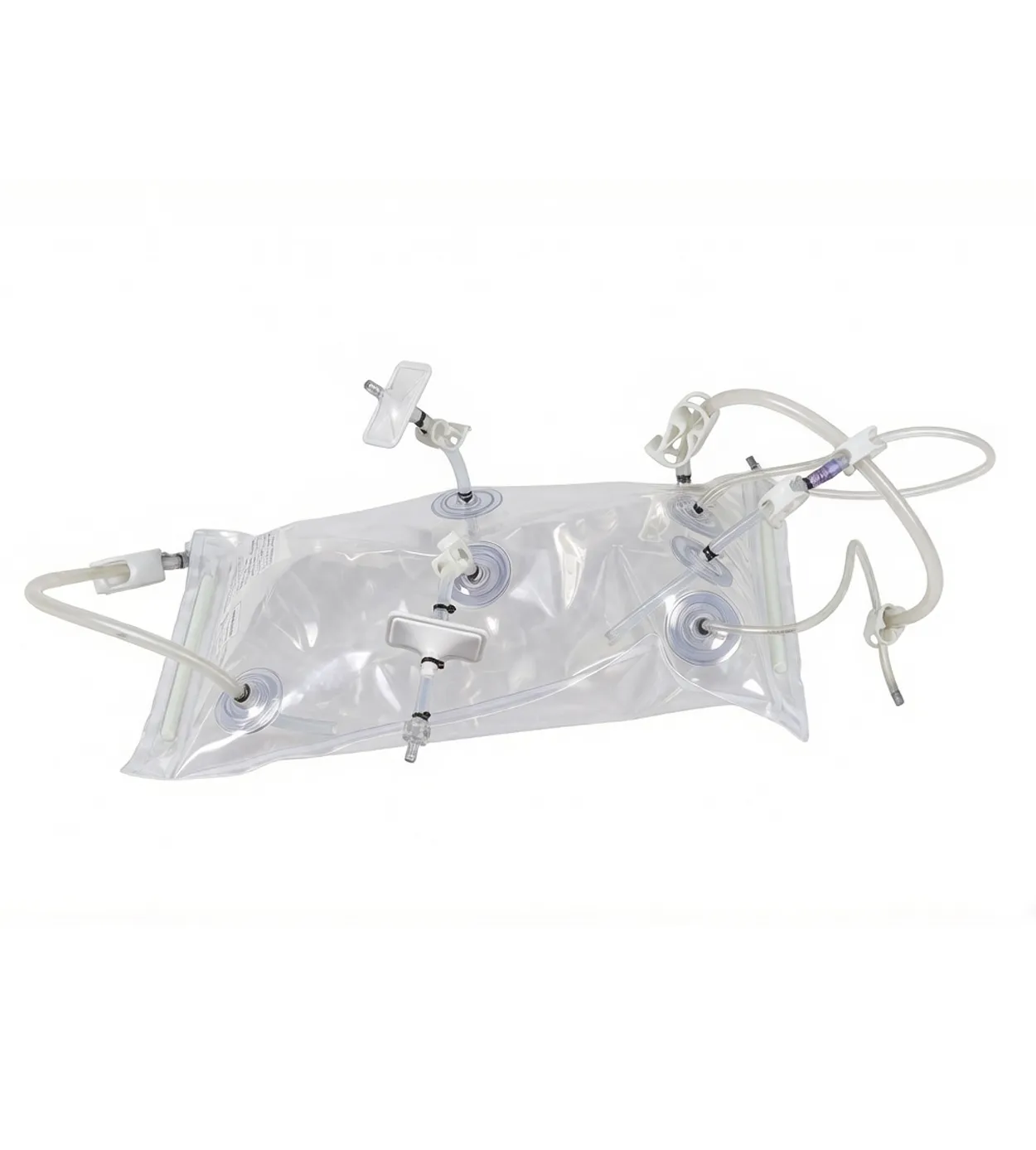
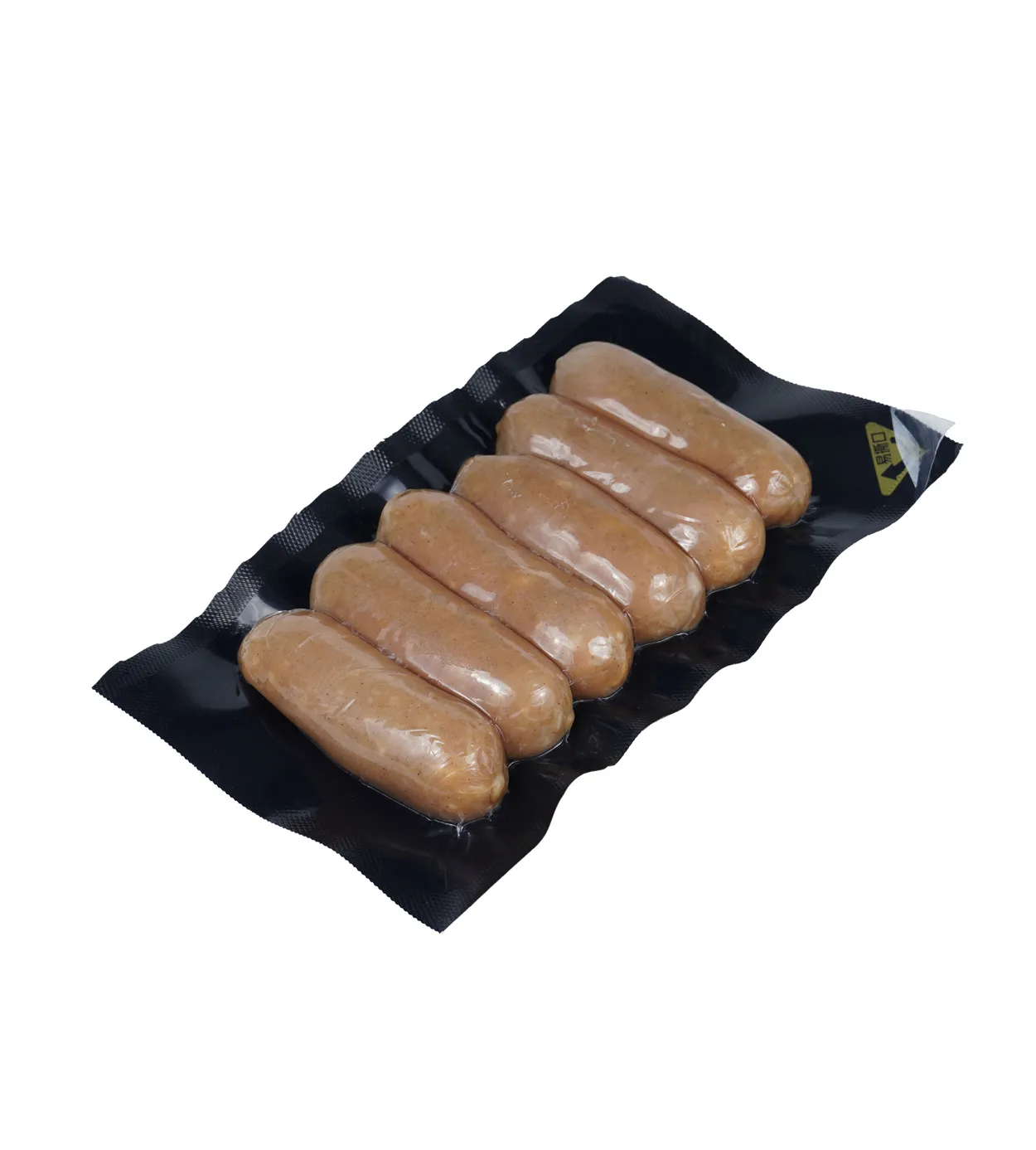
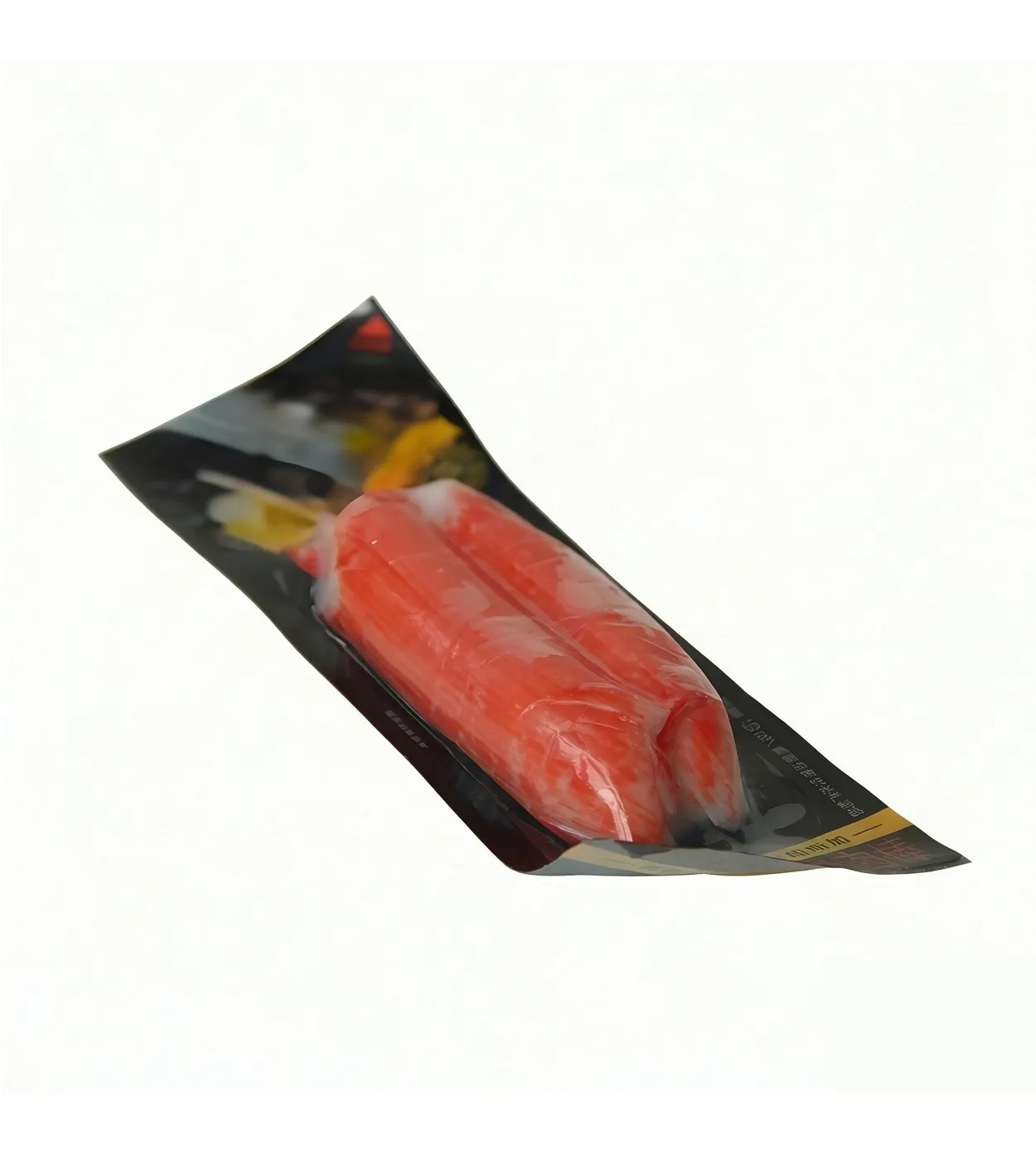
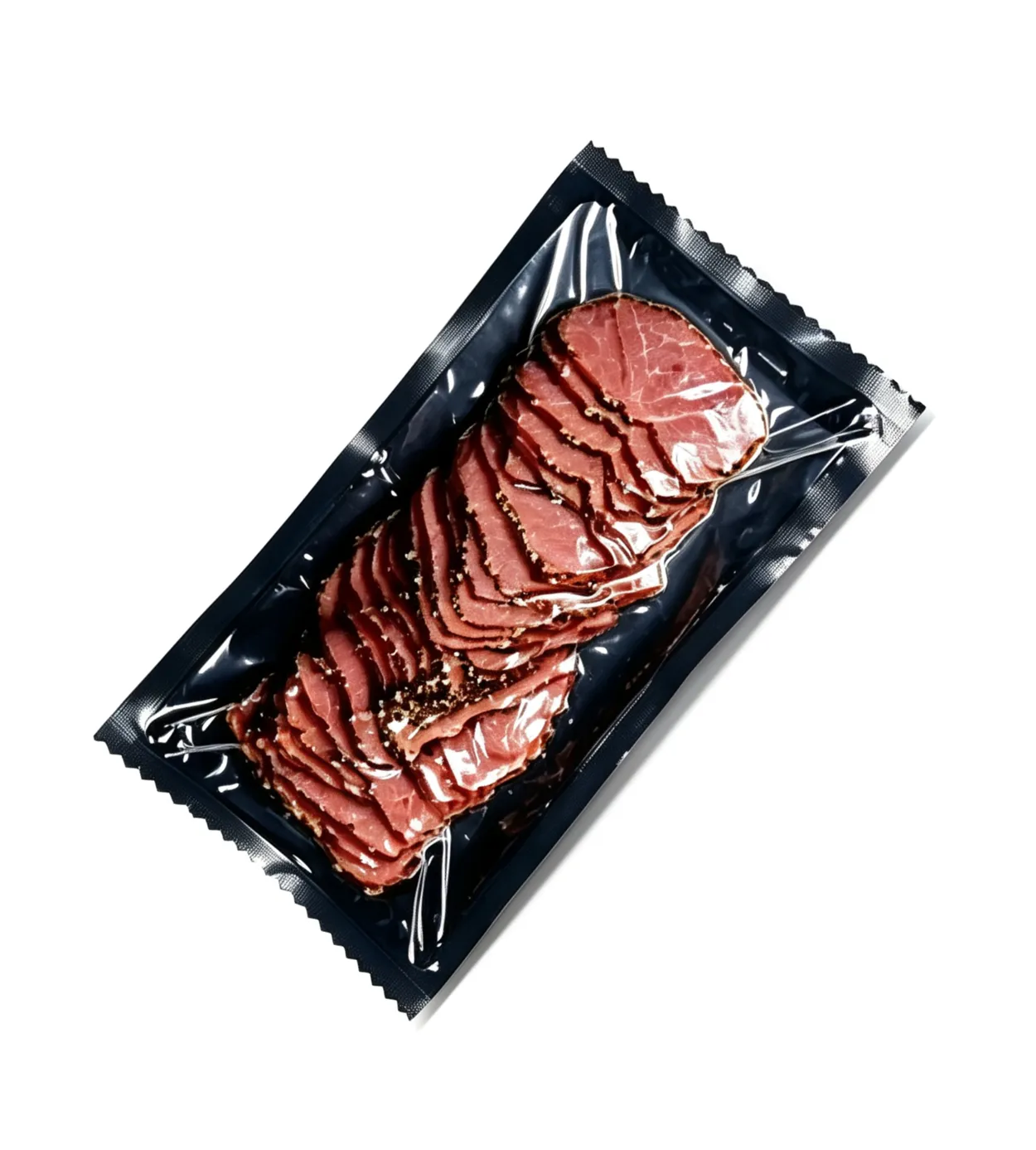
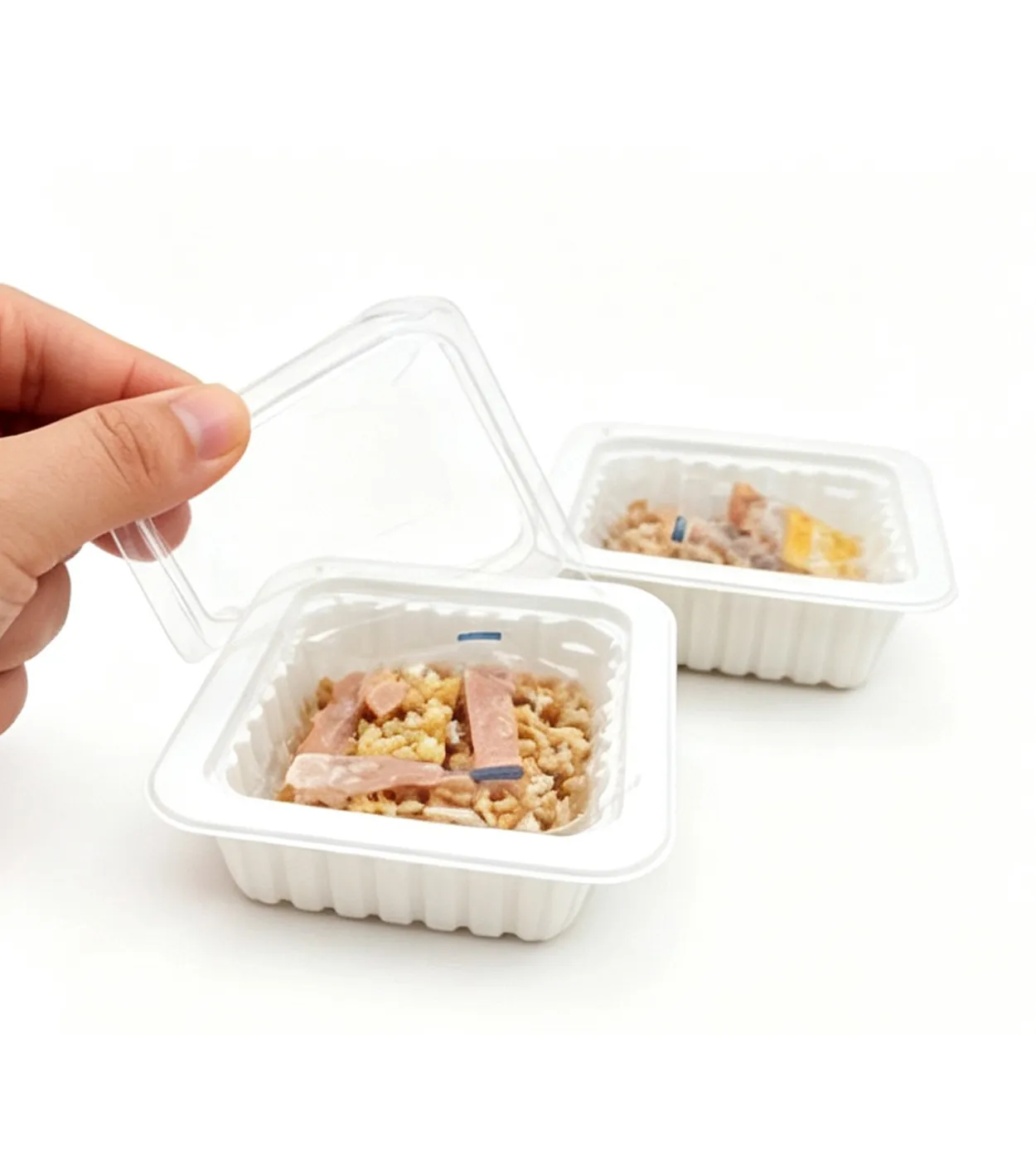
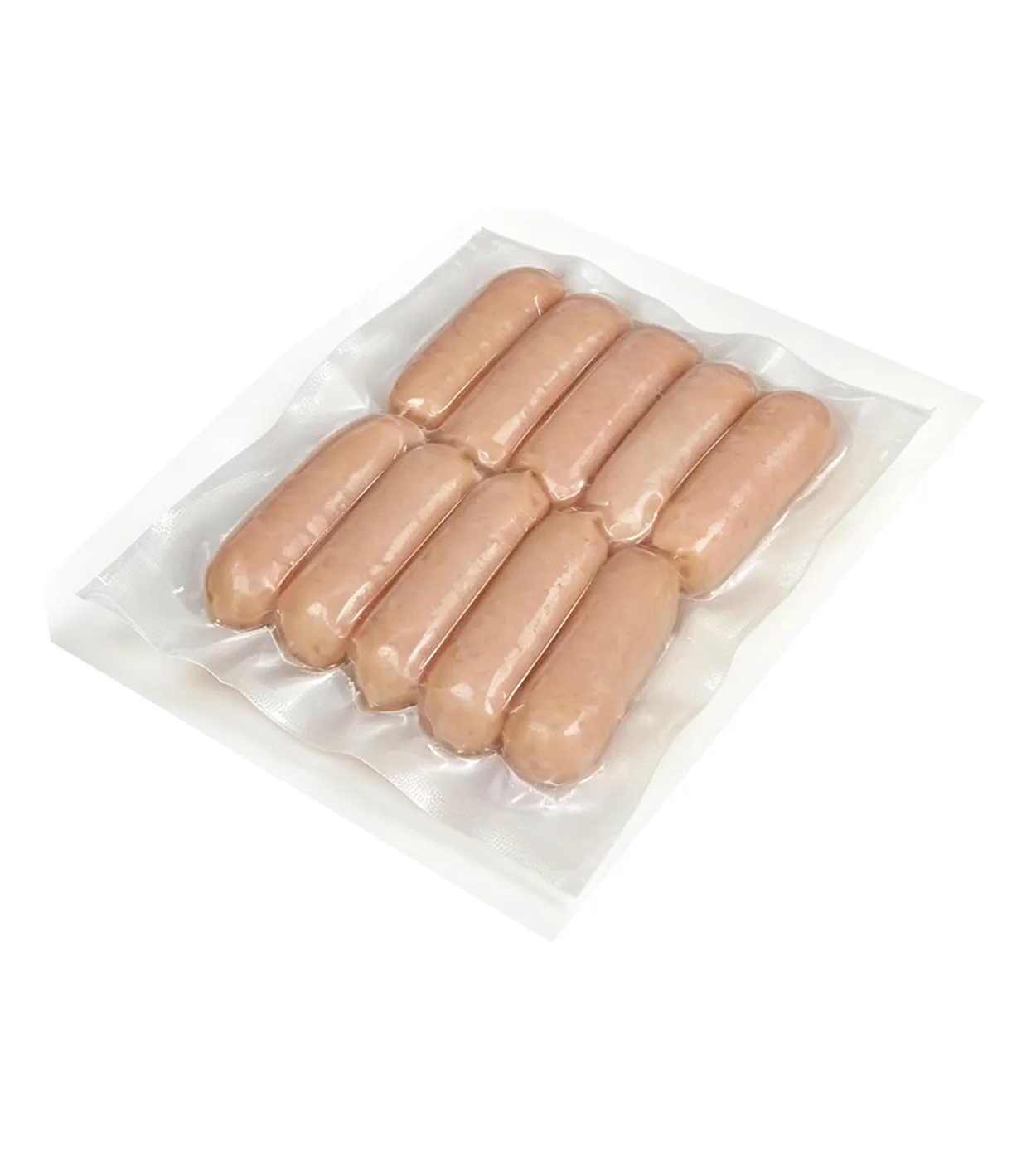
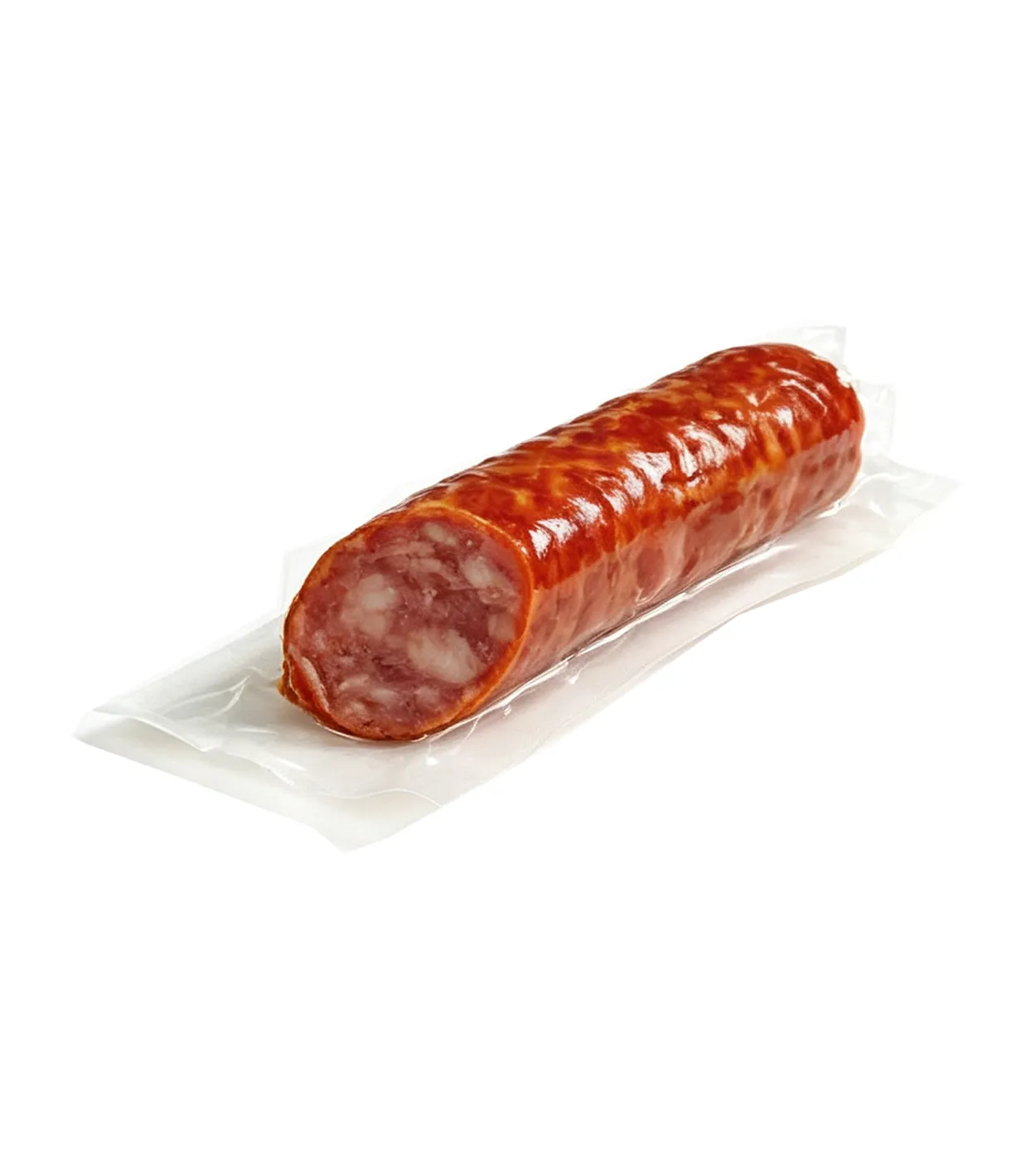
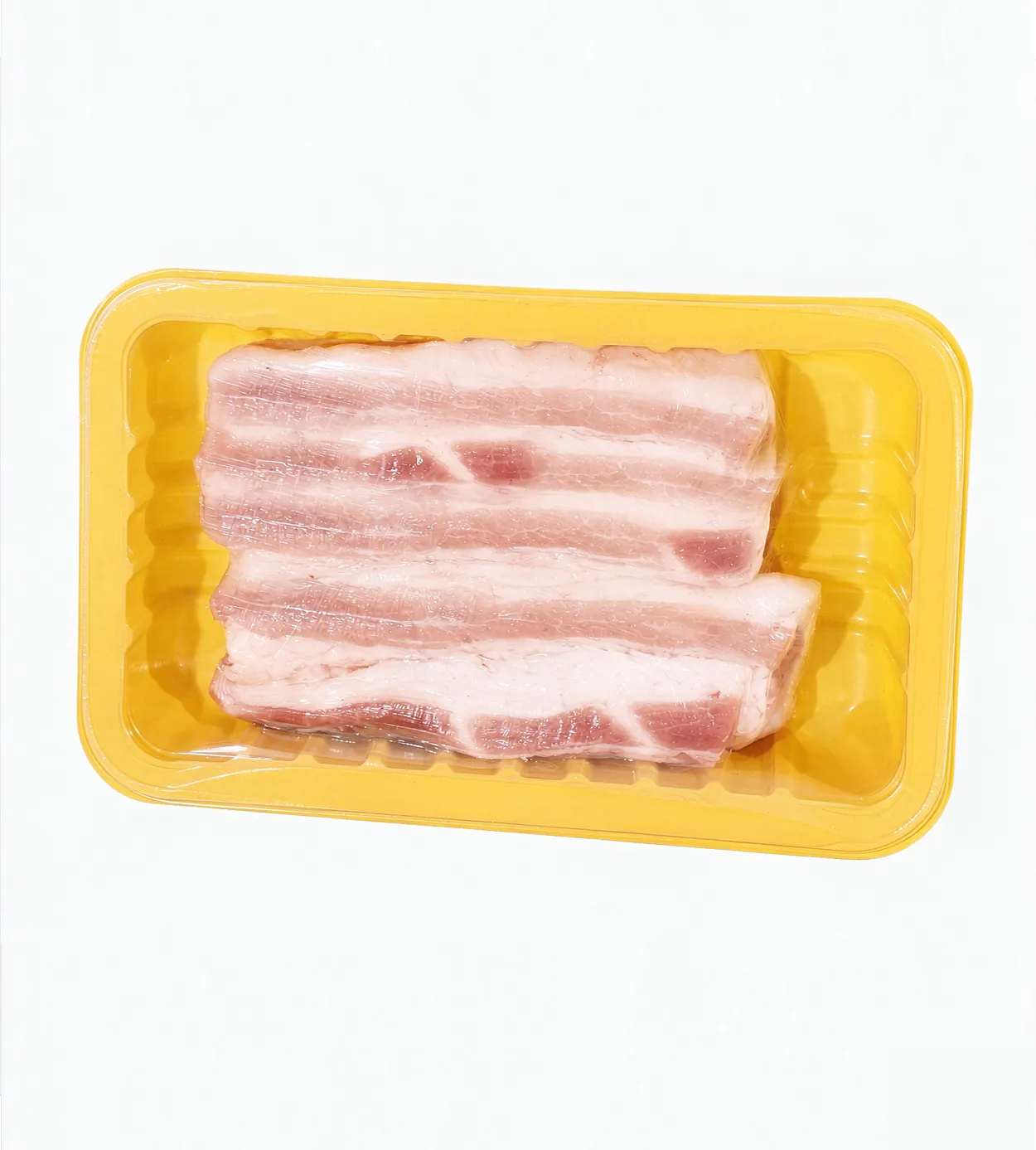
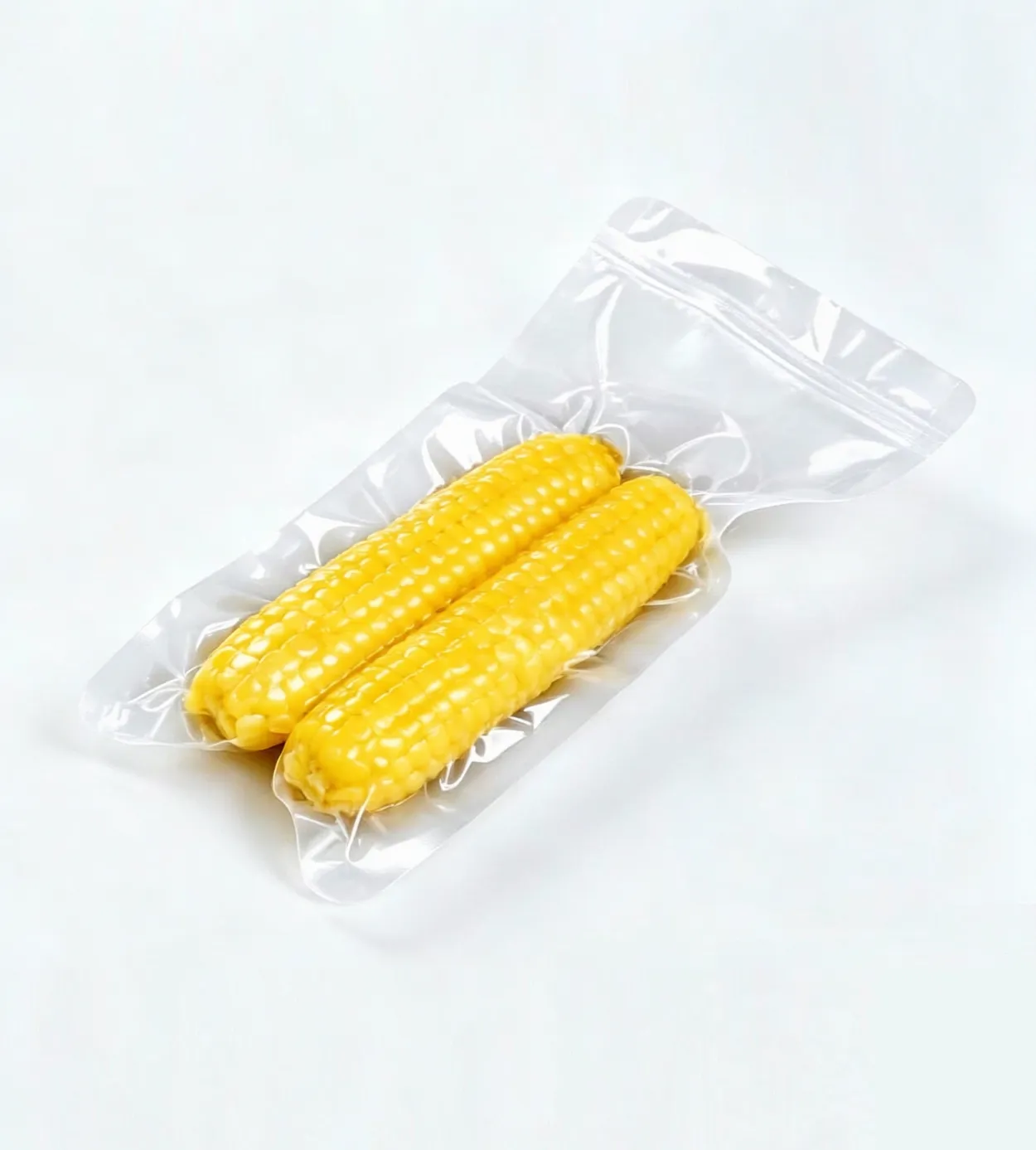
In the modern global marketplace, the shelf life of a product is often the difference between economic success and logistical failure. Whether it is a premium organic snack, a delicate pharmaceutical reagent, or a fresh cut of meat, the enemy is always the same: the environment. To combat the degrading effects of oxygen, moisture, and light, the packaging industry has turned to high barrier films.
A high barrier film is a specially engineered plastic material designed to prevent the passage of water, oxygen, and light. These films maintain the integrity, flavor, and safety of products over extended periods. As we move deeper into 2026, the demand for these materials is surging, driven by a global push to reduce food waste and enhance supply chain efficiency.
The importance of barrier technology has reached a critical tipping point. High barrier packaging is no longer just a luxury for high-end goods; it is a fundamental requirement for a sustainable future. By extending the shelf life of perishables, these films directly reduce the volume of food that ends up in landfills.
The technical performance of these films is measured by two primary metrics: Oxygen Transmission Rate (OTR) and Water Vapor Transmission Rate (WVTR). The lower the rate, the higher the barrier. Finding the right balance between these rates while maintaining package clarity and strength is the central challenge of material science in packaging today.
High barrier films are rarely made of a single material. Instead, they are sophisticated sandwiches of different polymers. The selection of these materials depends entirely on the specific sensitivities of the product.
Polymer barriers are the most common choice for food packaging where clarity is required.
EVOH (Ethylene Vinyl Alcohol): Regarded as the gold standard for oxygen protection. Even a layer as thin as a few microns can block oxygen effectively. However, EVOH is sensitive to moisture, which is why it is usually sandwiched between layers of Polyethylene (PE).
Polyamide (PA/Nylon): While not as strong an oxygen barrier as EVOH, PA offers exceptional mechanical strength and puncture resistance. It is often used in vacuum packaging for sharp-edged products like bone-in meats.
Metalized films, often VMPET or VMPP, are created by depositing a microscopic layer of aluminum onto a plastic film. These films provide an excellent barrier against light and moisture at a lower cost than solid aluminum foil. They are the shiny materials often seen on the inside of potato chip bags, providing a high moisture barrier to keep snacks crispy.
For products that need to be seen by the consumer or used in a microwave, traditional metalized films won't work. Ceramic-coated films (Aluminum Oxide or Silicon Oxide) offer a solution. They provide a glass-like barrier that is completely transparent and microwave-safe, though they tend to be more brittle and expensive than traditional polymer barriers.
When a total barrier is required, aluminum foil is the ultimate choice. It provides a zero-transmission rate for oxygen, moisture, and light. It is commonly found in coffee packaging and pharmaceutical blister packs where even the slightest environmental exposure could ruin the product.
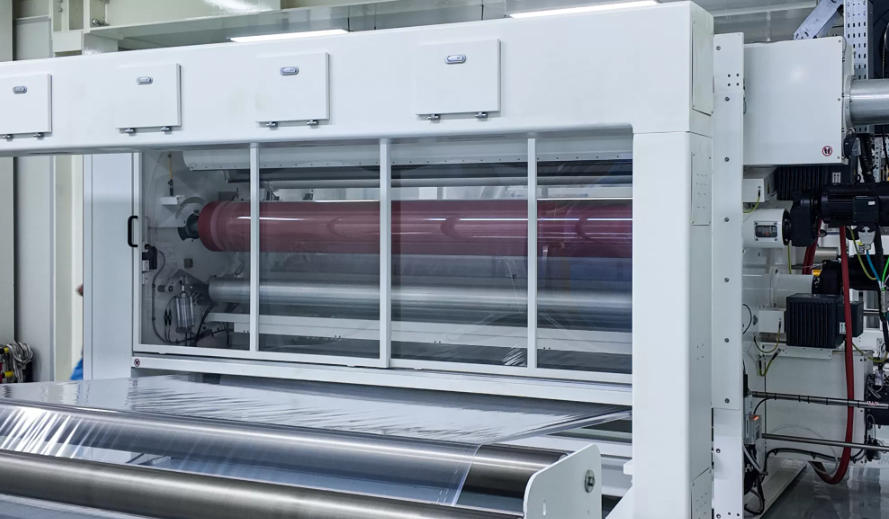
The effectiveness of a high barrier film depends significantly on the precision of the manufacturing process. A slight variation in layer thickness during extrusion can compromise the entire sterile barrier. This is where specialized manufacturers like GroupSmart provide a competitive edge.
Leveraging multi-layer co-extrusion technology, GroupSmart produces high-performance materials that meet the rigorous demands of the clinical and food sectors. The high barrier cast film is a prime example of modern engineering, offering superior gauge uniformity and optical clarity. By integrating layers of PA, EVOH, and PE, GroupSmart’s films provide a robust defense system that is thinner and stronger than traditional laminates.
For food producers, selecting a reliable food packaging film is a strategic decision. GroupSmart’s portfolio includes symmetrical structures like PE/PA/PE and high-protection PA/EVOH/PE films, ensuring that from vacuum skin packaging to lidding applications, the product remains protected under a perfectly calibrated barrier.
The world of high barrier films is a complex intersection of chemistry, physics, and environmental strategy. From the transparent protection of EVOH to the absolute barrier of foil, the types of high barrier film available today allow manufacturers to tailor their packaging to the unique needs of every product.
Choosing the right type of film requires an understanding of a product's vulnerabilities and the capabilities of the material supplier. With the precision offered by GroupSmart’s product line, businesses can navigate this technical landscape with ease. As we look to the future, these films will only become more essential, serving as the invisible but vital guardians of our global food and health systems.