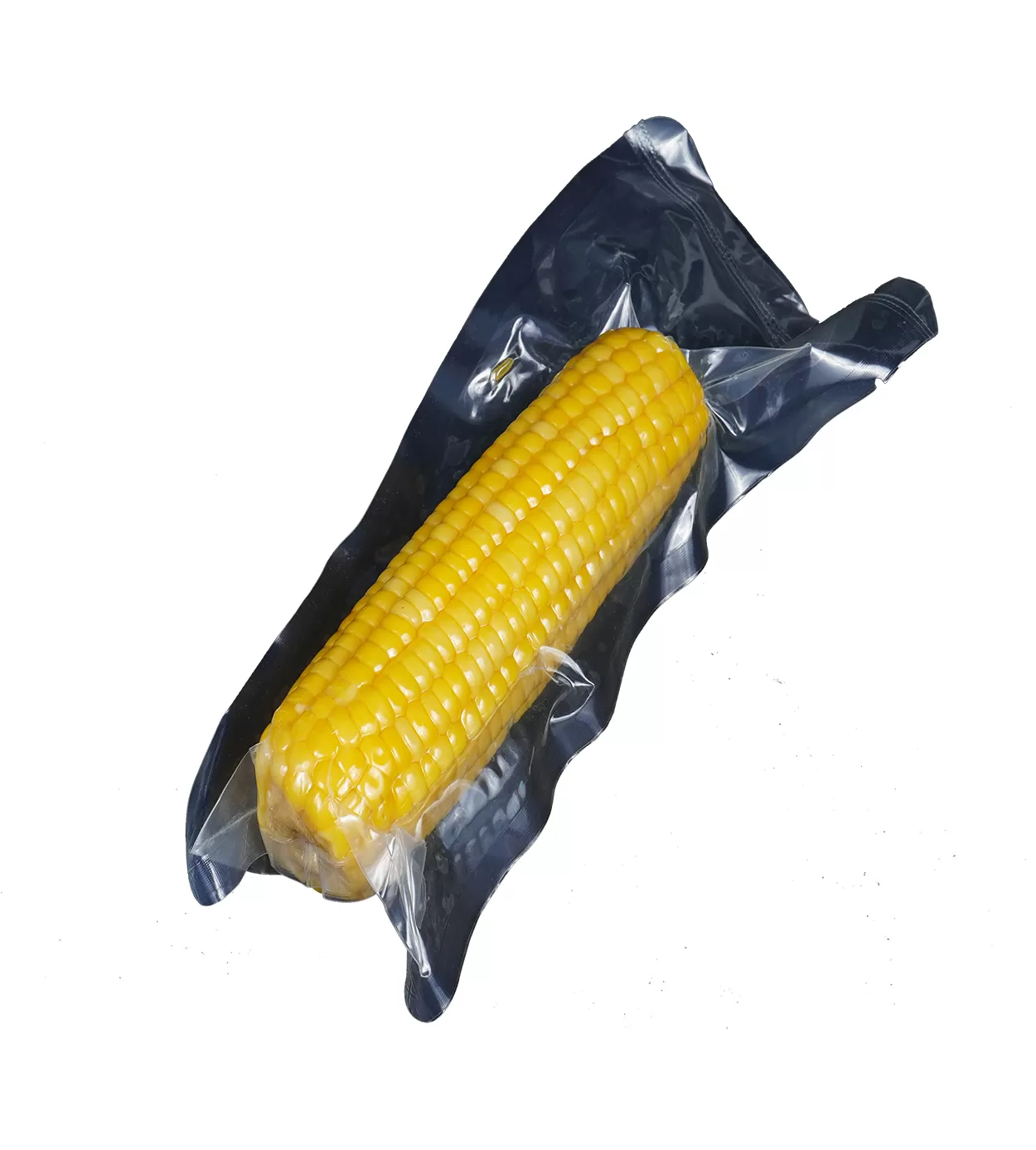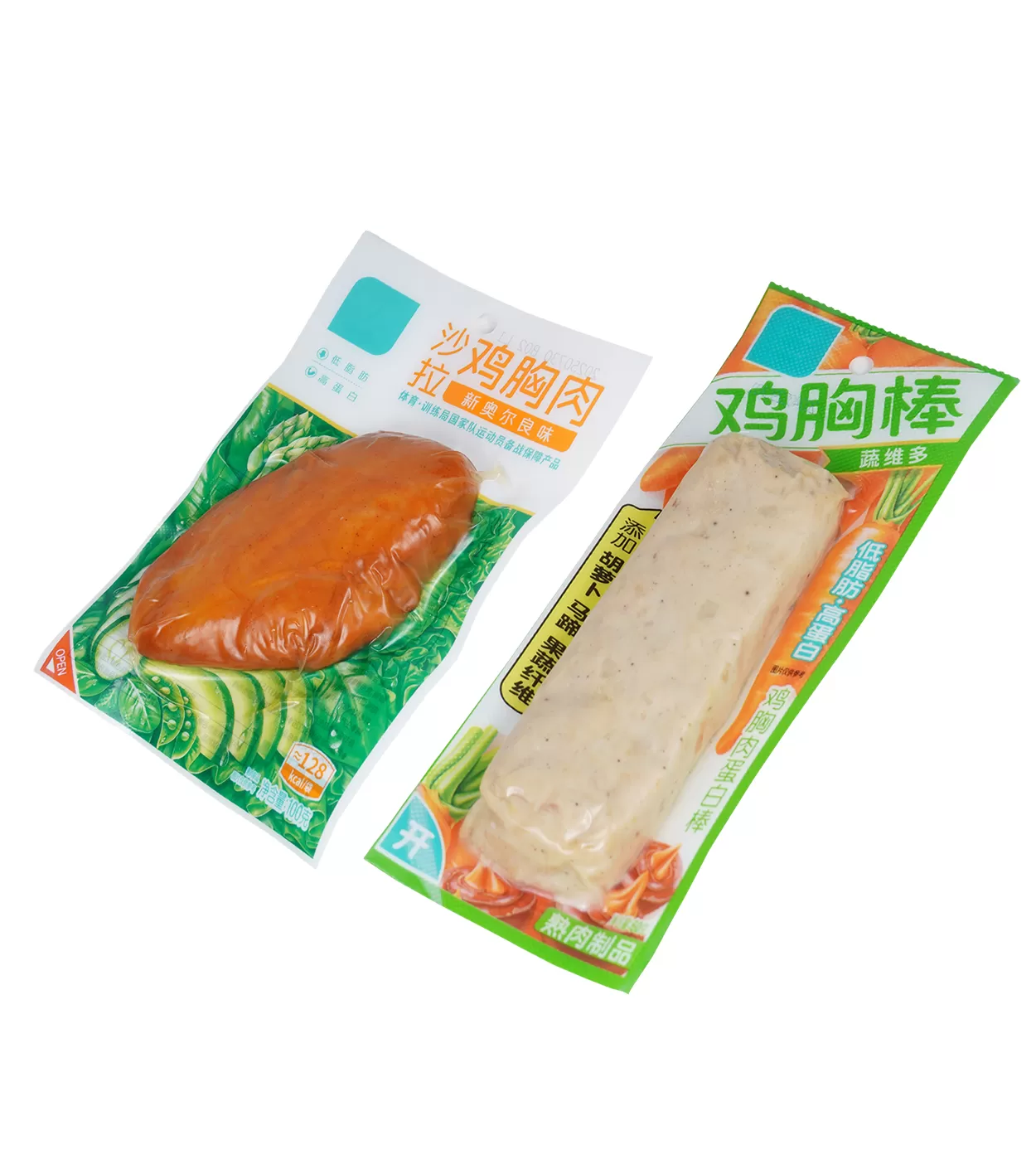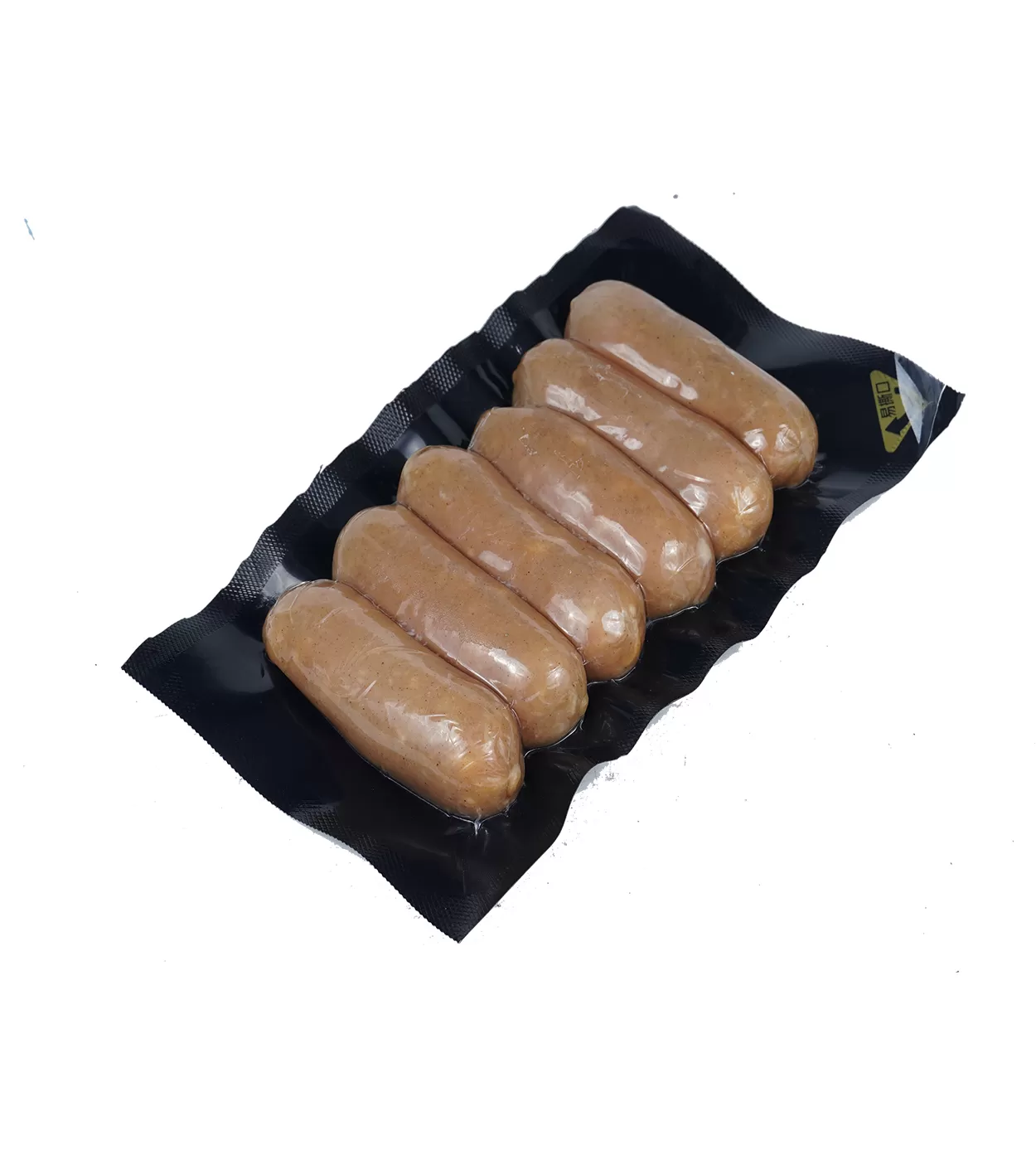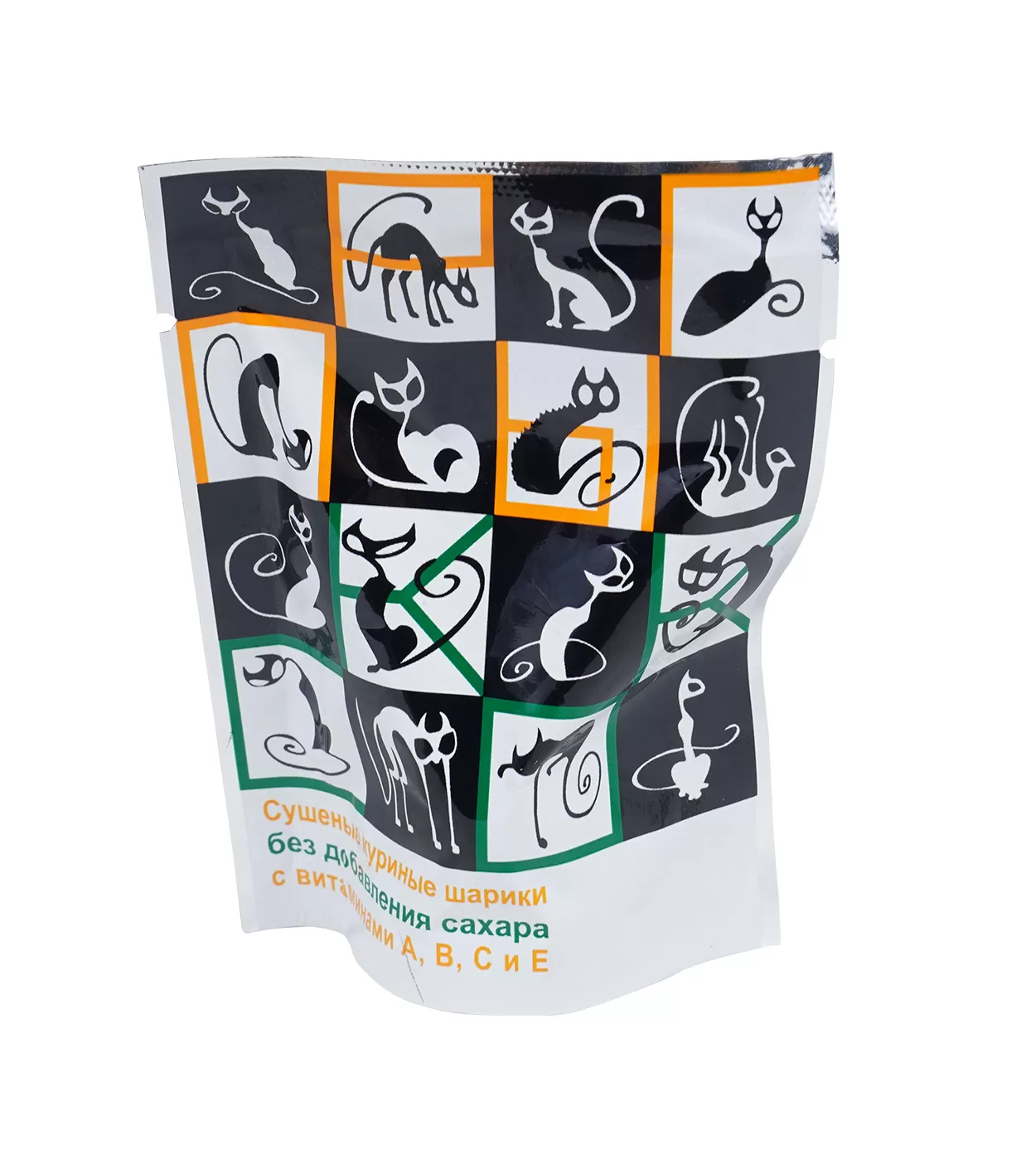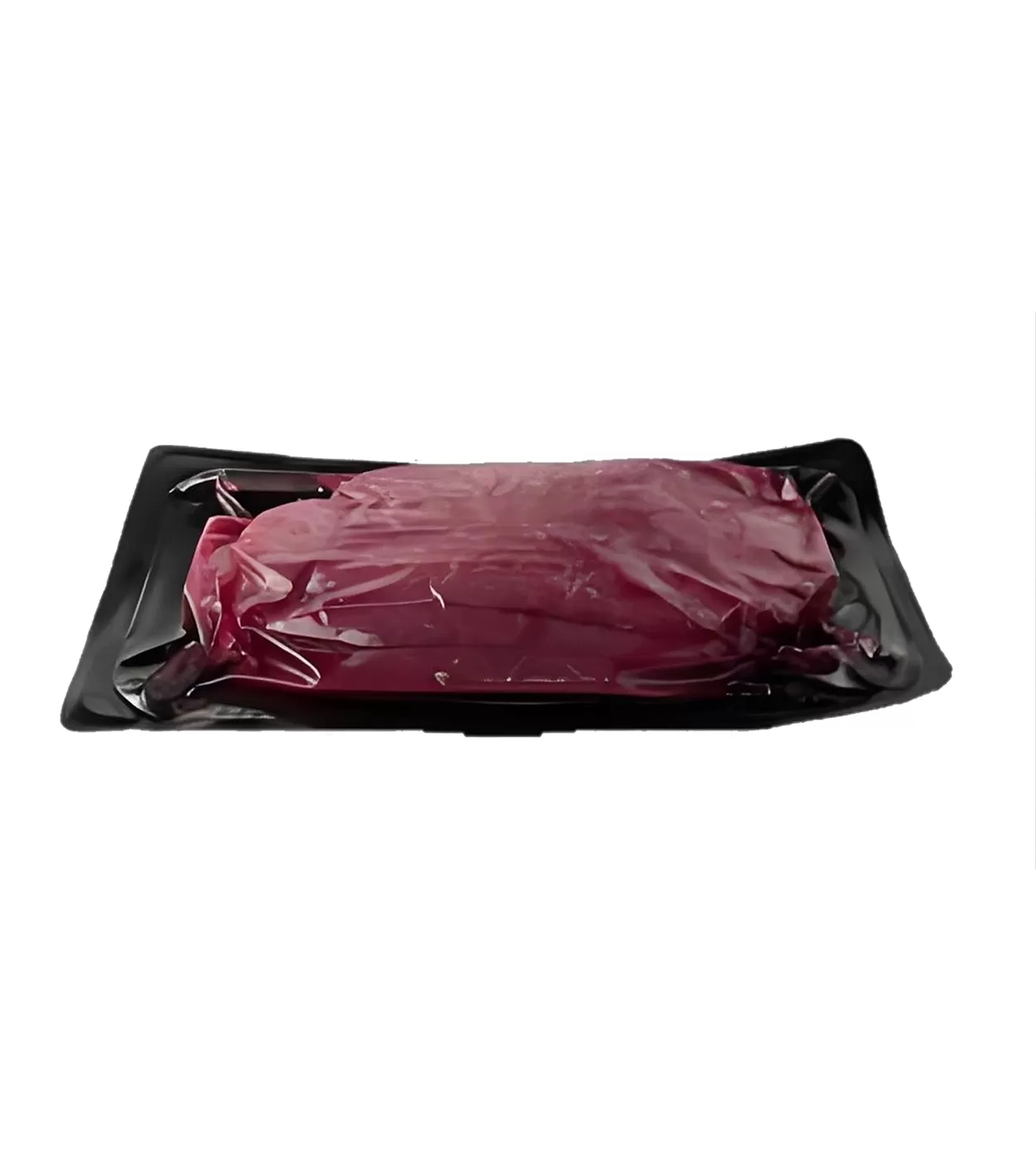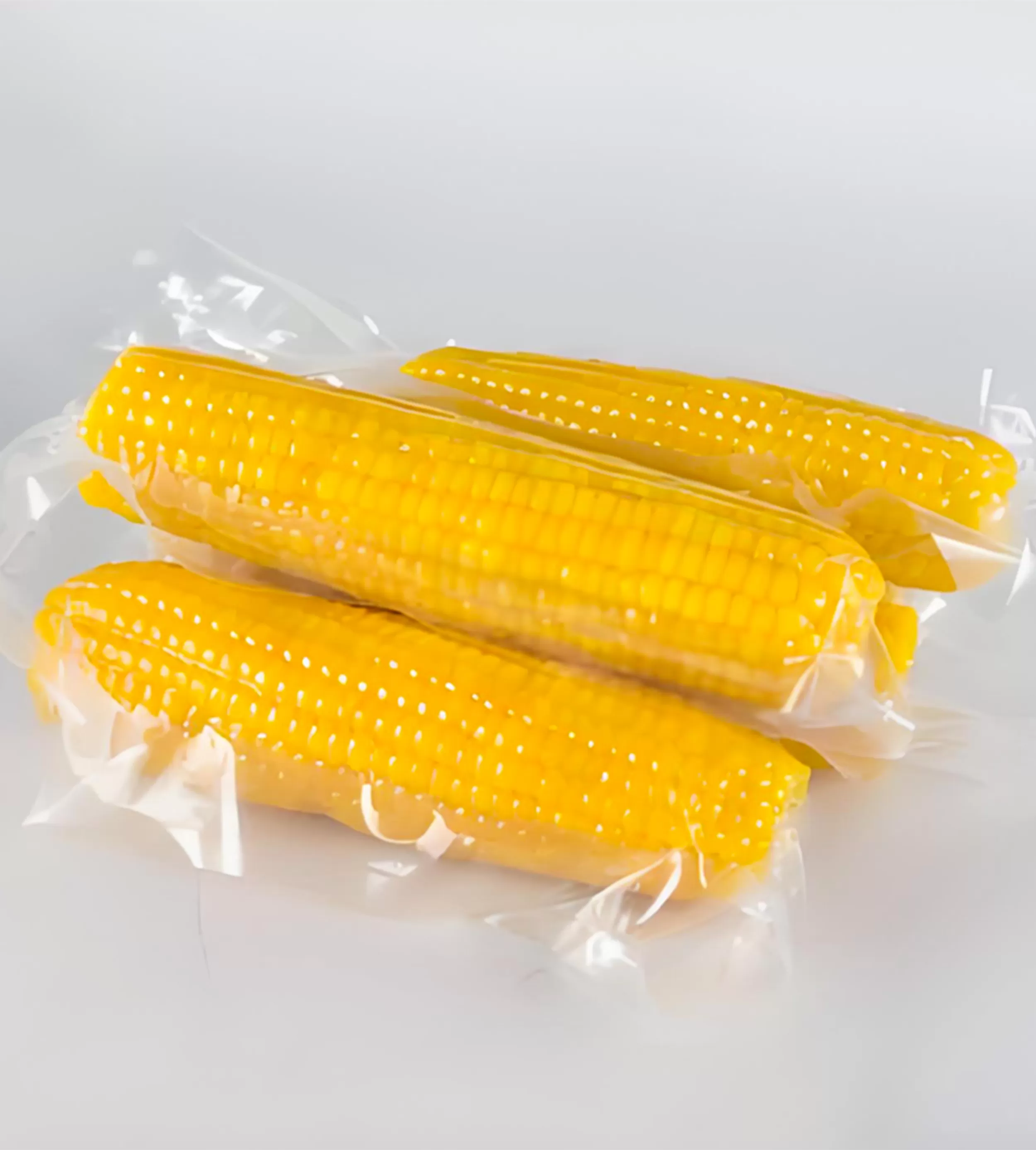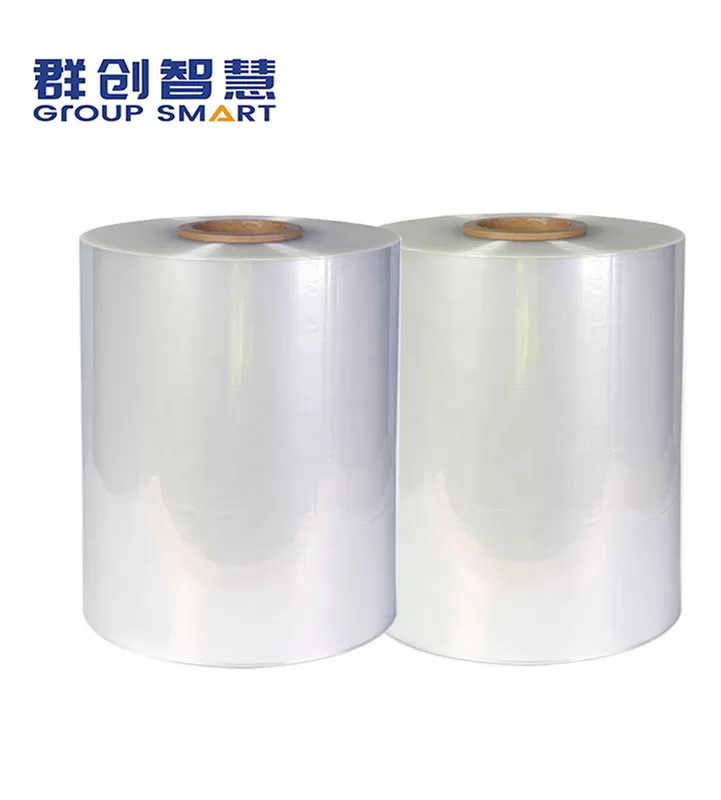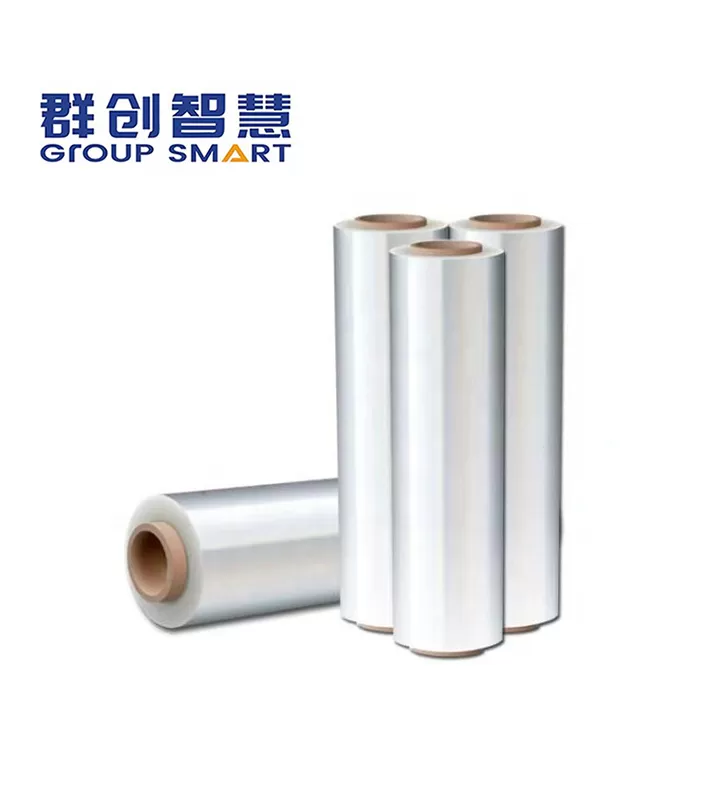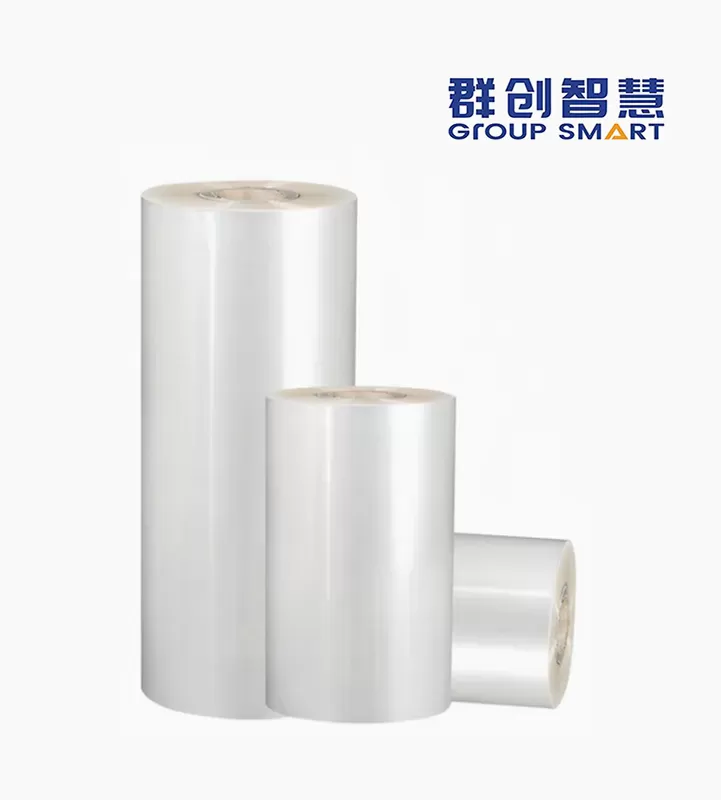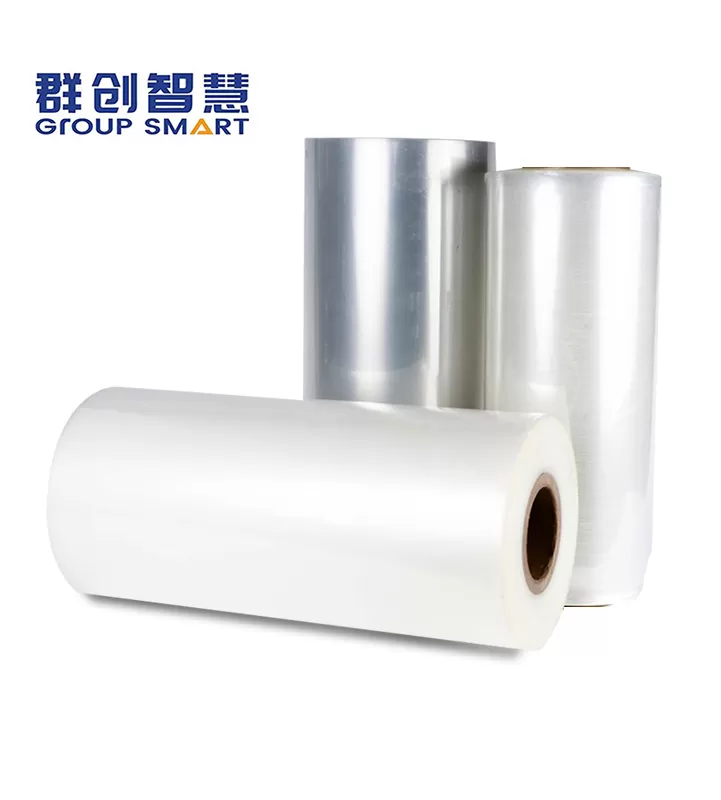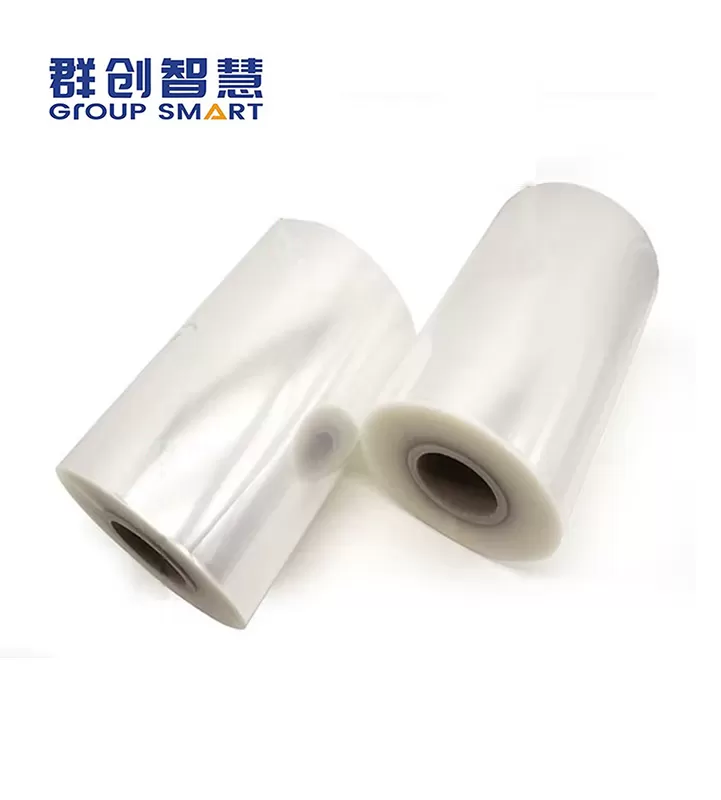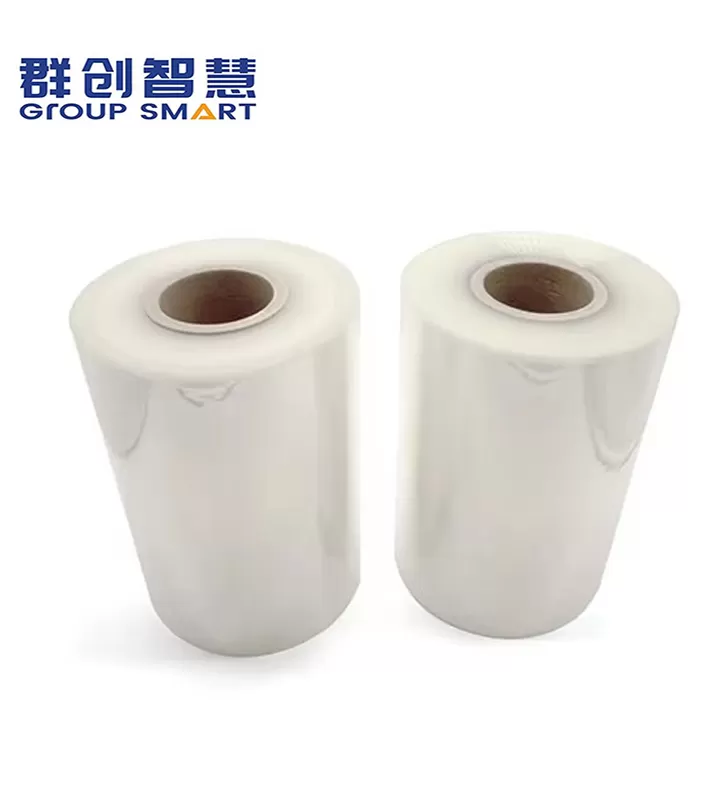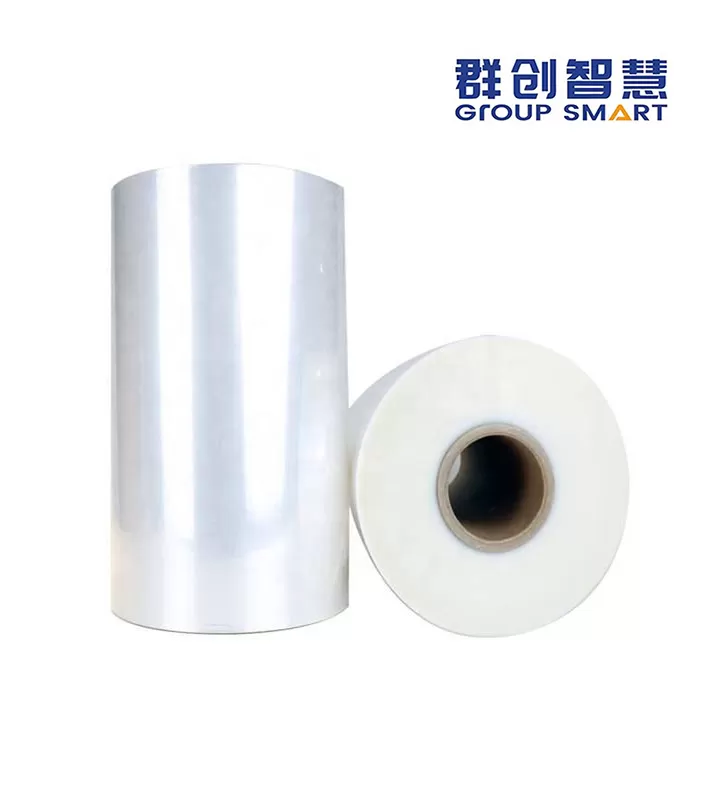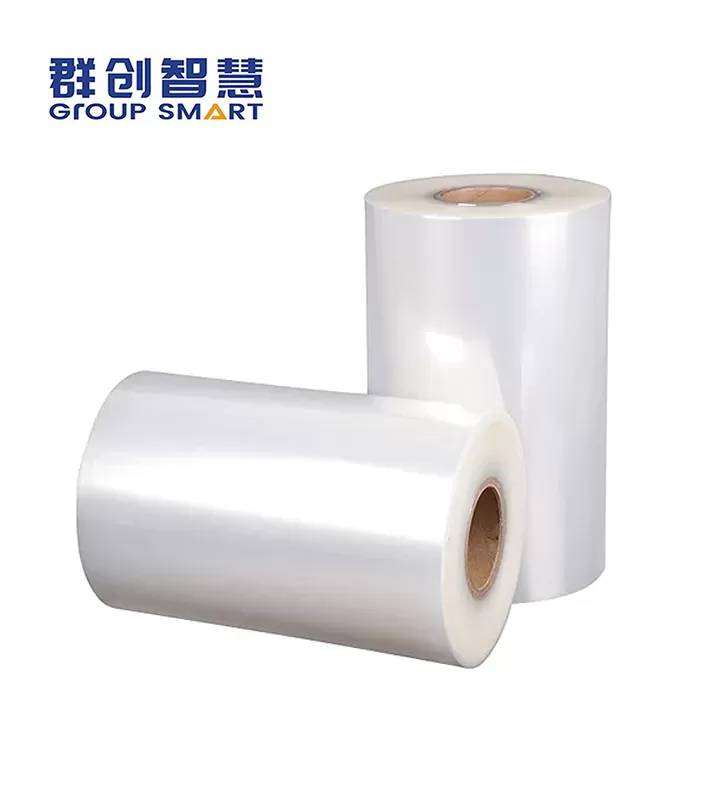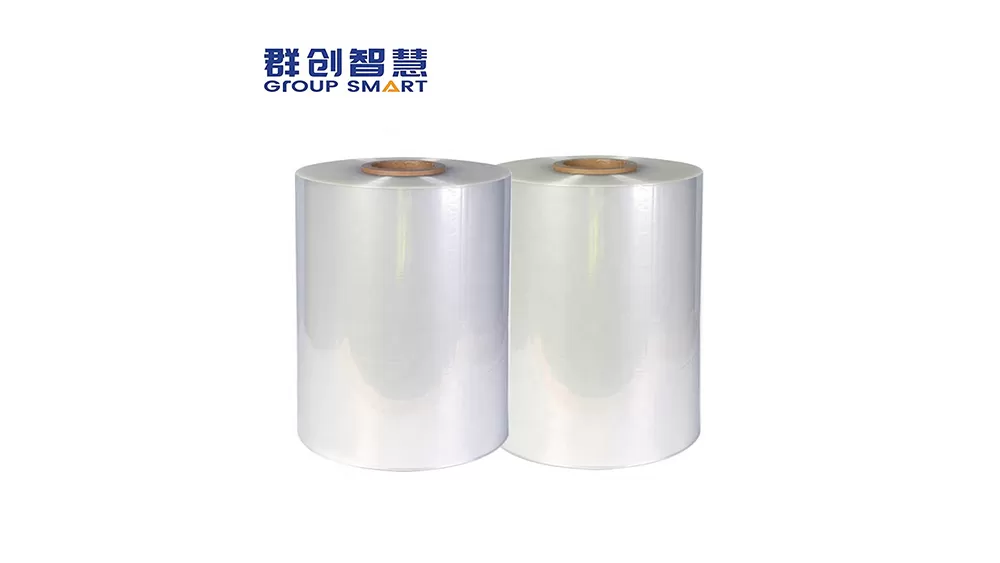
The GS-RMM product series is a line of recyclable packaging materials produced by GroupSmart Manufacturing. This recyclable barrier film helps reduce carbon footprint.
Featuring lightweight design for energy savings and emission reduction, with a recyclability rate of up to 95%
| Product | Structure | Characteristics | Usage scenario |
| GSS-RMM EOE | PE/EVOH/PE Film |
|
|
| GSS-RMM POP | PP/EVOH/PP Film |
|
|
Multilayer packaging structures like PP/EVOH/PP and PE/EVOH/PE (where EVOH content is ≤5%) are considered mono-material recyclable under EU recycling standards due to the following technical and regulatory factors:
Recyclability Definition (EN 13432 / EU Plastics Strategy):
Materials must be compatible with existing recycling streams without requiring complex separation.
EVOH ≤5% is fully dispersed in the polyolefin melt, avoiding phase separation or degradation.
Sorting & Processing:
Mechanical recycling of multilayer films relies on melt reprocessing; low EVOH content eliminates the need for additional sorting.
The EU supports “Design for Recycling” principles, allowing minimal non-polyolefin components in mono-material structures.
Compatibility Studies: Research confirms that ≤5% EVOH is effectively encapsulated by PP/PE matrices, preventing brittleness or optical defects in recycled material.
Industry Guidelines:
CEFLEX (Circular Economy for Flexible Packaging) classifies polyolefin structures with ≤5% barrier layers as "mono-material."
RecyClass certifies PP/PE-EVOH (≤5%) as compatible with mechanical recycling.
EU 10/2011 (Food Contact Materials): Permits limited non-homogeneous components in recycled plastics, provided migration risks are negligible.
Green Deal & PPWR Proposal: Promotes recyclable packaging designs, recognizing low-content barrier layers (≤5%) as non-obstructive.
EVOH ≤5% in PP/PE-based structures meets EU “mono-material” recyclability criteria by ensuring compatibility with standard polyolefin recycling streams. This threshold balances functional performance and circular economy requirements, supported by scientific evidence and industry consensus.
Balanced mechanical properties
Processing compatibility
Material & cost efficiency
Broad application scope